Climate for Station: Ndjili Intl, Kinshasa, Congo (Kinshasa)
Loading live weather...
Climate Analysis & Overview
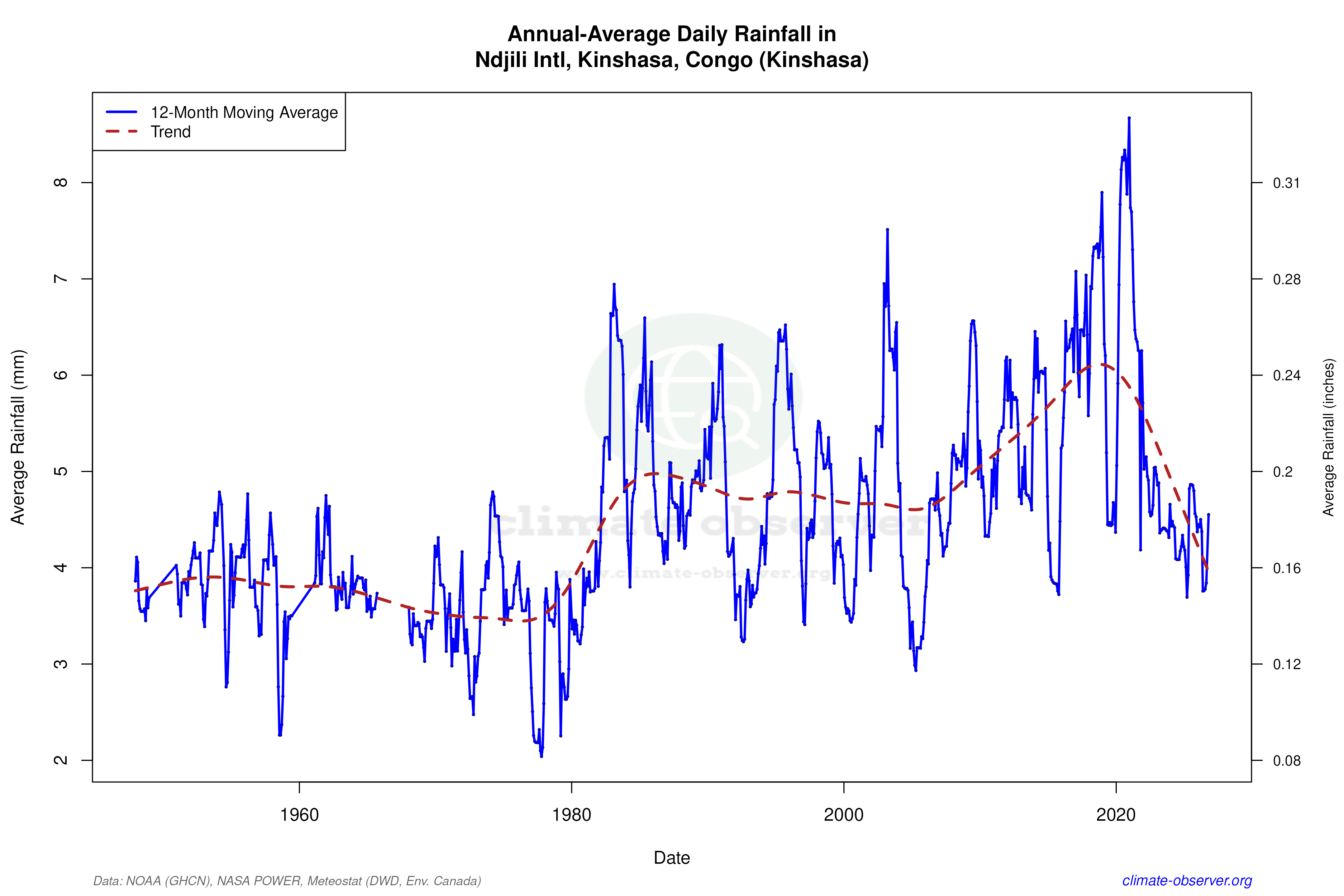
Ndjili International Airport in Kinshasa, Democratic Republic of the Congo, shows a warming trend with notable increases in both high and low temperatures over the past decade. The precipitation pattern remains relatively stable, with a slight increase in concentration, indicating more intense rainfall events.
Tropical Climate Dynamics
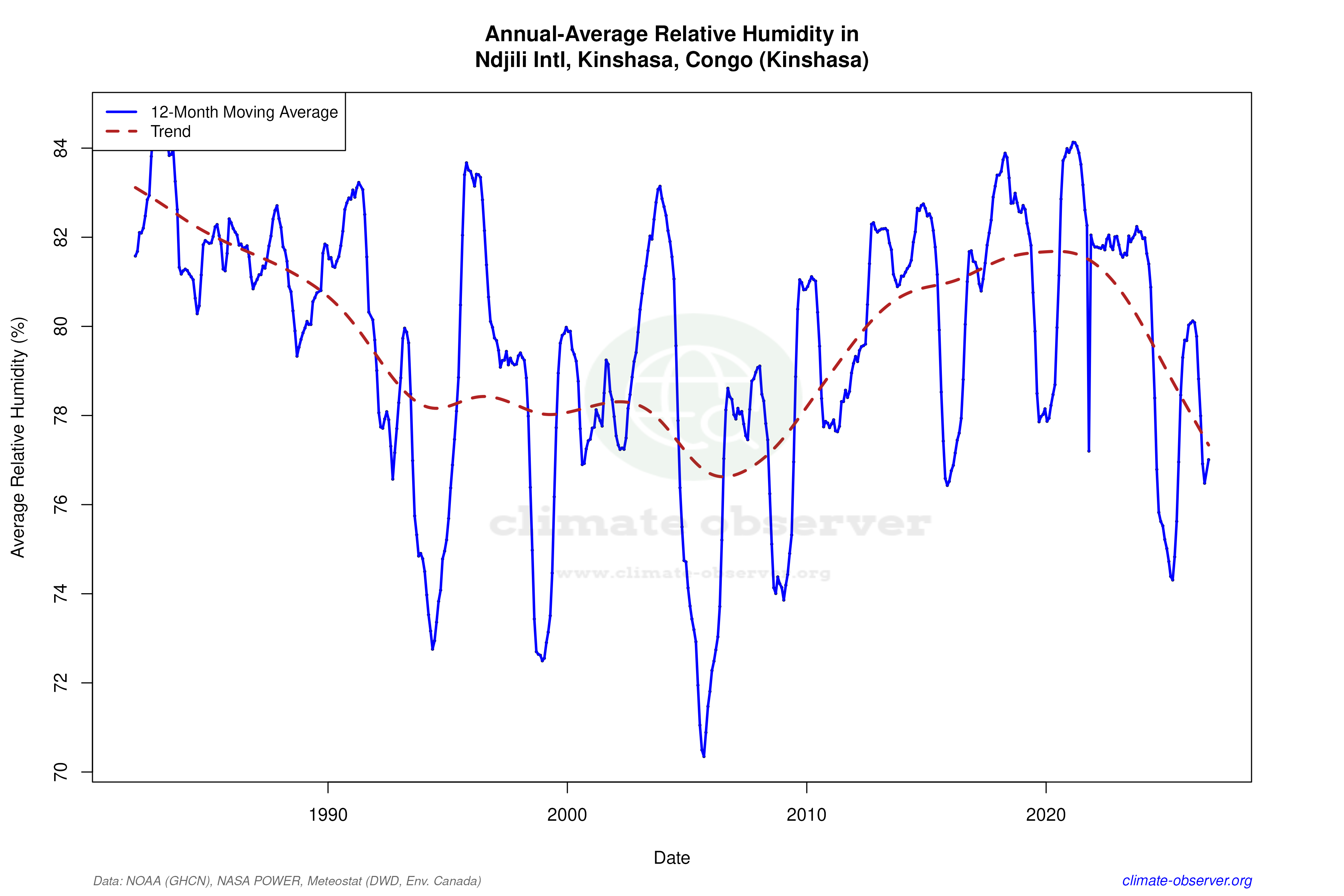
Ndjili International Airport is situated in Kinshasa, a region characterised by a tropical wet and dry climate (Aw) according to the Köppen classification. This climate type is marked by a distinct wet season and a dry season, influenced by the Congo River's proximity and the surrounding lush tropical forests. These geographical features contribute to the area's humidity and precipitation patterns. Over the past decade, the station has experienced a warming trend, with high temperatures increasing by 0.41°C (0.74°F) and low temperatures rising by 0.92°C (1.66°F). This recent trend is more pronounced compared to the all-time warming trend of 0.22°C (0.40°F) for highs and 0.35°C (0.63°F) for lows, suggesting a notable acceleration in temperature changes.
Temperature Extremes and Records
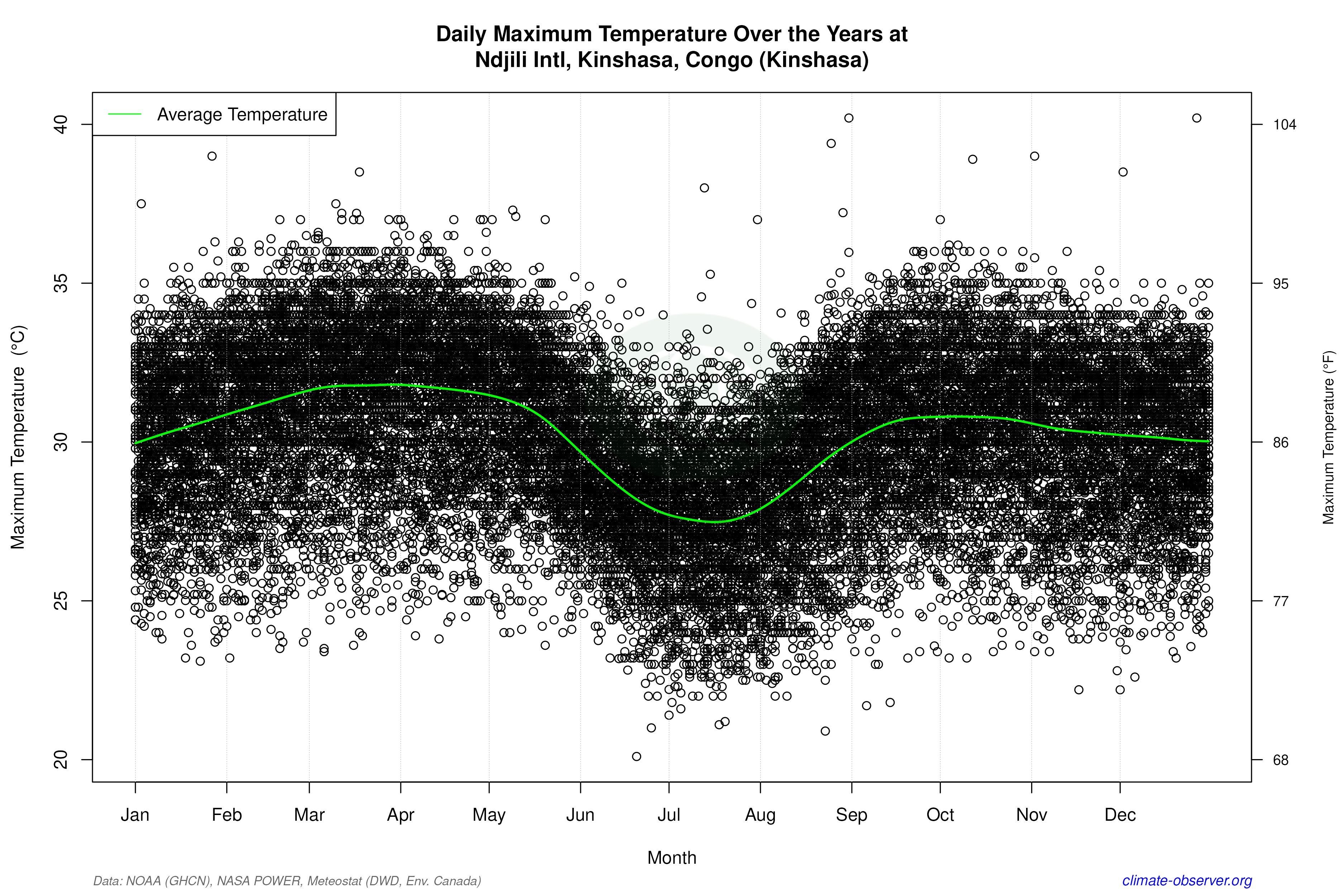
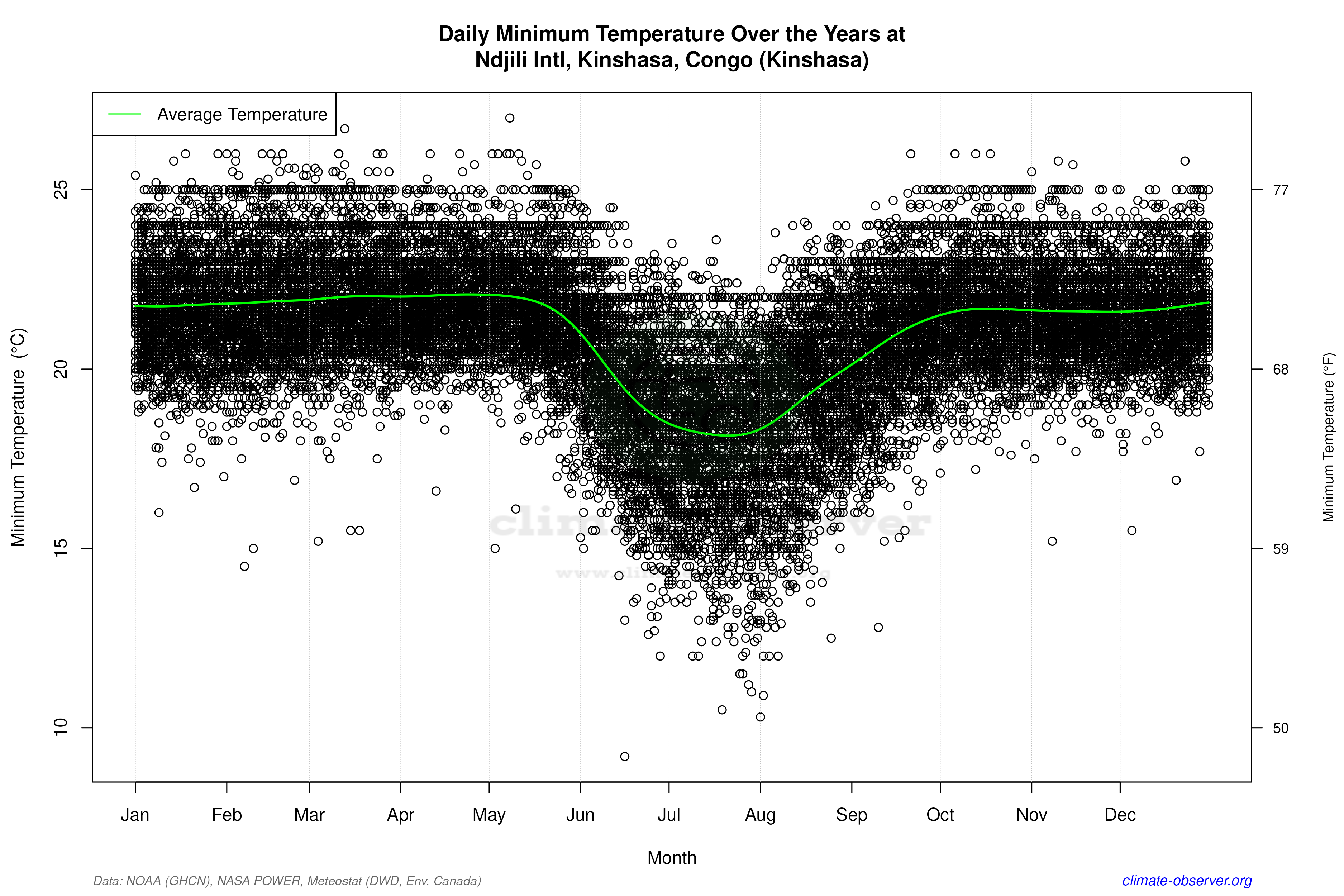
The all-time temperature records for Ndjili International highlight the climatic extremes experienced in this tropical region. The highest recorded temperature is 40.2°C (104.4°F), while the lowest is 9.2°C (48.6°F). These extremes reflect the variability inherent in tropical climates, where intense heat can be punctuated by cooler nights, especially during the dry season.
Precipitation Patterns and Concentration
The Precipitation Concentration Index (PCI) at Ndjili International has shown a marginal increase from a baseline of 14.21 to a current value of 14.29. The PCI measures how rainfall is distributed over time; a higher value indicates that precipitation is concentrated in fewer, more intense events. This slight increase suggests a trend towards more concentrated rainfall, which could lead to more significant flooding events during the wet season. However, the PCI remains below the threshold of 20, indicating a moderate concentration of precipitation events.
Regional Climate Considerations
Kinshasa's climate trends are part of broader regional patterns influenced by global climate change. The city's warming aligns with the Democratic Republic of the Congo's climate goals, which aim to mitigate the impacts of climate change through sustainable development and conservation efforts. Recent weather events, such as intensified rainfall and heatwaves, underscore the importance of these goals. The warming trend observed at Ndjili International is a microcosm of the broader climatic shifts occurring across the Congo Basin, a region critical to global biodiversity and climate regulation.
Station Statistics
10-Year Trend
High: +0.25 °C/decade
Low: +0.88 °C/decade
Rain: -3.21 mm/decade
25-Year Trend
High: +0.30 °C/decade
Low: +0.64 °C/decade
Rain: +0.21 mm/decade
50-Year Trend
High: +0.34 °C/decade
Low: +0.45 °C/decade
Rain: +0.30 mm/decade
All-Time Trend
High: +0.22 °C/decade
Low: +0.35 °C/decade
Rain: +0.27 mm/decade
Percentage Above-Average Days
Last 12 Months: 72.6%
This Year: 70.5%
Precipitation Concentration Index (PCI) ℹ️
Last 12 Months: 11.2
Historical Average: 13.5
Percentile Rank of Last 12 Months ℹ️
High: 81st percentile
Low: 97th percentile
Rain: 47th percentile
Change in Variance ℹ️
High: -25.4%
Low: -36.7%
Intraday: -27.1%
Data Coverage
88.6%
First Year of Data
1960
Station Location
Historical Weather Records
| Max High | Avg High | Min High | Max Avg | Avg Avg | Min Avg | Max Low | Avg Low | Min Low | Max Precipitation | Avg Precipitation | Max Snow | Avg Snow | |
|---|---|---|---|---|---|---|---|---|---|---|---|---|---|
| Record | 40.2 °C | — | 20.1 °C | 33.2 °C | — | 17.0 °C | 27.0 °C | — | 9.2 °C | 300.0 mm | — | — | — |
| January | 39.0 °C | 30.4 °C | 23.1 °C | 31.5 °C | 26.2 °C | 19.8 °C | 26.0 °C | 21.8 °C | 16.0 °C | 300.0 mm | 5.7 mm | — | — |
| February | 37.0 °C | 31.2 °C | 23.2 °C | 33.2 °C | 26.5 °C | 20.4 °C | 26.0 °C | 21.9 °C | 14.5 °C | 162.1 mm | 5.6 mm | — | — |
| March | 38.5 °C | 31.8 °C | 23.4 °C | 33.2 °C | 26.8 °C | 19.0 °C | 26.7 °C | 22.0 °C | 15.2 °C | 136.9 mm | 6.5 mm | — | — |
| April | 37.0 °C | 31.7 °C | 23.8 °C | 31.9 °C | 26.6 °C | 22.4 °C | 26.0 °C | 22.0 °C | 16.6 °C | 162.1 mm | 7.1 mm | — | — |
| May | 37.3 °C | 30.8 °C | 23.6 °C | 31.7 °C | 26.2 °C | 19.0 °C | 27.0 °C | 21.8 °C | 15.0 °C | 145.0 mm | 4.8 mm | — | — |
| June | 35.0 °C | 28.6 °C | 20.1 °C | 30.3 °C | 24.3 °C | 18.6 °C | 24.5 °C | 19.6 °C | 9.2 °C | 45.5 mm | 0.3 mm | — | — |
| July | 38.0 °C | 27.6 °C | 21.1 °C | 28.0 °C | 23.3 °C | 17.6 °C | 23.6 °C | 18.3 °C | 10.5 °C | 13.0 mm | 0.1 mm | — | — |
| August | 40.2 °C | 28.9 °C | 20.9 °C | 30.2 °C | 24.4 °C | 17.0 °C | 24.1 °C | 19.2 °C | 10.3 °C | 50.0 mm | 0.3 mm | — | — |
| September | 36.0 °C | 30.5 °C | 21.7 °C | 31.4 °C | 25.8 °C | 20.8 °C | 26.0 °C | 20.9 °C | 12.8 °C | 59.7 mm | 1.7 mm | — | — |
| October | 38.9 °C | 30.8 °C | 23.2 °C | 31.3 °C | 26.1 °C | 21.1 °C | 26.0 °C | 21.6 °C | 17.1 °C | 144.0 mm | 5.3 mm | — | — |
| November | 39.0 °C | 30.4 °C | 22.2 °C | 31.8 °C | 25.8 °C | 20.8 °C | 25.8 °C | 21.6 °C | 15.2 °C | 238.0 mm | 9.4 mm | — | — |
| December | 40.2 °C | 30.1 °C | 22.2 °C | 32.3 °C | 25.8 °C | 21.6 °C | 25.8 °C | 21.7 °C | 15.5 °C | 145.0 mm | 6.9 mm | — | — |
Data Visualisations
Remove WatermarksCurrent Year Climate Trends vs Historical
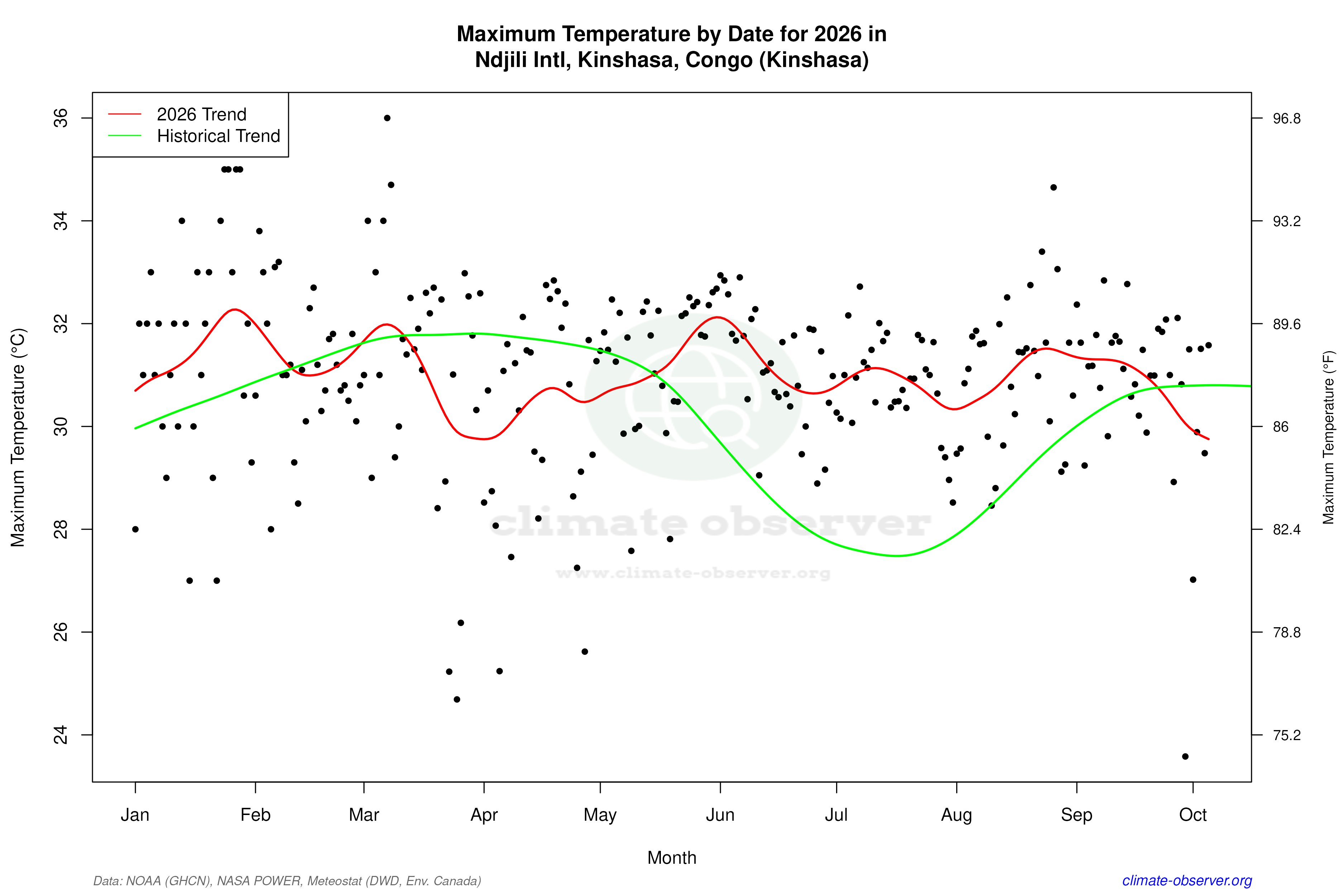
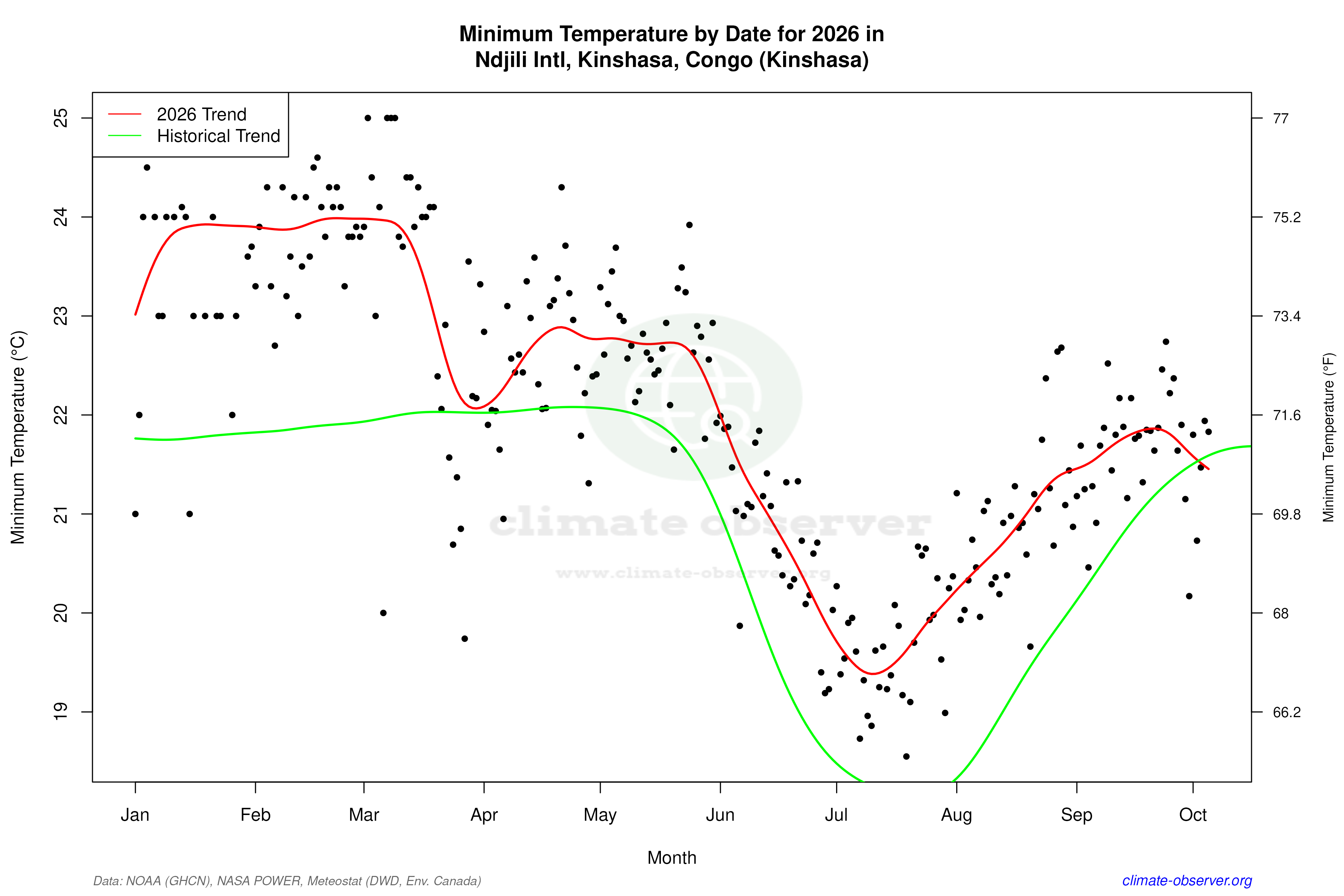
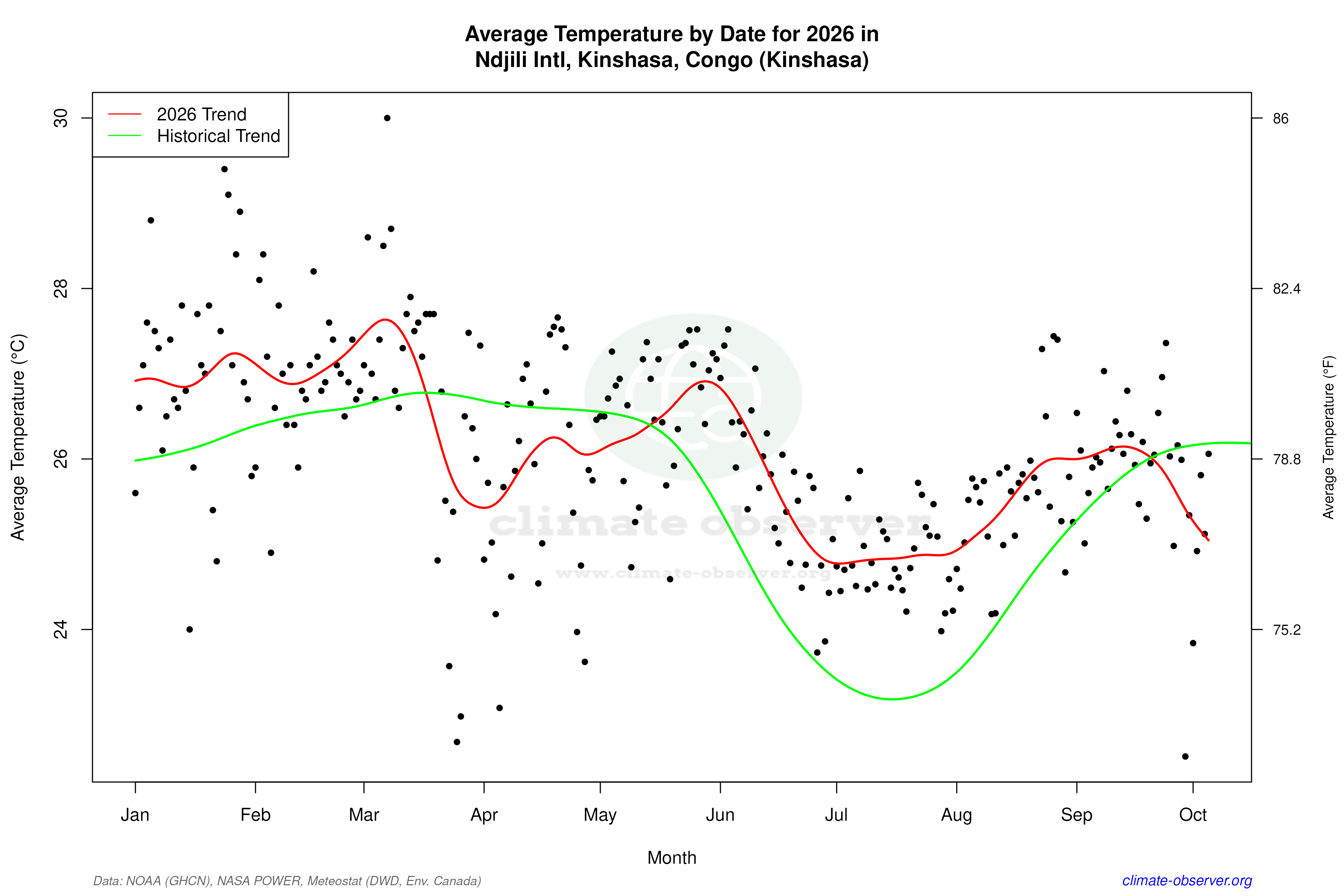
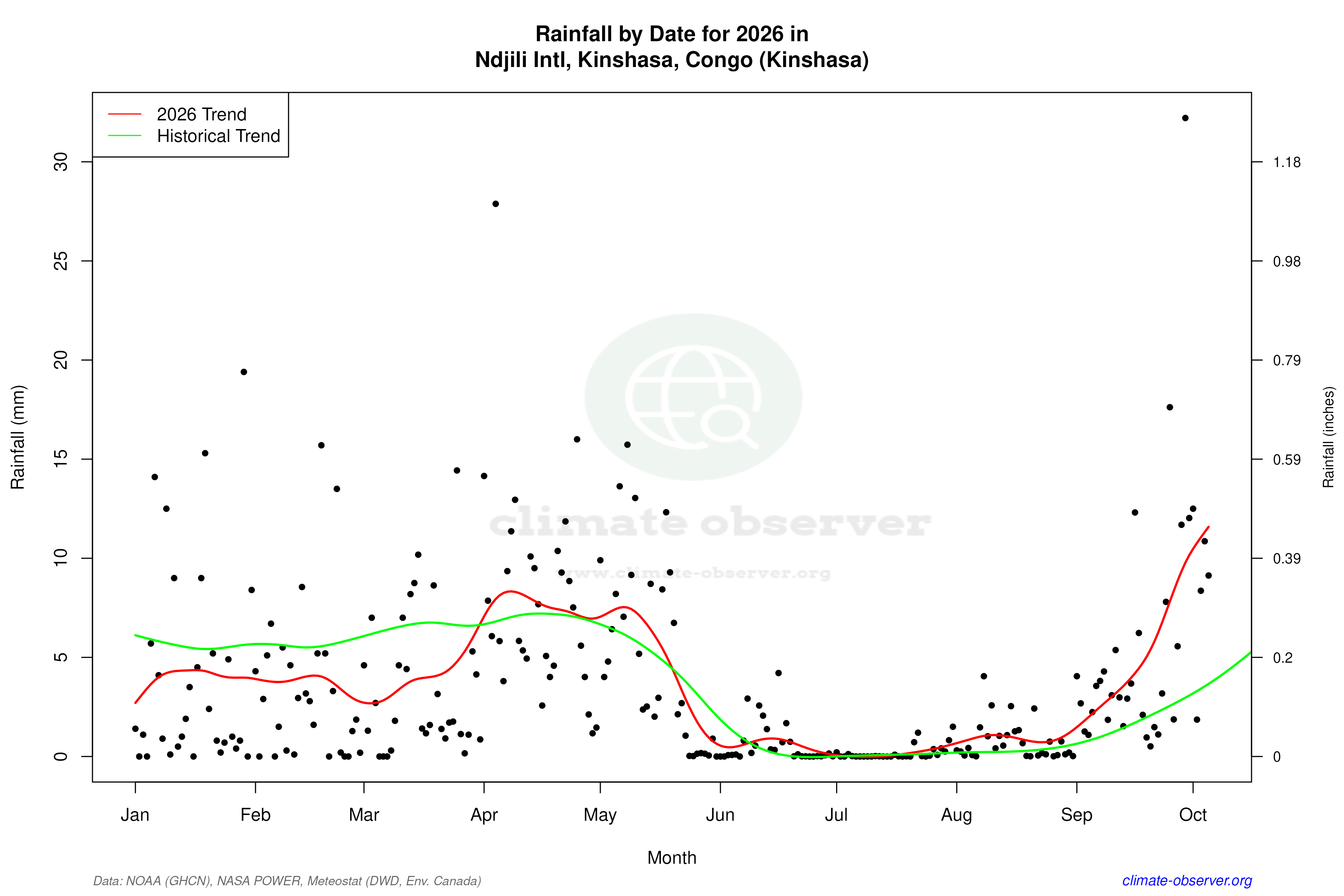
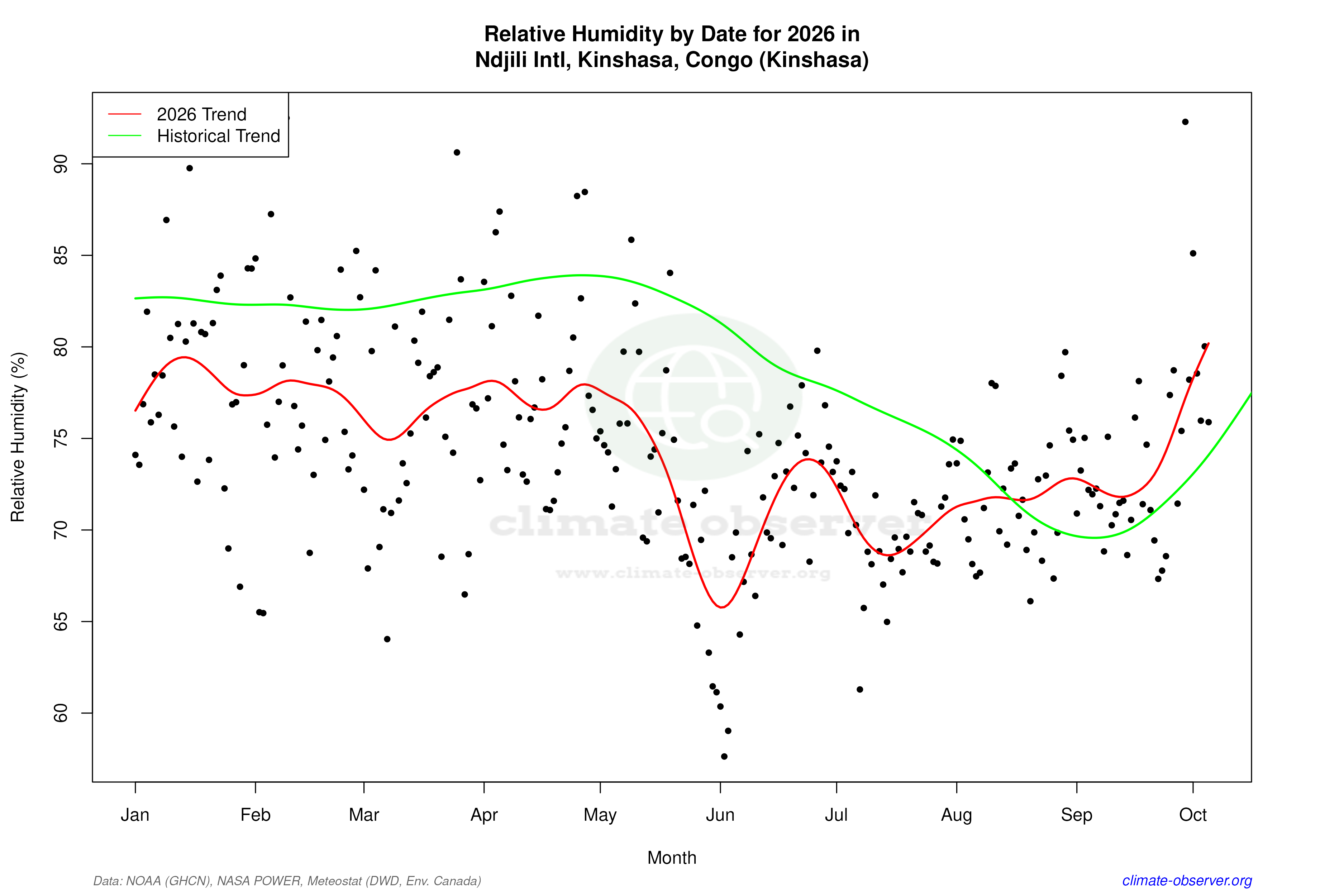

Max Temperature this Year | 1 of 6
Climate 12-Month Moving Averages
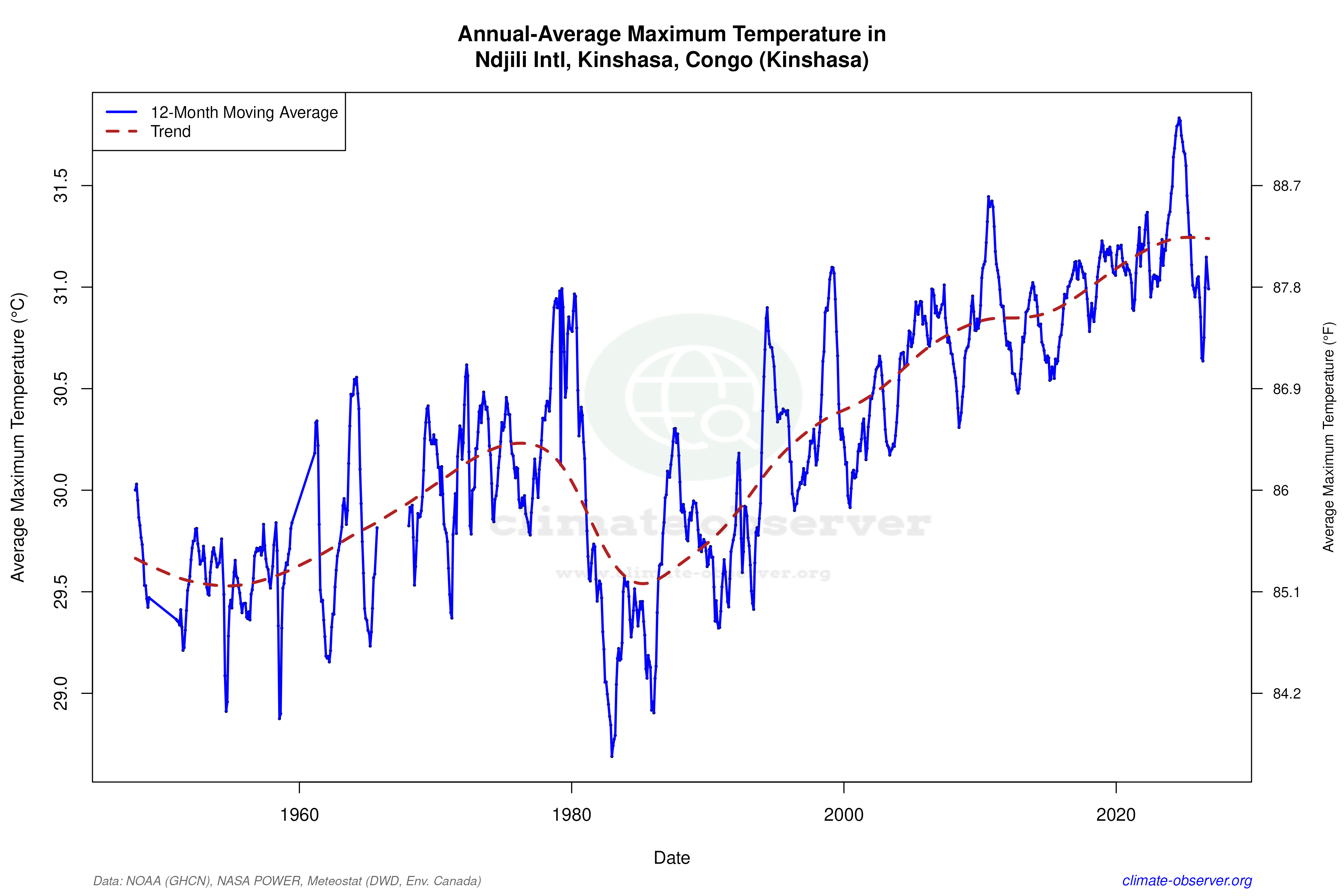
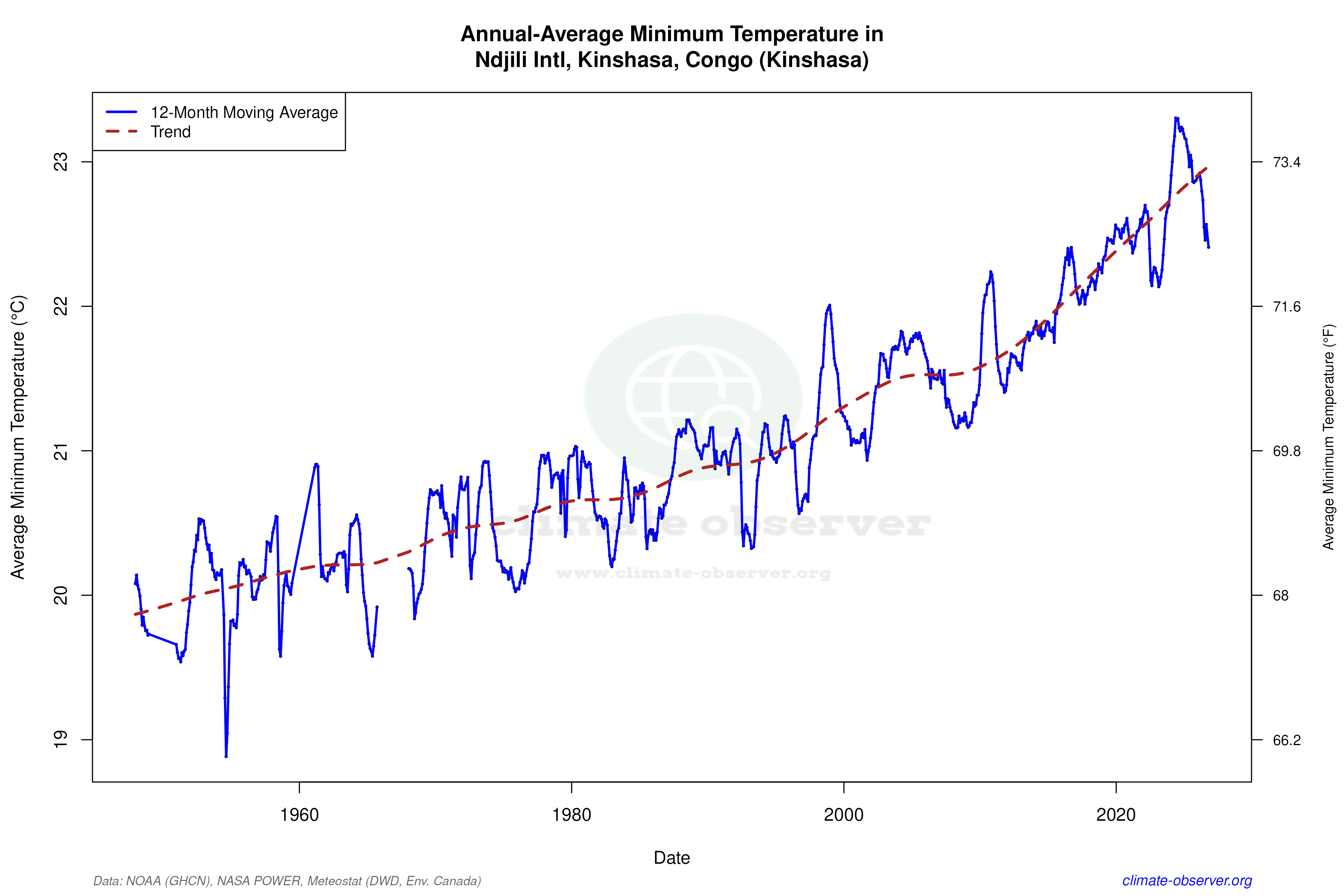
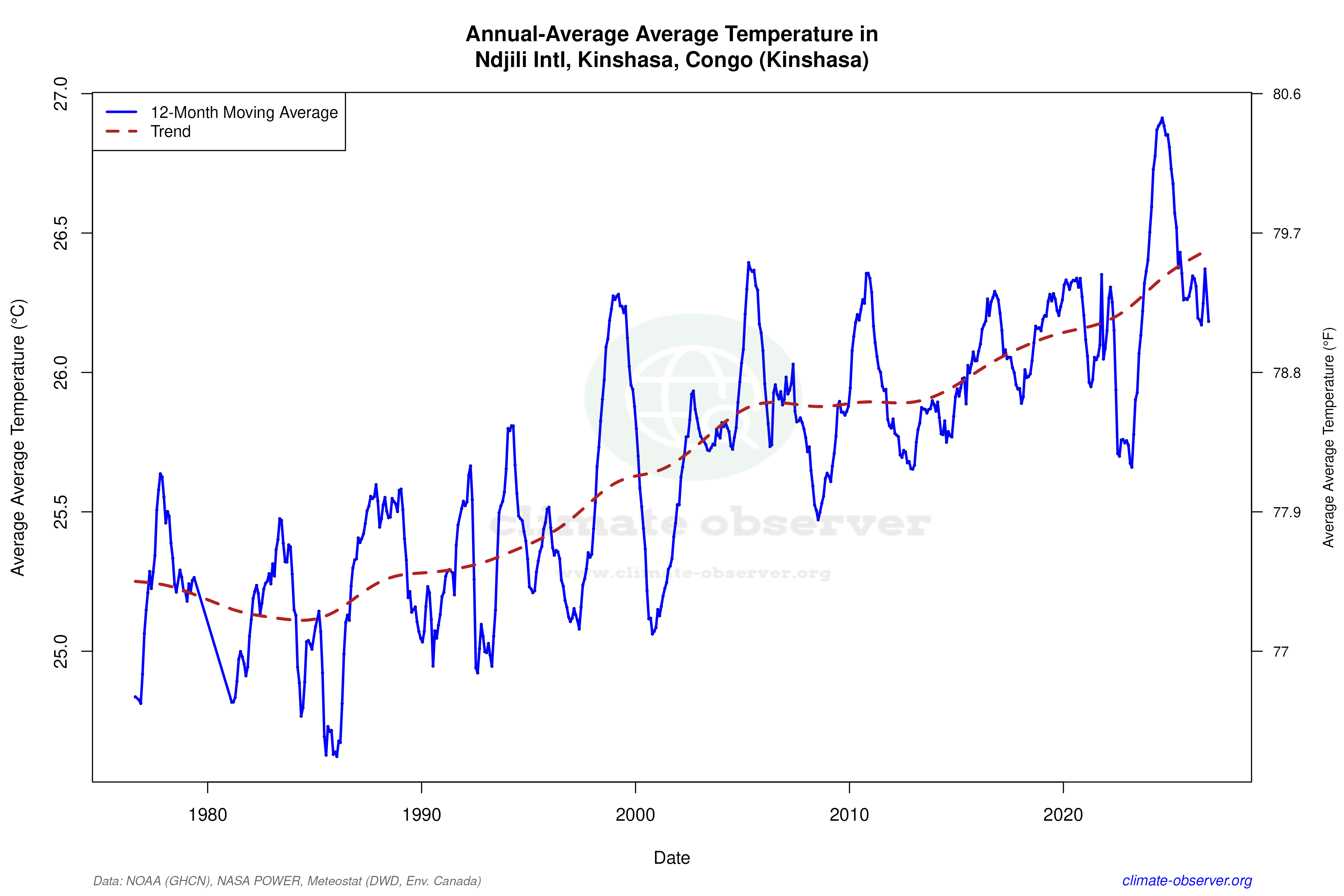

Max Temperature 12-Month MA | 1 of 6
Daily Data Points and Averages Throughout the Year
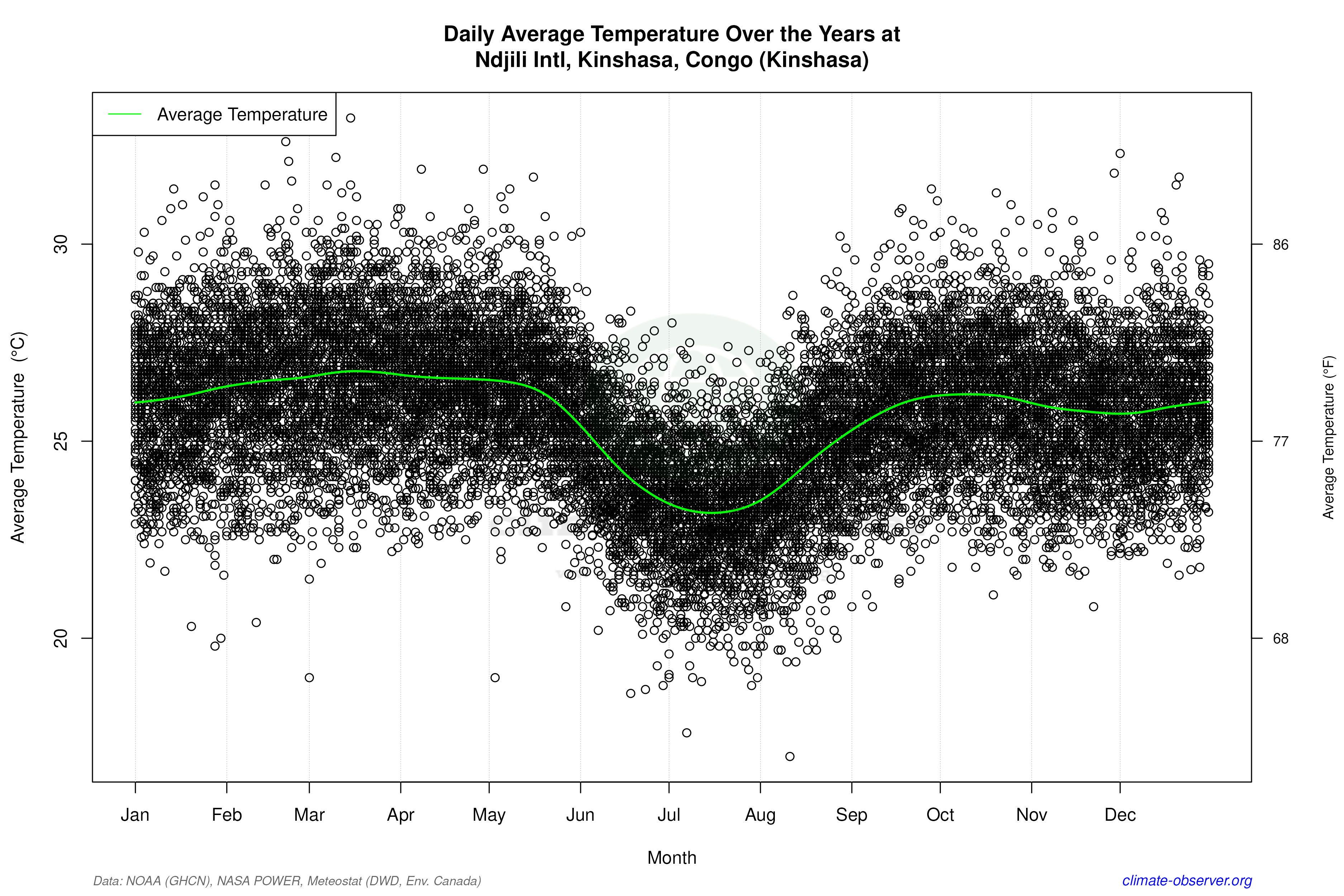
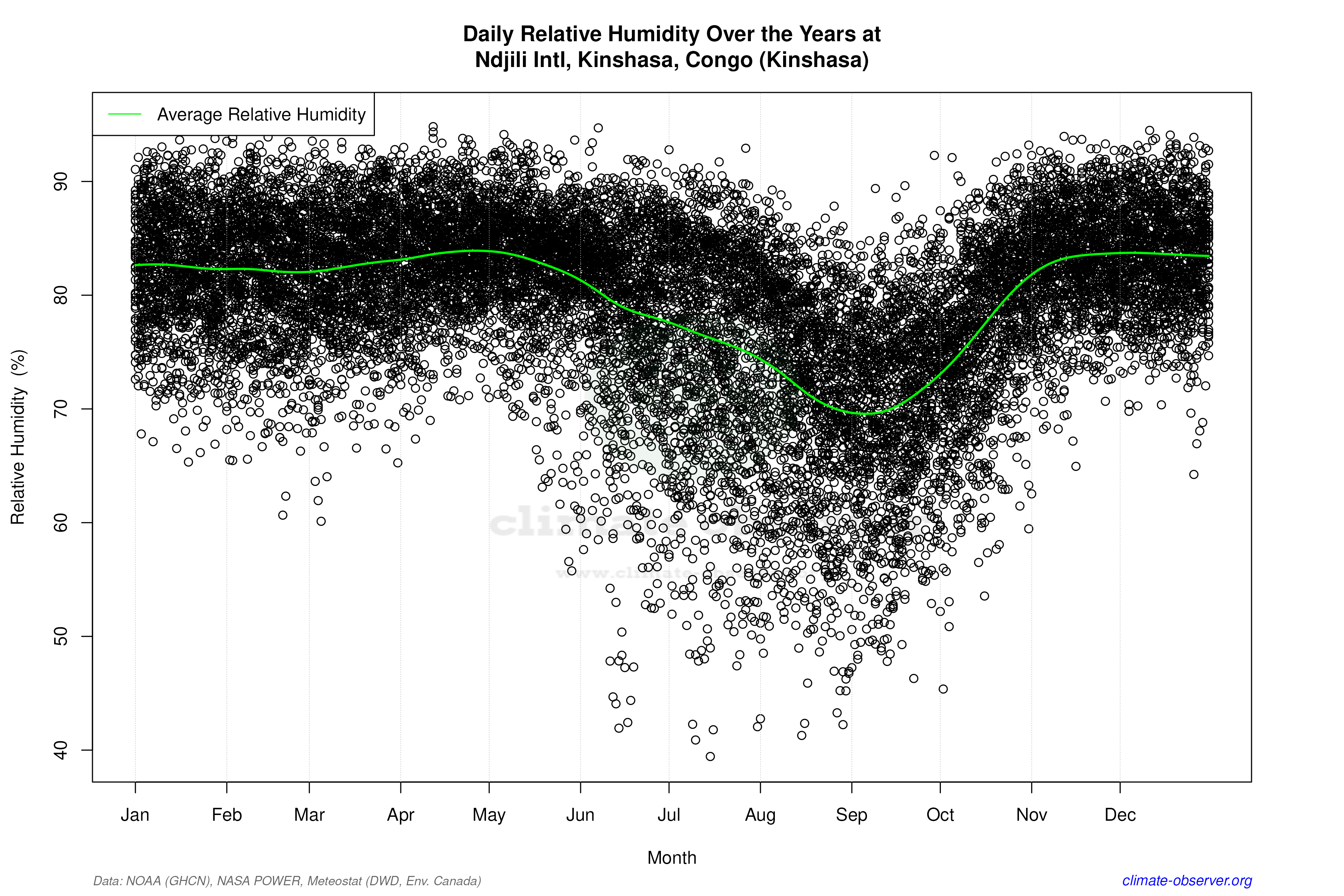

Average Max Temperature Throughout Year | 1 of 5


