Climate for Station: Golmud, Qinghai, China
Loading live weather...
Climate Analysis & Overview
Golmud's climate is experiencing a nuanced shift. While all-time trends indicate a slight warming, recent 10-year data shows a more complex pattern with rising highs and falling lows. Precipitation patterns have become marginally more even, suggesting subtle changes in weather dynamics.
Geographical Influence on Climate
Golmud, located in the vast expanse of the Qinghai-Tibet Plateau, is characterised by its cold desert climate, classified as BWk under the Köppen system. This region's high altitude and arid conditions play a significant role in shaping its climate. The surrounding mountains act as barriers, limiting moisture influx and contributing to the area's low precipitation levels. The geographical isolation and elevation lead to significant temperature variations between day and night.
Temperature Dynamics: A Tale of Two Trends
The all-time temperature trends for Golmud reveal a subtle warming, with highs increasing by 0.33°C (0.59°F) and lows rising by 0.75°C (1.35°F). This gradual warming aligns with broader regional climate patterns observed across China. However, the past decade presents a more complex picture. High temperatures have surged by 2.02°C (3.64°F), while low temperatures have intriguingly decreased by 1.11°C (2.00°F). This divergence suggests potential shifts in local atmospheric conditions or increased variability, possibly linked to broader climatic changes.
Precipitation Patterns: Marginal Adjustments
Golmud's Precipitation Concentration Index (PCI) has shown a slight decrease from a baseline of 21.84 to 21.15. The PCI measures how precipitation is distributed over time, with higher values indicating concentration in fewer events. The current PCI still indicates highly concentrated rainfall, typical of desert climates, but the marginal decrease suggests a trend towards slightly more evenly distributed precipitation. This could imply subtle changes in atmospheric circulation or local weather patterns.
Record Extremes: The Limits of Golmud's Climate
The city's climate extremes are defined by a record high of 36.1°C (96.98°F) and a record low of -33.6°C (-28.48°F). These extremes highlight the significant temperature range experienced in Golmud, a characteristic of its desert climate. Such variability underscores the challenges of predicting weather patterns in this region, where rapid temperature changes can occur.
Contextualising Climate Goals
China's regional climate goals focus on mitigating the impacts of climate change and enhancing resilience. Golmud's evolving climate trends, particularly the recent temperature fluctuations, could inform local adaptation strategies. Understanding these patterns is crucial for developing effective policies to address the unique challenges posed by the region's extreme and variable climate.
Station Statistics
10-Year Trend
High: +3.37 °C/decade
Low: +1.62 °C/decade
Rain: +0.04 mm/decade
25-Year Trend
High: +0.20 °C/decade
Low: -0.34 °C/decade
Rain: +0.04 mm/decade
50-Year Trend
High: +0.35 °C/decade
Low: +0.34 °C/decade
Rain: +0.01 mm/decade
All-Time Trend
High: +0.17 °C/decade
Low: +0.53 °C/decade
Rain: +0.01 mm/decade
Percentage Above-Average Days
Last 12 Months: 51.0%
This Year: 53.4%
Precipitation Concentration Index (PCI) ℹ️
Last 12 Months: 44.8
Historical Average: 25.9
Percentile Rank of Last 12 Months ℹ️
High: 62nd percentile
Low: 81st percentile
Rain: 100th percentile
Change in Variance ℹ️
High: -0.4%
Low: -10.2%
Intraday: -20.9%
Data Coverage
99.9%
First Year of Data
1977
Station Location
Historical Weather Records
| Max High | Avg High | Min High | Max Avg | Avg Avg | Min Avg | Max Low | Avg Low | Min Low | Max Precipitation | Avg Precipitation | Max Snow | Avg Snow | |
|---|---|---|---|---|---|---|---|---|---|---|---|---|---|
| Record | 36.1 °C | — | -16.5 °C | 26.6 °C | — | -24.2 °C | 20.2 °C | — | -33.6 °C | 158.2 mm | — | — | — |
| January | 13.9 °C | -1.0 °C | -16.5 °C | 2.5 °C | -9.1 °C | -24.2 °C | -2.2 °C | -15.7 °C | -33.6 °C | 2.5 mm | 0.0 mm | — | — |
| February | 18.0 °C | 3.3 °C | -16.3 °C | 8.5 °C | -4.9 °C | -21.2 °C | 3.1 °C | -11.9 °C | -26.6 °C | 2.1 mm | 0.0 mm | — | — |
| March | 24.3 °C | 9.2 °C | -5.2 °C | 15.1 °C | 1.0 °C | -12.2 °C | 6.4 °C | -6.2 °C | -26.1 °C | 4.1 mm | 0.0 mm | — | — |
| April | 31.3 °C | 15.0 °C | -2.0 °C | 20.2 °C | 7.2 °C | -6.9 °C | 10.6 °C | -0.2 °C | -13.4 °C | 23.8 mm | 0.1 mm | — | — |
| May | 31.0 °C | 19.4 °C | 5.5 °C | 21.6 °C | 12.1 °C | 0.4 °C | 14.6 °C | 4.9 °C | -7.8 °C | 9.5 mm | 0.1 mm | — | — |
| June | 32.7 °C | 22.8 °C | 10.4 °C | 24.3 °C | 15.9 °C | 4.4 °C | 18.2 °C | 9.3 °C | -5.2 °C | 21.6 mm | 0.3 mm | — | — |
| July | 36.1 °C | 25.5 °C | 11.3 °C | 26.4 °C | 18.4 °C | 8.6 °C | 19.1 °C | 11.7 °C | 1.9 °C | 32.0 mm | 0.4 mm | — | — |
| August | 35.5 °C | 24.7 °C | 10.8 °C | 26.6 °C | 17.5 °C | 8.4 °C | 20.2 °C | 10.9 °C | -1.4 °C | 11.3 mm | 0.3 mm | — | — |
| September | 31.0 °C | 19.8 °C | 10.3 °C | 21.5 °C | 12.5 °C | 4.0 °C | 16.2 °C | 6.1 °C | -8.2 °C | 14.3 mm | 0.2 mm | — | — |
| October | 27.3 °C | 13.3 °C | -3.4 °C | 16.2 °C | 5.1 °C | -11.0 °C | 10.2 °C | -1.5 °C | -20.2 °C | 158.2 mm | 0.1 mm | — | — |
| November | 20.2 °C | 5.6 °C | -8.0 °C | 9.6 °C | -2.8 °C | -18.2 °C | 2.5 °C | -9.2 °C | -25.4 °C | 3.3 mm | 0.0 mm | — | — |
| December | 11.0 °C | 0.1 °C | -10.8 °C | 0.9 °C | -8.1 °C | -20.5 °C | -2.7 °C | -14.5 °C | -28.5 °C | 2.1 mm | 0.0 mm | — | — |
Data Visualisations
Remove WatermarksCurrent Year Climate Trends vs Historical
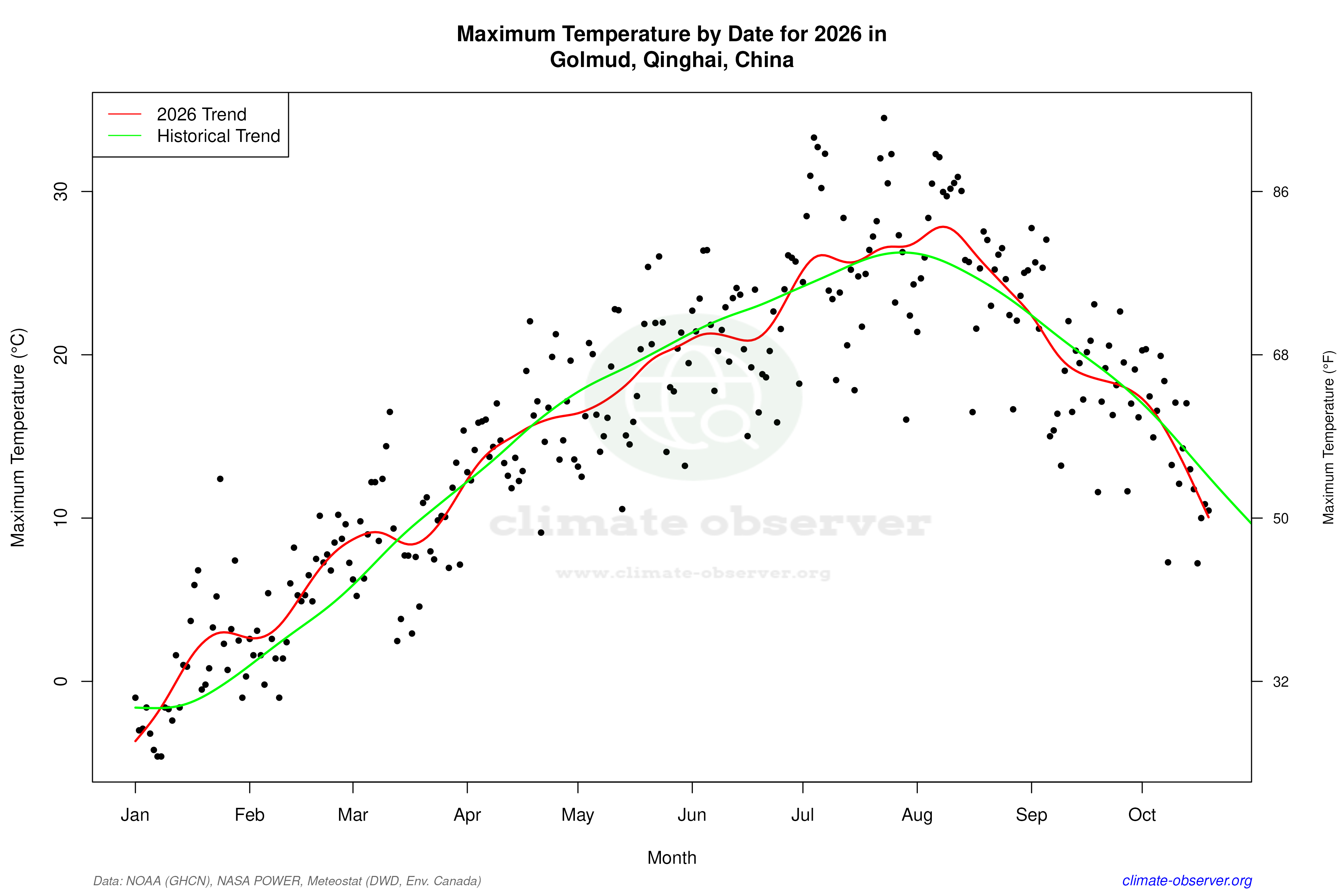
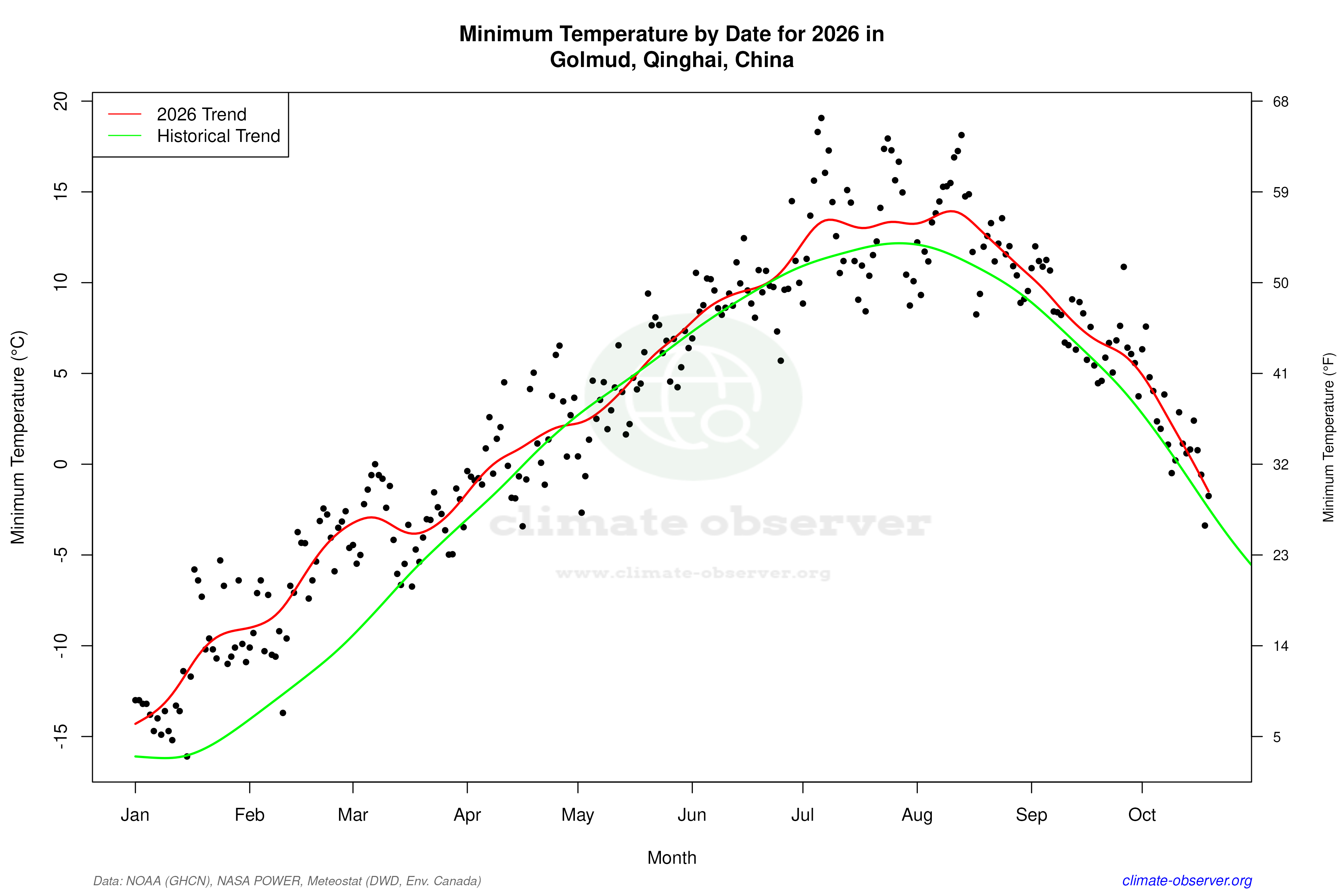
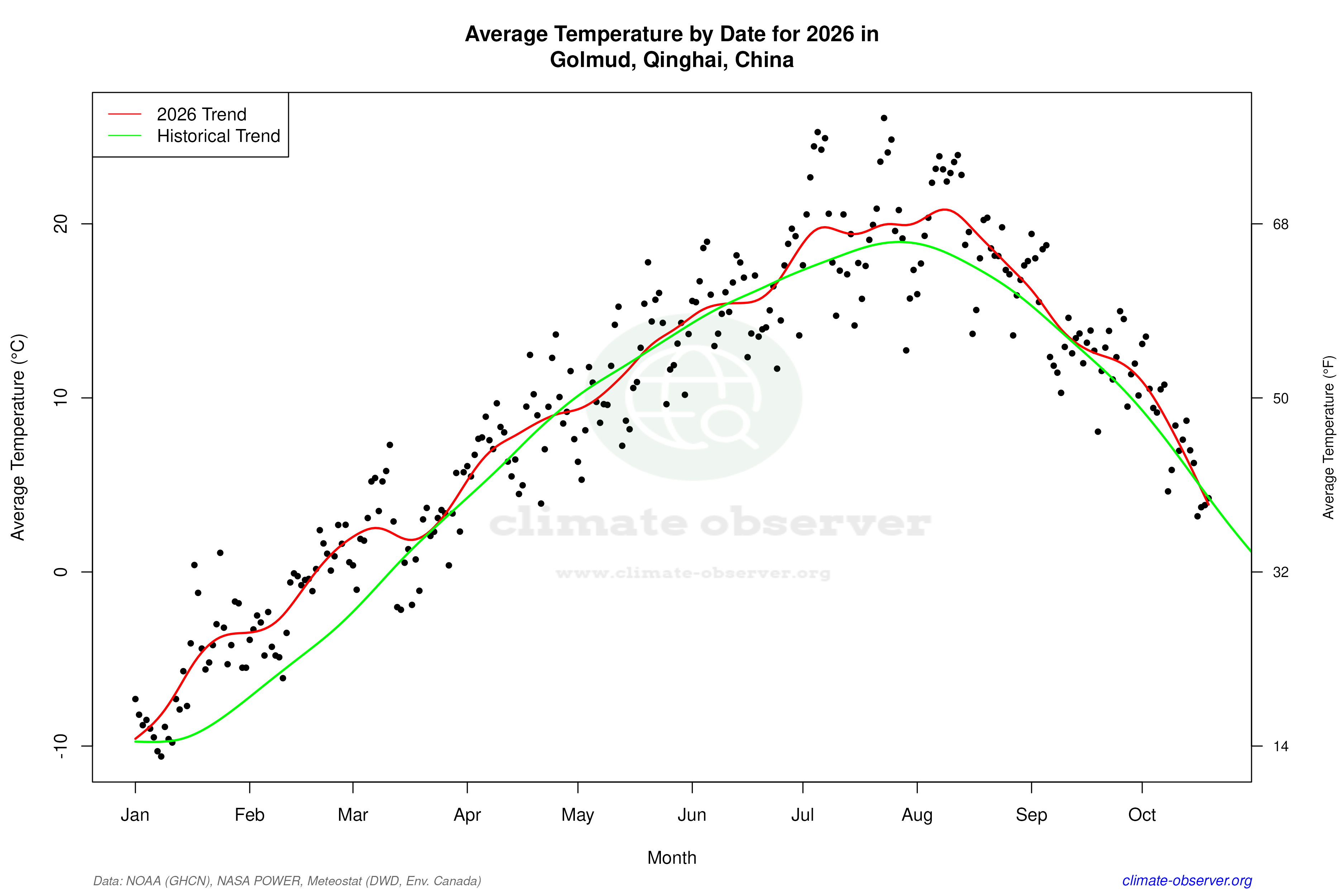
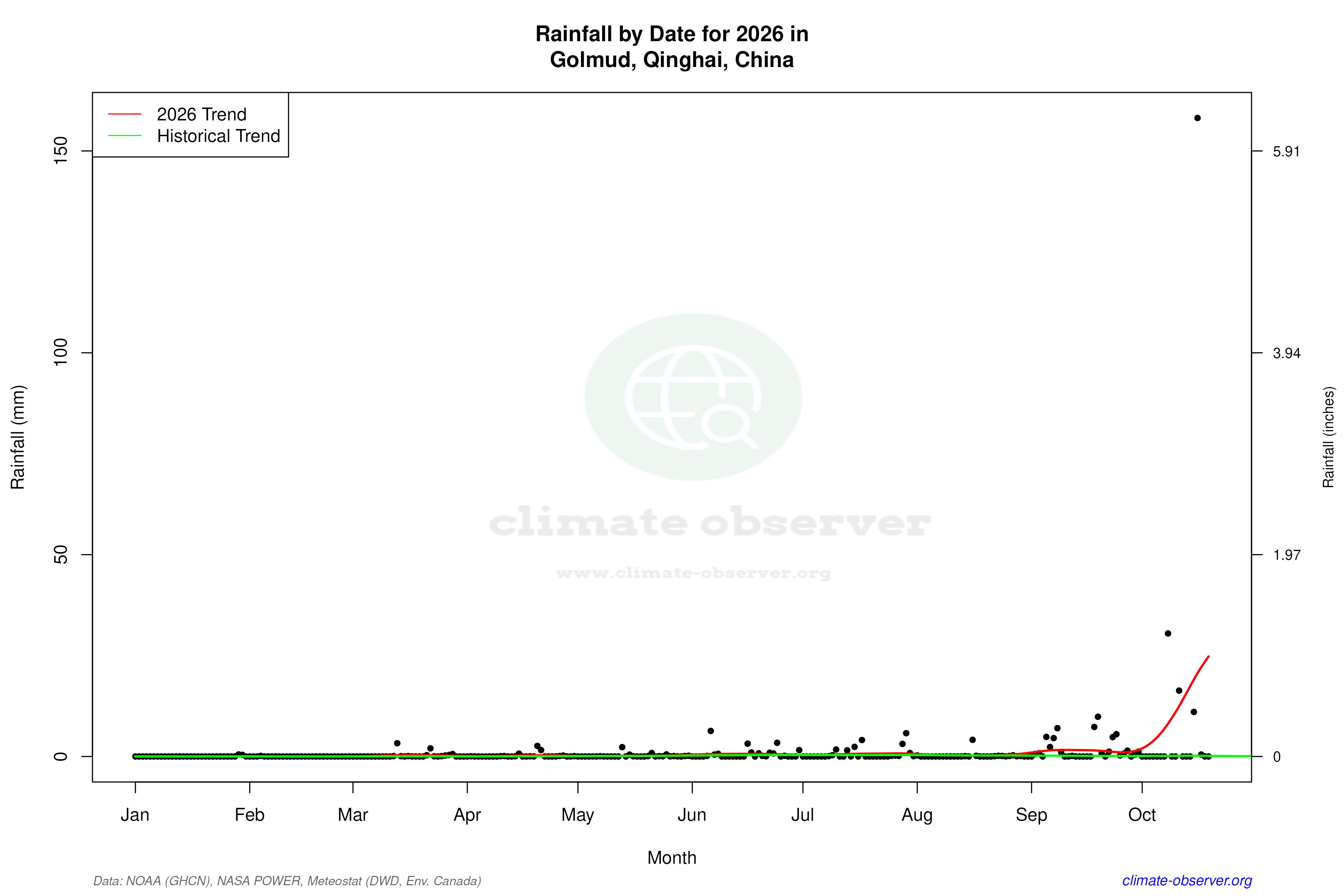
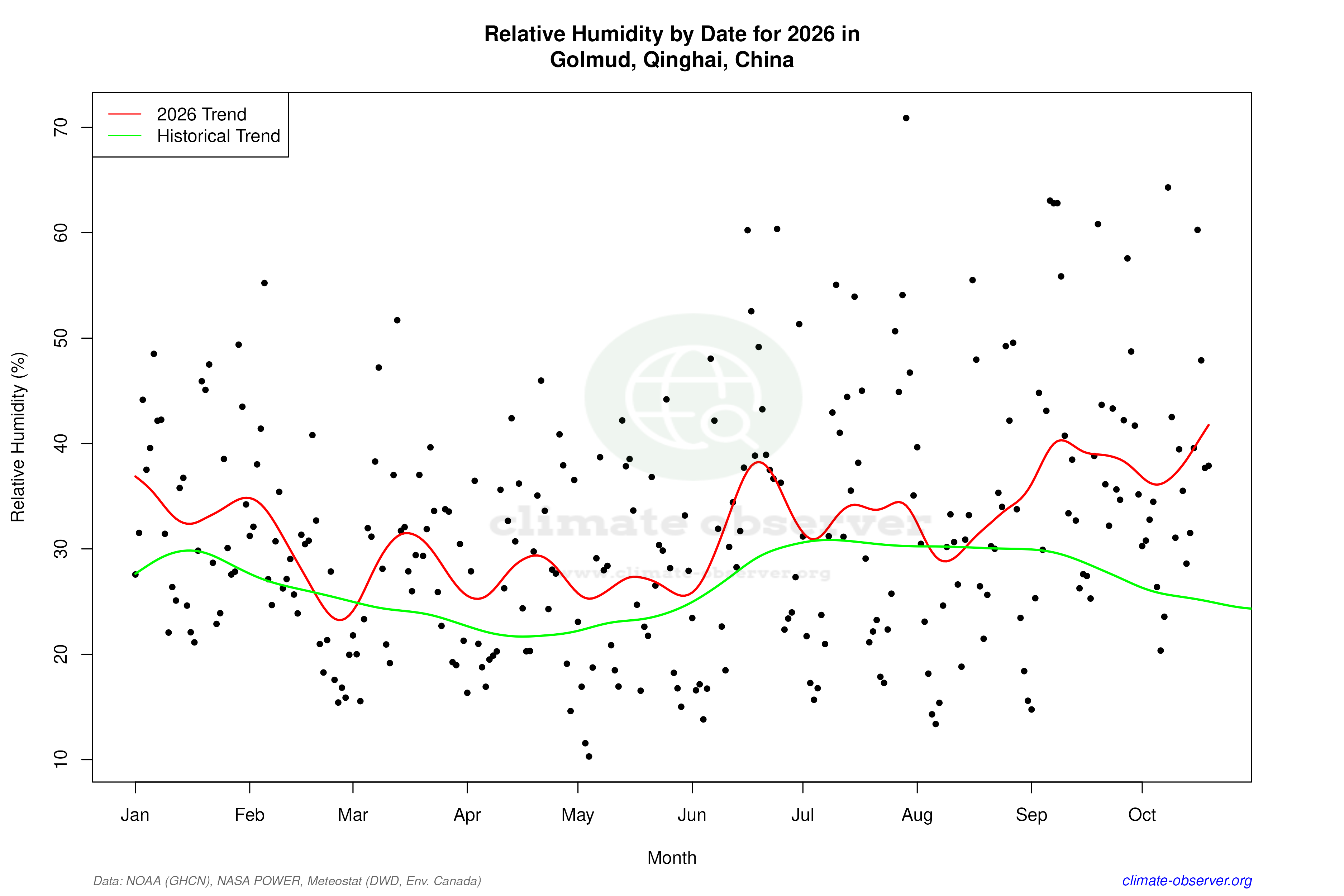

Max Temperature this Year | 1 of 6
Climate 12-Month Moving Averages
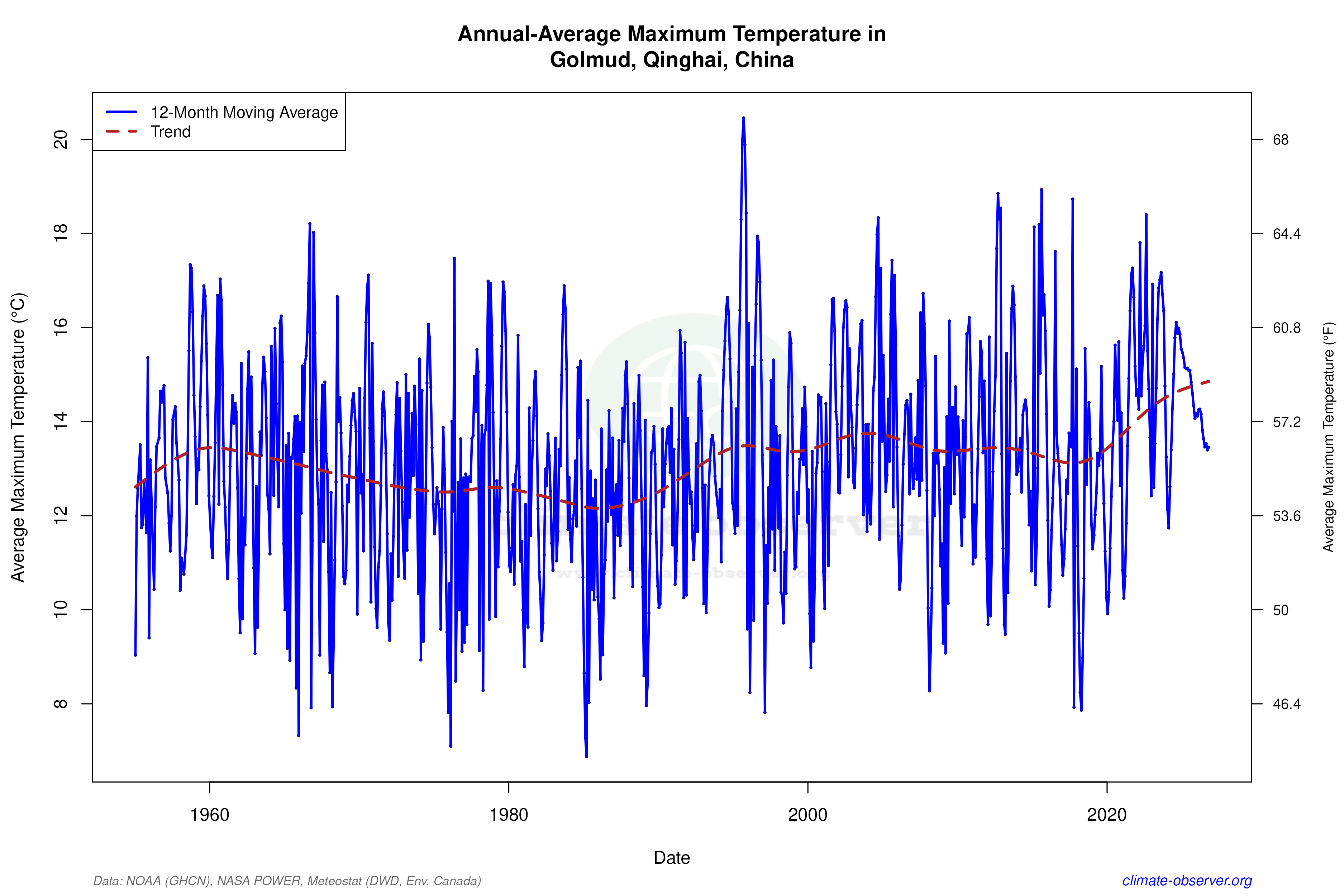
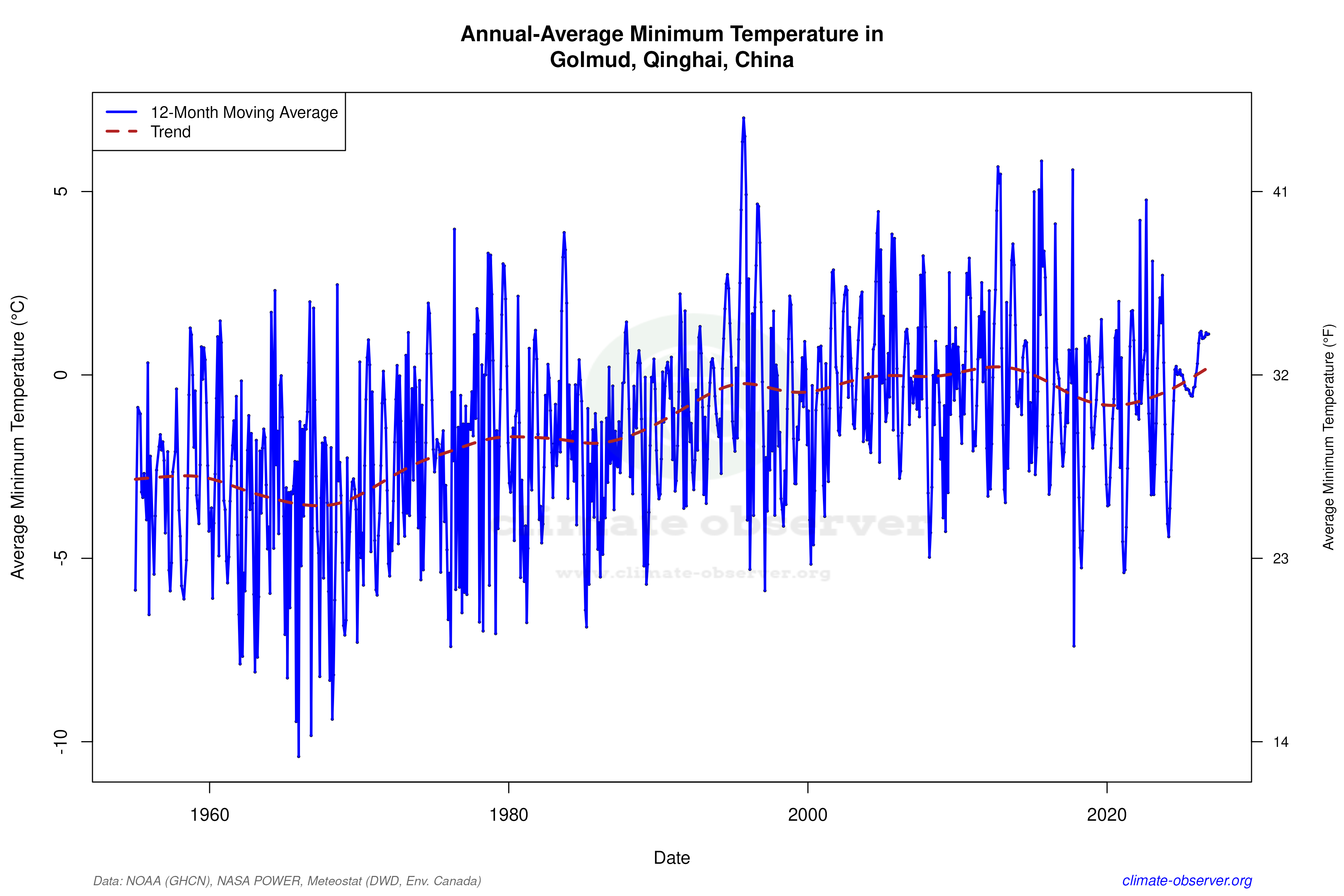
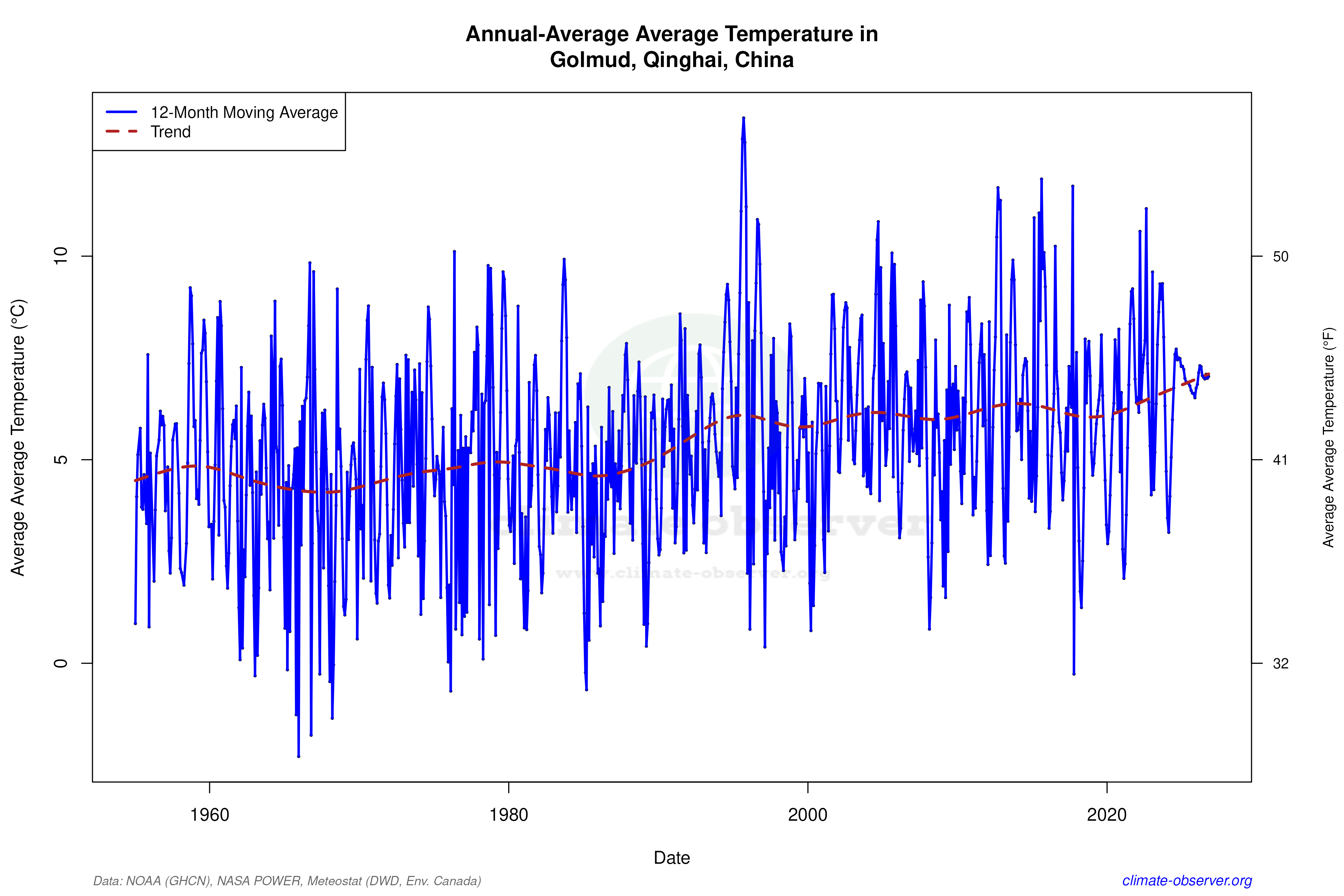
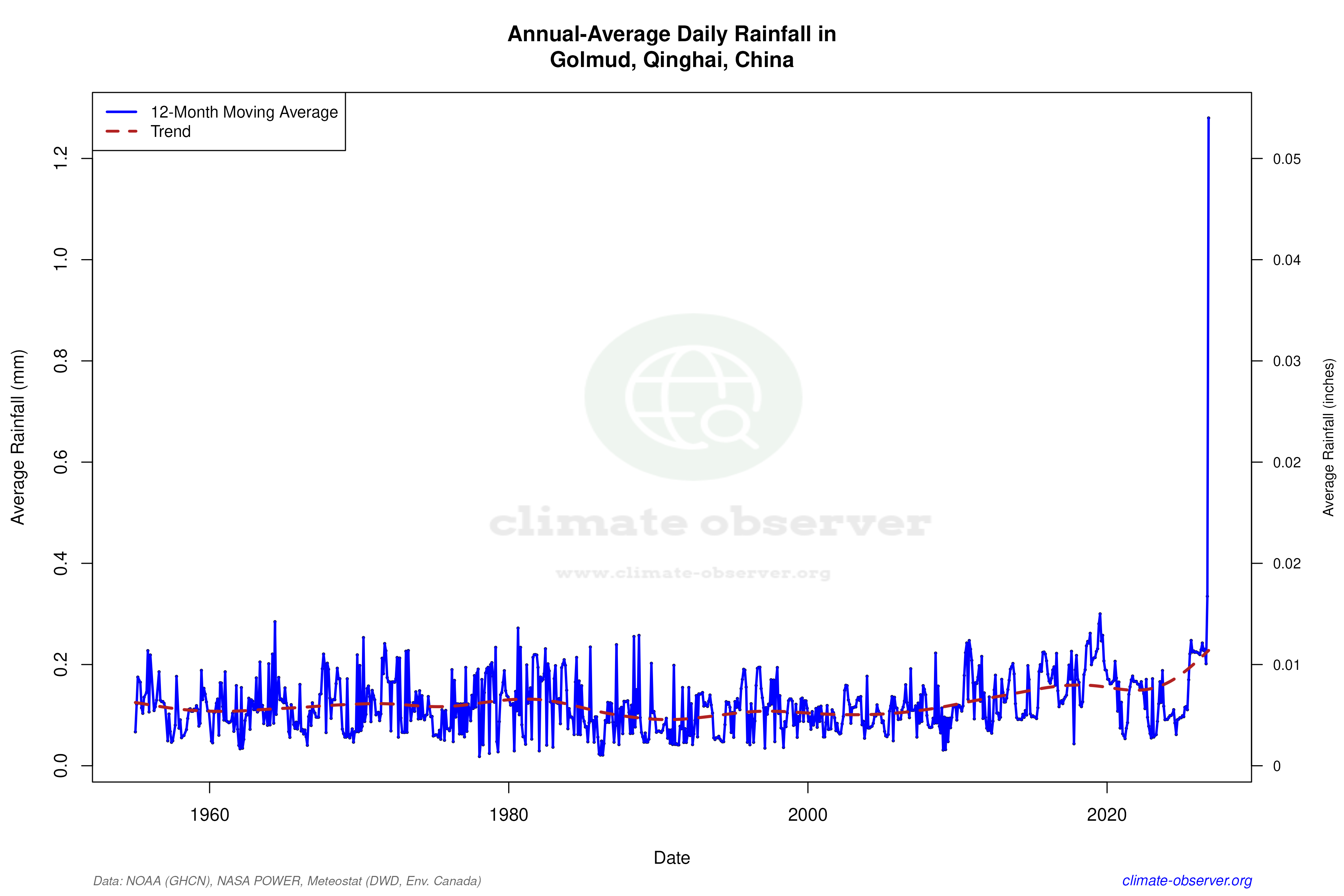
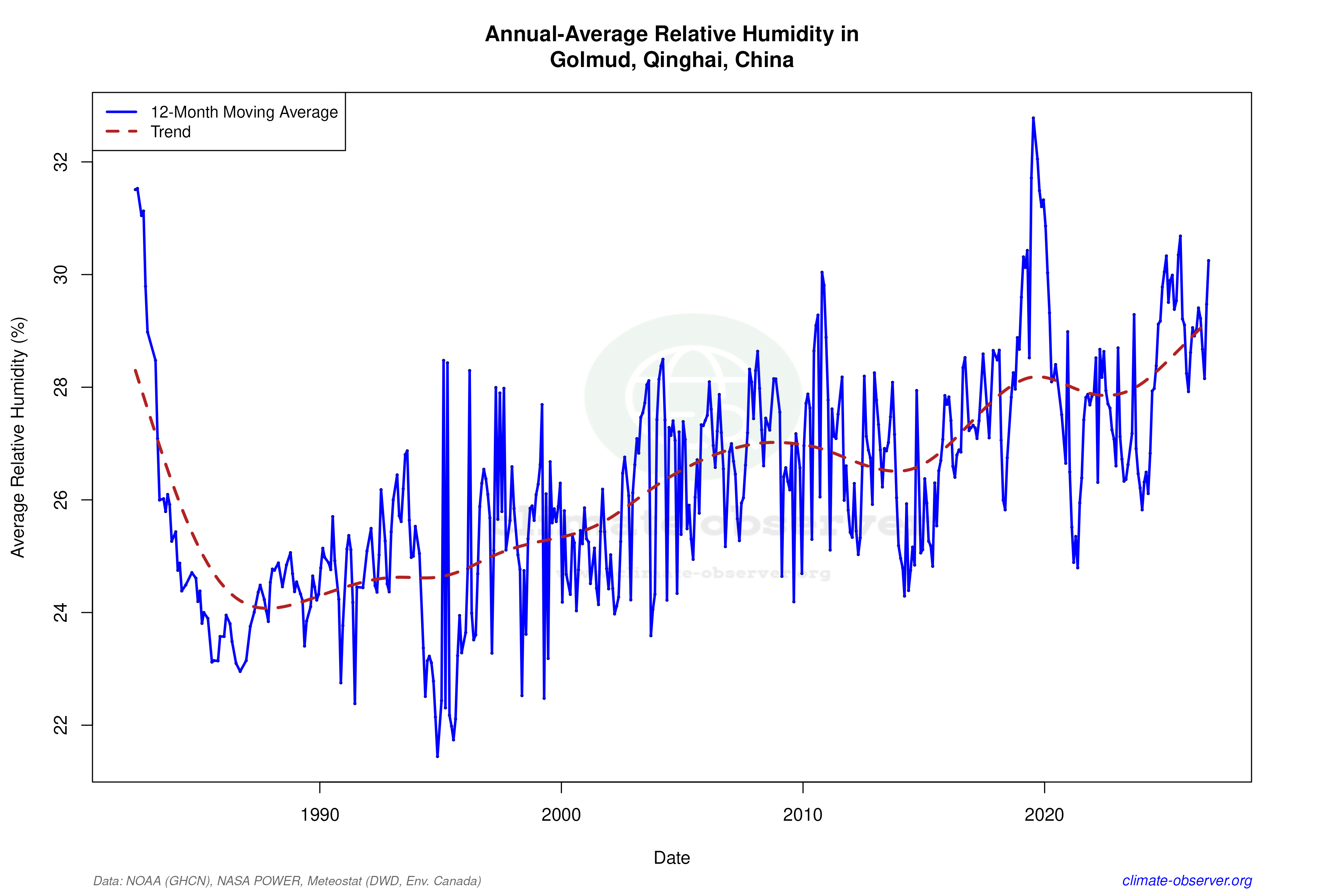

Max Temperature 12-Month MA | 1 of 6
Daily Data Points and Averages Throughout the Year
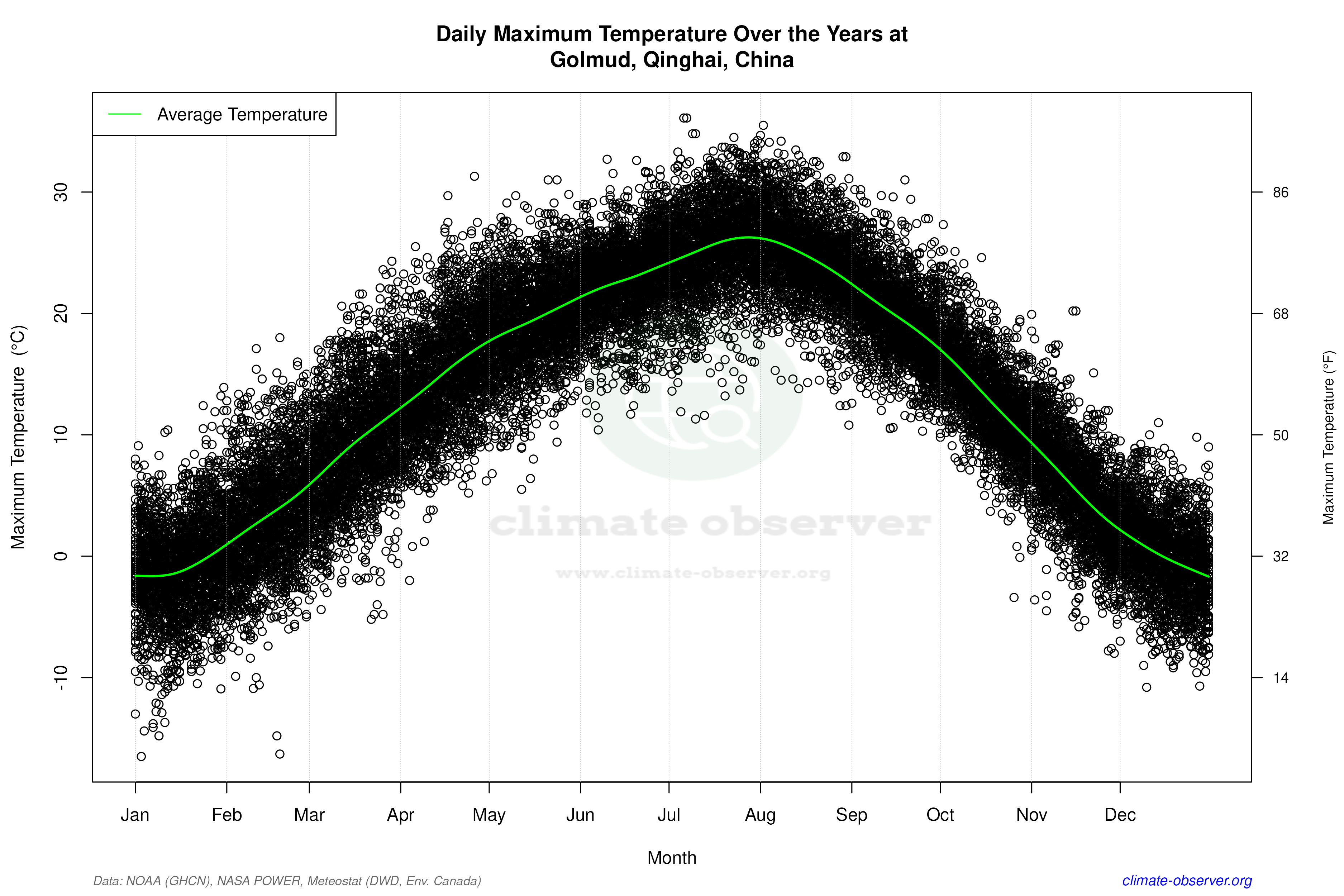
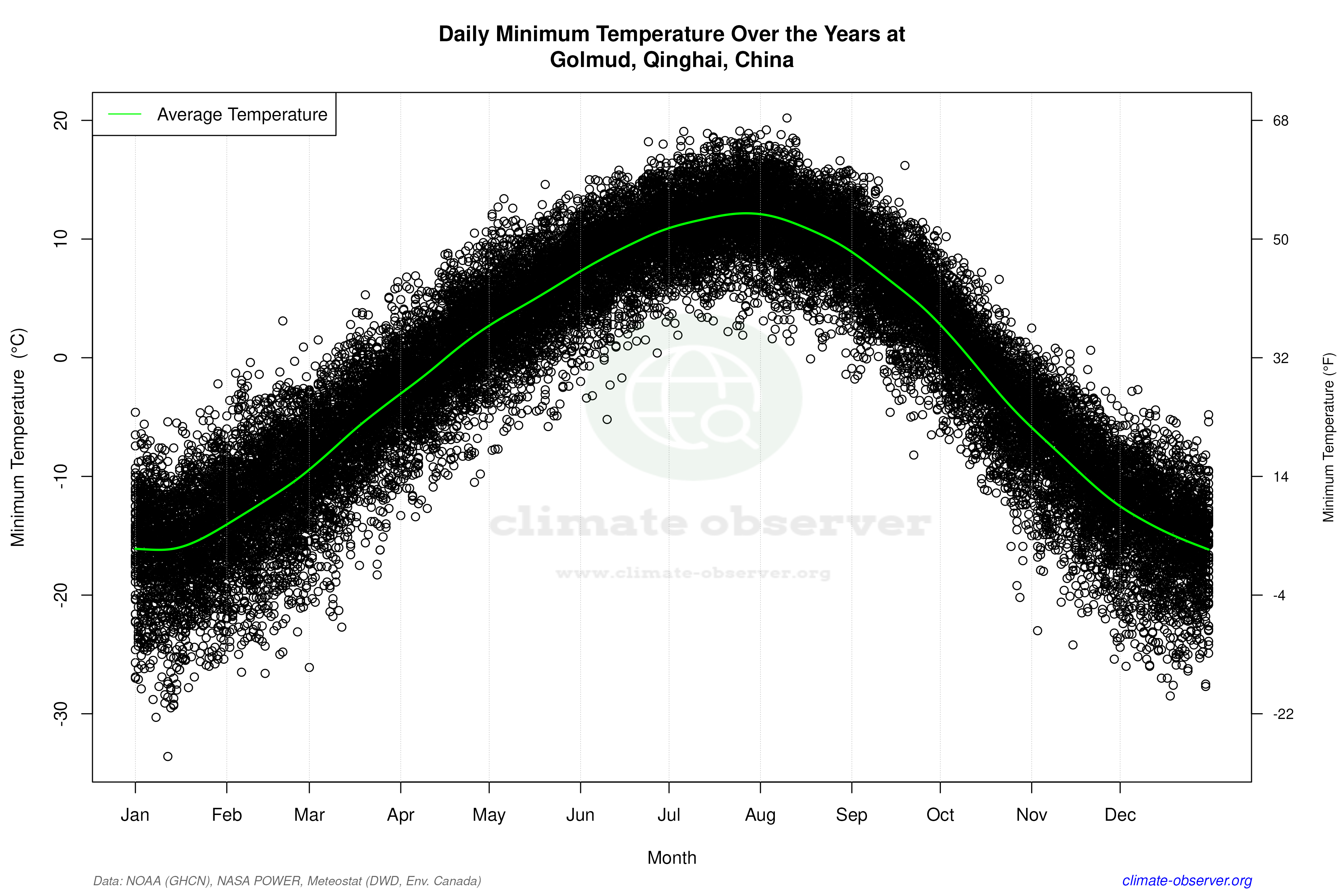
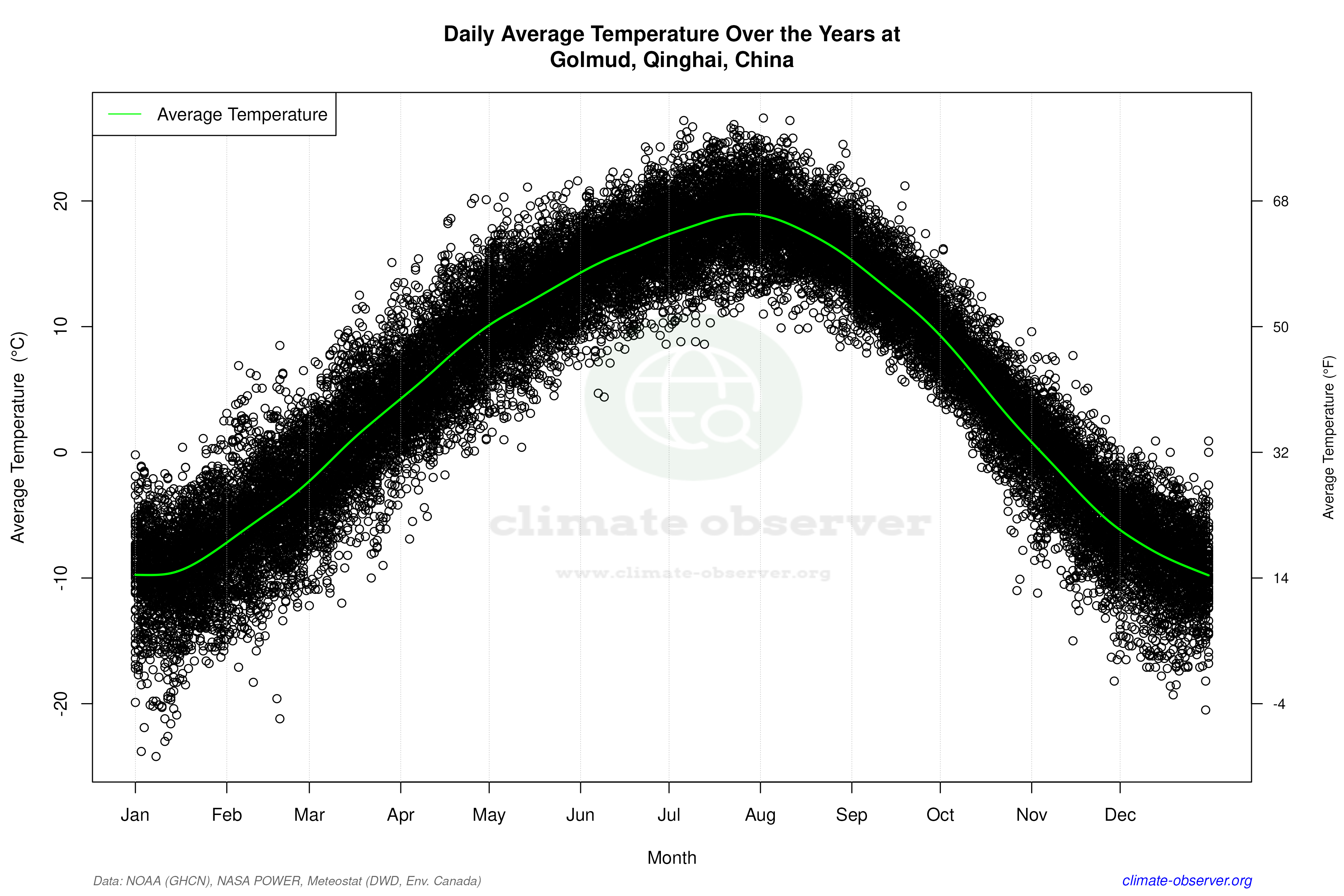
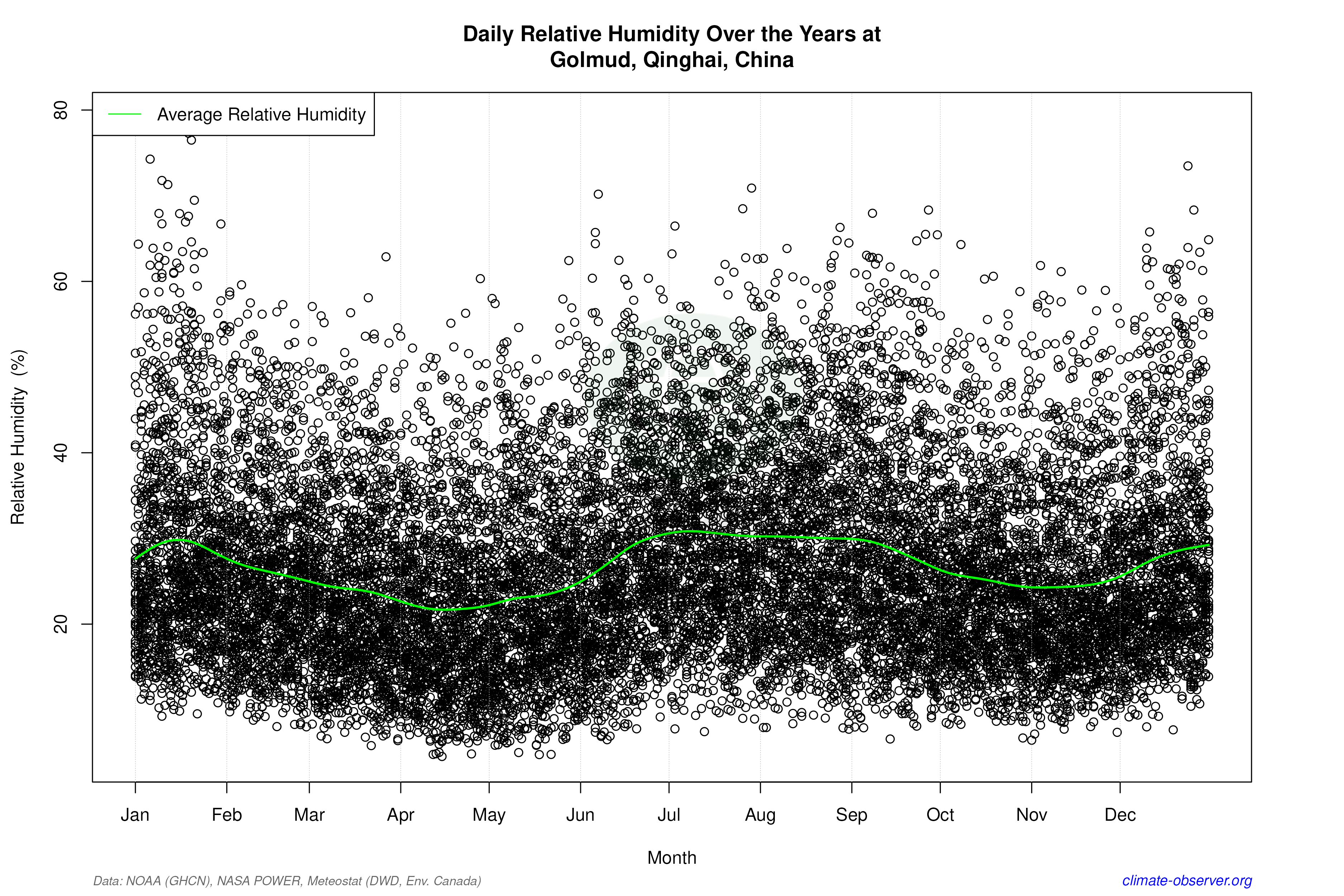

Average Max Temperature Throughout Year | 1 of 5


