Climate for Station: Incheon, Korea, South
Loading live weather...
Climate Analysis & Overview
Incheon is experiencing a warming trend with noticeable increases in both high and low temperatures over the past decade. The city's precipitation is becoming more evenly distributed, reflecting a significant change in the Precipitation Concentration Index.
Warming Trends in Incheon
Incheon, located at coordinates 37.467, 126.633, is classified under the Köppen climate classification as a humid continental climate (Dwa), characterized by cold, dry winters and hot, humid summers. This coastal city, bordered by the Yellow Sea, is experiencing a warming trend, particularly evident over the last decade. The 10-year trend reveals a rise in high temperatures by 0.22°C (0.40°F) and a more pronounced increase in low temperatures by 0.62°C (1.11°F). Over a longer timeframe, the all-time trends show a consistent warming pattern with highs increasing by 0.20°C (0.36°F) and lows by 0.30°C (0.54°F). This warming is consistent with broader regional trends and aligns with South Korea's climate goals to monitor and adapt to changing temperatures.
Temperature Extremes and Records
Incheon's temperature records highlight the city's climatic extremes. The highest recorded temperature is 38.9°C (102.0°F), while the lowest drops to a frigid -20.0°C (-4.0°F). These records underscore the city's vulnerability to temperature fluctuations, influenced by its geographical position and urban heat effects. The warming trends observed in both highs and lows suggest that Incheon may experience even more extreme temperatures in the future.
Precipitation Patterns and Changes
The Precipitation Concentration Index (PCI) is a measure of how rainfall is distributed throughout the year. A decrease in PCI from a baseline of 18.97 to a current value of 14.24 indicates that precipitation in Incheon is becoming more evenly distributed over time. This significant change suggests a shift from concentrated heavy rainfall events to a more consistent distribution, which could have implications for water management and flood risk in the city.
Implications of Coastal Geography
Incheon's coastal location plays a crucial role in its climate dynamics. The proximity to the Yellow Sea moderates temperatures, contributing to milder winters compared to inland areas. However, this also means that Incheon is susceptible to sea-level rise and storm surges, which are exacerbated by the warming trends. The city's efforts to adapt to these changes are critical, particularly in light of recent weather events that have highlighted the need for robust climate resilience strategies.
Regional Climate Goals
South Korea has been proactive in setting regional climate goals, focusing on reducing greenhouse gas emissions and enhancing climate resilience. Incheon's warming trends and changing precipitation patterns are important indicators for policymakers and scientists working towards these objectives. The data from Incheon provides valuable insights into the broader climatic shifts occurring across the Korean Peninsula, informing both local and national climate action plans.
Station Statistics
10-Year Trend
High: +0.35 °C/decade
Low: +0.74 °C/decade
Rain: +0.95 mm/decade
25-Year Trend
High: -0.47 °C/decade
Low: +0.40 °C/decade
Rain: -0.31 mm/decade
50-Year Trend
High: +0.28 °C/decade
Low: +0.42 °C/decade
Rain: +0.21 mm/decade
All-Time Trend
High: +0.14 °C/decade
Low: +0.22 °C/decade
Rain: +0.08 mm/decade
Percentage Above-Average Days
Last 12 Months: 57.8%
This Year: 70.1%
Precipitation Concentration Index (PCI) ℹ️
Last 12 Months: 18.1
Historical Average: 18.9
Percentile Rank of Last 12 Months ℹ️
High: 57th percentile
Low: 67th percentile
Rain: 61st percentile
Change in Variance ℹ️
High: -1.4%
Low: +3.3%
Intraday: -13.7%
Data Coverage
96.7%
First Year of Data
1950
Station Location
Historical Weather Records
| Max High | Avg High | Min High | Max Avg | Avg Avg | Min Avg | Max Low | Avg Low | Min Low | Max Precipitation | Avg Precipitation | Max Snow | Avg Snow | |
|---|---|---|---|---|---|---|---|---|---|---|---|---|---|
| Record | 38.9 °C | — | -12.0 °C | 31.9 °C | — | -15.7 °C | 29.1 °C | — | -20.0 °C | 228.0 mm | — | — | — |
| January | 15.8 °C | 1.3 °C | -12.0 °C | 12.4 °C | -2.7 °C | -15.7 °C | 8.2 °C | -6.1 °C | -20.0 °C | 53.0 mm | 0.7 mm | — | — |
| February | 18.2 °C | 3.7 °C | -9.2 °C | 15.1 °C | -0.3 °C | -13.6 °C | 8.3 °C | -3.9 °C | -18.3 °C | 48.0 mm | 0.9 mm | — | — |
| March | 23.1 °C | 9.0 °C | -6.0 °C | 16.4 °C | 4.9 °C | -9.0 °C | 12.4 °C | 1.1 °C | -11.0 °C | 69.6 mm | 1.4 mm | — | — |
| April | 32.7 °C | 15.6 °C | 1.9 °C | 23.4 °C | 11.3 °C | -0.7 °C | 17.2 °C | 7.2 °C | -7.7 °C | 102.0 mm | 2.6 mm | — | — |
| May | 31.2 °C | 21.0 °C | 9.4 °C | 25.5 °C | 16.7 °C | 7.9 °C | 20.1 °C | 12.5 °C | 0.4 °C | 106.0 mm | 2.9 mm | — | — |
| June | 34.6 °C | 24.9 °C | 15.0 °C | 28.1 °C | 21.0 °C | 13.6 °C | 24.5 °C | 17.3 °C | 6.4 °C | 153.0 mm | 3.9 mm | — | — |
| July | 37.2 °C | 27.6 °C | 15.4 °C | 31.8 °C | 24.6 °C | 14.6 °C | 28.2 °C | 21.7 °C | 10.0 °C | 228.0 mm | 10.0 mm | — | — |
| August | 38.9 °C | 29.0 °C | 19.0 °C | 31.9 °C | 25.6 °C | 17.2 °C | 29.1 °C | 22.6 °C | 11.7 °C | 207.0 mm | 8.3 mm | — | — |
| September | 34.1 °C | 25.3 °C | 15.4 °C | 29.1 °C | 21.0 °C | 10.8 °C | 26.2 °C | 17.4 °C | 7.7 °C | 213.0 mm | 4.9 mm | — | — |
| October | 28.5 °C | 19.4 °C | 5.6 °C | 23.8 °C | 14.5 °C | 2.1 °C | 21.6 °C | 10.6 °C | -1.0 °C | 80.0 mm | 1.7 mm | — | — |
| November | 23.9 °C | 11.6 °C | -4.8 °C | 19.9 °C | 7.2 °C | -7.9 °C | 17.8 °C | 3.5 °C | -12.0 °C | 55.0 mm | 1.7 mm | — | — |
| December | 17.5 °C | 4.0 °C | -10.9 °C | 12.9 °C | 0.1 °C | -15.0 °C | 10.0 °C | -3.4 °C | -19.2 °C | 51.0 mm | 0.7 mm | — | — |
Data Visualisations
Remove WatermarksCurrent Year Climate Trends vs Historical
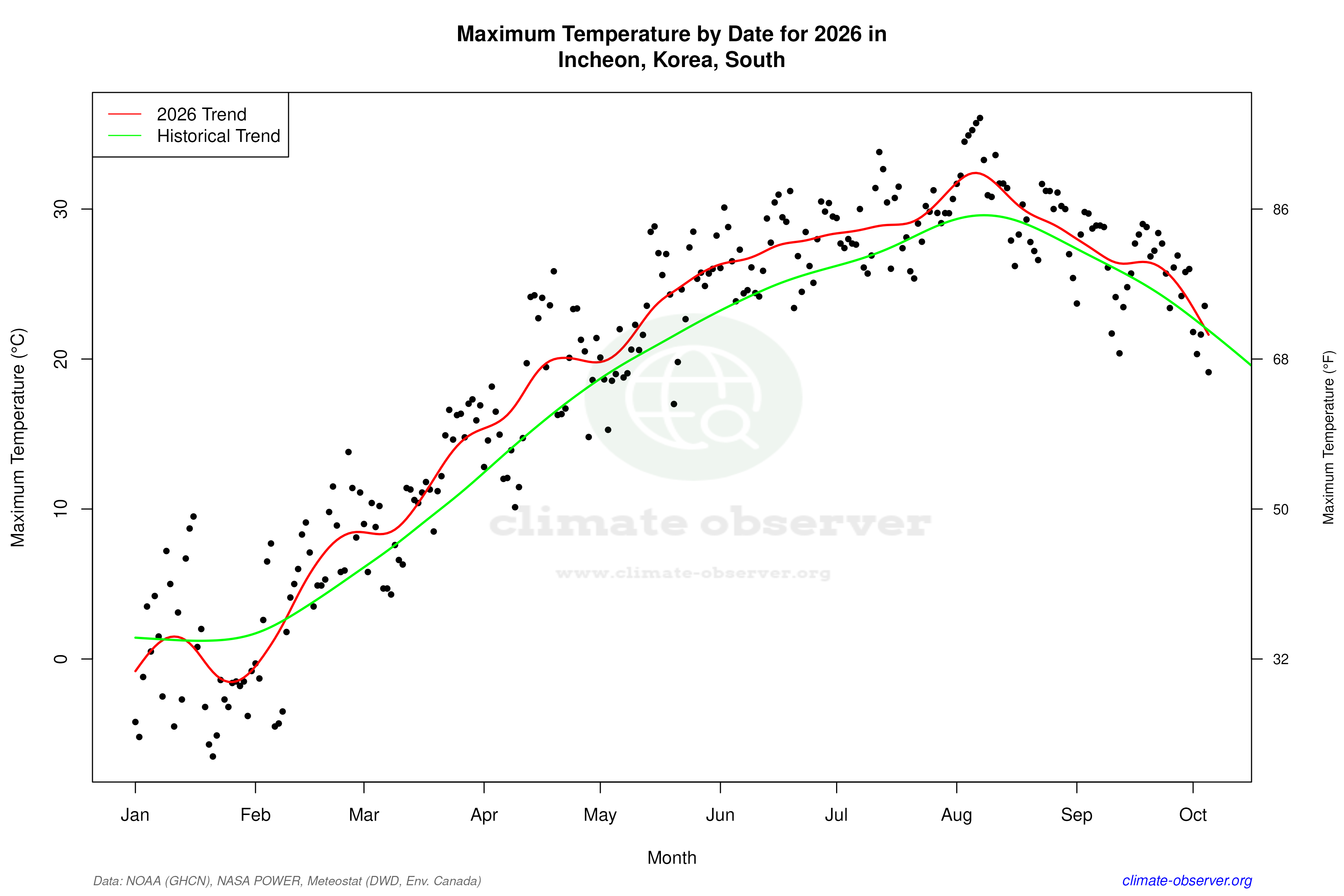
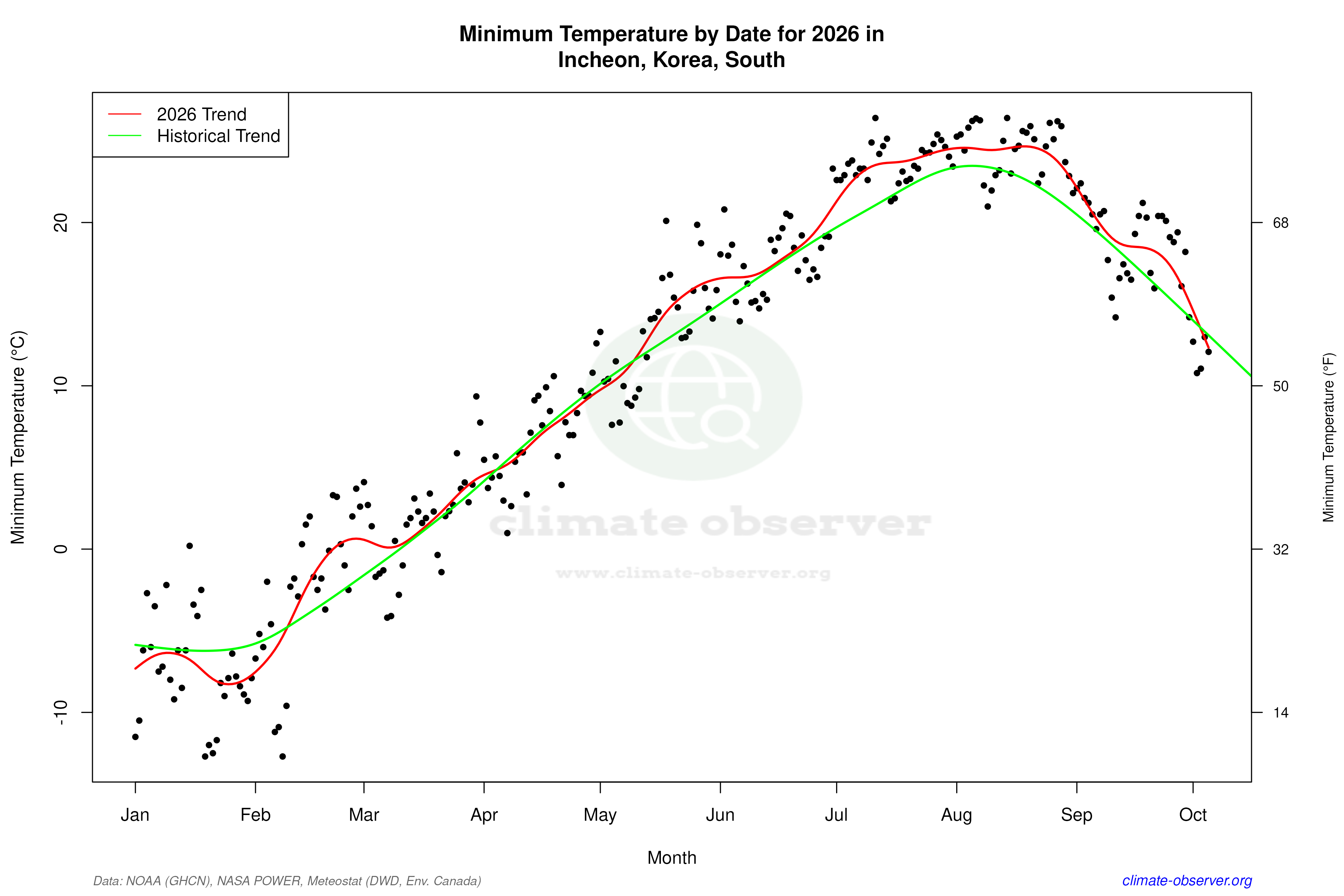
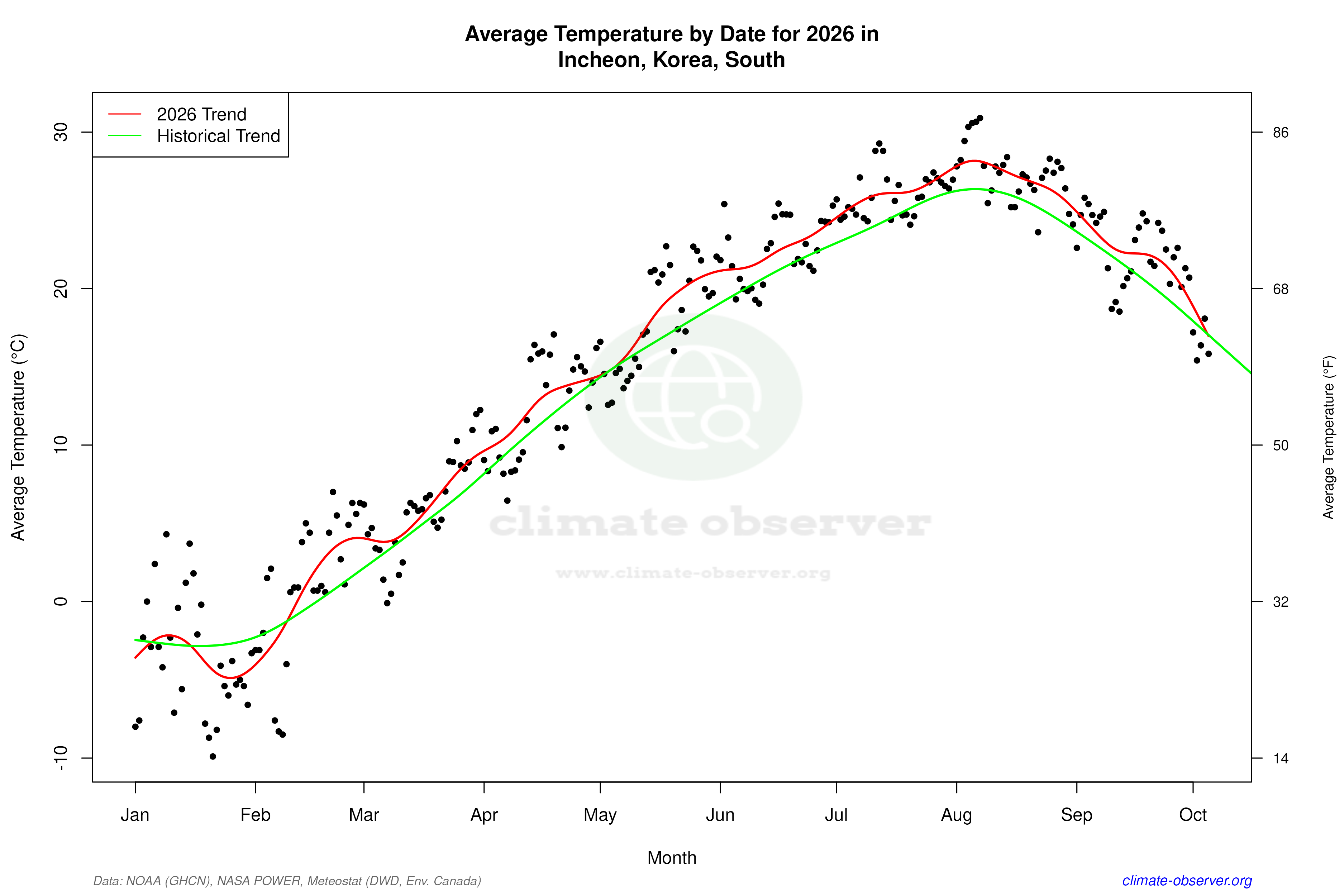
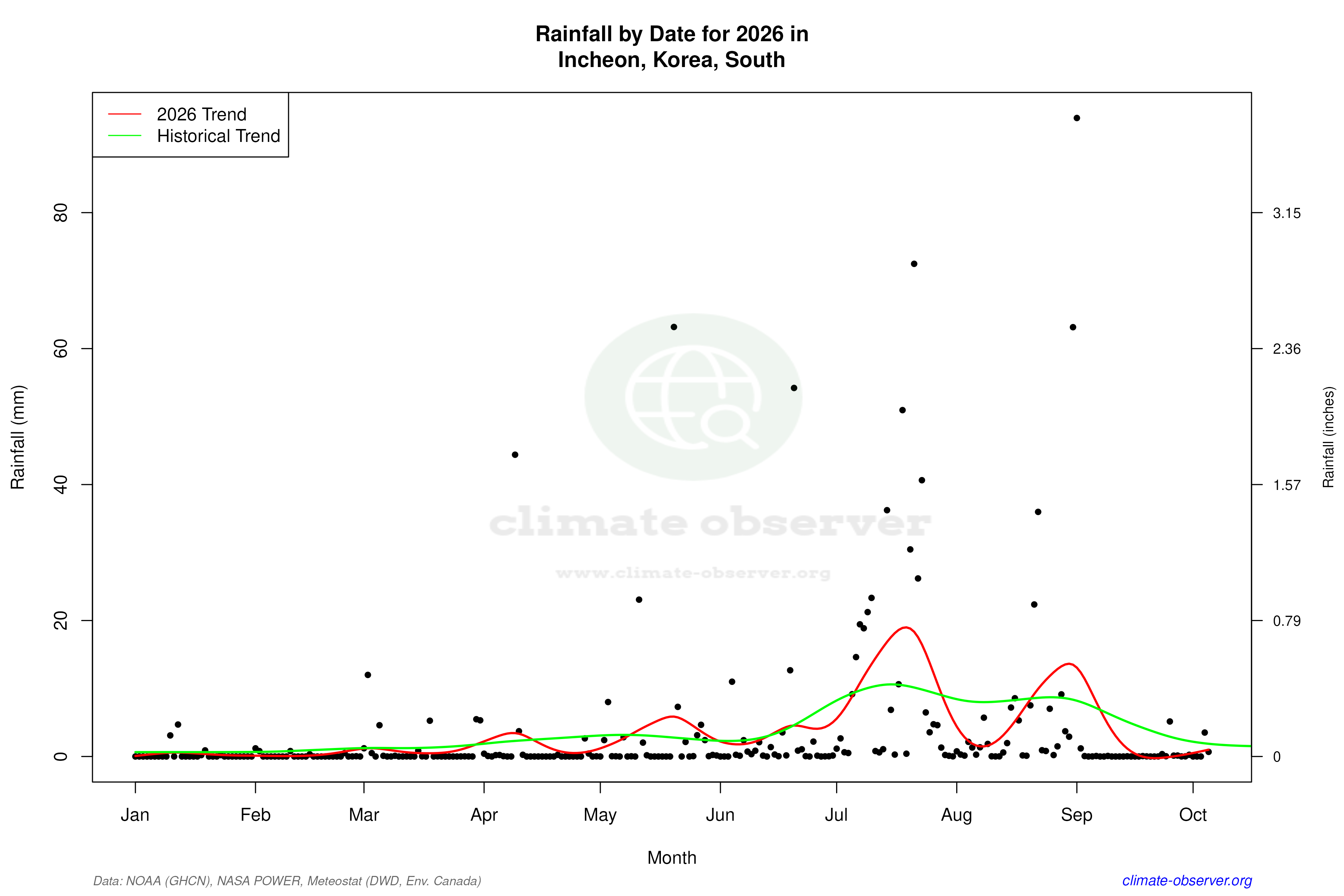
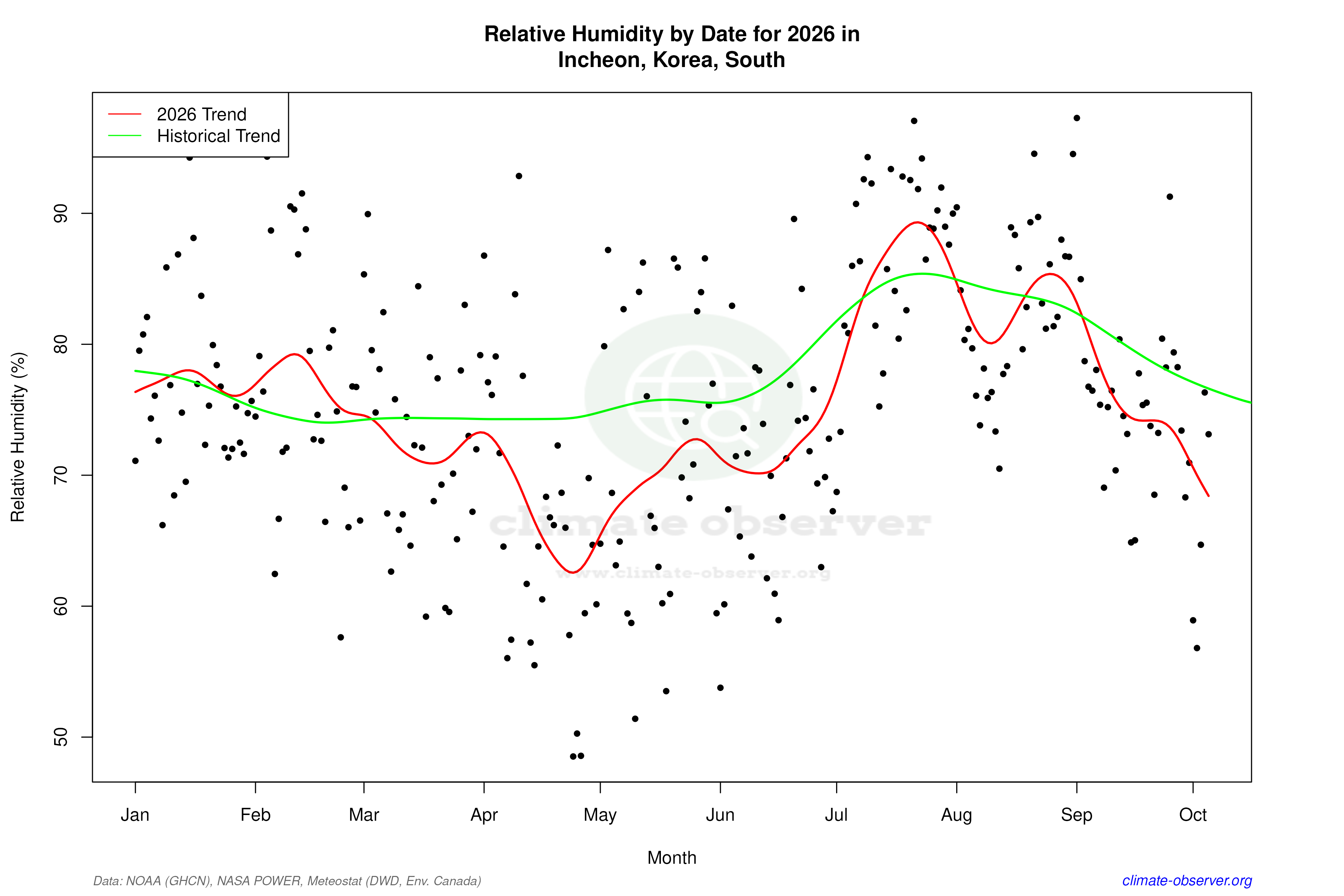

Max Temperature this Year | 1 of 6
Climate 12-Month Moving Averages
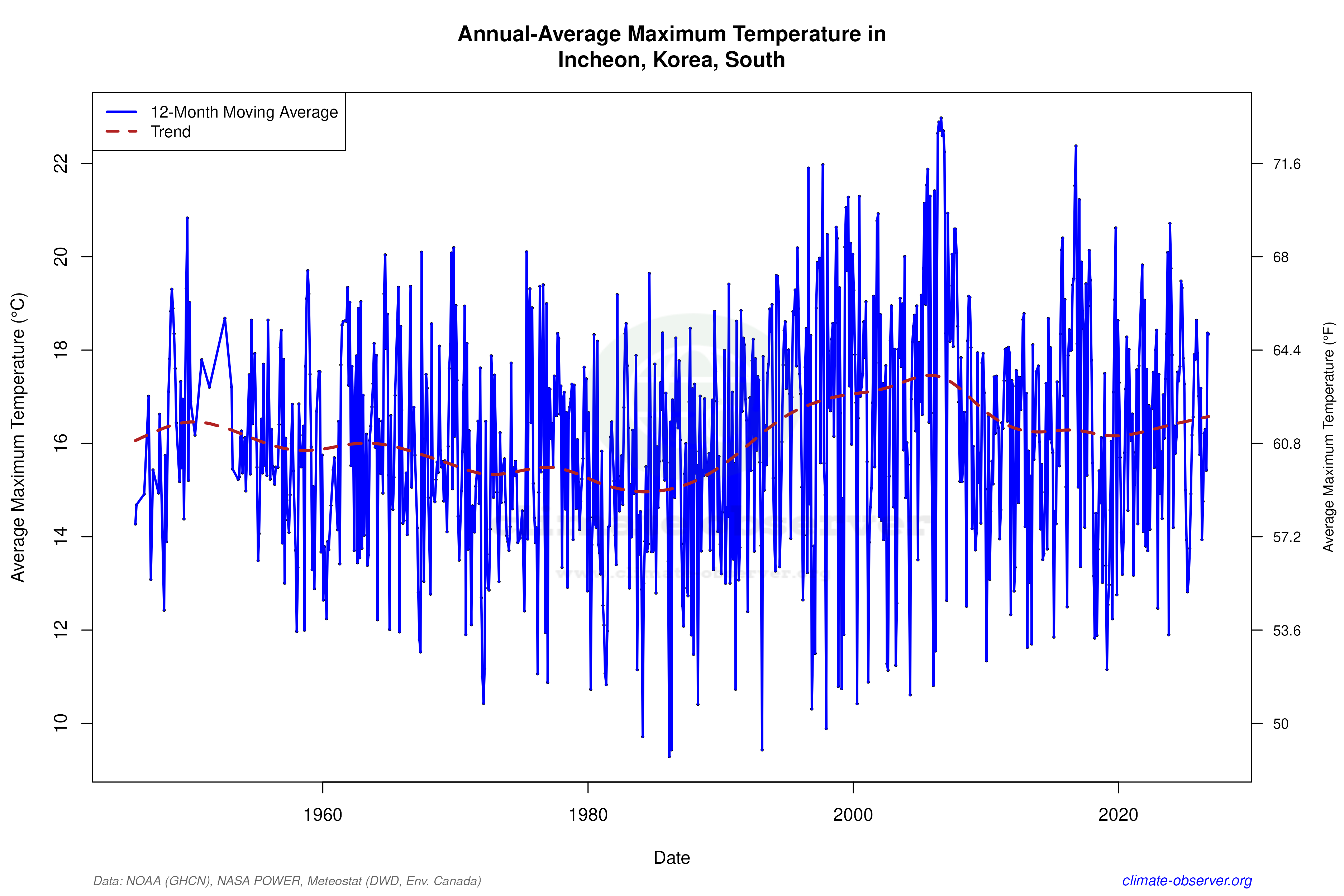
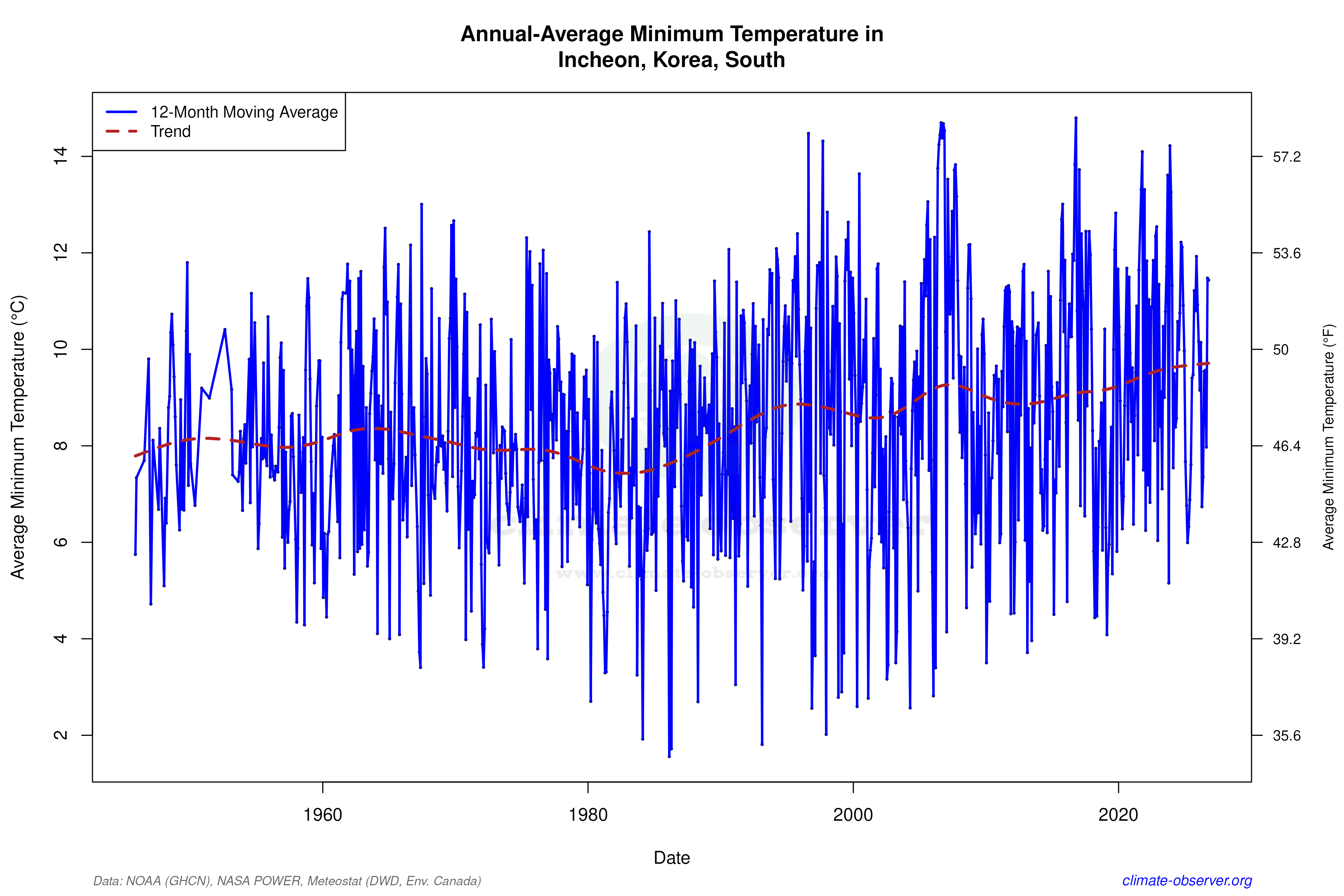
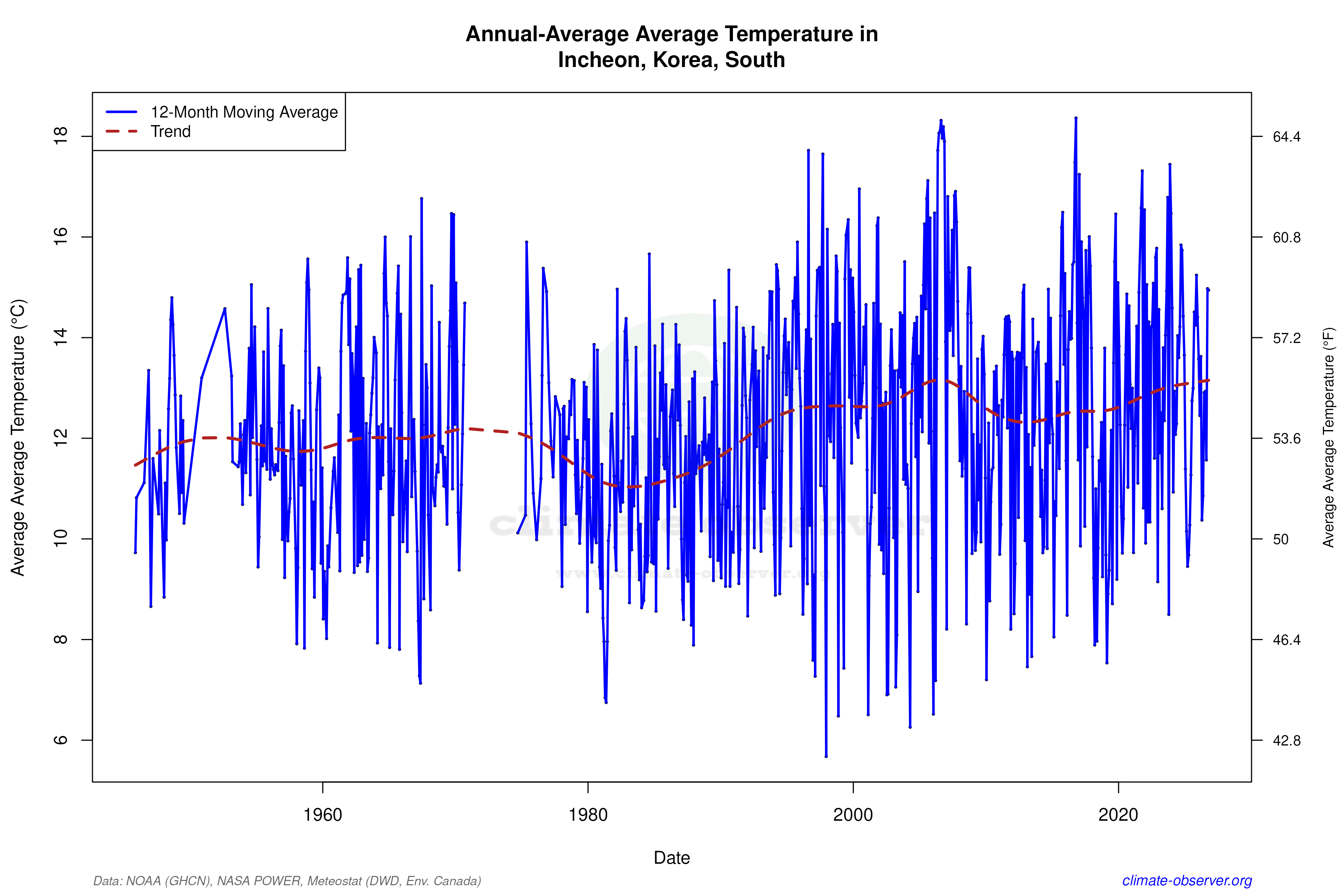
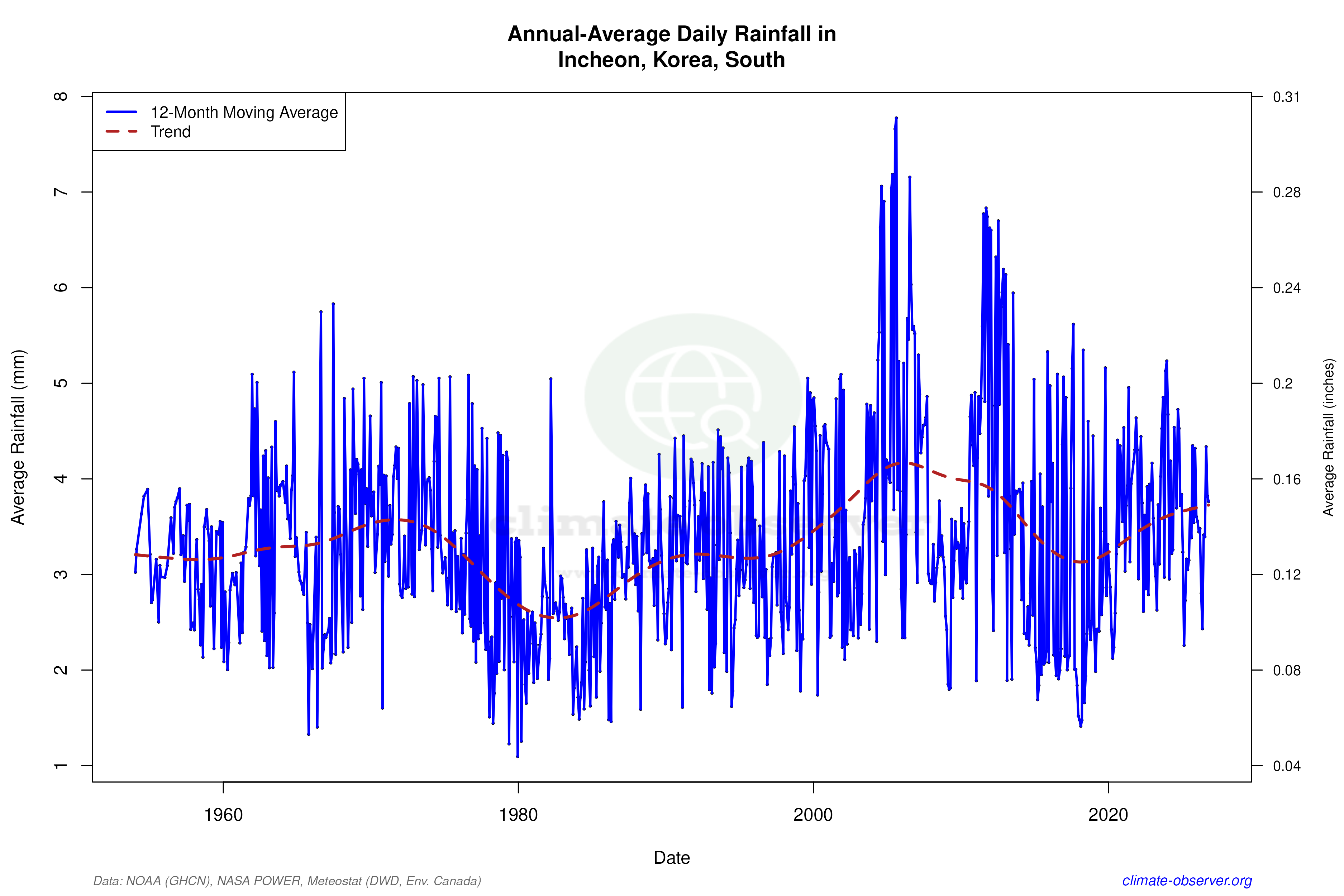
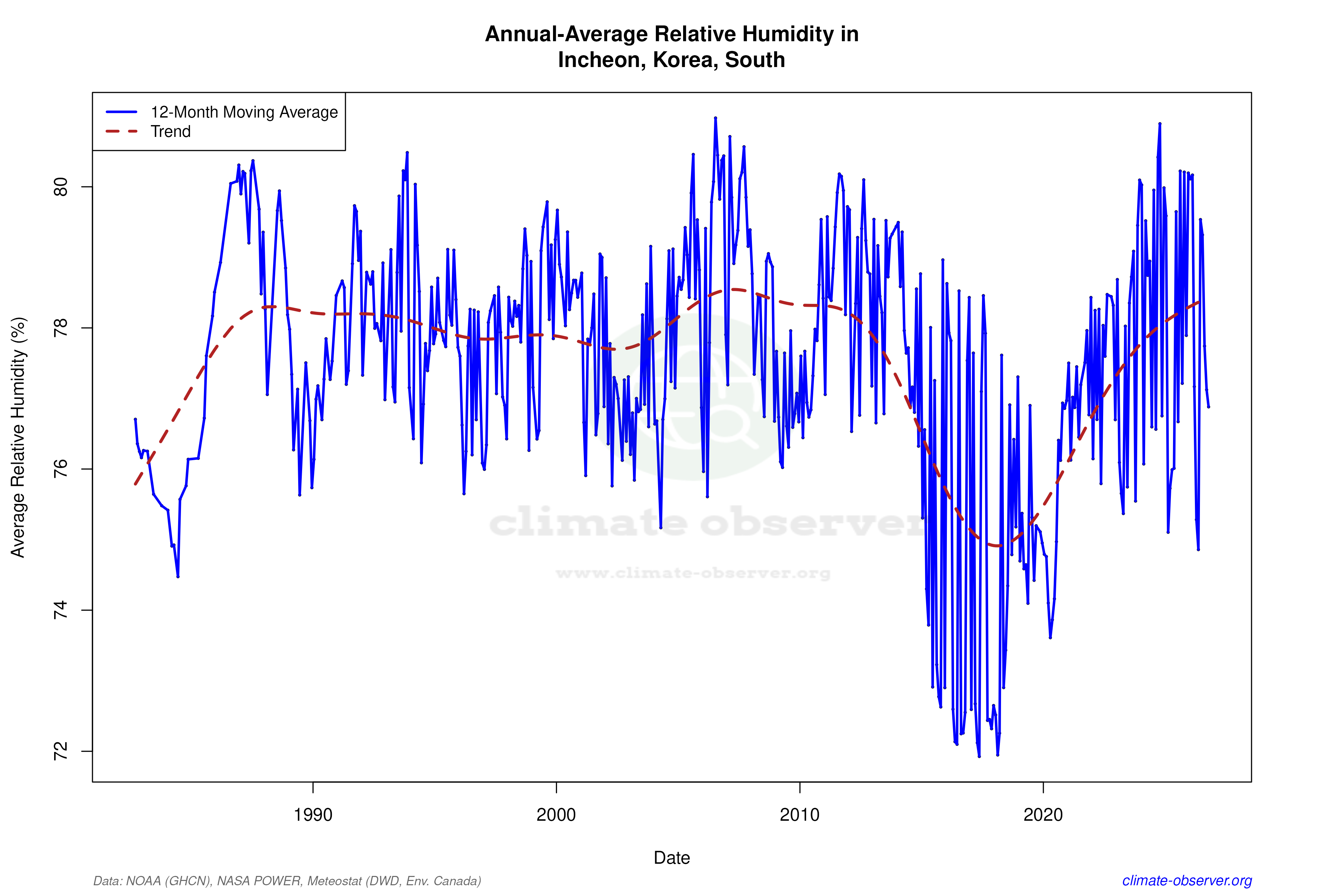

Max Temperature 12-Month MA | 1 of 6
Daily Data Points and Averages Throughout the Year
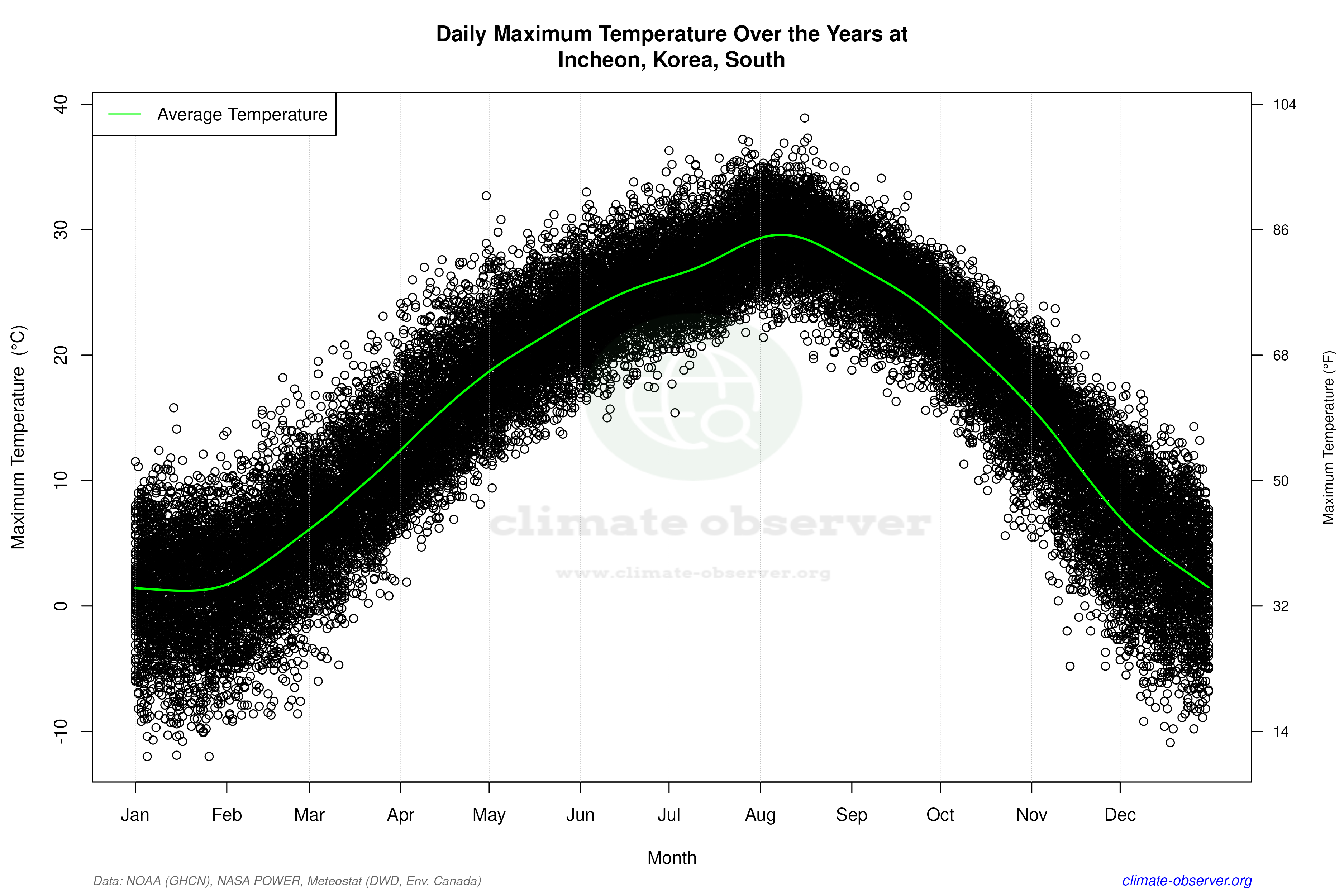
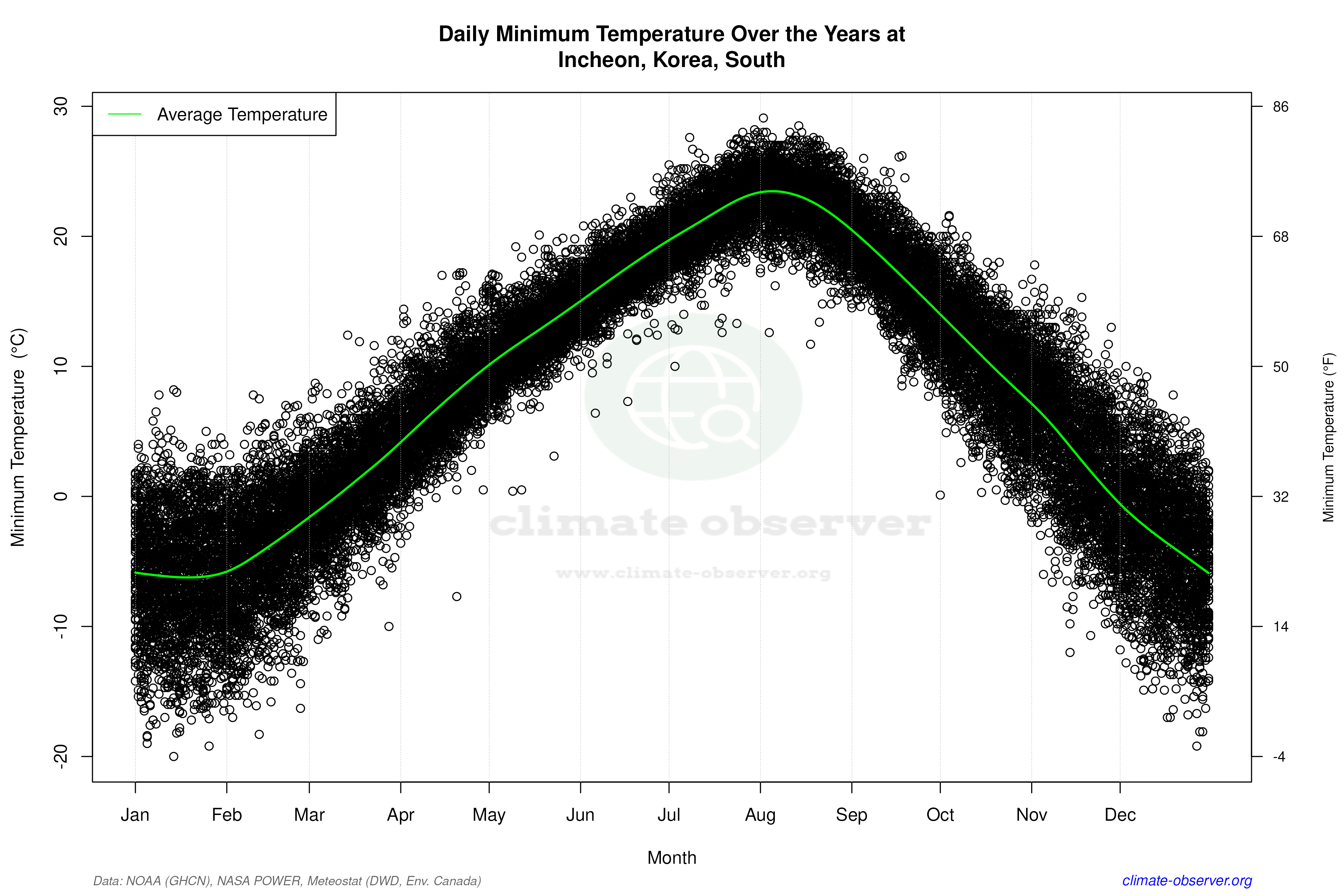
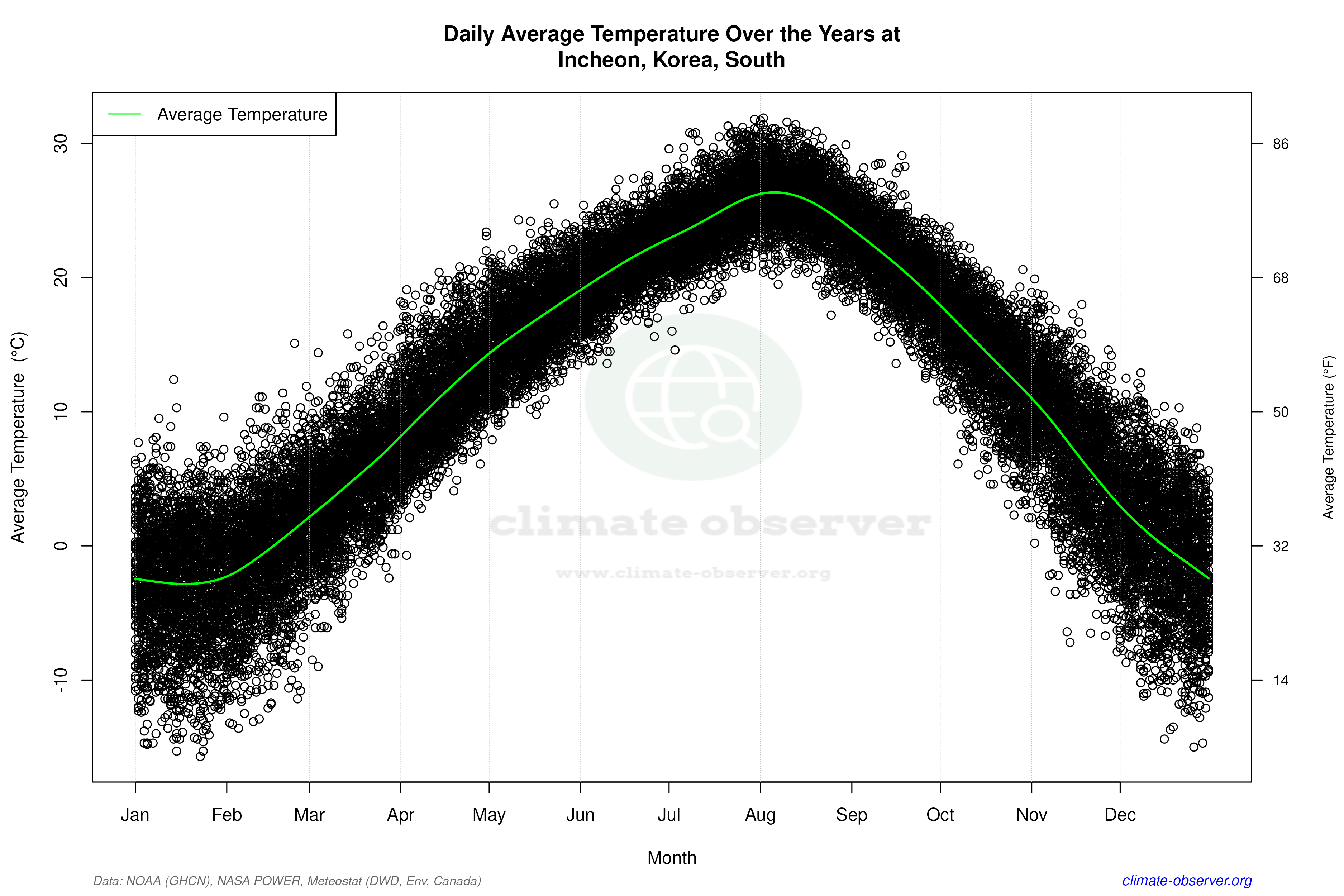
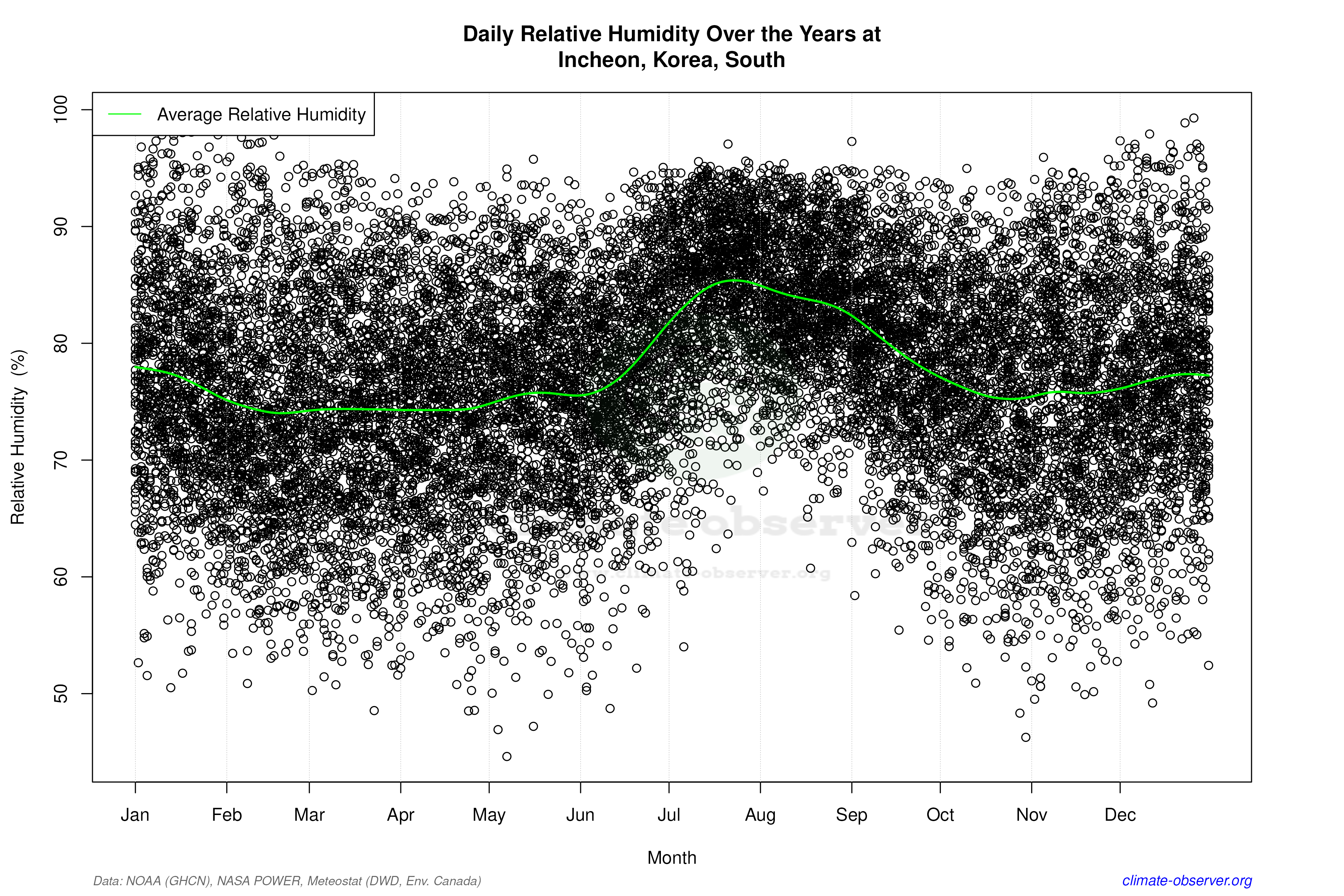

Average Max Temperature Throughout Year | 1 of 5


