Climate for Station: Luqa, South Eastern Region, Malta
Loading live weather...
Climate Analysis & Overview
Luqa, situated in Malta, is experiencing a warming trend with significant temperature increases over the past decade. The region's precipitation is becoming more concentrated, indicating potential challenges for local water management. This climate profile provides insights into these changes.
Mediterranean Climate Dynamics
Luqa, located at 35.85°N, 14.48°E, falls under the Mediterranean climate classification (Köppen: Csa), characterised by hot, dry summers and mild, wet winters. The surrounding Mediterranean Sea moderates the climate, reducing temperature extremes but also concentrating rainfall in specific periods. This geographical setting significantly influences the local climate data.
Warming Trends in Luqa
The all-time temperature trends for Luqa reveal a warming pattern, with highs increasing by 0.22°C (0.40°F) and lows by 0.33°C (0.59°F). Over the past decade, this warming has accelerated, with highs rising by 0.80°C (1.44°F) and lows by 0.86°C (1.55°F). These trends suggest a notable increase in both daytime and nighttime temperatures, raising concerns about heat stress and energy demands for cooling.
Precipitation Patterns: A Shift Towards Concentration
The Precipitation Concentration Index (PCI) for Luqa has shifted from a baseline of 17.91 to a current value of 22.99. This significant increase indicates that rainfall is becoming more concentrated in fewer events, which can lead to challenges such as flooding and water scarcity during dry spells. A PCI value over 20 is considered highly concentrated, suggesting that water management strategies need to adapt to these changing patterns.
Temperature Extremes and Records
Luqa's recorded temperature extremes highlight the variability within this warming trend. The highest recorded temperature is 42.7°C (108.9°F), while the lowest is -0.1°C (31.8°F). These records demonstrate the potential for extreme weather conditions, which may become more frequent as average temperatures rise.
Regional Climate Considerations
Malta has been actively pursuing climate resilience strategies, aiming to mitigate the impacts of these warming trends and concentrated rainfall patterns. Recent weather events, such as intense summer heatwaves, underscore the importance of these efforts. As temperatures continue to rise, the region must focus on sustainable water management and infrastructure adaptations to cope with the evolving climate dynamics.
Station Statistics
10-Year Trend
High: +0.70 °C/decade
Low: +1.51 °C/decade
Rain: +0.11 mm/decade
25-Year Trend
High: +0.84 °C/decade
Low: -0.14 °C/decade
Rain: -0.21 mm/decade
50-Year Trend
High: +0.30 °C/decade
Low: +0.38 °C/decade
Rain: -0.13 mm/decade
All-Time Trend
High: +0.23 °C/decade
Low: +0.34 °C/decade
Rain: -0.13 mm/decade
Percentage Above-Average Days
Last 12 Months: 46.0%
This Year: 33.6%
Precipitation Concentration Index (PCI) ℹ️
Last 12 Months: 31.4
Historical Average: 18.7
Percentile Rank of Last 12 Months ℹ️
High: 80th percentile
Low: 97th percentile
Rain: 67th percentile
Change in Variance ℹ️
High: +9.5%
Low: +13.7%
Intraday: -28.2%
Data Coverage
91.0%
First Year of Data
1971
Station Location
Historical Weather Records
| Max High | Avg High | Min High | Max Avg | Avg Avg | Min Avg | Max Low | Avg Low | Min Low | Max Precipitation | Avg Precipitation | Max Snow | Avg Snow | |
|---|---|---|---|---|---|---|---|---|---|---|---|---|---|
| Record | 42.7 °C | — | 7.2 °C | 34.6 °C | — | 4.6 °C | 29.9 °C | — | -0.1 °C | 318.0 mm | — | — | — |
| January | 24.5 °C | 15.6 °C | 7.2 °C | 20.1 °C | 12.5 °C | 4.6 °C | 17.4 °C | 10.4 °C | 0.4 °C | 78.0 mm | 3.0 mm | — | — |
| February | 26.7 °C | 15.6 °C | 7.2 °C | 21.7 °C | 12.3 °C | 4.7 °C | 17.8 °C | 10.0 °C | 0.0 °C | 120.9 mm | 2.6 mm | — | — |
| March | 27.7 °C | 17.0 °C | 8.9 °C | 21.8 °C | 13.4 °C | 6.8 °C | 17.2 °C | 10.9 °C | -0.1 °C | 45.0 mm | 1.5 mm | — | — |
| April | 29.2 °C | 19.3 °C | 12.8 °C | 24.0 °C | 15.5 °C | 9.8 °C | 18.5 °C | 12.7 °C | 4.0 °C | 44.7 mm | 0.9 mm | — | — |
| May | 35.3 °C | 23.5 °C | 15.6 °C | 28.3 °C | 19.1 °C | 13.0 °C | 23.0 °C | 15.7 °C | 7.0 °C | 70.2 mm | 0.4 mm | — | — |
| June | 41.5 °C | 27.9 °C | 18.1 °C | 32.9 °C | 23.2 °C | 16.8 °C | 27.4 °C | 19.5 °C | 7.0 °C | 254.0 mm | 0.3 mm | — | — |
| July | 42.7 °C | 30.9 °C | 22.9 °C | 34.6 °C | 26.0 °C | 19.9 °C | 29.9 °C | 22.1 °C | 15.0 °C | 182.1 mm | 0.2 mm | — | — |
| August | 41.8 °C | 31.1 °C | 23.4 °C | 34.2 °C | 26.5 °C | 21.9 °C | 29.6 °C | 23.0 °C | 12.5 °C | 256.0 mm | 0.4 mm | — | — |
| September | 37.4 °C | 28.2 °C | 20.0 °C | 30.3 °C | 24.1 °C | 18.4 °C | 29.4 °C | 21.3 °C | 9.0 °C | 318.0 mm | 1.9 mm | — | — |
| October | 34.5 °C | 24.6 °C | 16.7 °C | 27.6 °C | 20.9 °C | 13.7 °C | 25.7 °C | 18.5 °C | 8.0 °C | 182.9 mm | 2.9 mm | — | — |
| November | 32.0 °C | 20.6 °C | 12.0 °C | 23.6 °C | 17.3 °C | 9.8 °C | 23.5 °C | 15.1 °C | 0.0 °C | 80.0 mm | 3.2 mm | — | — |
| December | 23.9 °C | 17.1 °C | 7.8 °C | 20.7 °C | 14.0 °C | 5.2 °C | 19.4 °C | 12.0 °C | 0.5 °C | 258.1 mm | 3.3 mm | — | — |
Data Visualisations
Remove WatermarksCurrent Year Climate Trends vs Historical
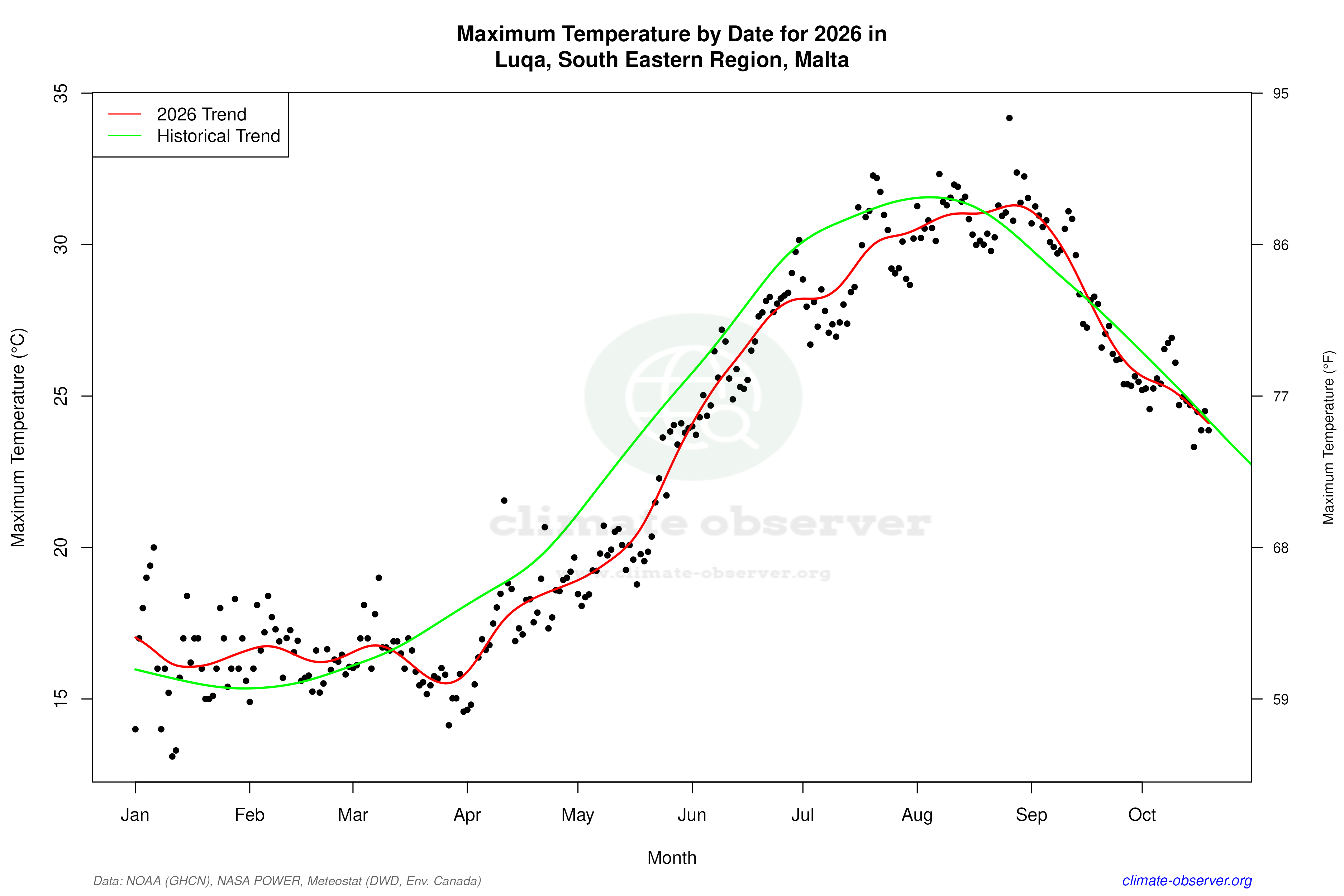
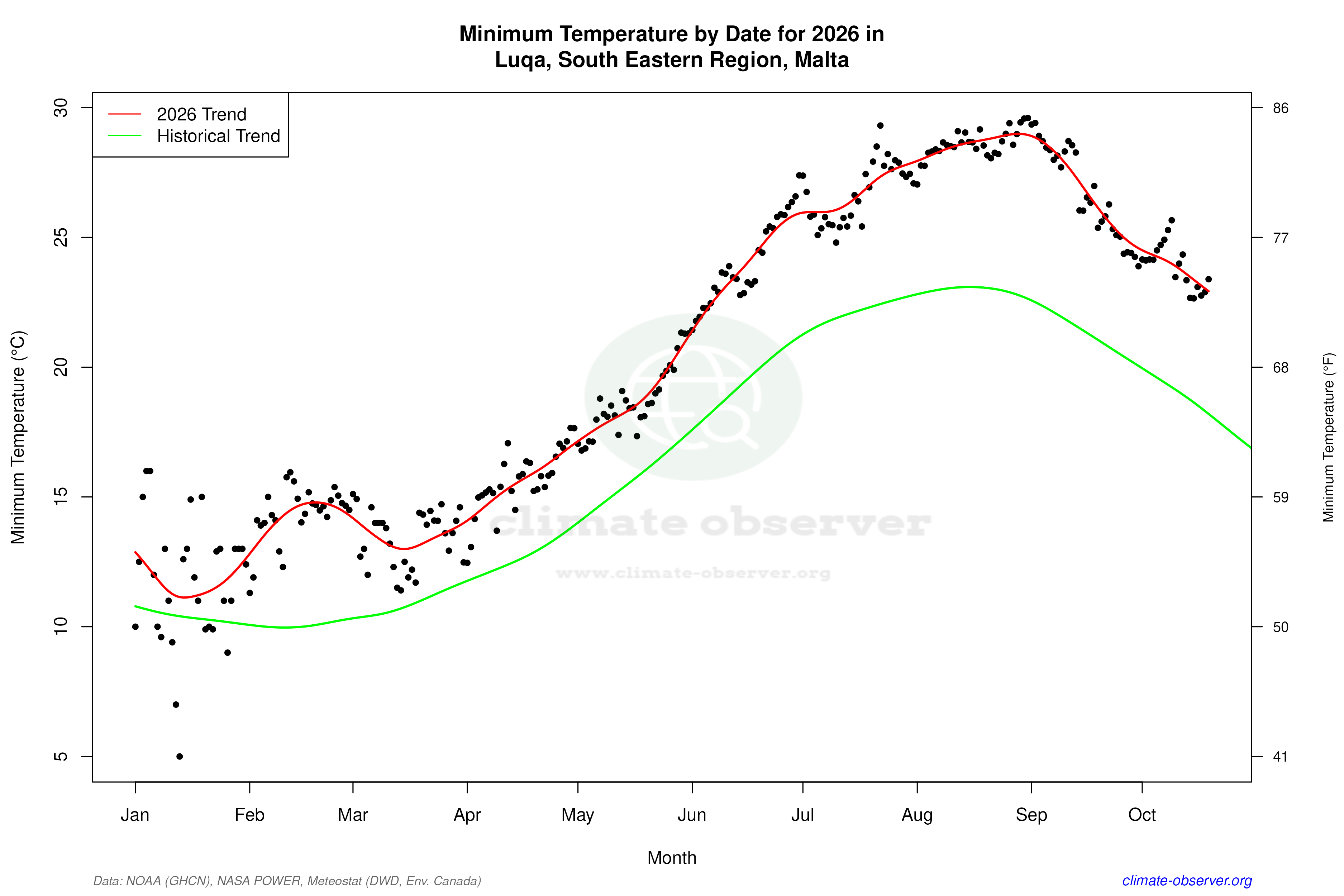
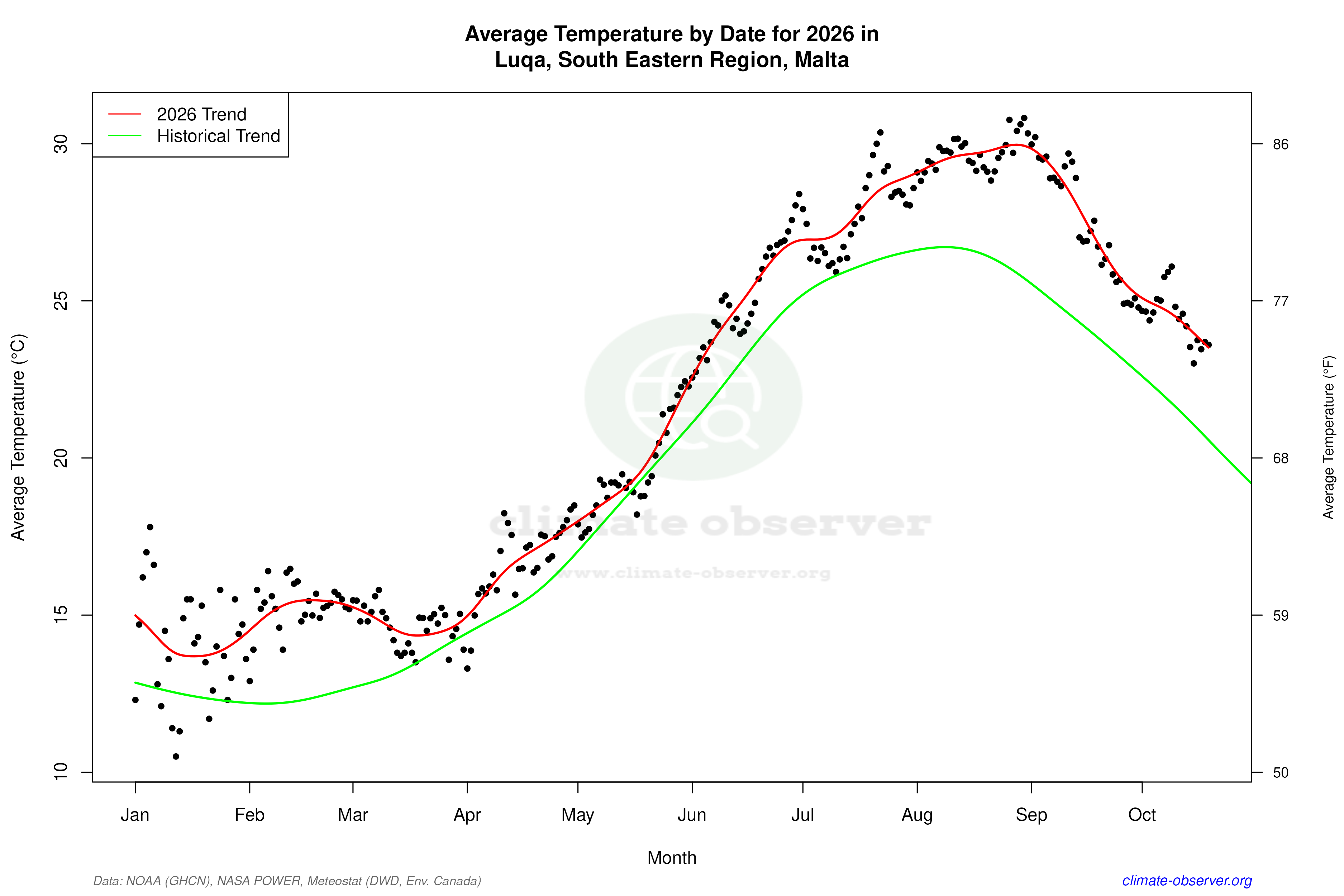
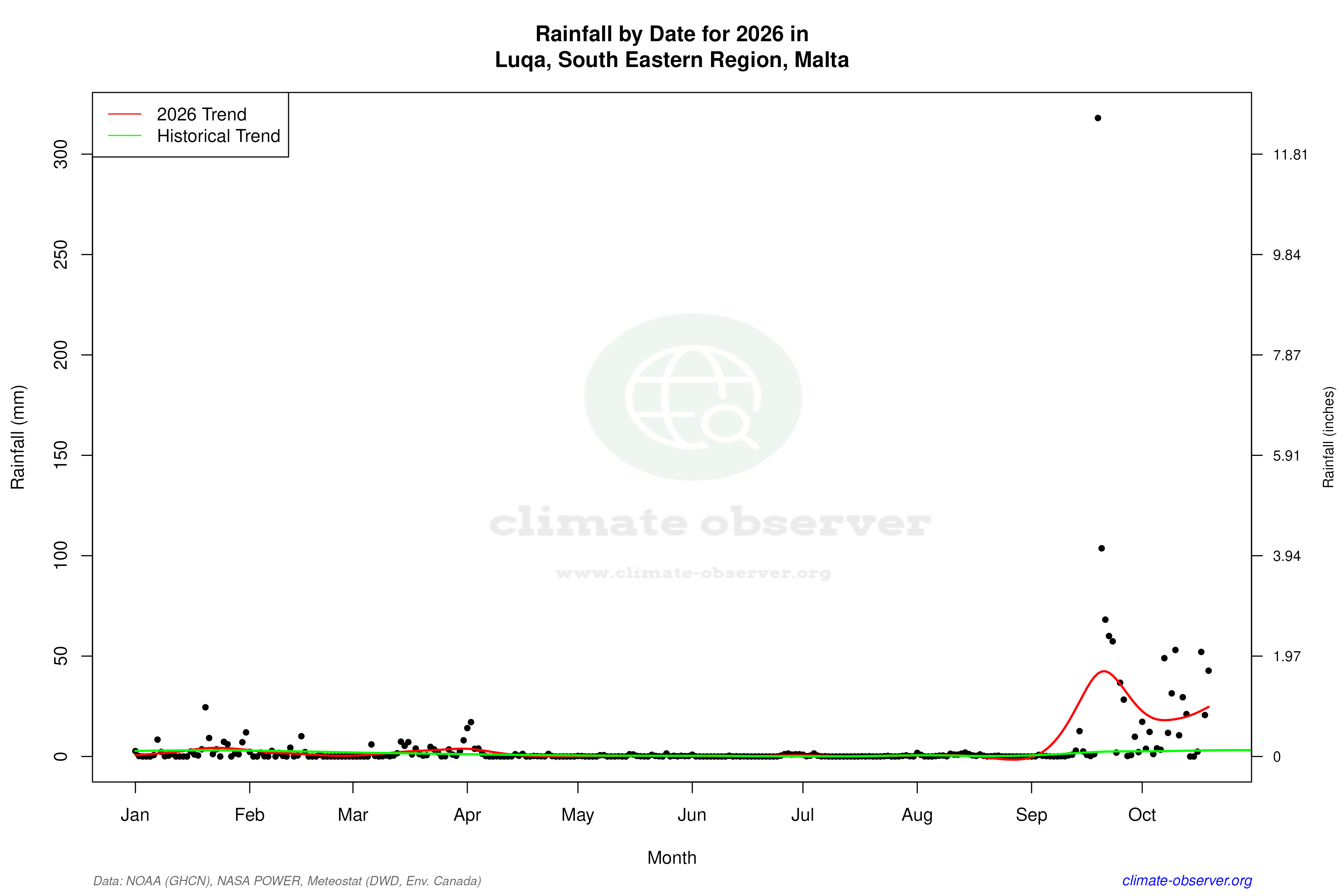
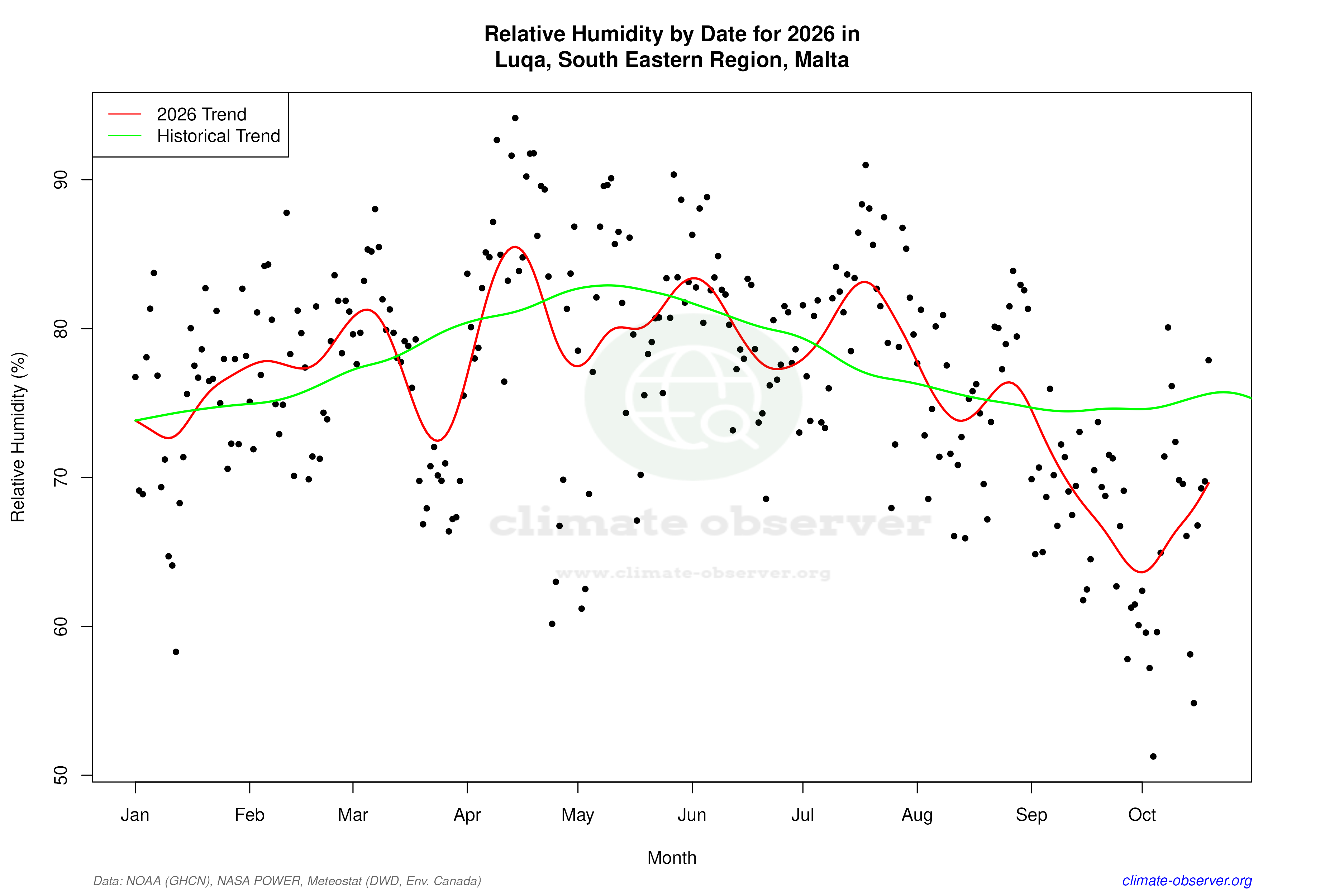

Max Temperature this Year | 1 of 6
Climate 12-Month Moving Averages
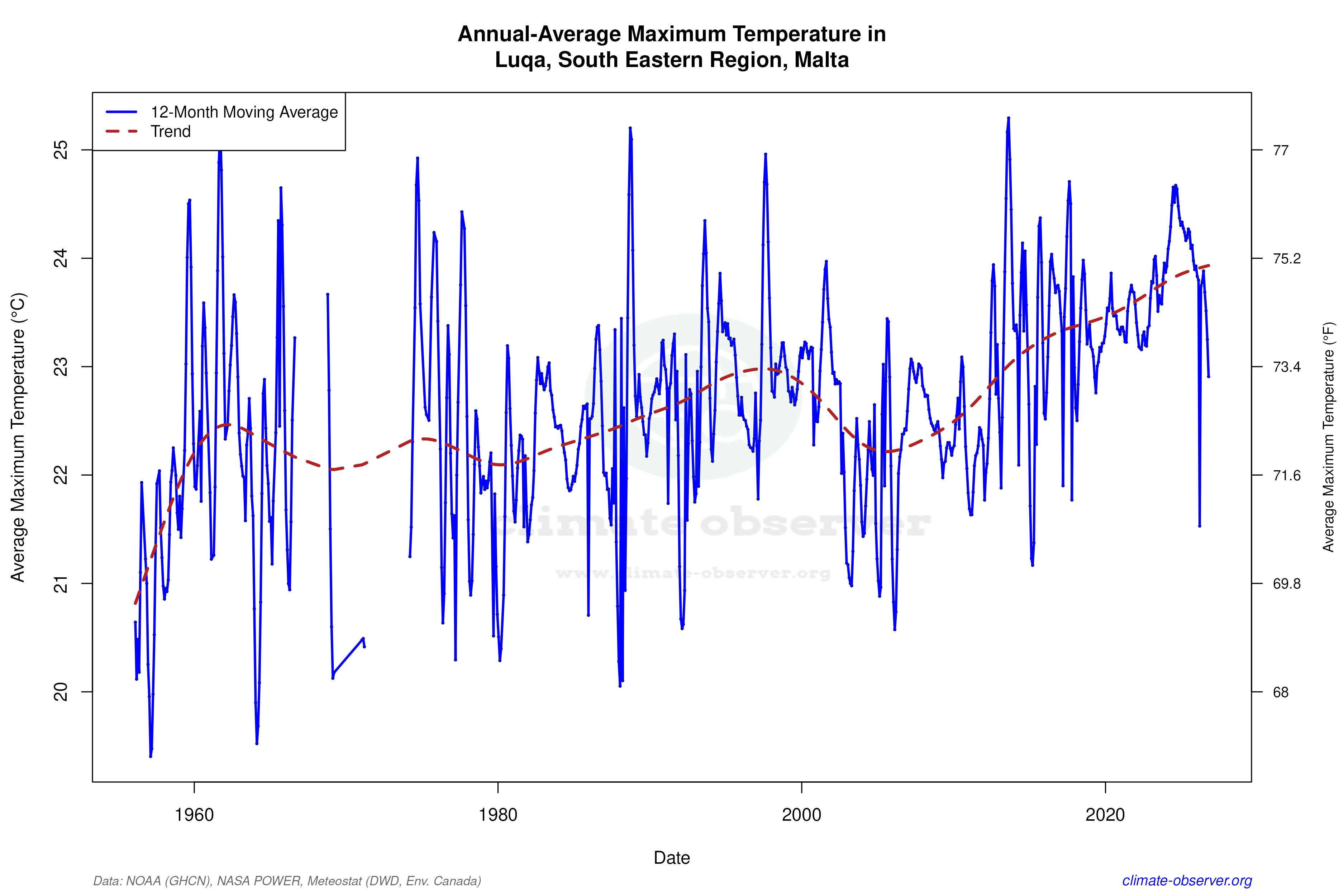
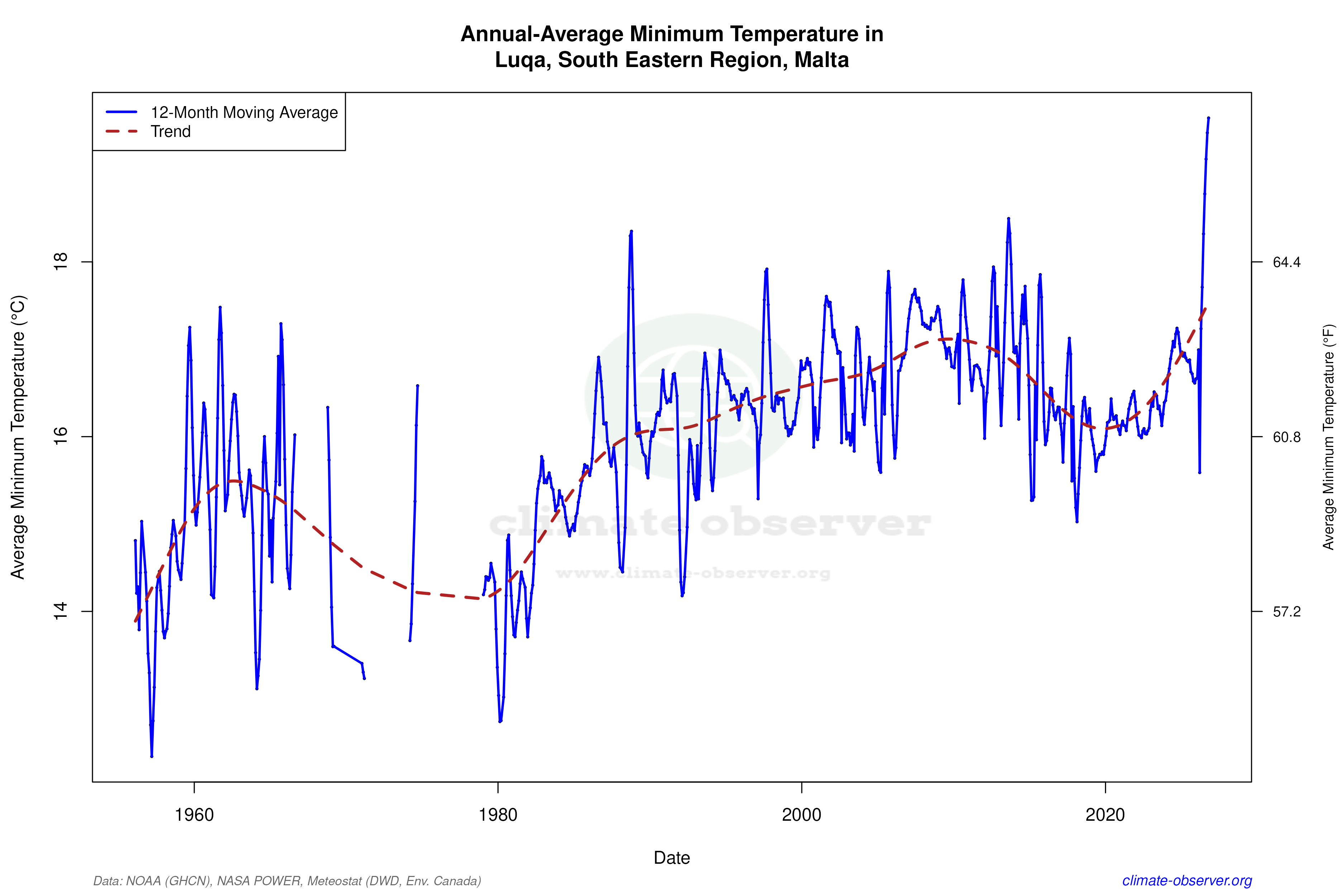
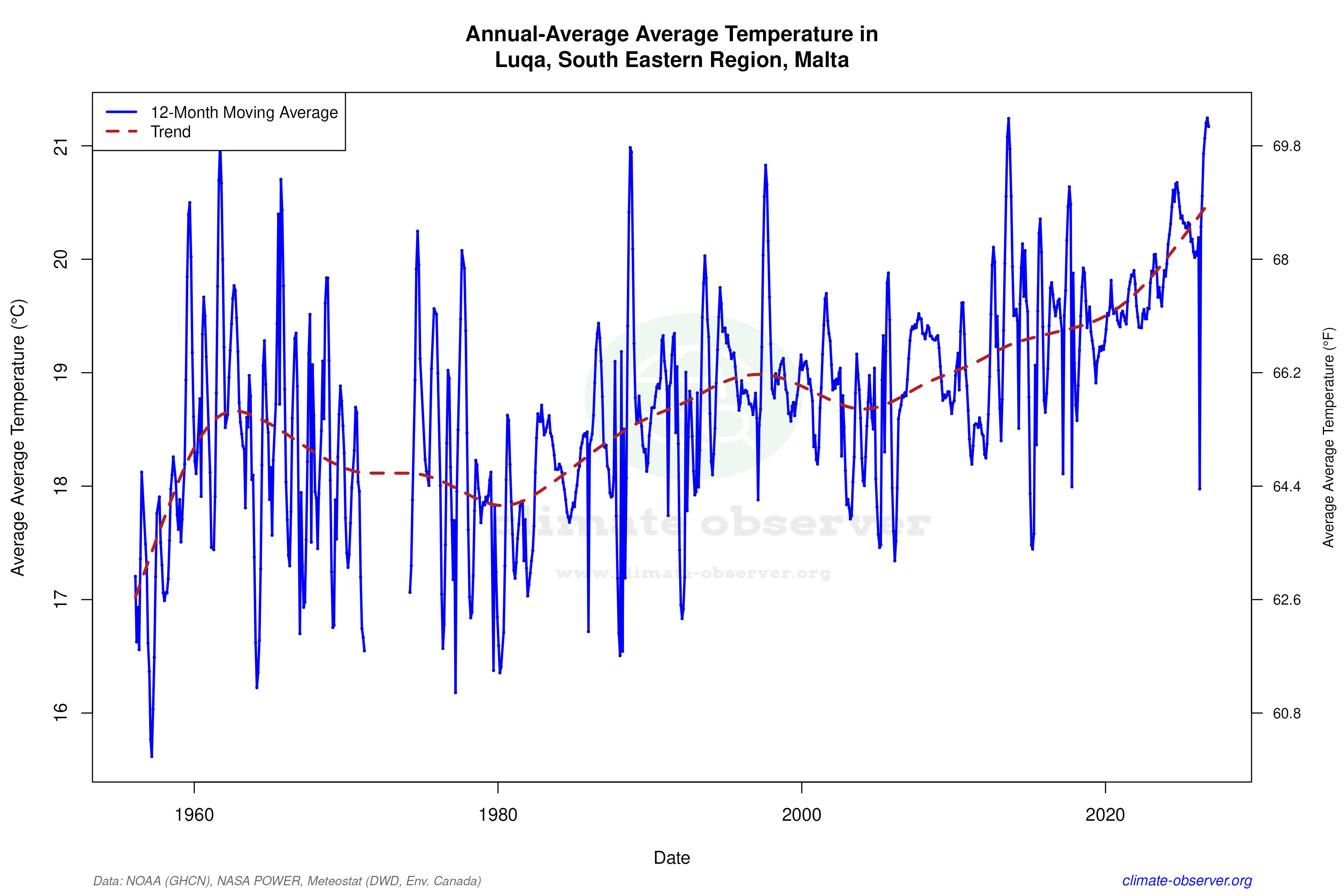
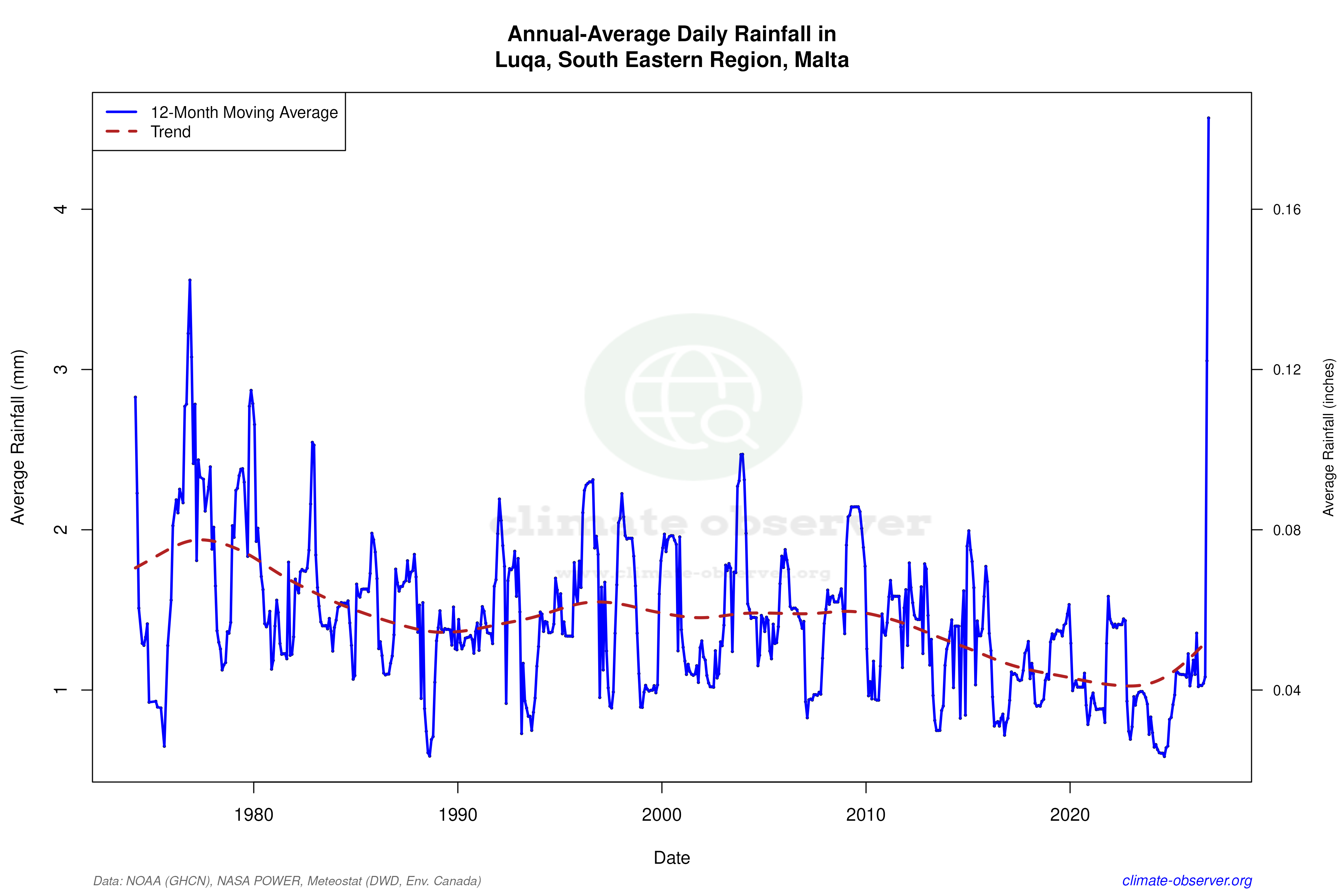
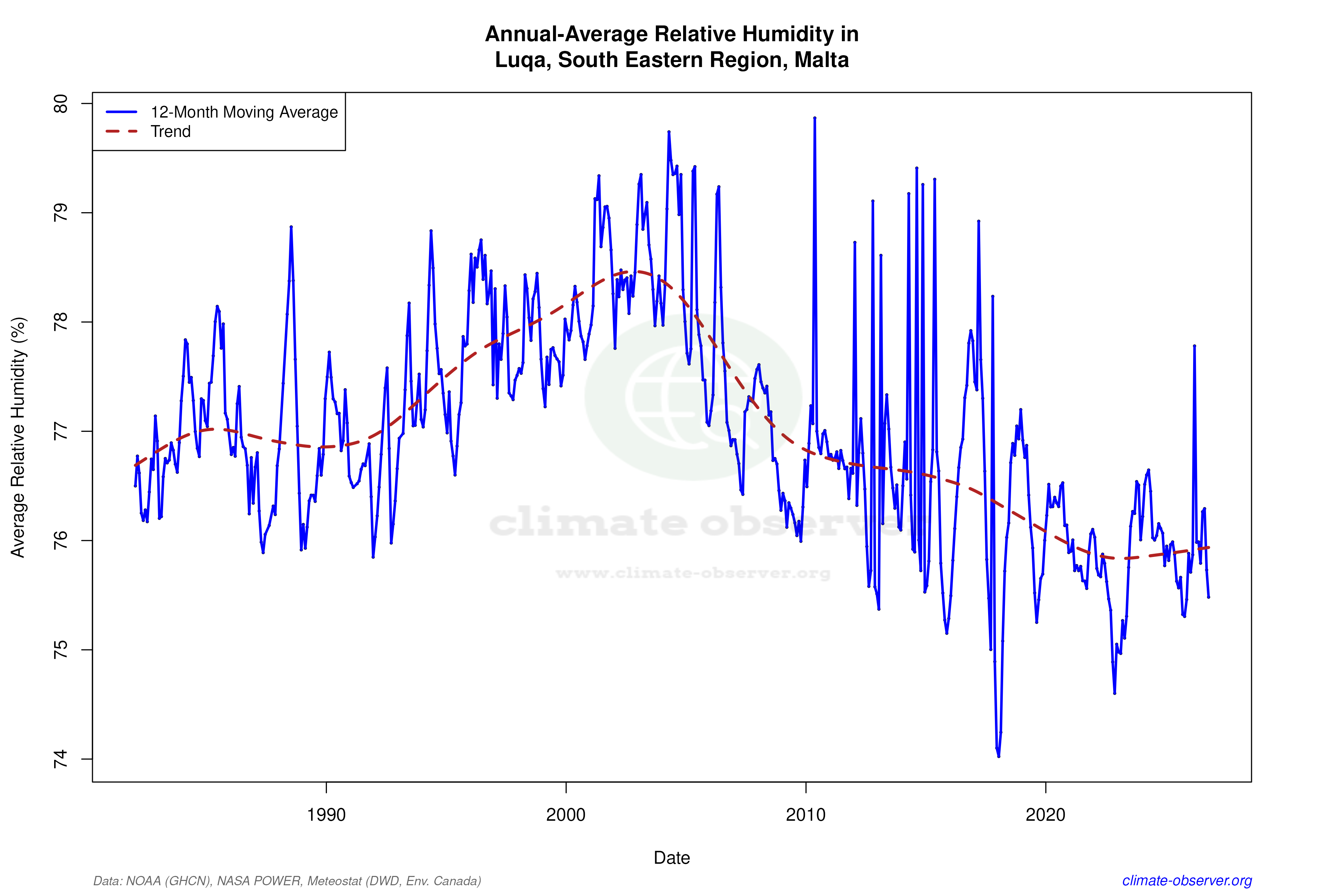

Max Temperature 12-Month MA | 1 of 6
Daily Data Points and Averages Throughout the Year
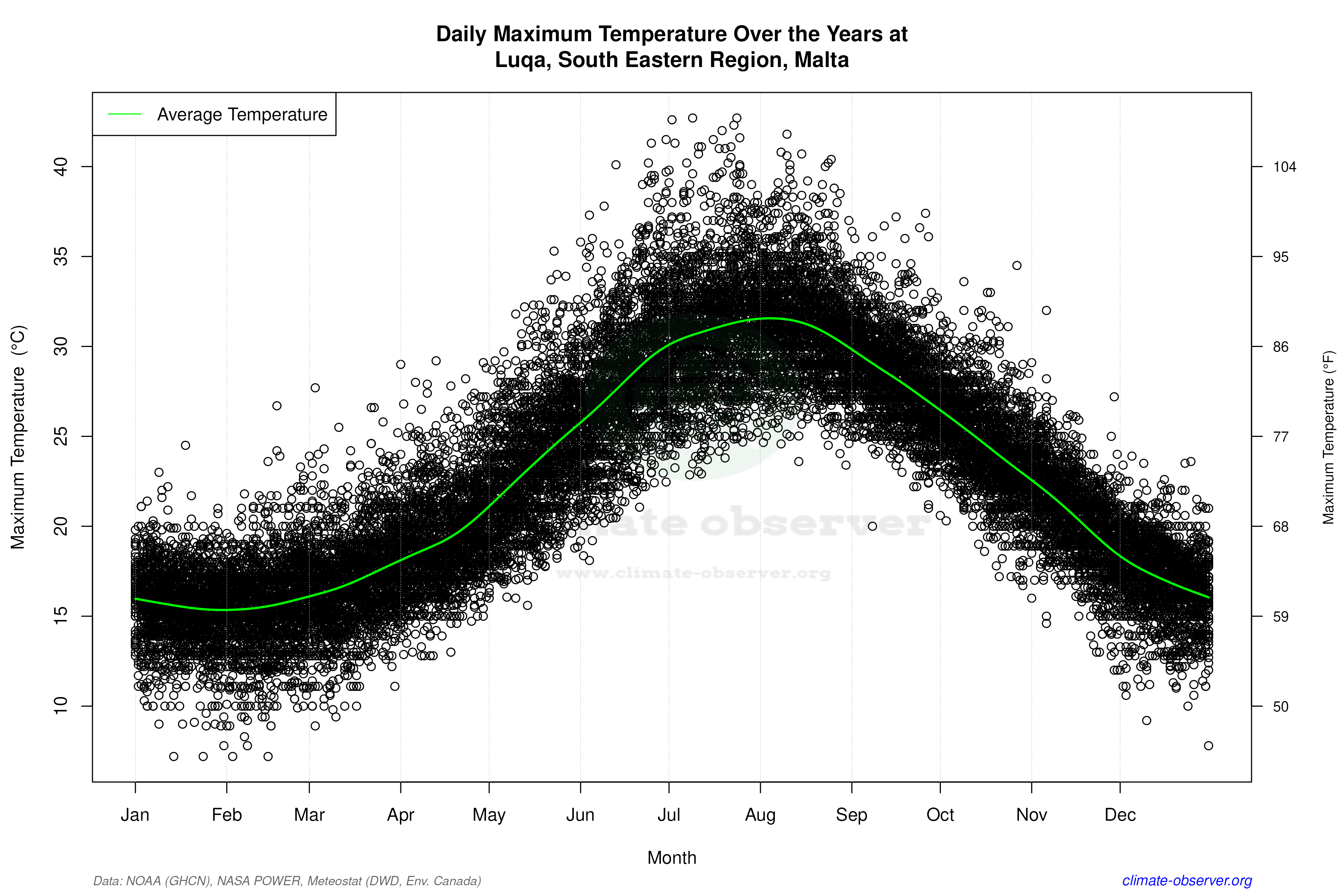
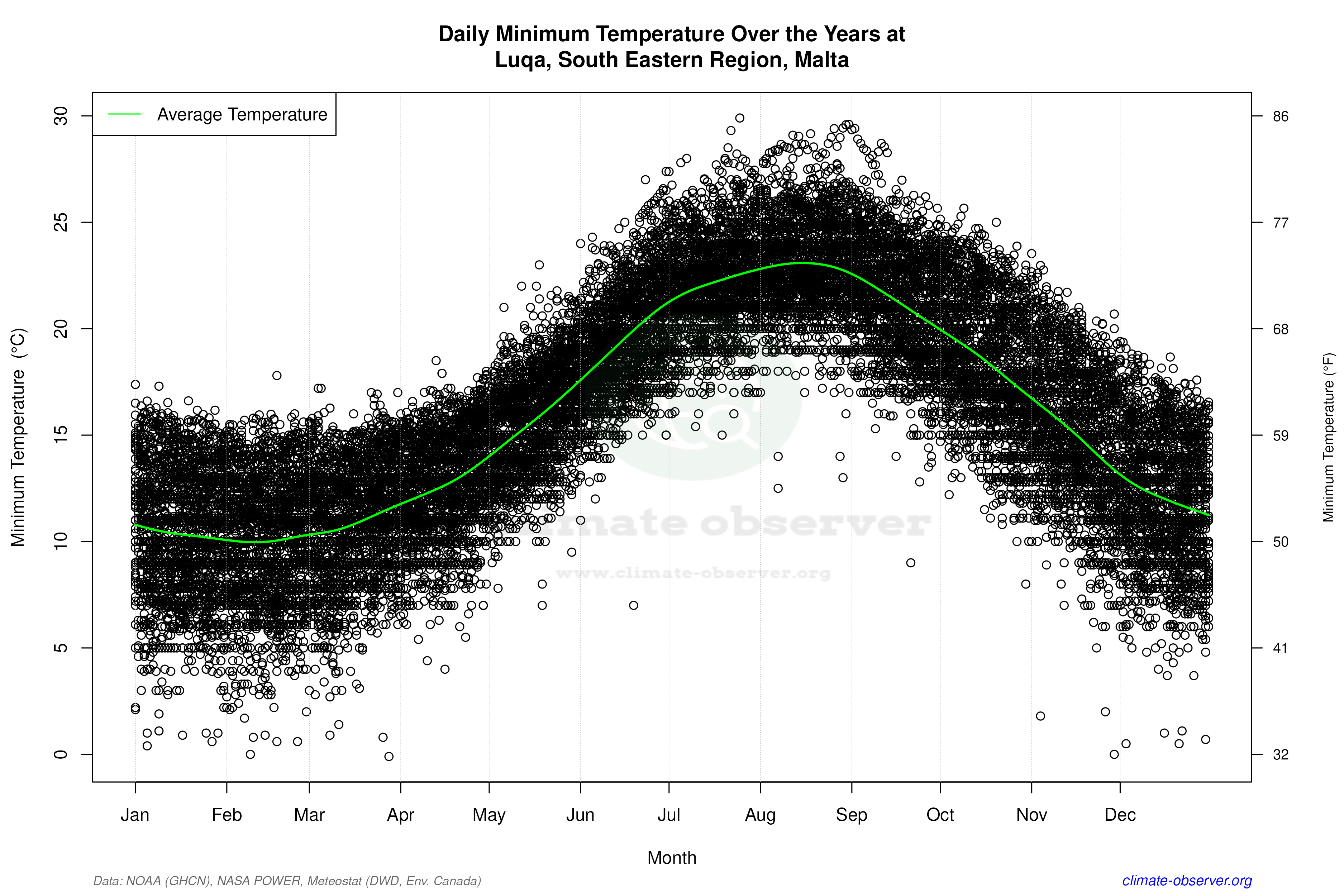
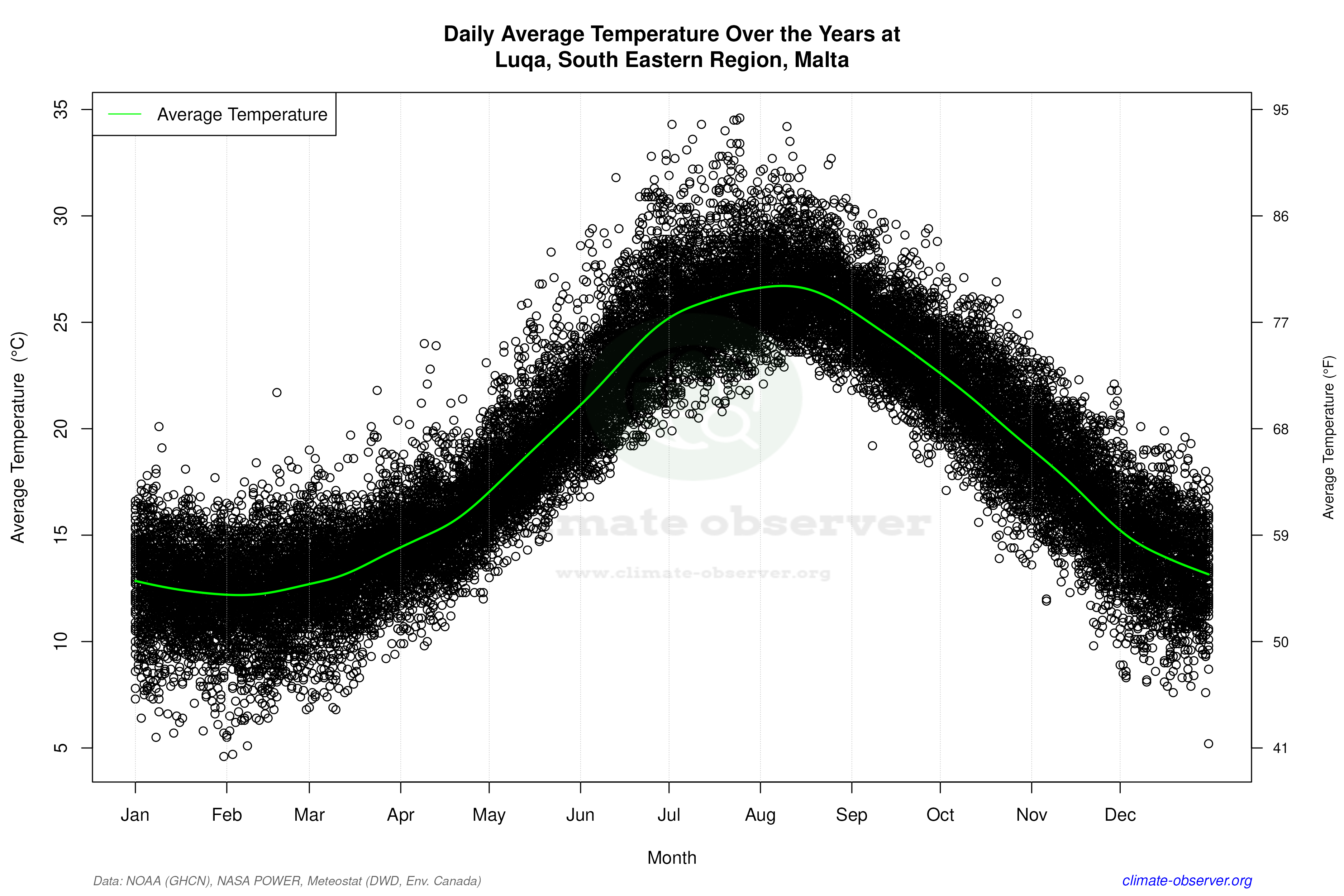
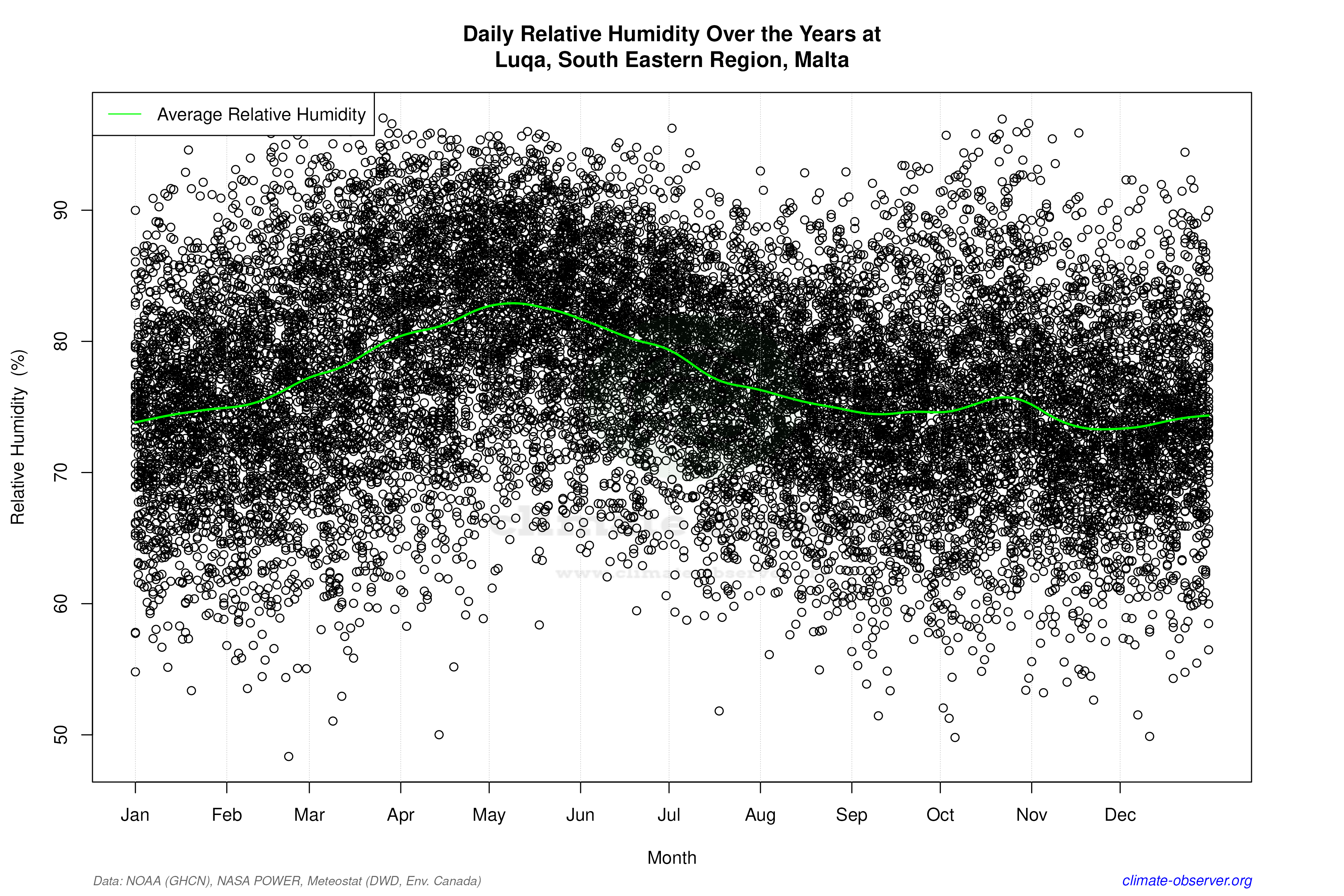

Average Max Temperature Throughout Year | 1 of 5


