Climate for Station: Gaya, Dosso, Niger
Loading live weather...
Climate Analysis & Overview
Gaya, Niger is experiencing a warming trend with significant temperature increases over the last decade, alongside a notable rise in precipitation concentration. This suggests a shift towards more intense, less frequent rainfall events, posing challenges for local agriculture and water management.
Warming Trends in Gaya
Gaya, located in the Dosso region of Niger, is characterised by a semi-arid climate according to the Köppen classification. This region is experiencing a warming trend, with all-time high temperatures rising by 0.25°C (0.45°F) and lows by 0.27°C (0.49°F). Over the past decade, this warming has accelerated, with high temperatures increasing by 0.52°C (0.94°F) and lows by 0.32°C (0.58°F). These trends indicate a consistent rise in both maximum and minimum temperatures, which can exacerbate the challenges of heatwaves and impact local ecosystems.
Precipitation Patterns: A Concentrated Shift
The Precipitation Concentration Index (PCI) for Gaya has increased from a baseline of 20.8 to a current value of 25.8. This significant change indicates that rainfall is now more concentrated in fewer, more intense events. Such a shift can lead to increased risks of flooding during heavy rains and prolonged dry spells in between, affecting agricultural productivity and water availability. This pattern aligns with broader regional concerns about climate resilience and water resource management.
Record Extremes and Local Geography
Gaya's geographical setting, near the Niger River, influences its climatic conditions. The region has recorded extreme temperatures, with a maximum of 48.0°C (118.4°F) and a minimum of 8.0°C (46.4°F). These extremes highlight the variability and potential for harsh weather conditions, which are exacerbated by the observed warming trends. The proximity to the river can moderate temperatures slightly but also increases vulnerability to flooding during concentrated rainfall events.
Implications for Regional Climate Goals
Niger is actively working towards enhancing climate resilience, with a focus on sustainable water management and agricultural adaptation. The observed trends in Gaya underscore the importance of these efforts, as increasing temperatures and concentrated precipitation patterns pose significant challenges. Effective adaptation strategies will be crucial to mitigate the impacts of these climatic changes on local communities and ecosystems.
Looking Forward: A Climate in Transition
The climatic shifts in Gaya, marked by rising temperatures and altered precipitation patterns, reflect broader changes observed across the Sahel region. These changes necessitate a proactive approach to climate adaptation and resilience-building, aligning with Niger's national climate goals. As the region navigates these challenges, understanding and addressing the local impacts of global climate trends will be essential for sustainable development.
Station Statistics
10-Year Trend
High: +0.37 °C/decade
Low: +0.40 °C/decade
Rain: -0.31 mm/decade
25-Year Trend
High: +0.11 °C/decade
Low: +0.40 °C/decade
Rain: +0.07 mm/decade
50-Year Trend
High: +0.27 °C/decade
Low: +0.31 °C/decade
Rain: +0.03 mm/decade
All-Time Trend
High: +0.27 °C/decade
Low: +0.31 °C/decade
Rain: +0.03 mm/decade
Percentage Above-Average Days
Last 12 Months: 61.4%
This Year: 80.8%
Precipitation Concentration Index (PCI) ℹ️
Last 12 Months: 38.6
Historical Average: 21.6
Percentile Rank of Last 12 Months ℹ️
High: 75th percentile
Low: 71st percentile
Rain: 80th percentile
Change in Variance ℹ️
High: +3.6%
Low: -15.9%
Intraday: -12.4%
Data Coverage
94.9%
First Year of Data
1976
Station Location
Historical Weather Records
| Max High | Avg High | Min High | Max Avg | Avg Avg | Min Avg | Max Low | Avg Low | Min Low | Max Precipitation | Avg Precipitation | Max Snow | Avg Snow | |
|---|---|---|---|---|---|---|---|---|---|---|---|---|---|
| Record | 48.0 °C | — | 23.8 °C | 39.0 °C | — | 17.4 °C | 33.2 °C | — | 8.0 °C | 348.5 mm | — | — | — |
| January | 41.0 °C | 33.7 °C | 23.8 °C | 36.2 °C | 26.2 °C | 17.4 °C | 26.0 °C | 18.7 °C | 8.0 °C | 1.5 mm | 0.0 mm | — | — |
| February | 43.5 °C | 36.8 °C | 27.6 °C | 36.5 °C | 29.4 °C | 21.1 °C | 30.0 °C | 21.6 °C | 10.2 °C | 2.4 mm | 0.0 mm | — | — |
| March | 45.0 °C | 39.9 °C | 30.4 °C | 38.0 °C | 32.9 °C | 23.8 °C | 33.2 °C | 25.3 °C | 14.8 °C | 41.4 mm | 0.2 mm | — | — |
| April | 48.0 °C | 40.9 °C | 30.9 °C | 39.0 °C | 34.2 °C | 26.4 °C | 32.3 °C | 27.5 °C | 18.0 °C | 32.0 mm | 0.8 mm | — | — |
| May | 48.0 °C | 38.5 °C | 27.0 °C | 38.6 °C | 32.4 °C | 23.7 °C | 32.0 °C | 26.7 °C | 17.5 °C | 112.0 mm | 3.1 mm | — | — |
| June | 44.6 °C | 35.3 °C | 26.5 °C | 35.6 °C | 29.9 °C | 23.5 °C | 29.5 °C | 24.8 °C | 18.0 °C | 97.0 mm | 4.7 mm | — | — |
| July | 43.5 °C | 32.6 °C | 24.0 °C | 33.5 °C | 27.8 °C | 22.0 °C | 28.2 °C | 23.5 °C | 15.0 °C | 120.9 mm | 6.0 mm | — | — |
| August | 39.3 °C | 31.3 °C | 24.0 °C | 31.8 °C | 26.8 °C | 22.2 °C | 26.1 °C | 22.9 °C | 19.0 °C | 172.7 mm | 8.4 mm | — | — |
| September | 41.5 °C | 32.4 °C | 24.0 °C | 32.8 °C | 27.5 °C | 22.5 °C | 26.9 °C | 23.0 °C | 18.0 °C | 348.5 mm | 6.3 mm | — | — |
| October | 41.4 °C | 35.6 °C | 27.8 °C | 34.3 °C | 29.2 °C | 22.0 °C | 26.7 °C | 23.1 °C | 14.7 °C | 230.4 mm | 1.9 mm | — | — |
| November | 41.0 °C | 36.6 °C | 27.9 °C | 34.2 °C | 29.0 °C | 20.6 °C | 26.8 °C | 20.7 °C | 11.6 °C | 5.9 mm | 0.0 mm | — | — |
| December | 40.6 °C | 34.1 °C | 25.0 °C | 33.2 °C | 26.6 °C | 18.1 °C | 25.3 °C | 18.8 °C | 10.8 °C | 1.5 mm | 0.0 mm | — | — |
Data Visualisations
Remove WatermarksCurrent Year Climate Trends vs Historical
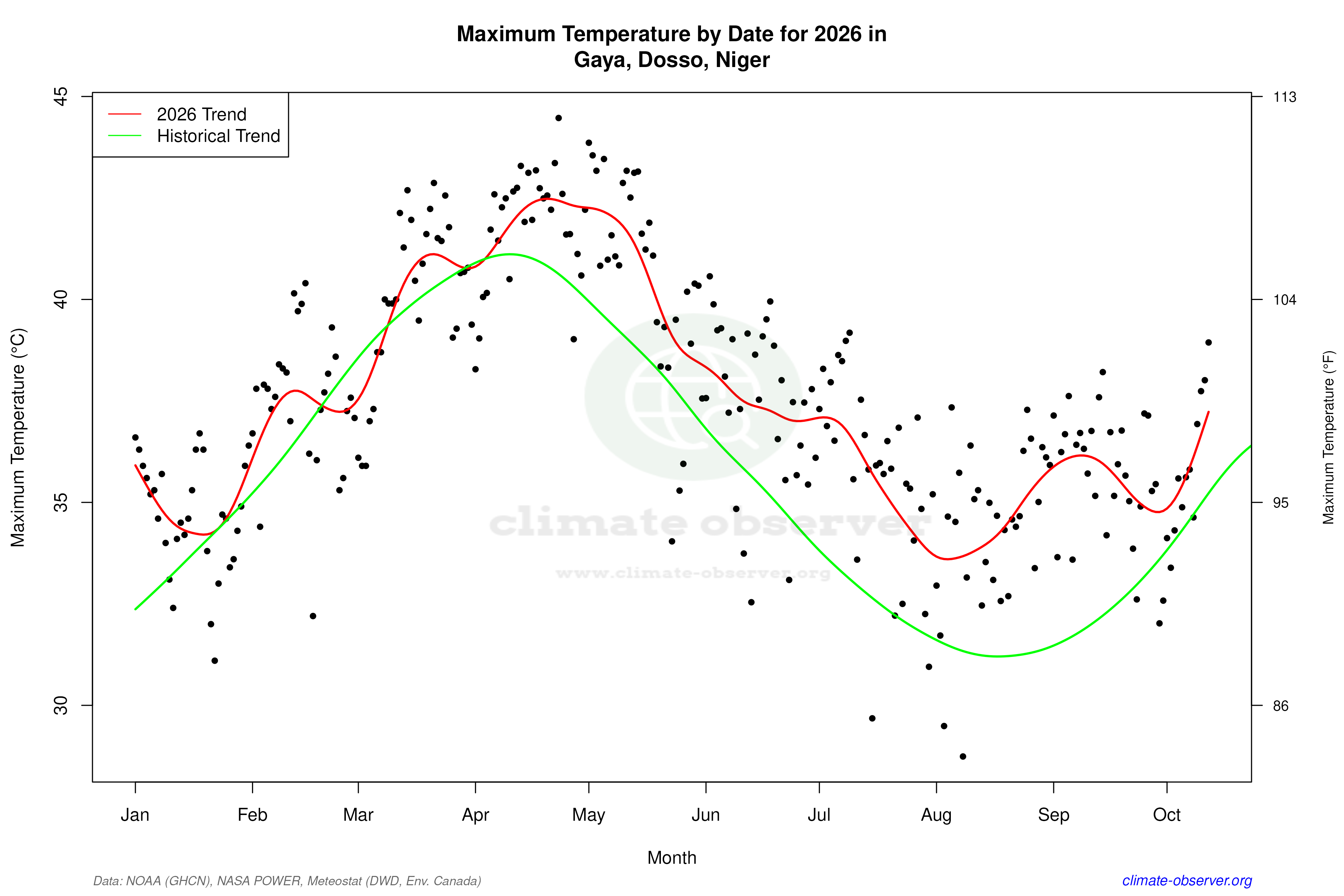
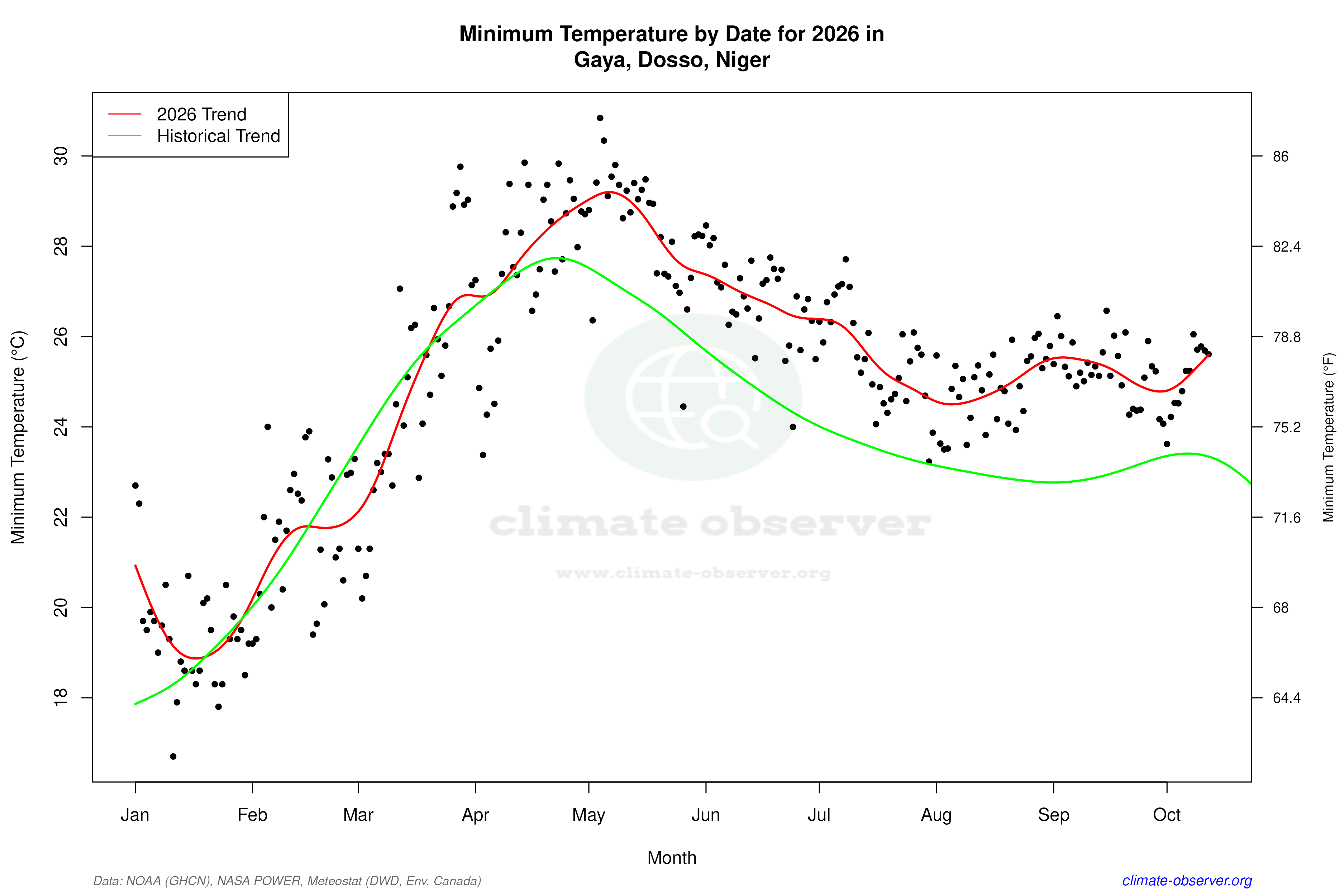
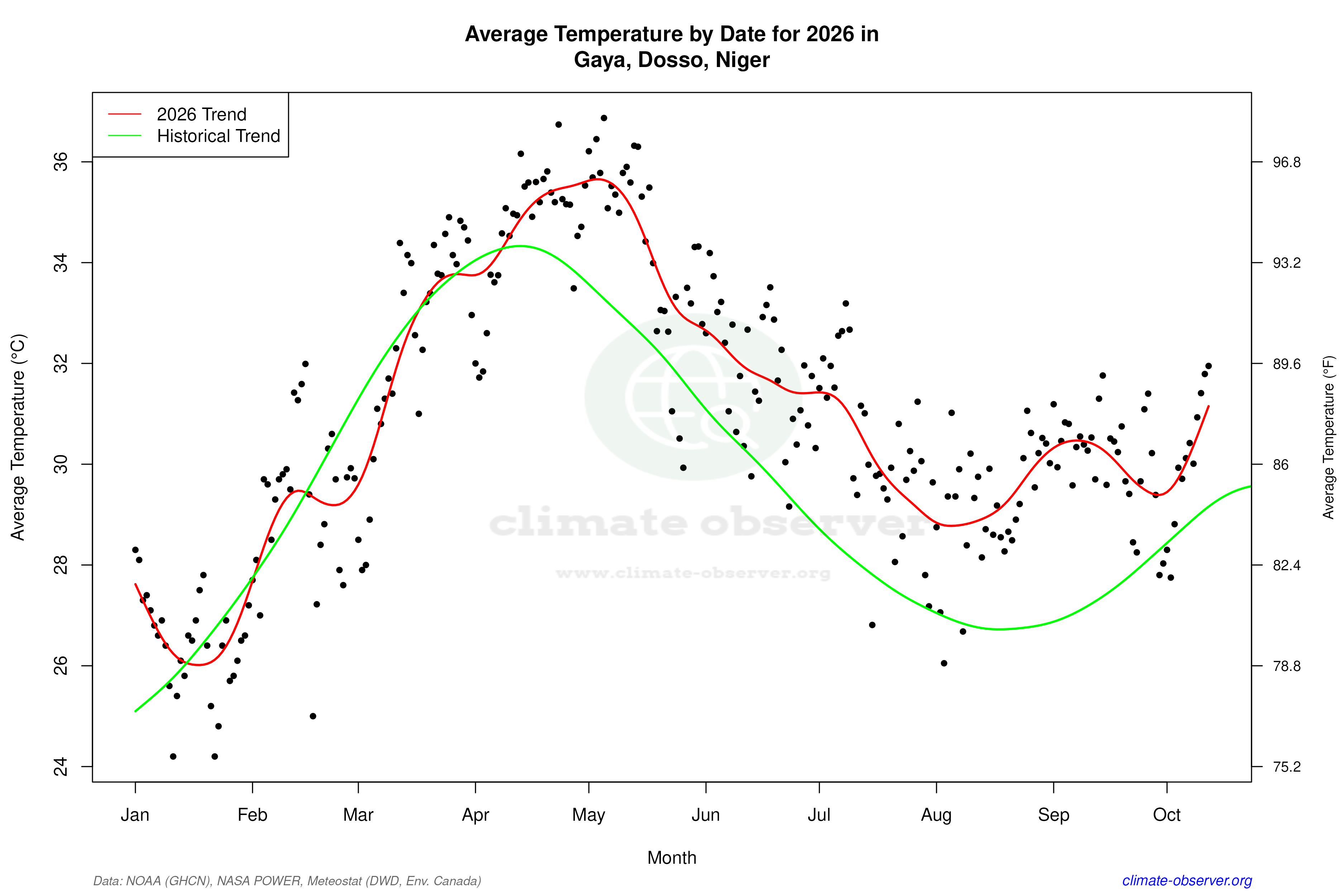
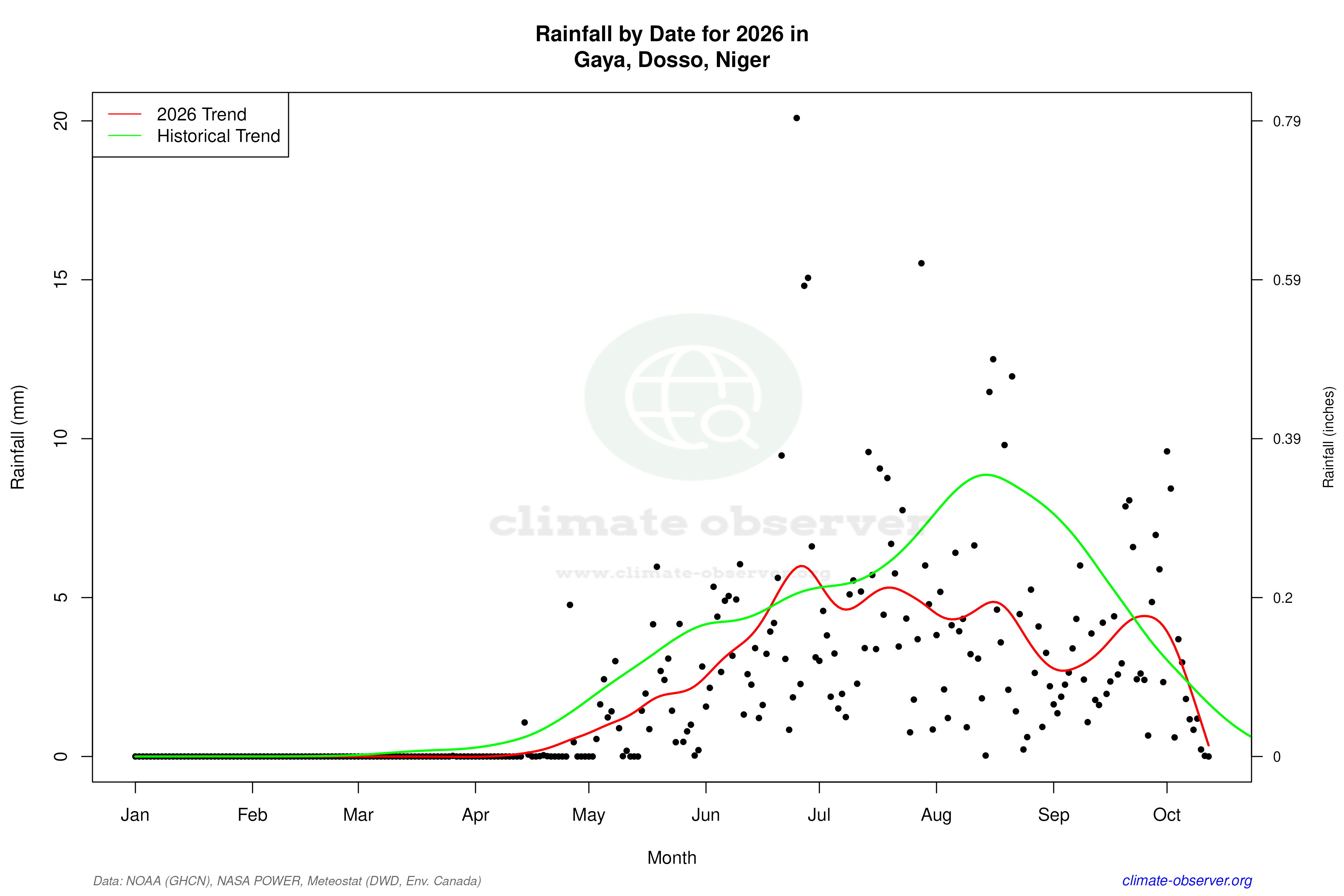
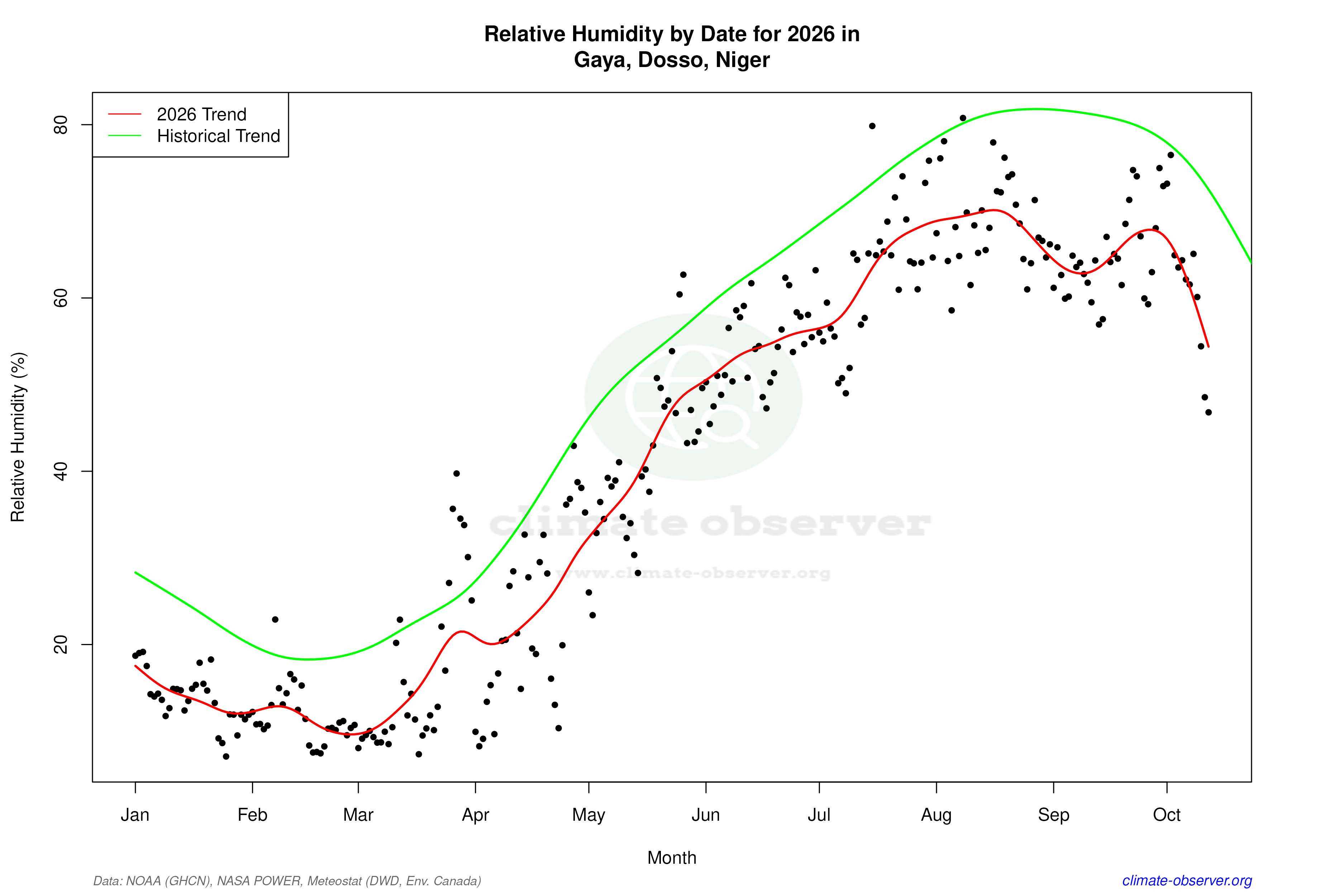

Max Temperature this Year | 1 of 6
Climate 12-Month Moving Averages
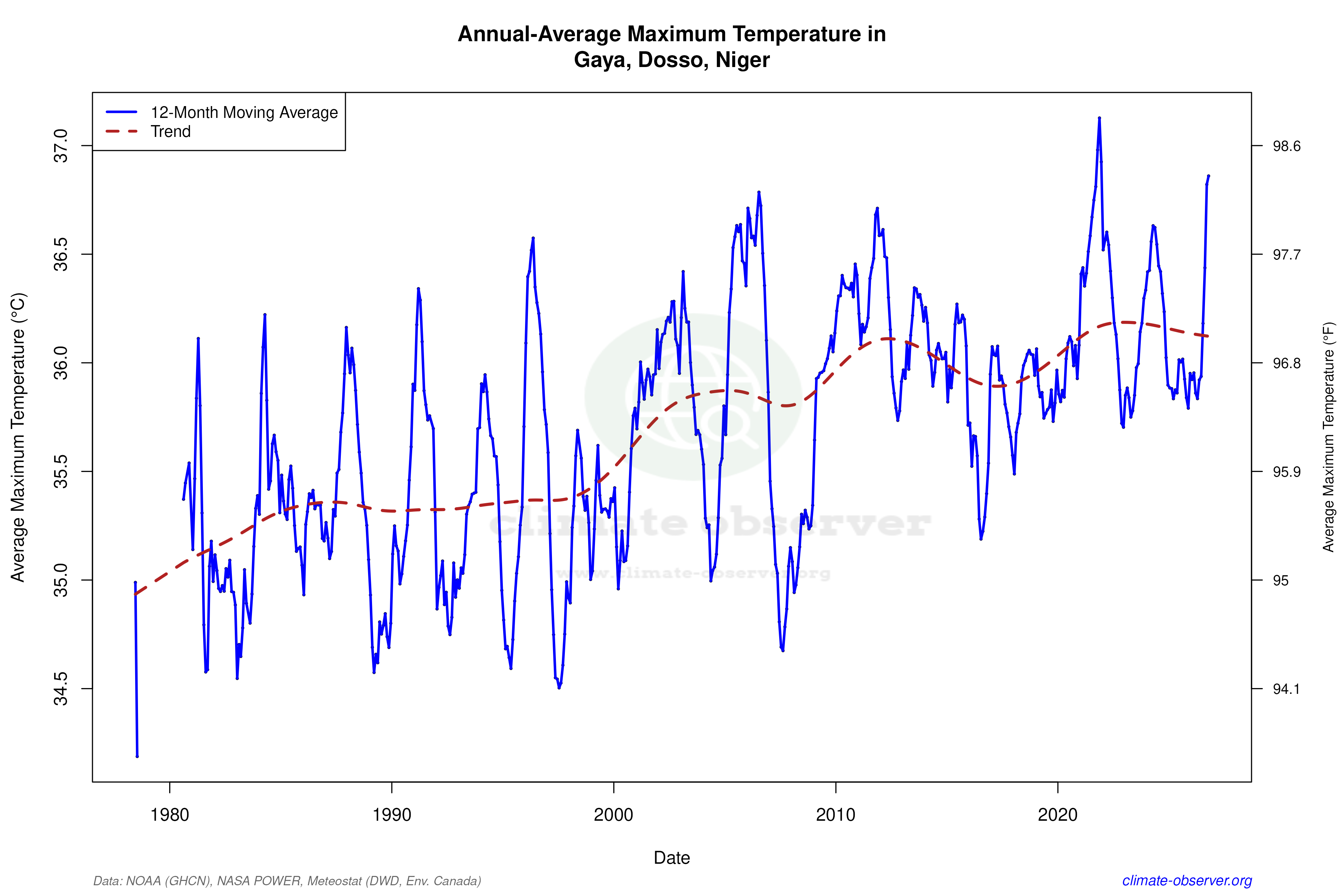
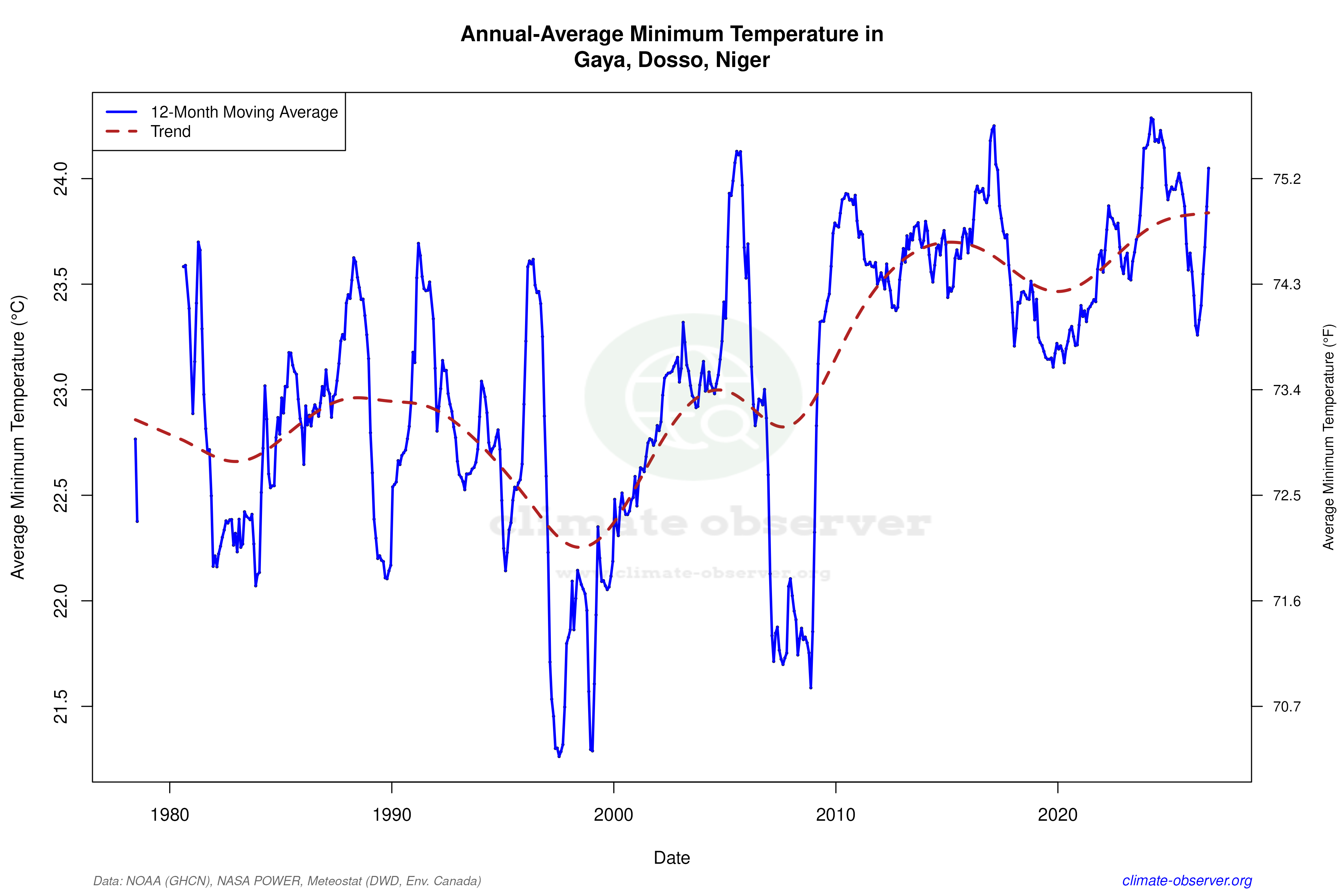
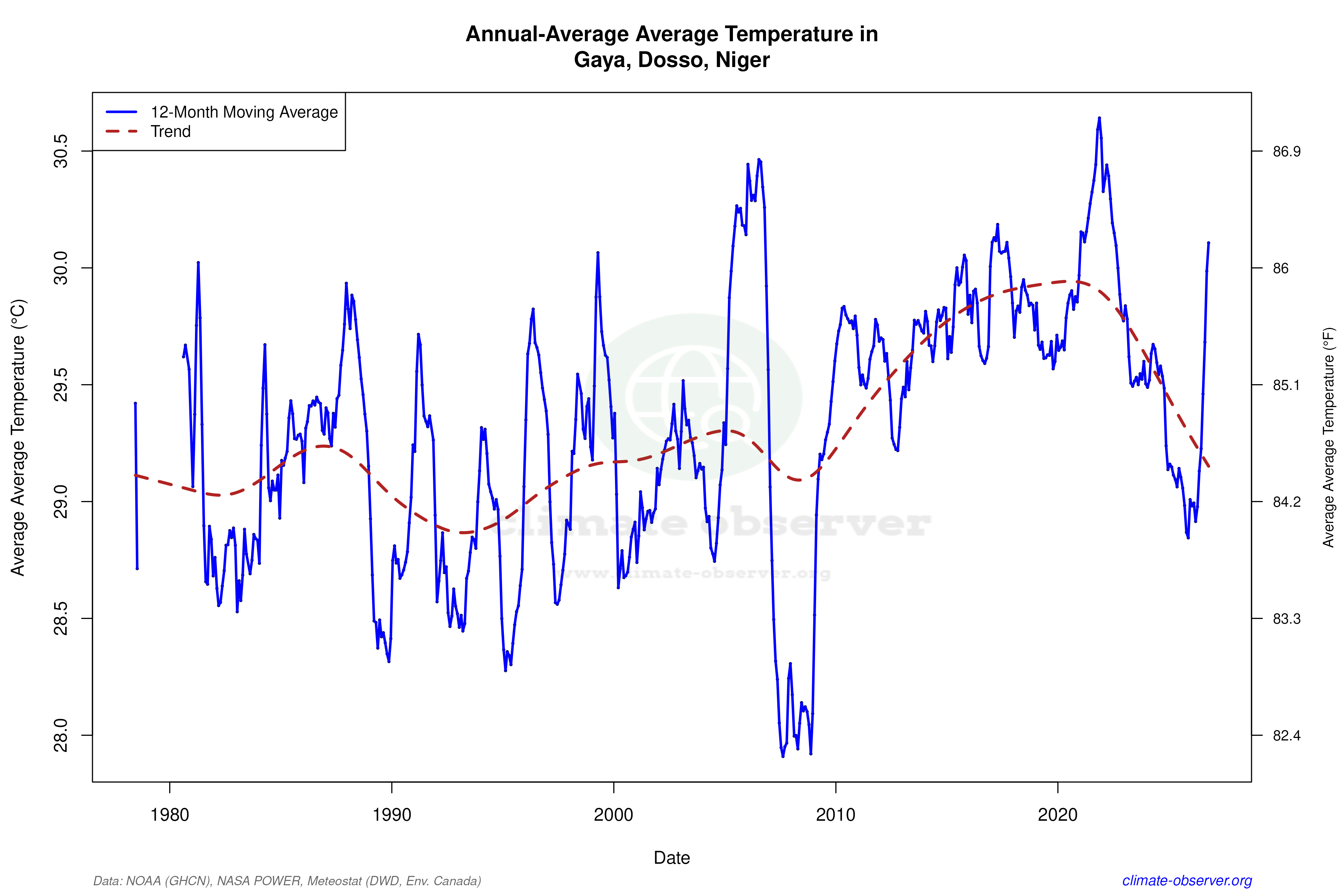
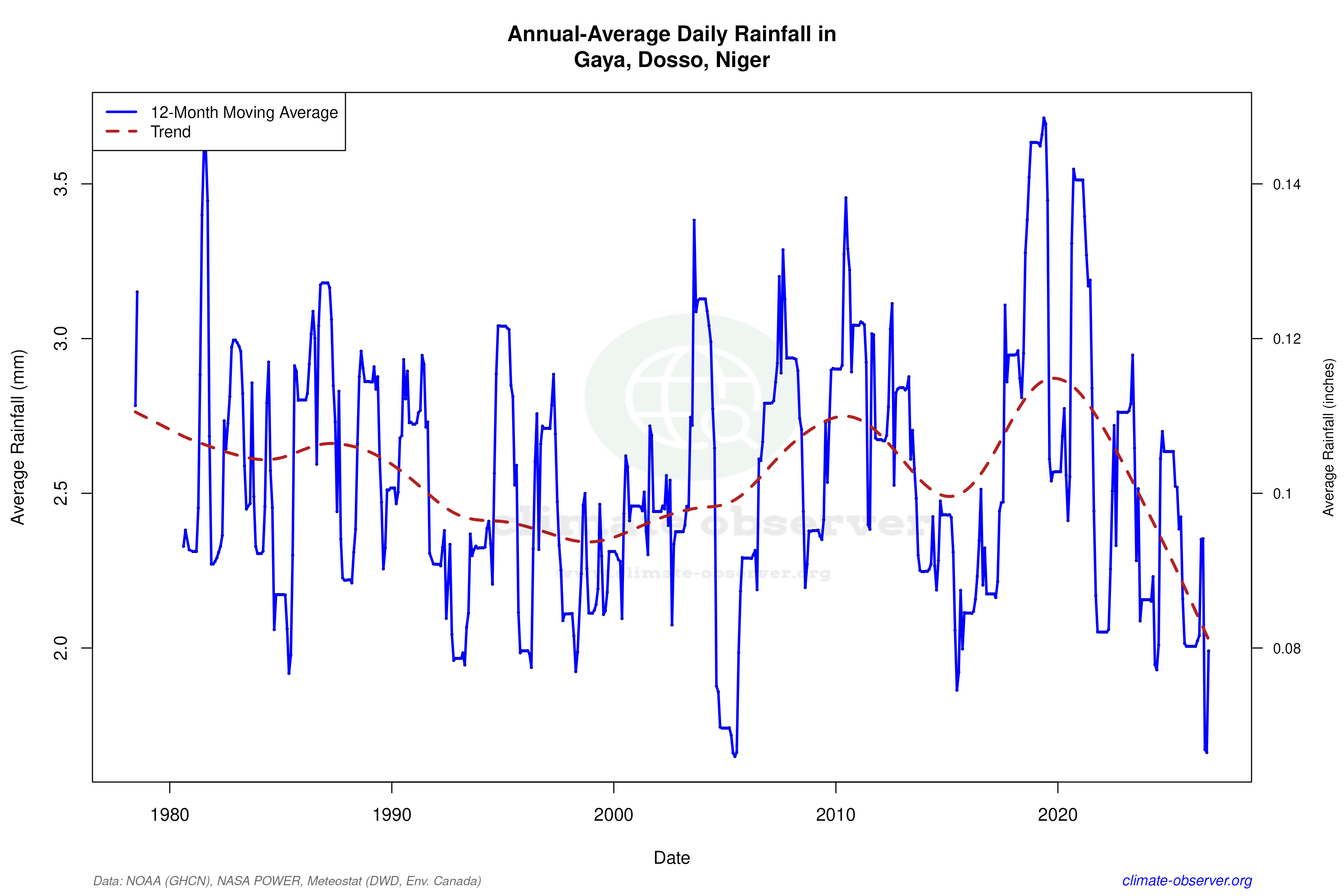
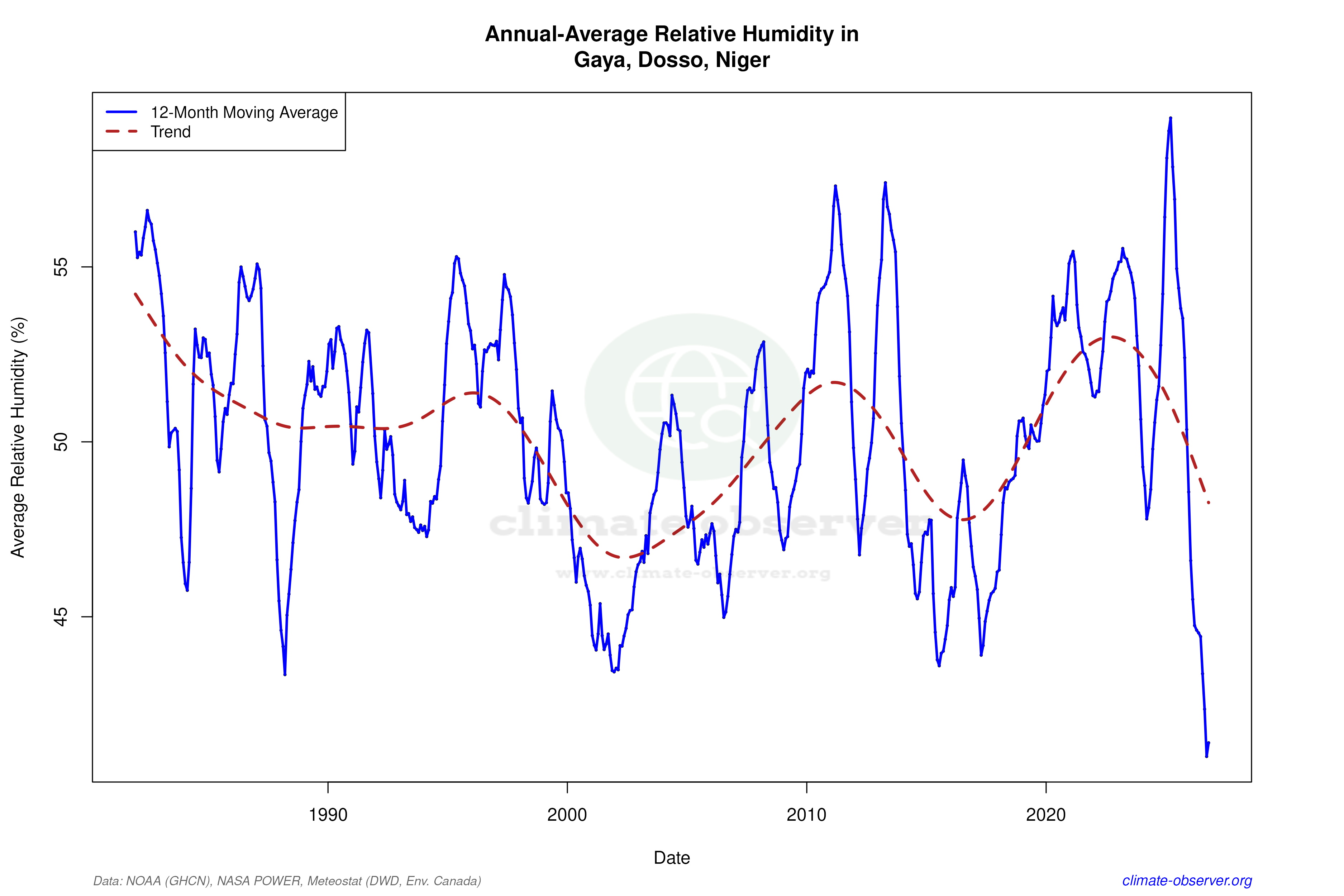

Max Temperature 12-Month MA | 1 of 6
Daily Data Points and Averages Throughout the Year
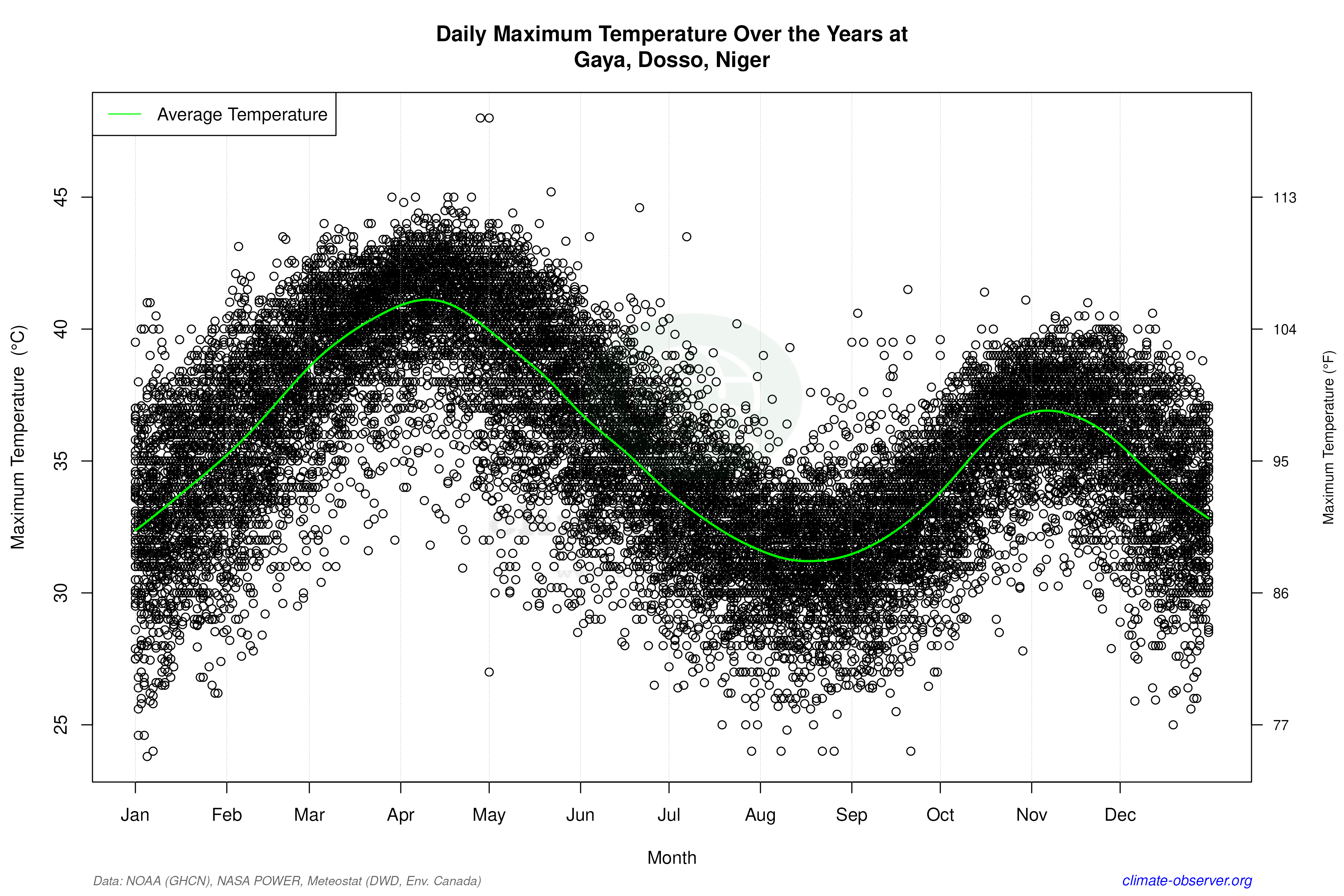
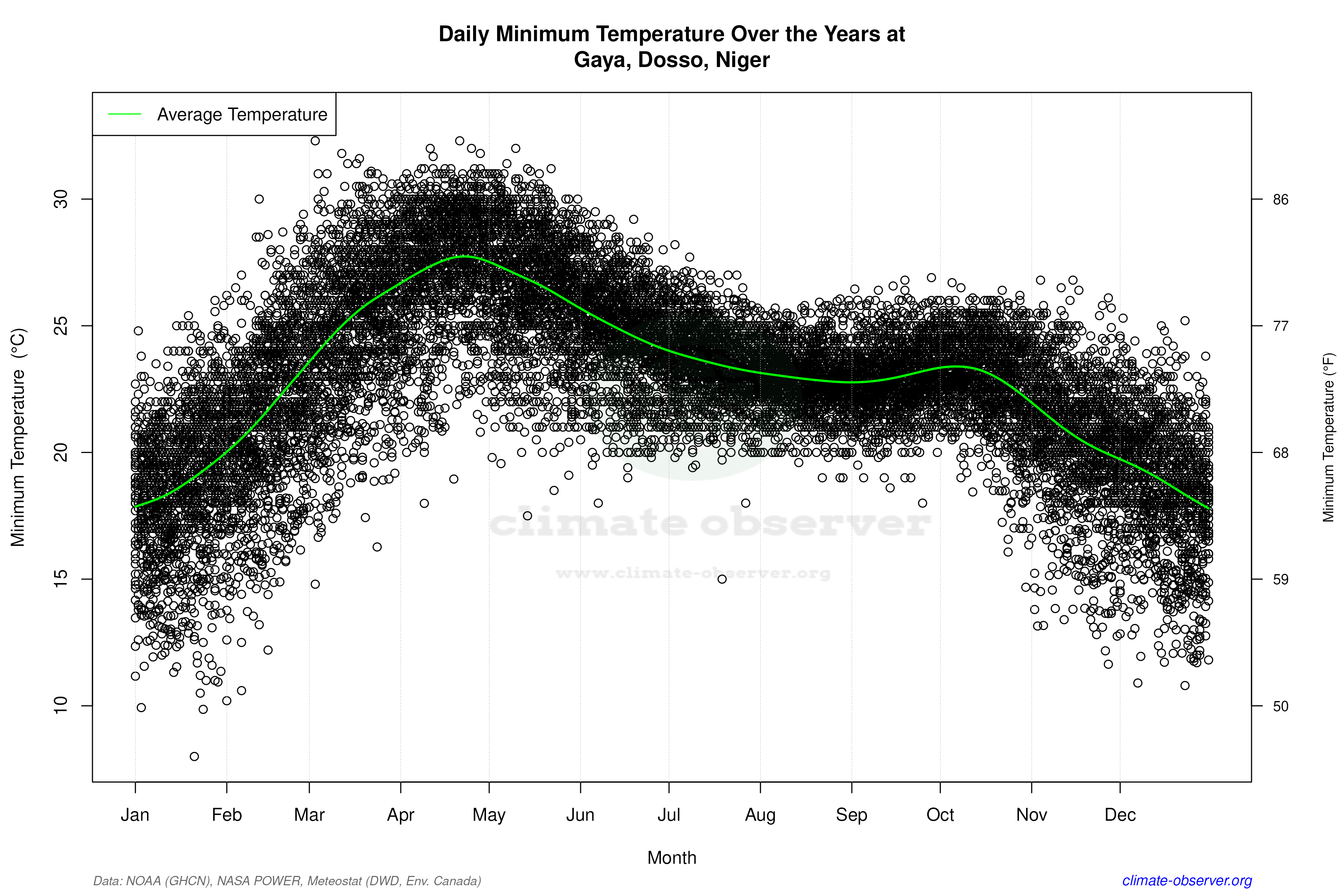
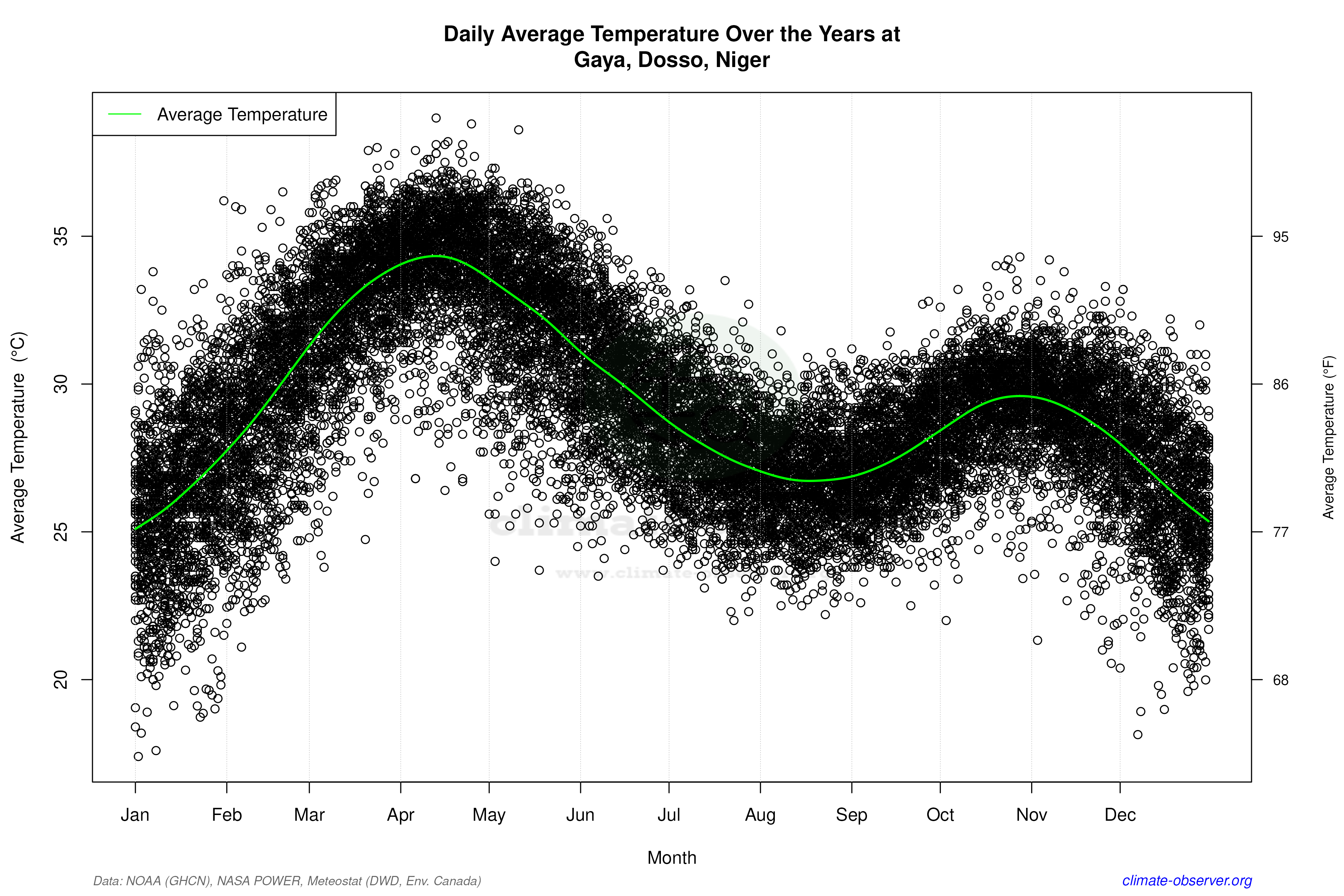
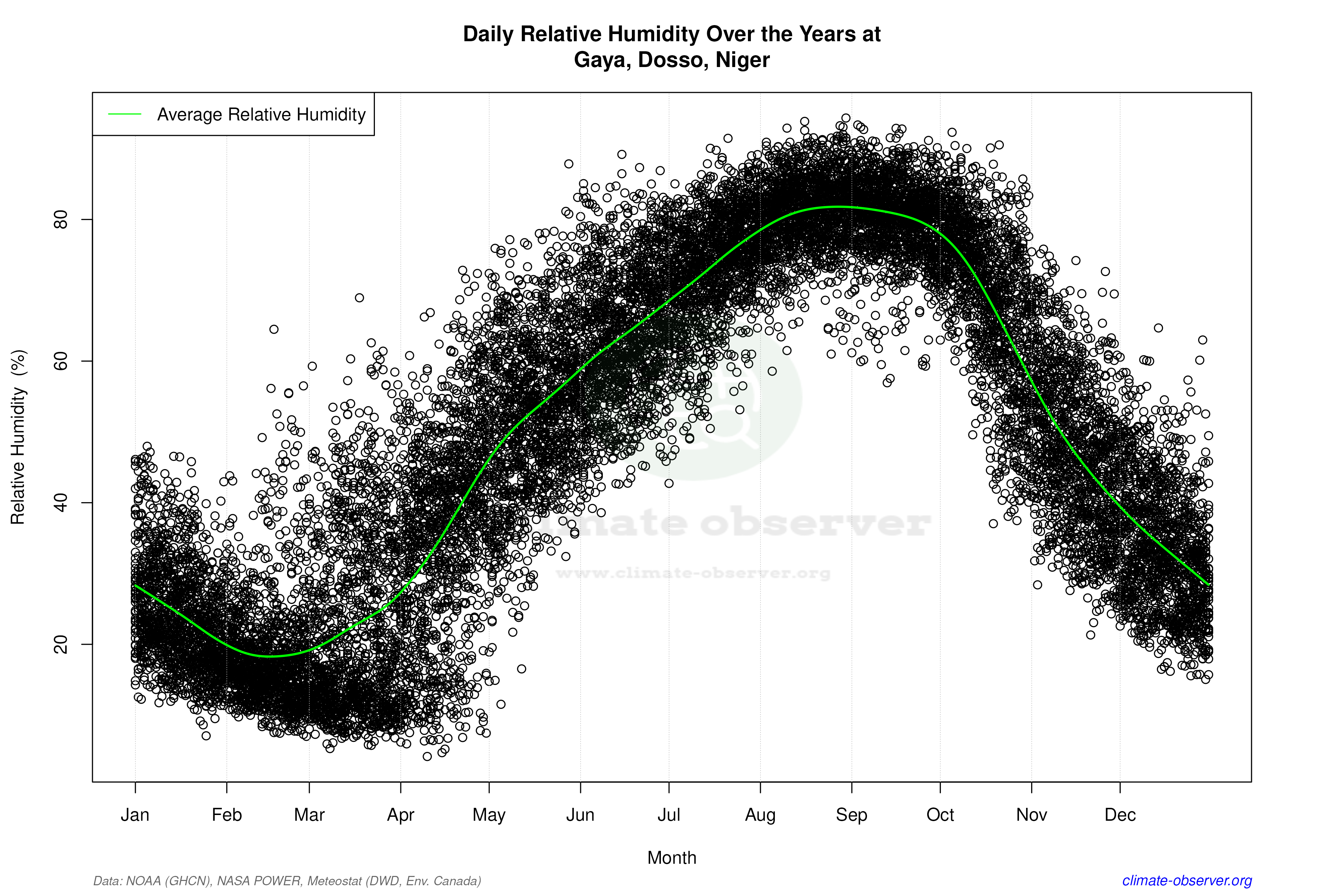

Average Max Temperature Throughout Year | 1 of 5

