Climate for Station: Kigali Intl, Kigali, Rwanda
Loading live weather...
Climate Analysis & Overview
Kigali International Airport is experiencing a complex climate narrative, with a notable warming trend in low temperatures over the last decade, contrasted by a cooling trend in high temperatures. The precipitation is becoming more evenly distributed, reflecting shifts in regional weather patterns.
Kigali's Climatic Context
Kigali International Airport, located at -1.969° latitude and 30.139° longitude, sits within Rwanda's tropical savanna climate zone, according to the Köppen classification. The region's climate is influenced by its elevation and proximity to the equator, which moderates temperature extremes. The surrounding hills and valleys further affect local weather patterns, contributing to the unique climatic conditions observed at this station.
Temperature Trends: A Tale of Two Extremes
Over the past decade, Kigali has experienced diverging temperature trends. The high temperatures have shown a cooling trend with a decrease of 0.36°C (0.65°F), while the low temperatures have risen by 1.20°C (2.16°F). This divergence suggests an increasing diurnal temperature range, potentially impacting local agriculture and energy consumption. When considering the all-time data, both high and low temperatures have risen, with highs increasing by 0.32°C (0.58°F) and lows by 0.53°C (0.95°F). This long-term warming trend aligns with global climate patterns, indicating a gradual rise in baseline temperatures.
Precipitation Patterns: Towards Even Distribution
The Precipitation Concentration Index (PCI) at Kigali International has decreased from a baseline of 12.71 to a current value of 9.66. This change signifies a more even distribution of rainfall throughout the year, which could mitigate the risk of flooding and droughts. Such a shift is crucial for Rwanda's agricultural sector, which relies heavily on consistent rainfall patterns. The decrease in PCI suggests a move towards more stable and predictable weather conditions, which is beneficial for planning and resource management.
Record Extremes: A Snapshot of Variability
Kigali's recorded temperature extremes provide a snapshot of its climatic variability. The highest recorded temperature is 40.0°C (104.0°F), while the lowest is 8.54°C (47.37°F). These extremes highlight the range of conditions that can occur, despite the generally moderate climate. Understanding these records is essential for infrastructure planning and public safety, as they represent the potential for extreme weather events.
Regional Climate Goals and Implications
Rwanda is actively pursuing climate resilience and sustainability goals, aiming to adapt to and mitigate the impacts of climate change. The trends observed at Kigali International Airport provide valuable insights into the local manifestations of global climate dynamics. The warming of low temperatures and the more even distribution of precipitation align with Rwanda's objectives to enhance agricultural productivity and reduce vulnerability to climate-related risks.
Station Statistics
10-Year Trend
High: -0.75 °C/decade
Low: +1.02 °C/decade
Rain: +0.29 mm/decade
25-Year Trend
High: +0.08 °C/decade
Low: +0.96 °C/decade
Rain: +0.23 mm/decade
50-Year Trend
High: +0.27 °C/decade
Low: +0.50 °C/decade
Rain: +0.23 mm/decade
All-Time Trend
High: +0.27 °C/decade
Low: +0.50 °C/decade
Rain: +0.23 mm/decade
Percentage Above-Average Days
Last 12 Months: 32.9%
This Year: 24.1%
Precipitation Concentration Index (PCI) ℹ️
Last 12 Months: 11.6
Historical Average: 12.1
Percentile Rank of Last 12 Months ℹ️
High: 58th percentile
Low: 97th percentile
Rain: 50th percentile
Change in Variance ℹ️
High: -26.1%
Low: -29.5%
Intraday: -25.1%
Data Coverage
86.0%
First Year of Data
1980
Station Location
Historical Weather Records
| Max High | Avg High | Min High | Max Avg | Avg Avg | Min Avg | Max Low | Avg Low | Min Low | Max Precipitation | Avg Precipitation | Max Snow | Avg Snow | |
|---|---|---|---|---|---|---|---|---|---|---|---|---|---|
| Record | 40.0 °C | — | 18.0 °C | 30.0 °C | — | 14.4 °C | 21.0 °C | — | 8.5 °C | 98.0 mm | — | — | — |
| January | 33.0 °C | 27.1 °C | 20.0 °C | 28.0 °C | 21.0 °C | 16.6 °C | 20.0 °C | 15.7 °C | 11.6 °C | 55.9 mm | 2.9 mm | — | — |
| February | 40.0 °C | 27.8 °C | 18.8 °C | 30.0 °C | 21.3 °C | 15.6 °C | 20.3 °C | 15.9 °C | 10.8 °C | 87.1 mm | 3.7 mm | — | — |
| March | 33.8 °C | 27.0 °C | 18.0 °C | 25.8 °C | 20.8 °C | 15.9 °C | 20.0 °C | 15.9 °C | 12.0 °C | 89.9 mm | 4.7 mm | — | — |
| April | 31.9 °C | 25.6 °C | 20.0 °C | 25.4 °C | 20.3 °C | 17.1 °C | 19.0 °C | 15.9 °C | 12.6 °C | 98.0 mm | 5.9 mm | — | — |
| May | 31.0 °C | 25.3 °C | 19.3 °C | 26.5 °C | 20.4 °C | 16.3 °C | 21.0 °C | 15.8 °C | 10.3 °C | 84.1 mm | 4.1 mm | — | — |
| June | 30.8 °C | 25.8 °C | 19.2 °C | 25.3 °C | 20.5 °C | 14.9 °C | 20.0 °C | 14.7 °C | 9.4 °C | 52.5 mm | 1.1 mm | — | — |
| July | 33.8 °C | 26.6 °C | 19.7 °C | 25.8 °C | 20.9 °C | 15.3 °C | 20.0 °C | 14.3 °C | 8.5 °C | 26.3 mm | 0.6 mm | — | — |
| August | 32.8 °C | 27.6 °C | 21.0 °C | 26.9 °C | 21.7 °C | 16.7 °C | 21.0 °C | 15.5 °C | 9.3 °C | 39.9 mm | 1.4 mm | — | — |
| September | 36.3 °C | 27.9 °C | 19.9 °C | 29.2 °C | 21.6 °C | 16.6 °C | 21.0 °C | 16.0 °C | 9.8 °C | 53.1 mm | 2.5 mm | — | — |
| October | 32.8 °C | 27.0 °C | 20.4 °C | 27.2 °C | 20.9 °C | 16.3 °C | 20.2 °C | 15.9 °C | 11.7 °C | 89.9 mm | 3.8 mm | — | — |
| November | 30.6 °C | 25.9 °C | 19.5 °C | 26.9 °C | 20.1 °C | 15.7 °C | 19.0 °C | 15.6 °C | 12.0 °C | 82.0 mm | 4.6 mm | — | — |
| December | 32.0 °C | 26.3 °C | 19.0 °C | 25.8 °C | 20.4 °C | 14.4 °C | 19.9 °C | 15.4 °C | 10.6 °C | 89.9 mm | 3.6 mm | — | — |
Data Visualisations
Remove WatermarksCurrent Year Climate Trends vs Historical
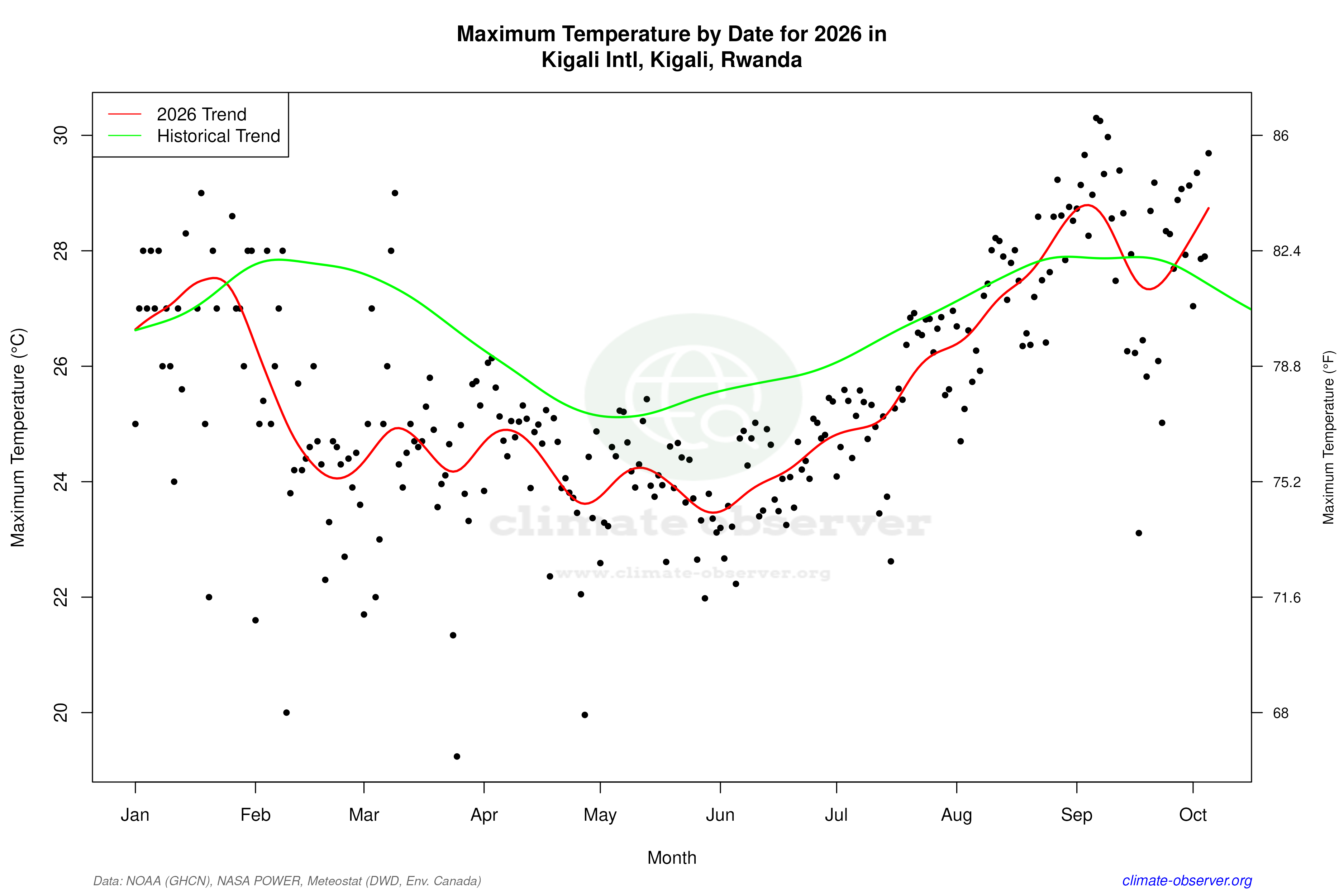
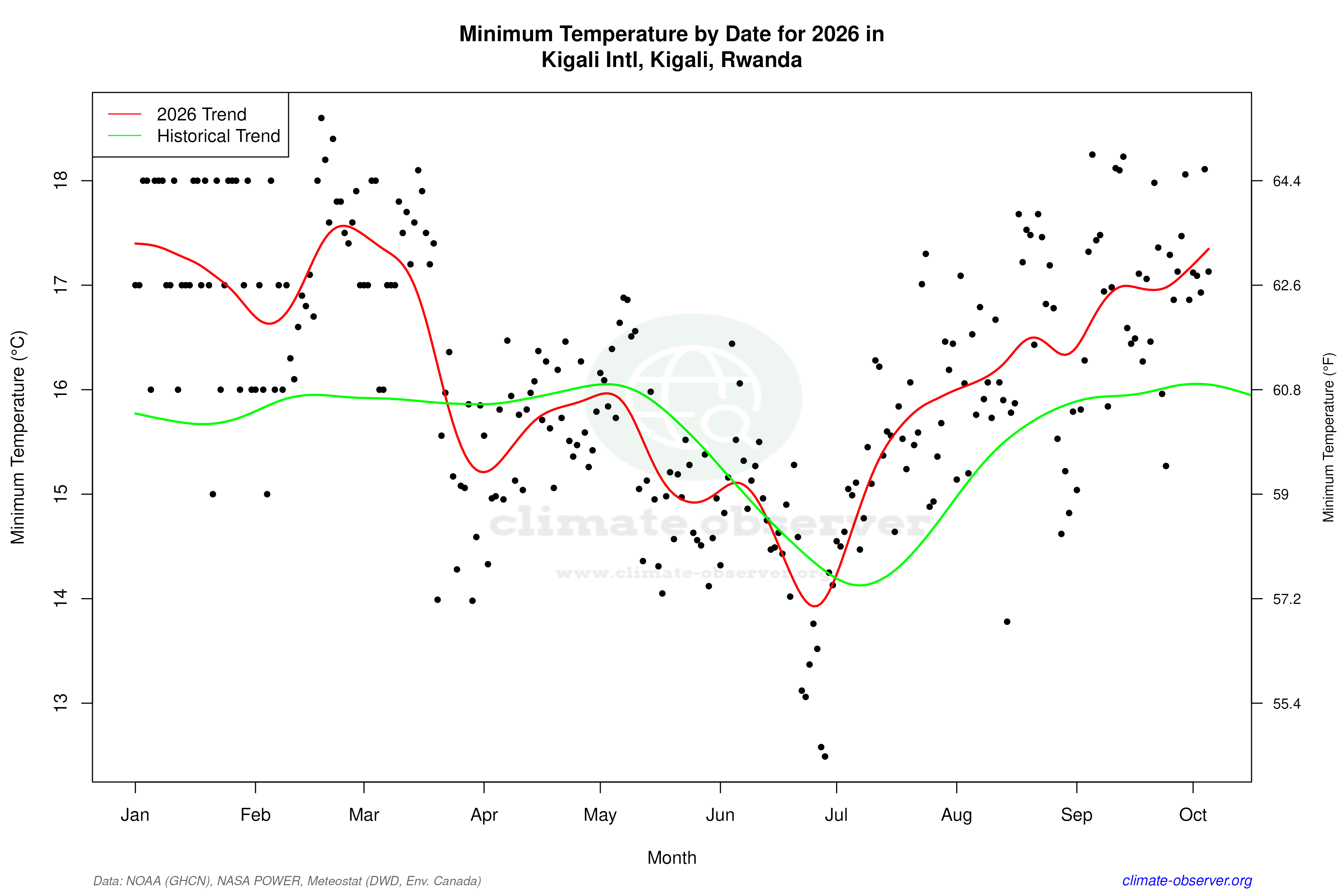
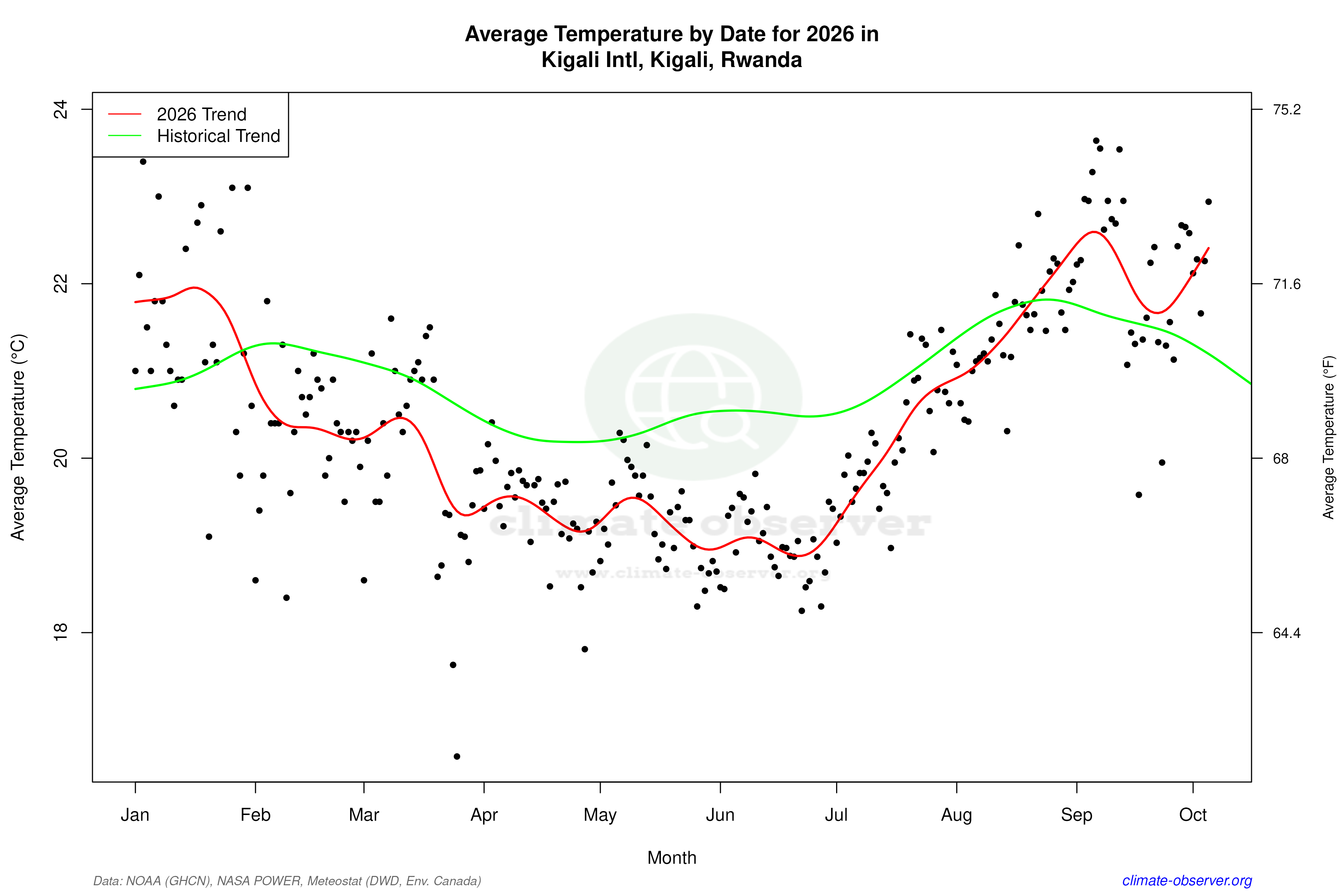
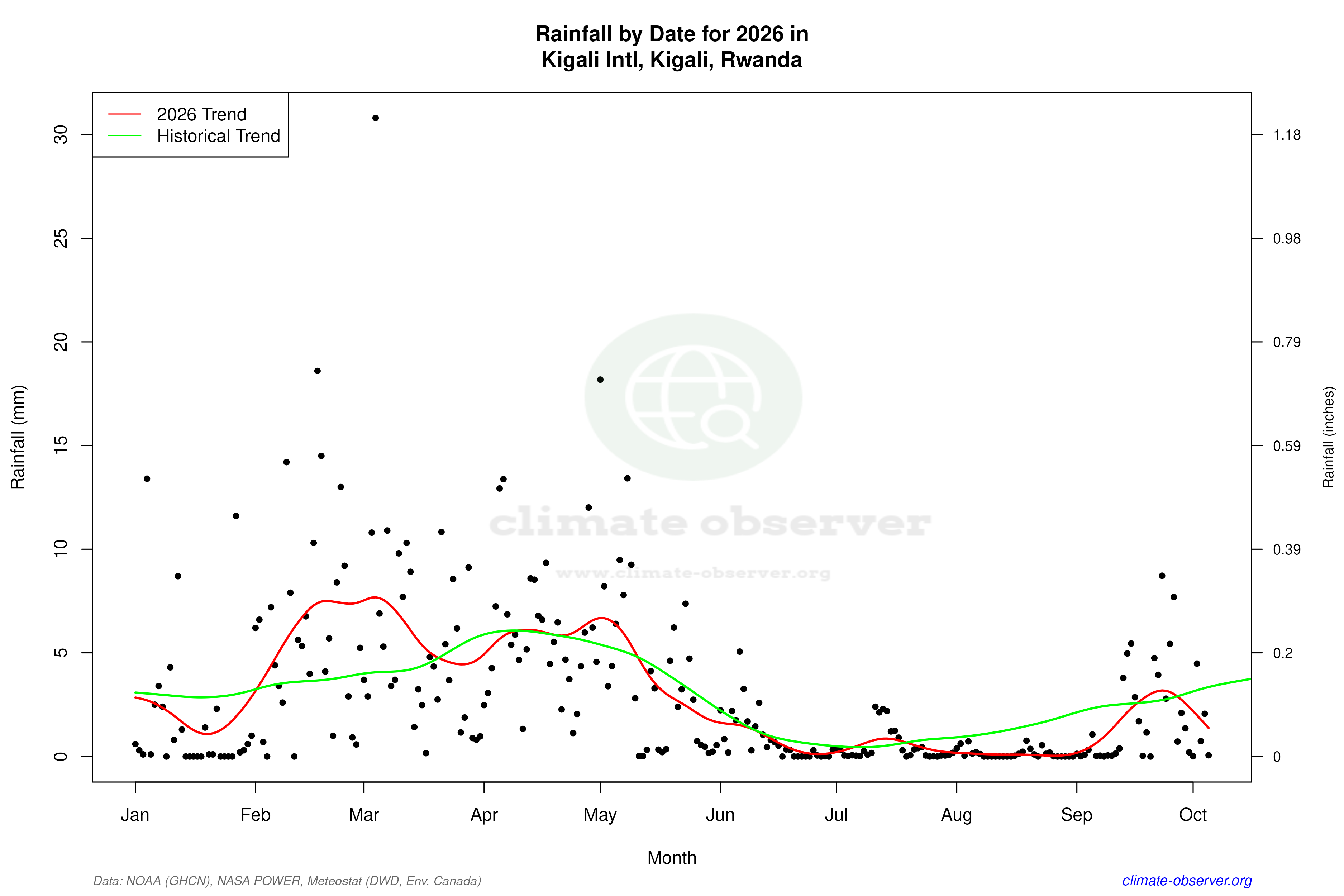
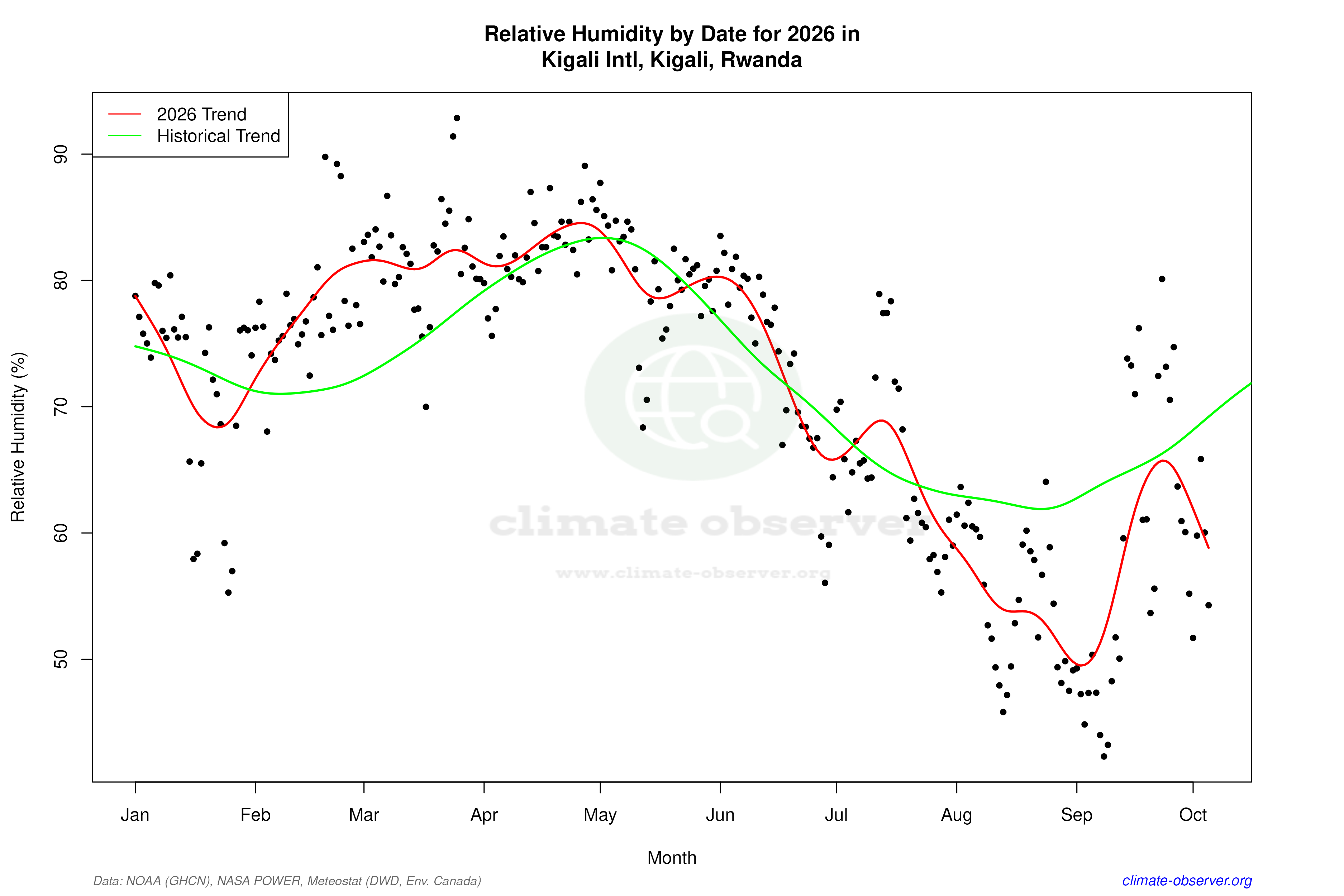

Max Temperature this Year | 1 of 6
Climate 12-Month Moving Averages
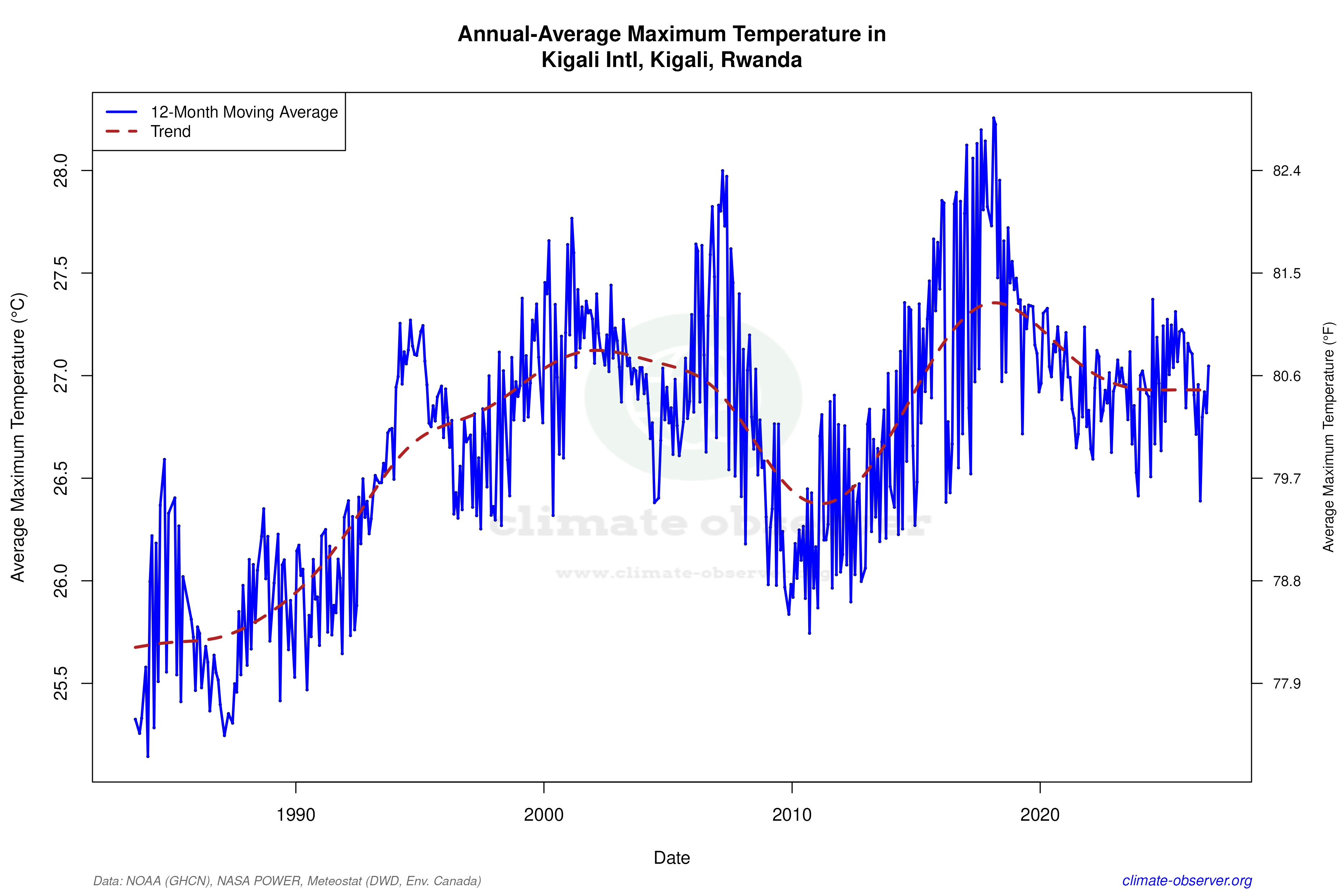
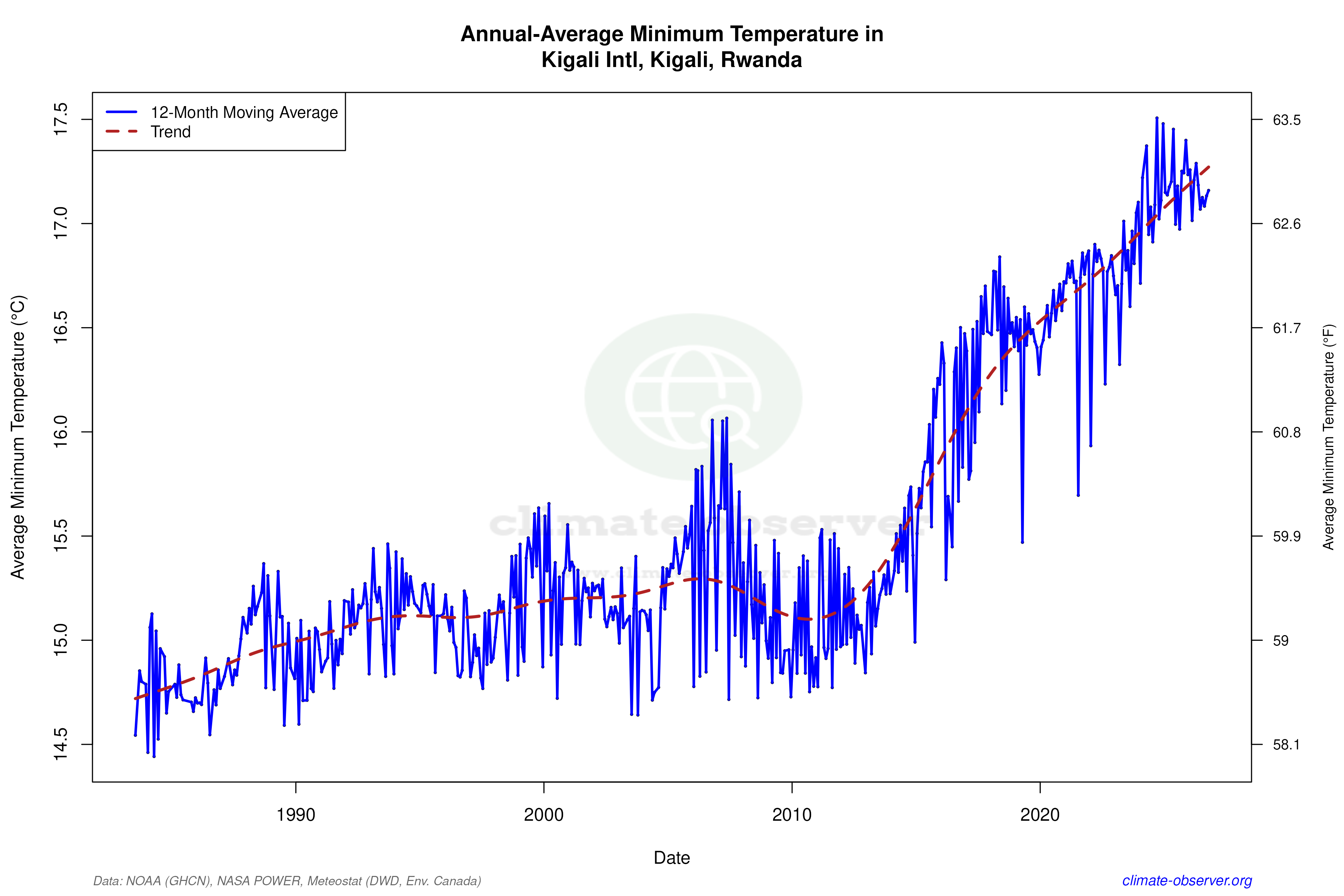
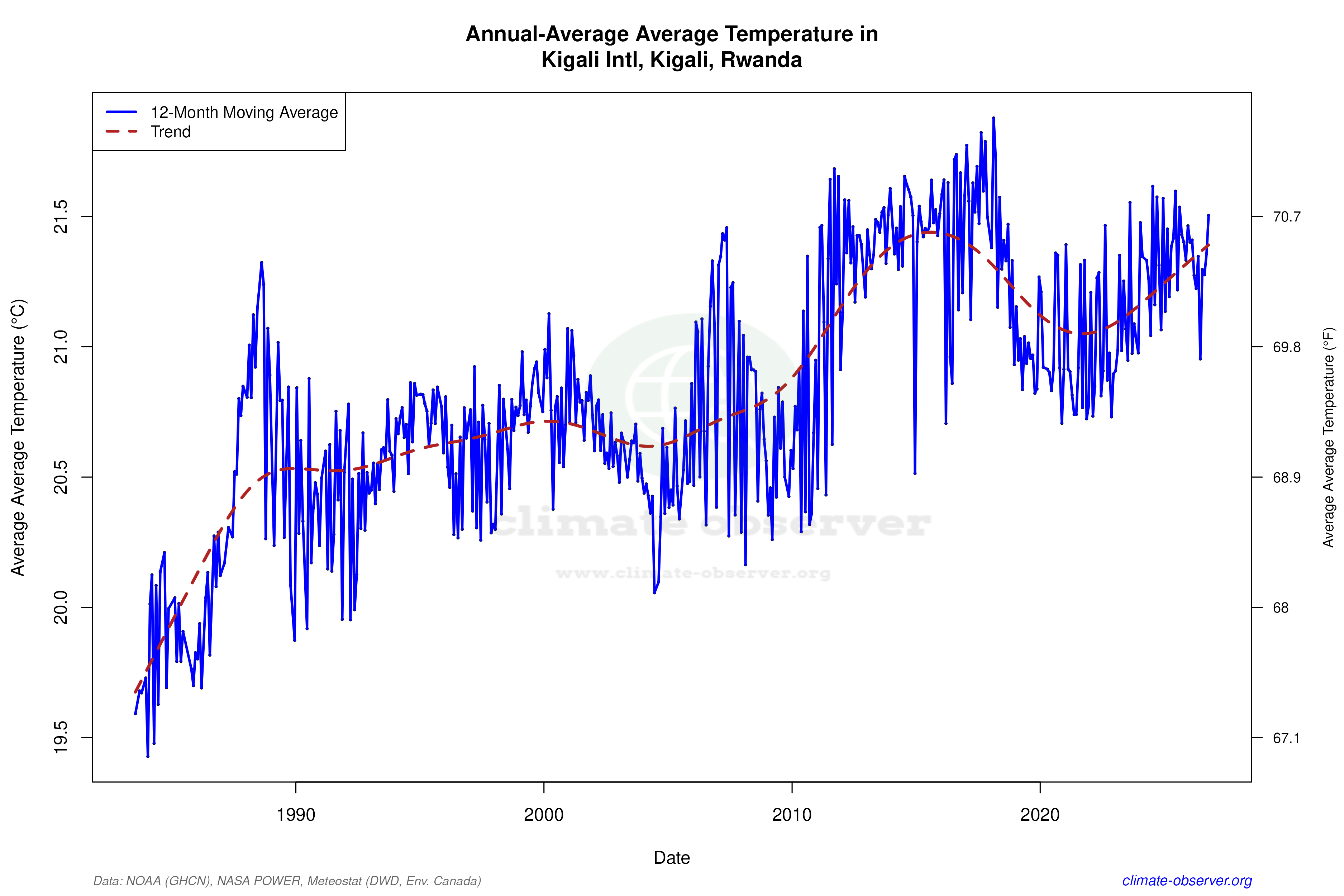
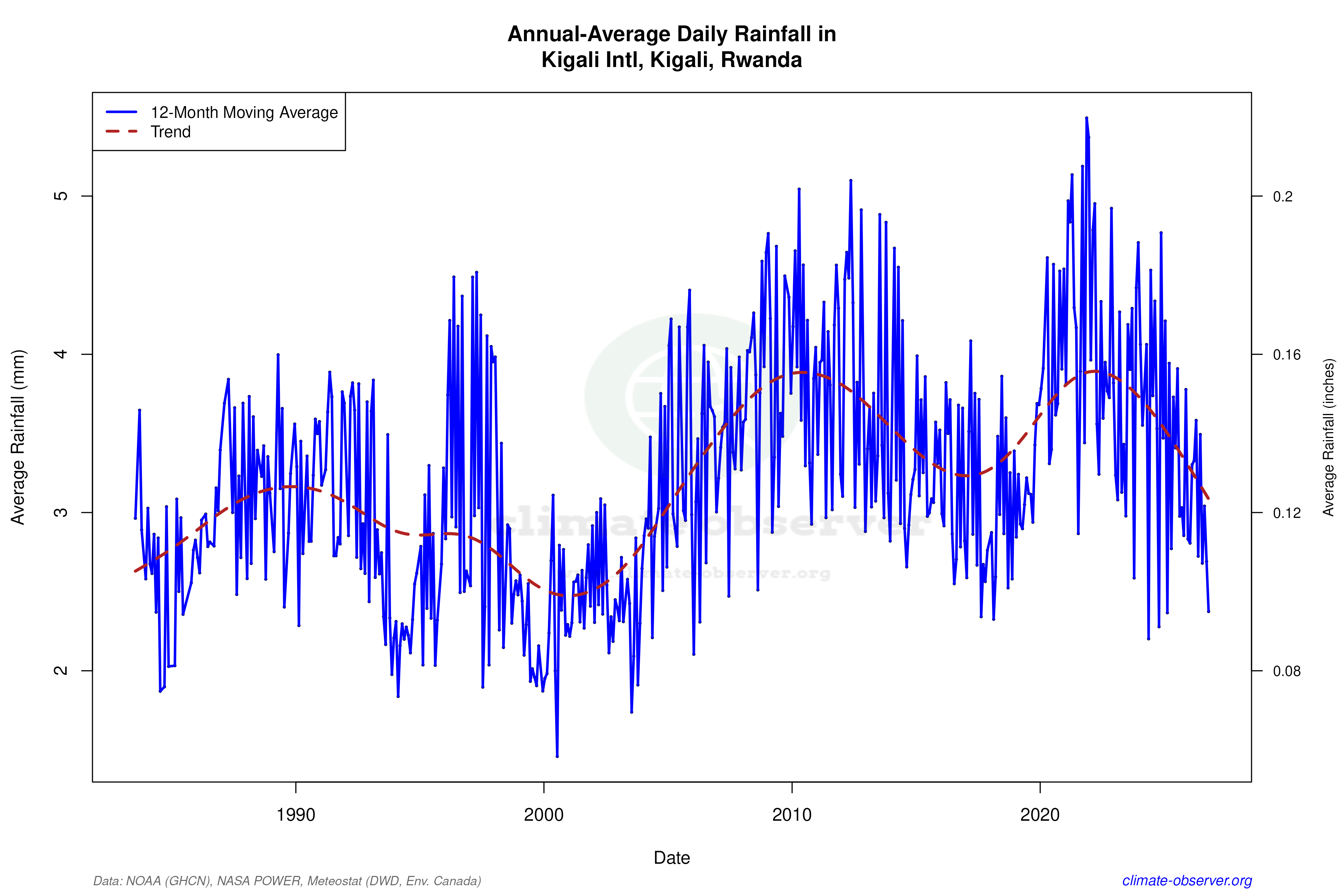
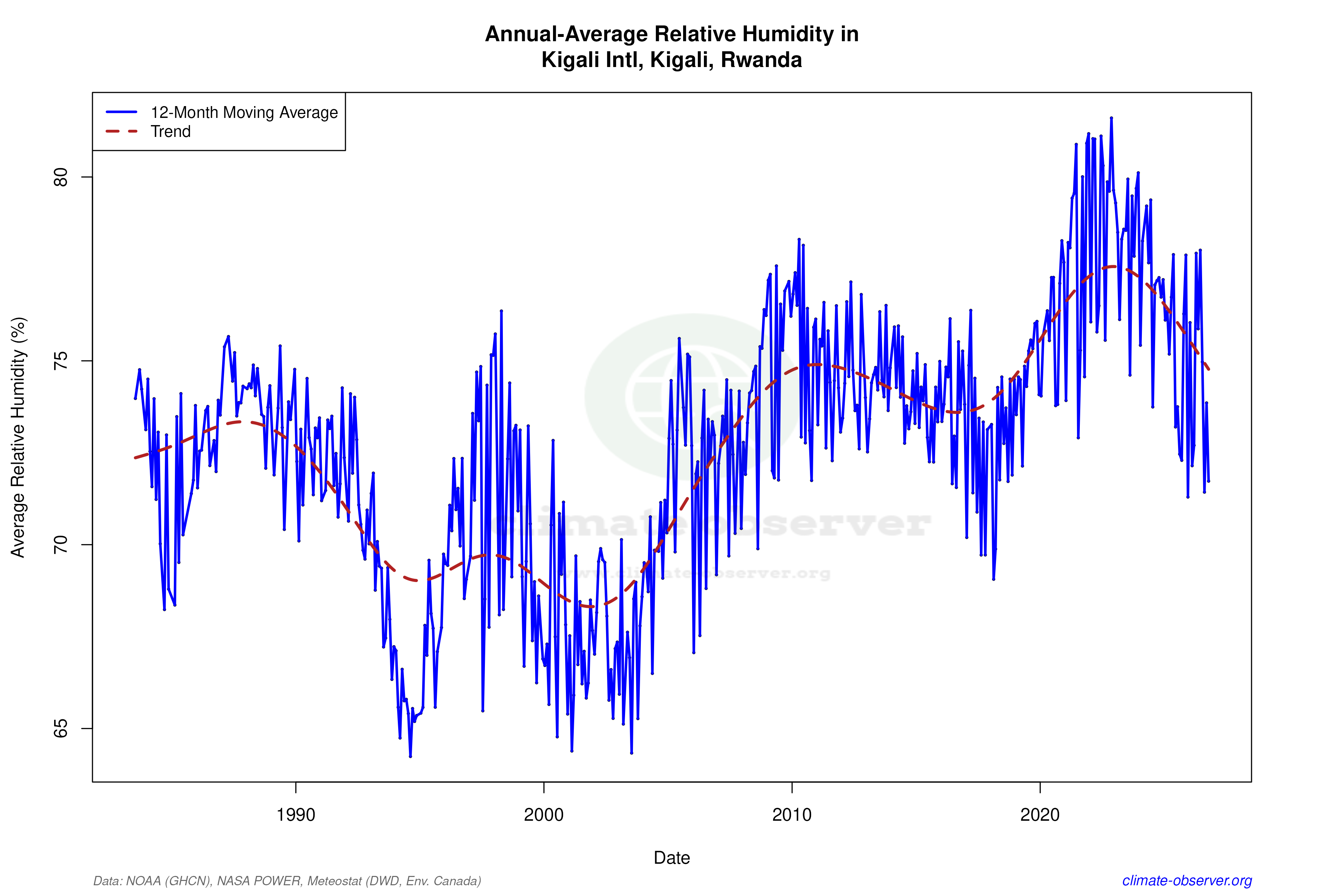

Max Temperature 12-Month MA | 1 of 6
Daily Data Points and Averages Throughout the Year
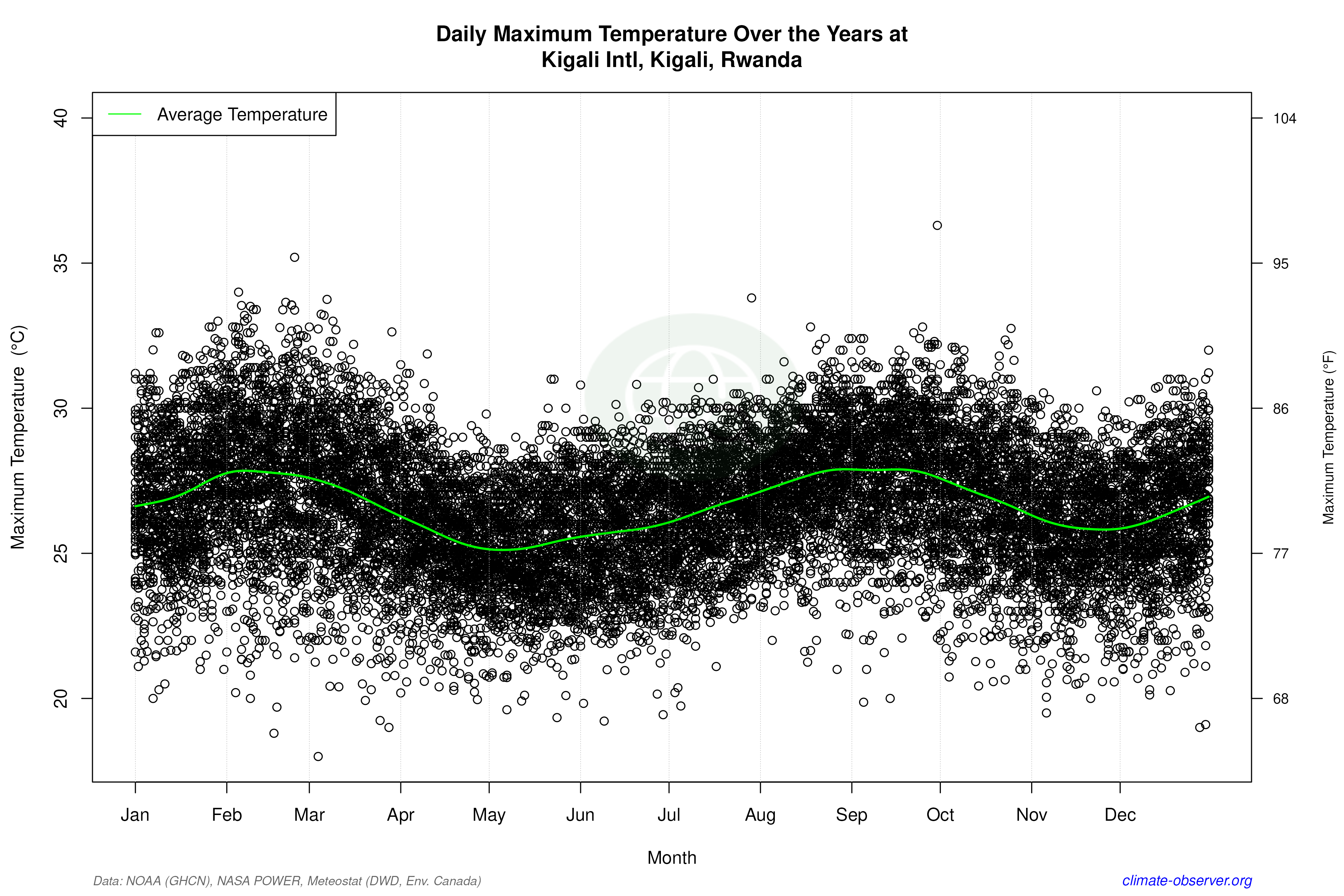
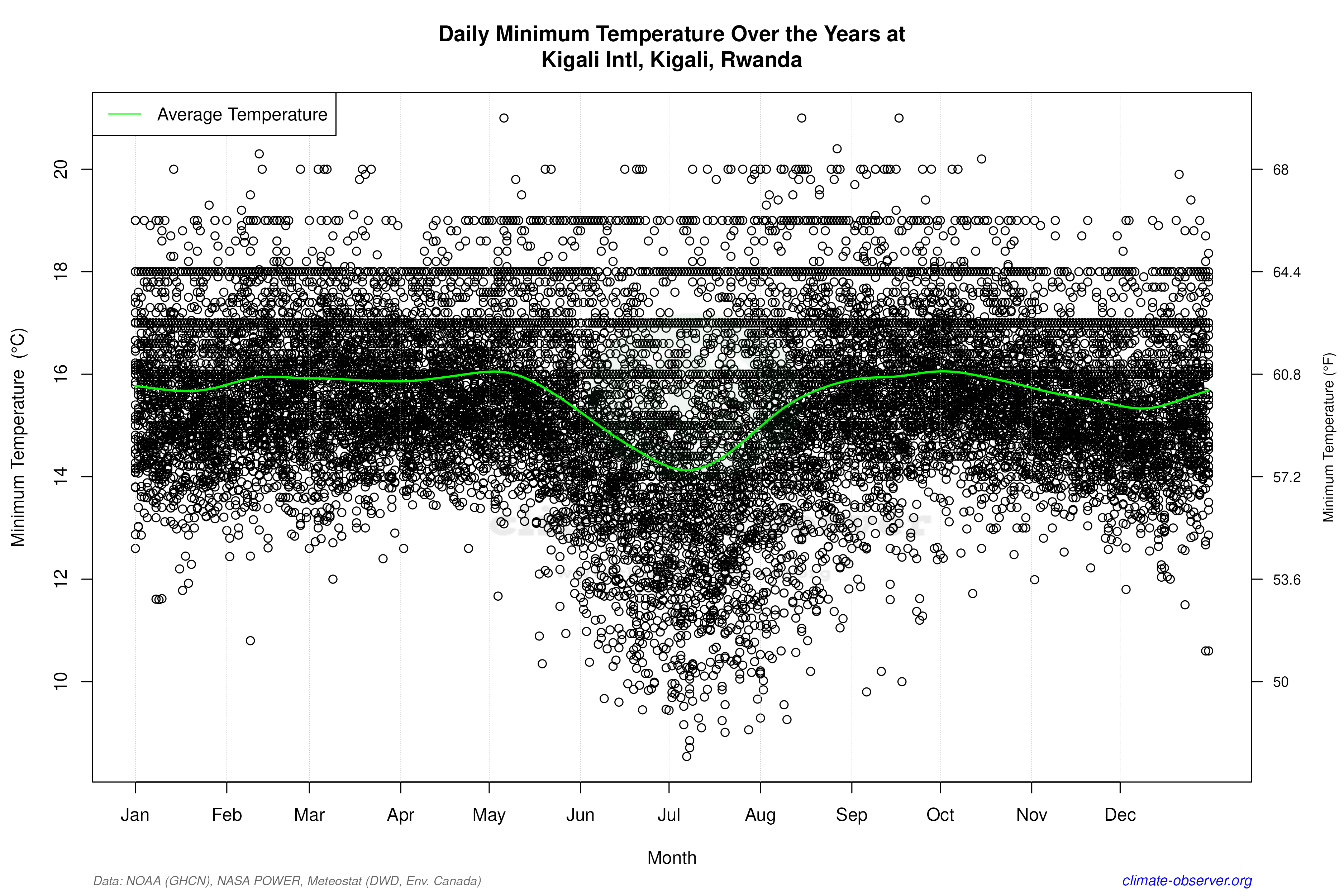
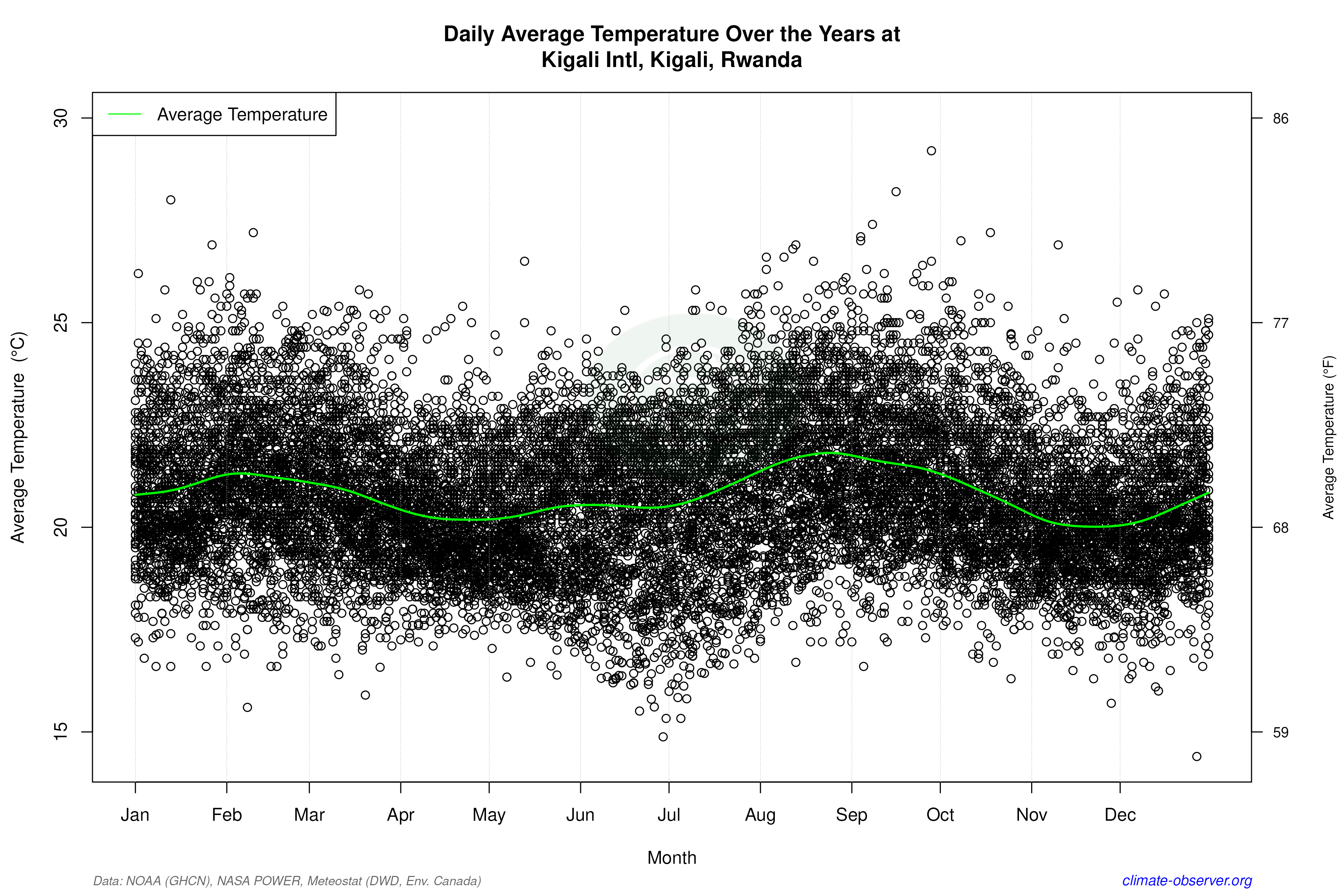
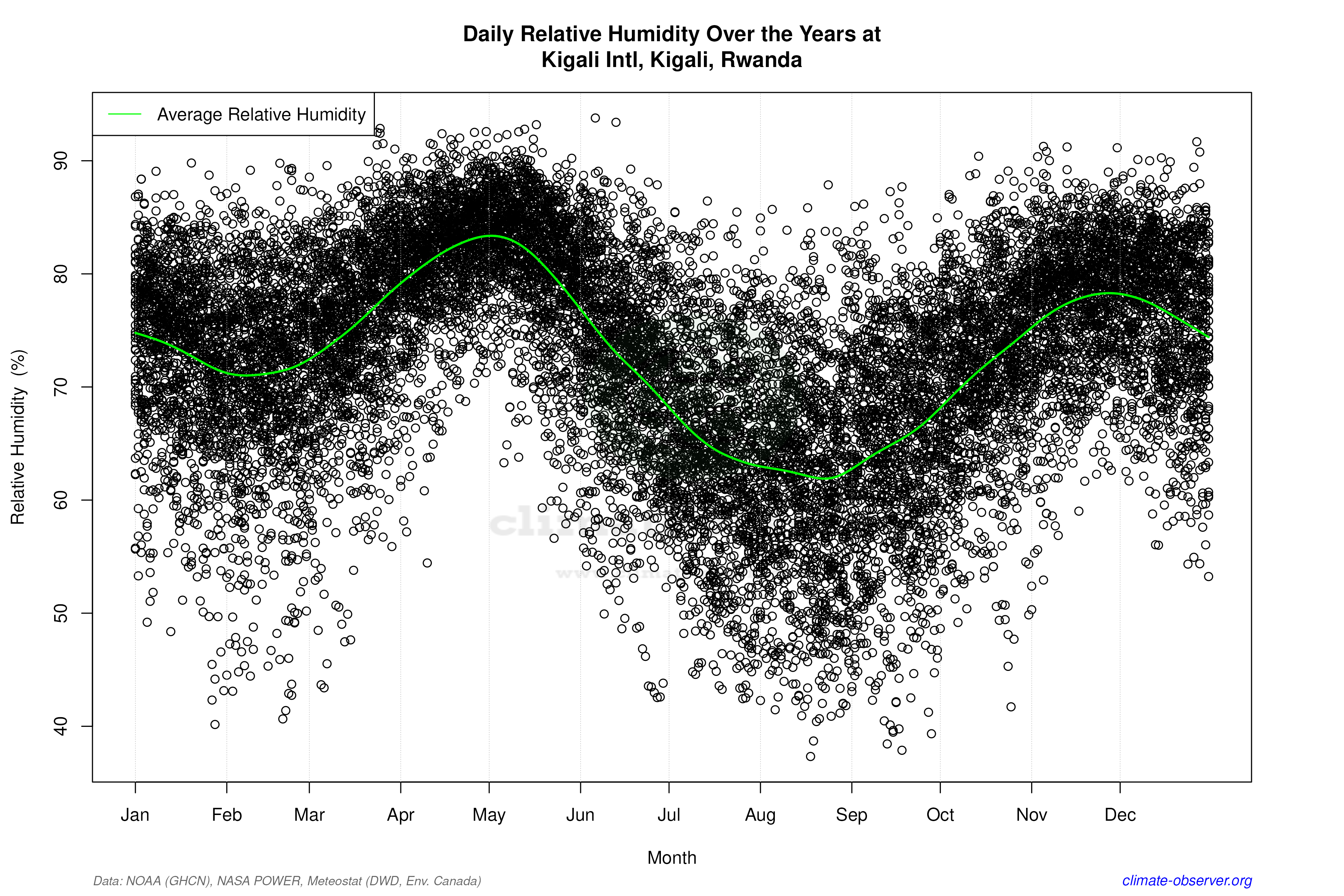

Average Max Temperature Throughout Year | 1 of 5


