Climate for Station: Harnosand, Sweden
Loading live weather...
Climate Analysis & Overview
Härnösand is experiencing a warming trend, with both highs and lows rising over the past decade. The region's precipitation is becoming more evenly distributed, aligning with Sweden's climate goals for balanced water resources.
Climate Classification and Geographic Influence
Härnösand, located at 62.63°N, 17.93°E, sits in a region classified under the Köppen climate system as Dfb, indicating a humid continental climate with warm summers and no dry season. This climate type is influenced by its coastal position along the Gulf of Bothnia, which moderates temperature extremes and contributes to a relatively stable climate. The surrounding water bodies and forests play a crucial role in maintaining this balance, impacting both temperature and precipitation patterns.
Temperature Trends: A Warming Landscape
Examining the temperature trends, Härnösand has experienced a noticeable warming over the past decade. High temperatures have increased by 0.16°C (0.29°F), while low temperatures have risen by 0.41°C (0.74°F). When considering longer-term data, the all-time trends reveal a warming of 0.09°C (0.15°F) for highs and 0.18°C (0.32°F) for lows. This consistent rise in temperatures aligns with global warming patterns and suggests an ongoing shift towards milder winters and warmer summers.
Precipitation Patterns: Towards Even Distribution
The Precipitation Concentration Index (PCI) for Härnösand has decreased from a baseline of 12.16 to a current value of 10.39. This reduction indicates a more even distribution of precipitation events throughout the year, moving away from concentrated, intense rainfall to more frequent, moderate showers. Such a trend is beneficial for water management and aligns with Sweden's regional climate goals of reducing flood risks and ensuring consistent water supply.
Temperature Extremes: Record Highs and Lows
Härnösand's temperature records show a maximum of 36.5°C (97.7°F) and a minimum of -35.0°C (-31.0°F). These extremes highlight the region's capacity for significant thermal variation, influenced by both its latitude and maritime effects. While these records are historical, the warming trends suggest that future extremes may lean towards higher temperatures, potentially challenging local ecosystems and infrastructure.
Regional Climate Goals and Future Outlook
Sweden's commitment to reducing carbon emissions and enhancing climate resilience is reflected in Härnösand's evolving climate profile. The more evenly distributed precipitation and warming trends align with national strategies to mitigate climate change impacts. As Härnösand continues to adapt, these trends will play a crucial role in shaping sustainable environmental policies and practices.
Station Statistics
10-Year Trend
High: -0.40 °C/decade
Low: +0.56 °C/decade
Rain: +0.13 mm/decade
25-Year Trend
High: +0.04 °C/decade
Low: +0.32 °C/decade
Rain: +0.13 mm/decade
50-Year Trend
High: +0.43 °C/decade
Low: +0.54 °C/decade
Rain: +0.09 mm/decade
All-Time Trend
High: +0.09 °C/decade
Low: +0.18 °C/decade
Rain: +0.01 mm/decade
Percentage Above-Average Days
Last 12 Months: 45.2%
This Year: 38.7%
Precipitation Concentration Index (PCI) ℹ️
Last 12 Months: 28.5
Historical Average: 11.6
Percentile Rank of Last 12 Months ℹ️
High: 51st percentile
Low: 95th percentile
Rain: 96th percentile
Change in Variance ℹ️
High: -10.4%
Low: -9.8%
Intraday: -14.2%
Data Coverage
75.6%
First Year of Data
1867
Station Location
Historical Weather Records
| Max High | Avg High | Min High | Max Avg | Avg Avg | Min Avg | Max Low | Avg Low | Min Low | Max Precipitation | Avg Precipitation | Max Snow | Avg Snow | |
|---|---|---|---|---|---|---|---|---|---|---|---|---|---|
| Record | 36.5 °C | — | -27.5 °C | 25.1 °C | — | -33.5 °C | 20.5 °C | — | -35.0 °C | 317.3 mm | — | — | — |
| January | 10.6 °C | -2.3 °C | -27.5 °C | 7.4 °C | -6.9 °C | -30.8 °C | 5.9 °C | -9.6 °C | -35.0 °C | 83.5 mm | 1.5 mm | — | — |
| February | 12.5 °C | -1.6 °C | -25.0 °C | 6.9 °C | -6.4 °C | -27.9 °C | 5.9 °C | -9.7 °C | -33.2 °C | 29.5 mm | 1.1 mm | — | — |
| March | 17.5 °C | 2.0 °C | -15.5 °C | 8.2 °C | -1.9 °C | -19.6 °C | 6.2 °C | -6.5 °C | -31.0 °C | 37.0 mm | 1.1 mm | — | — |
| April | 22.4 °C | 6.6 °C | -6.0 °C | 13.9 °C | 2.8 °C | -6.2 °C | 11.0 °C | -2.0 °C | -18.0 °C | 78.0 mm | 1.2 mm | — | — |
| May | 29.0 °C | 12.5 °C | -1.0 °C | 20.4 °C | 8.4 °C | -1.4 °C | 13.7 °C | 2.9 °C | -8.0 °C | 42.5 mm | 1.3 mm | — | — |
| June | 36.5 °C | 17.8 °C | 5.0 °C | 23.3 °C | 13.5 °C | 4.9 °C | 18.5 °C | 8.1 °C | -2.7 °C | 57.1 mm | 1.6 mm | — | — |
| July | 33.0 °C | 20.6 °C | 10.5 °C | 25.1 °C | 16.2 °C | 9.3 °C | 20.5 °C | 11.4 °C | 3.0 °C | 97.7 mm | 1.9 mm | — | — |
| August | 31.5 °C | 19.0 °C | 7.5 °C | 23.1 °C | 14.7 °C | 7.2 °C | 20.3 °C | 10.3 °C | 0.2 °C | 118.5 mm | 2.5 mm | — | — |
| September | 26.0 °C | 14.2 °C | 4.8 °C | 20.3 °C | 10.2 °C | 1.2 °C | 16.1 °C | 6.3 °C | -5.8 °C | 186.0 mm | 2.3 mm | — | — |
| October | 20.6 °C | 8.2 °C | -6.2 °C | 12.4 °C | 4.5 °C | -10.7 °C | 12.0 °C | 1.6 °C | -16.0 °C | 317.3 mm | 2.2 mm | — | — |
| November | 13.9 °C | 2.6 °C | -15.0 °C | 11.9 °C | -0.9 °C | -18.3 °C | 11.0 °C | -3.0 °C | -23.0 °C | 69.5 mm | 2.0 mm | — | — |
| December | 10.3 °C | -0.7 °C | -24.3 °C | 7.2 °C | -5.1 °C | -33.5 °C | 6.4 °C | -7.1 °C | -34.7 °C | 42.7 mm | 1.7 mm | — | — |
Data Visualisations
Remove WatermarksCurrent Year Climate Trends vs Historical
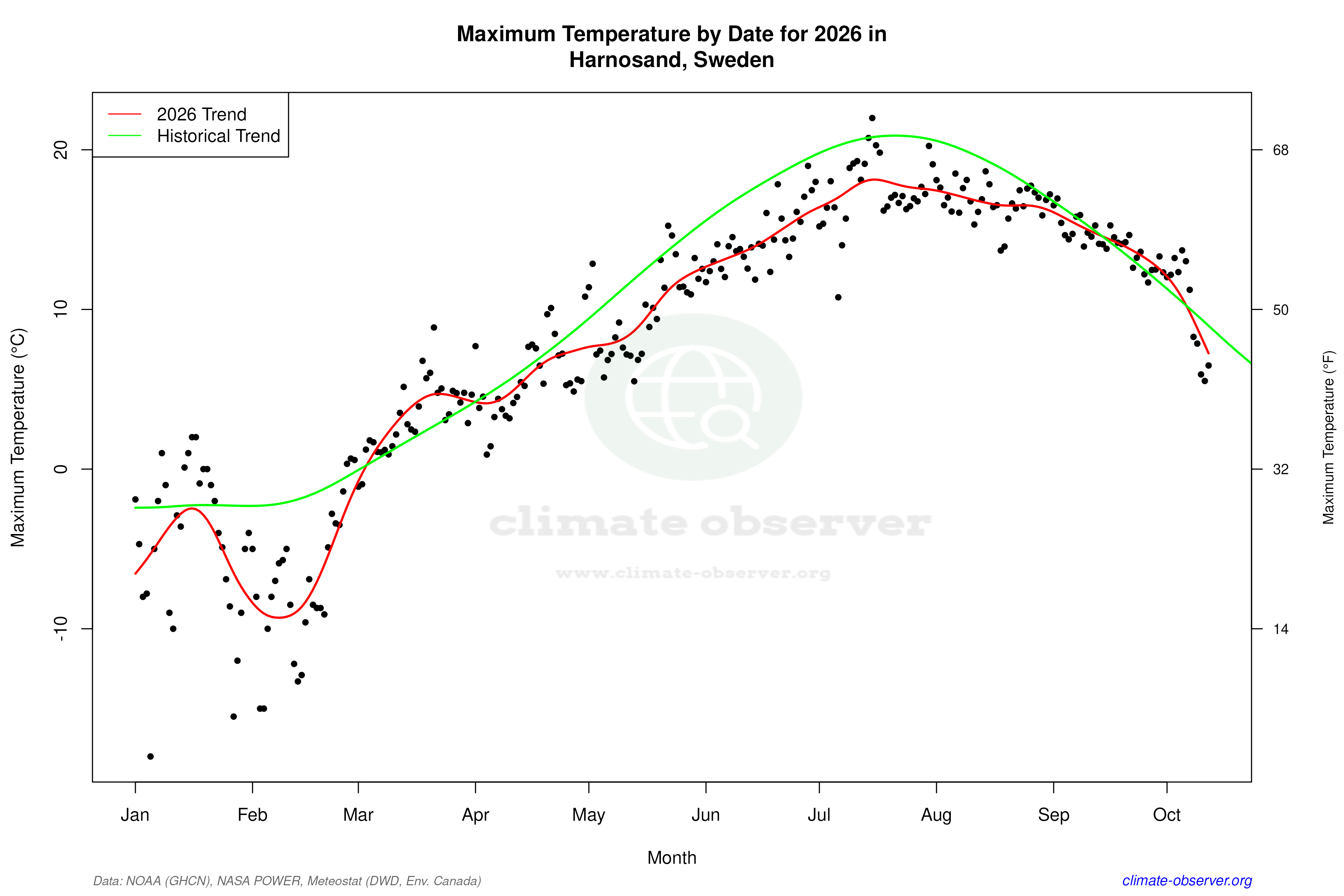
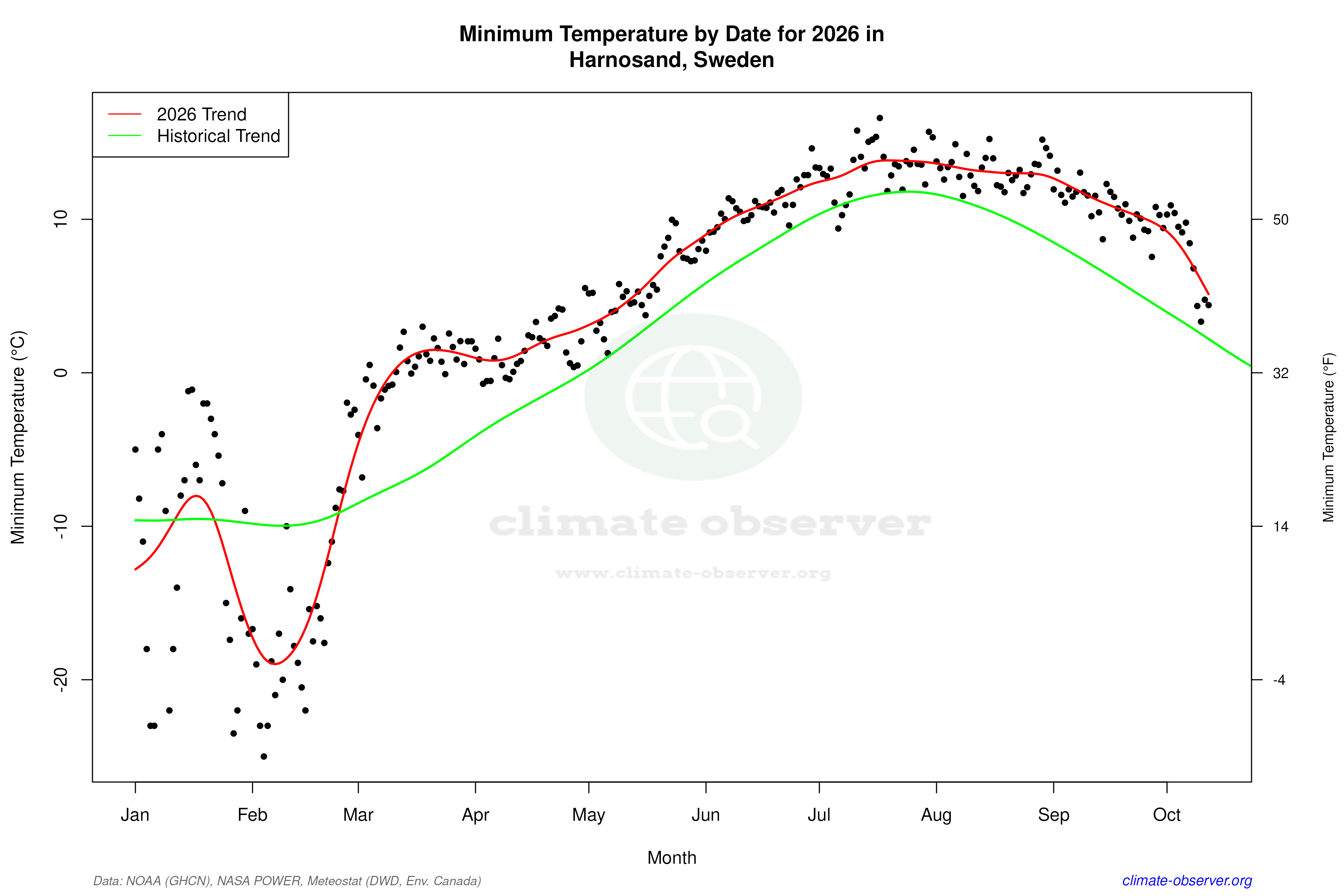
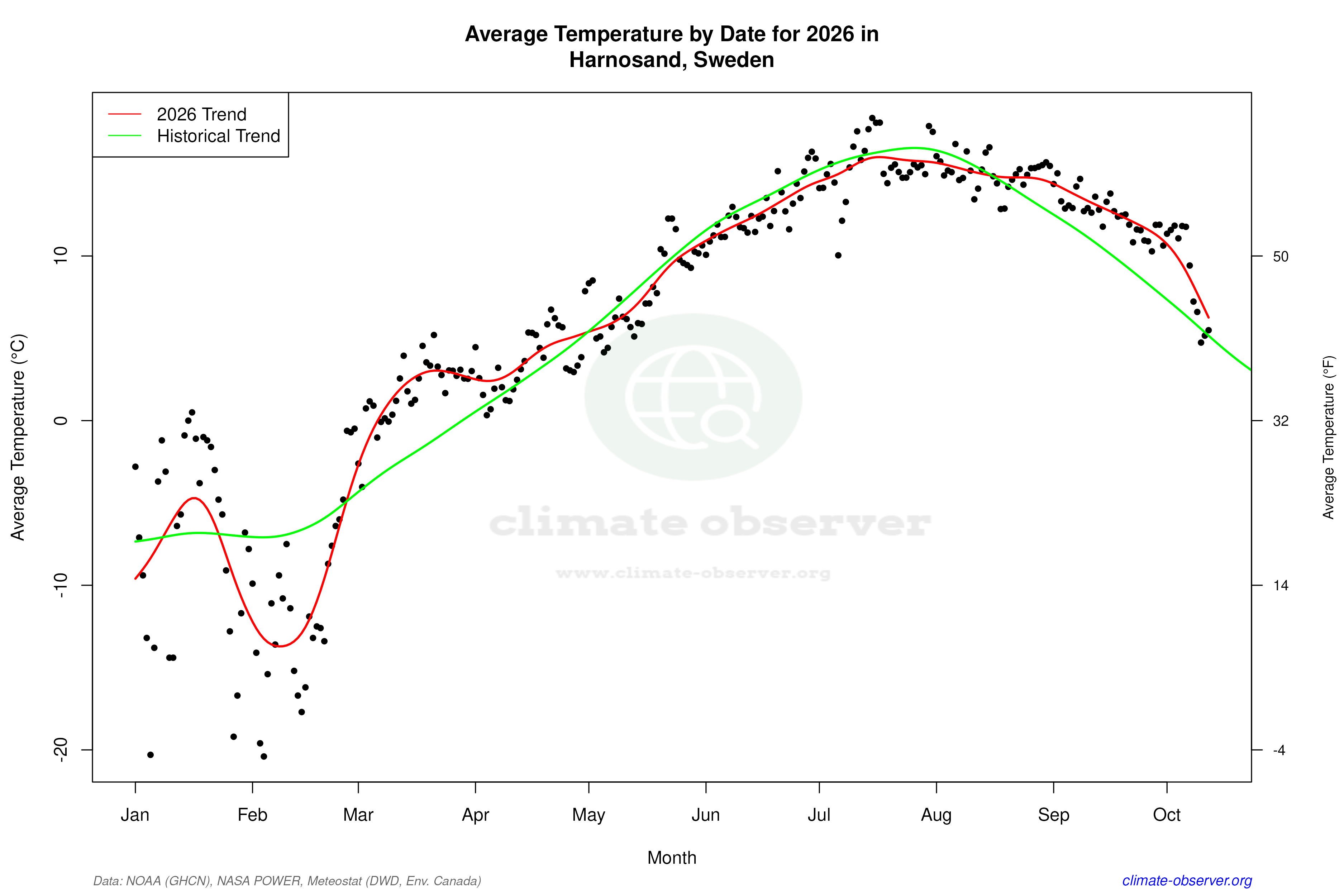
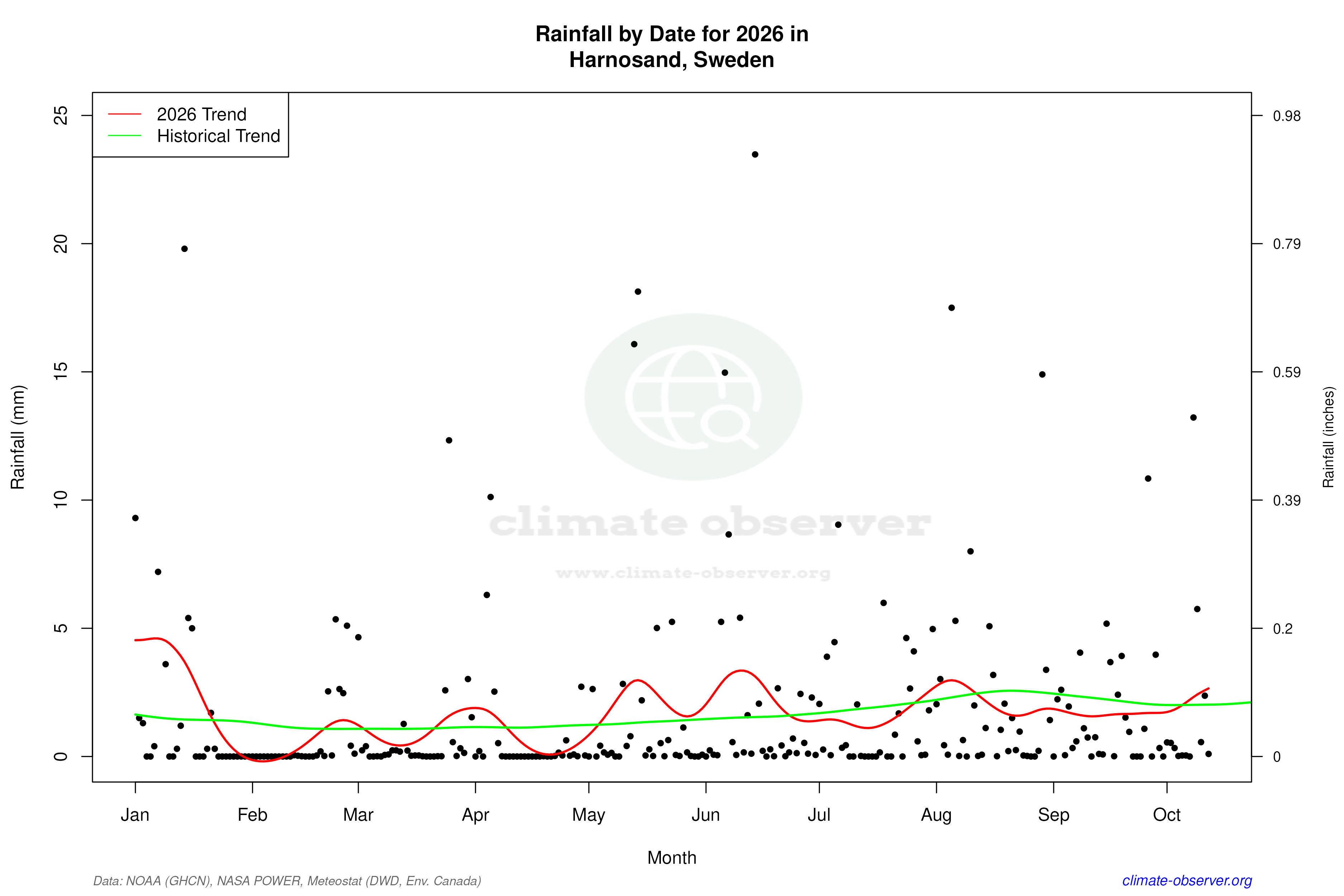
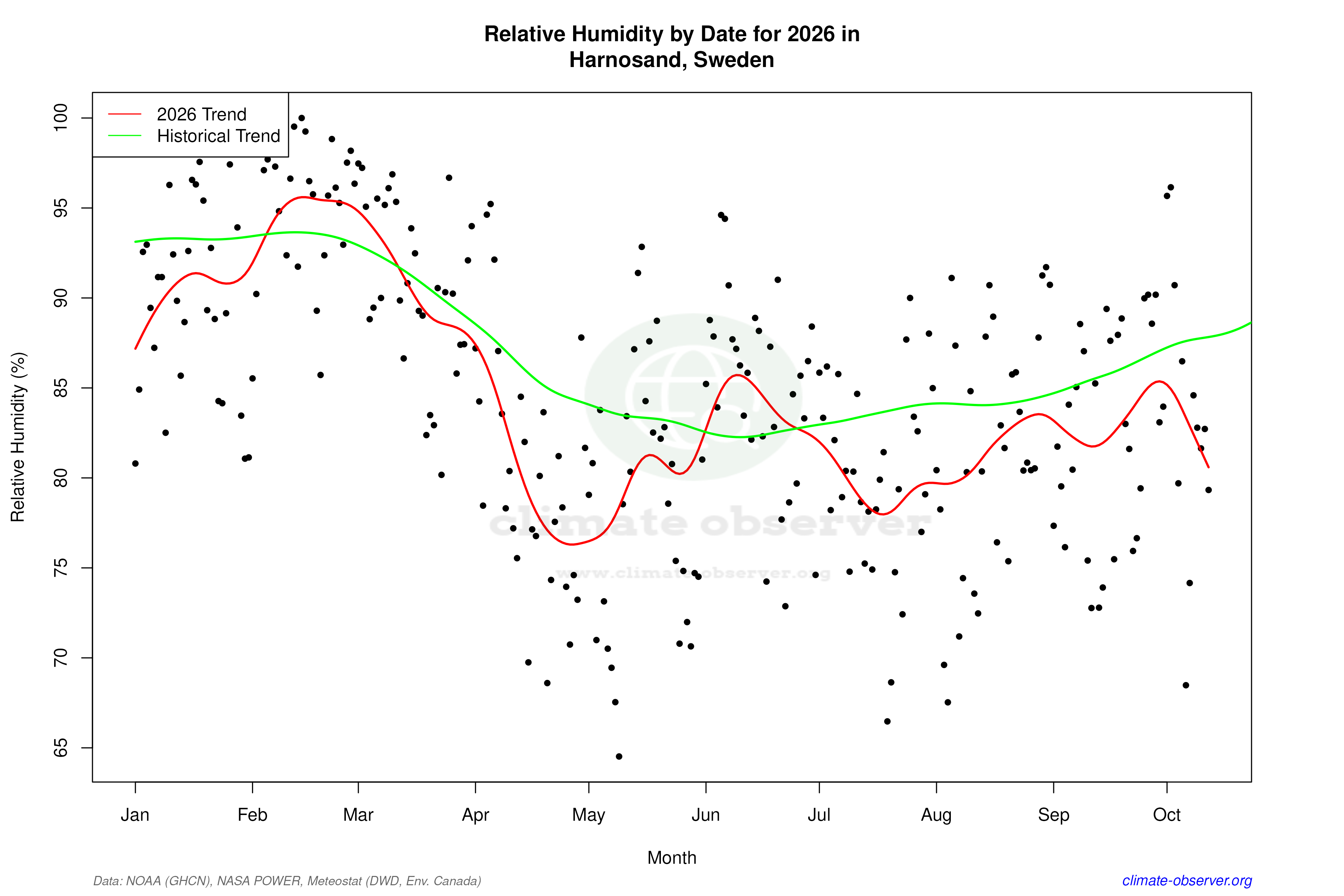

Max Temperature this Year | 1 of 6
Climate 12-Month Moving Averages
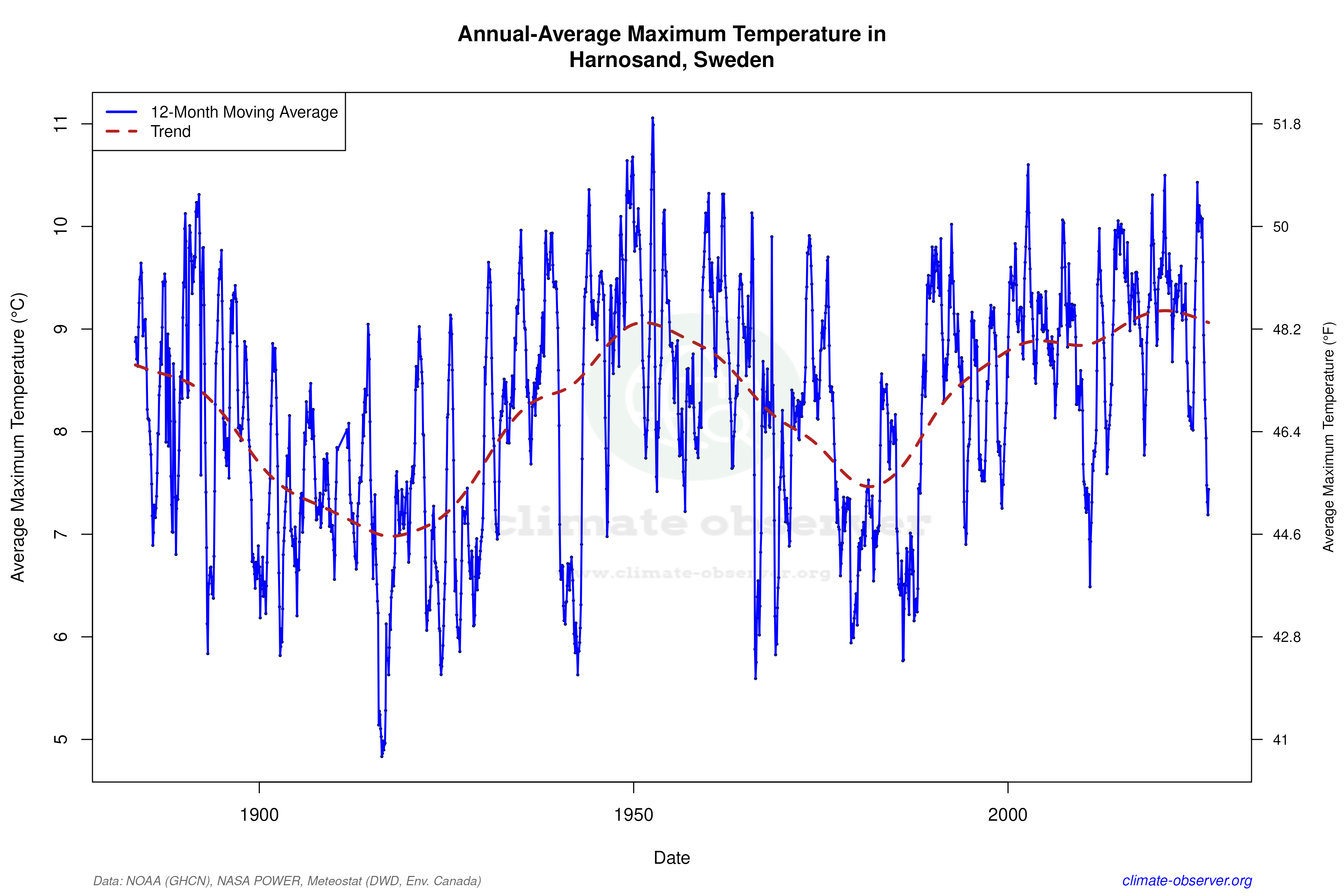
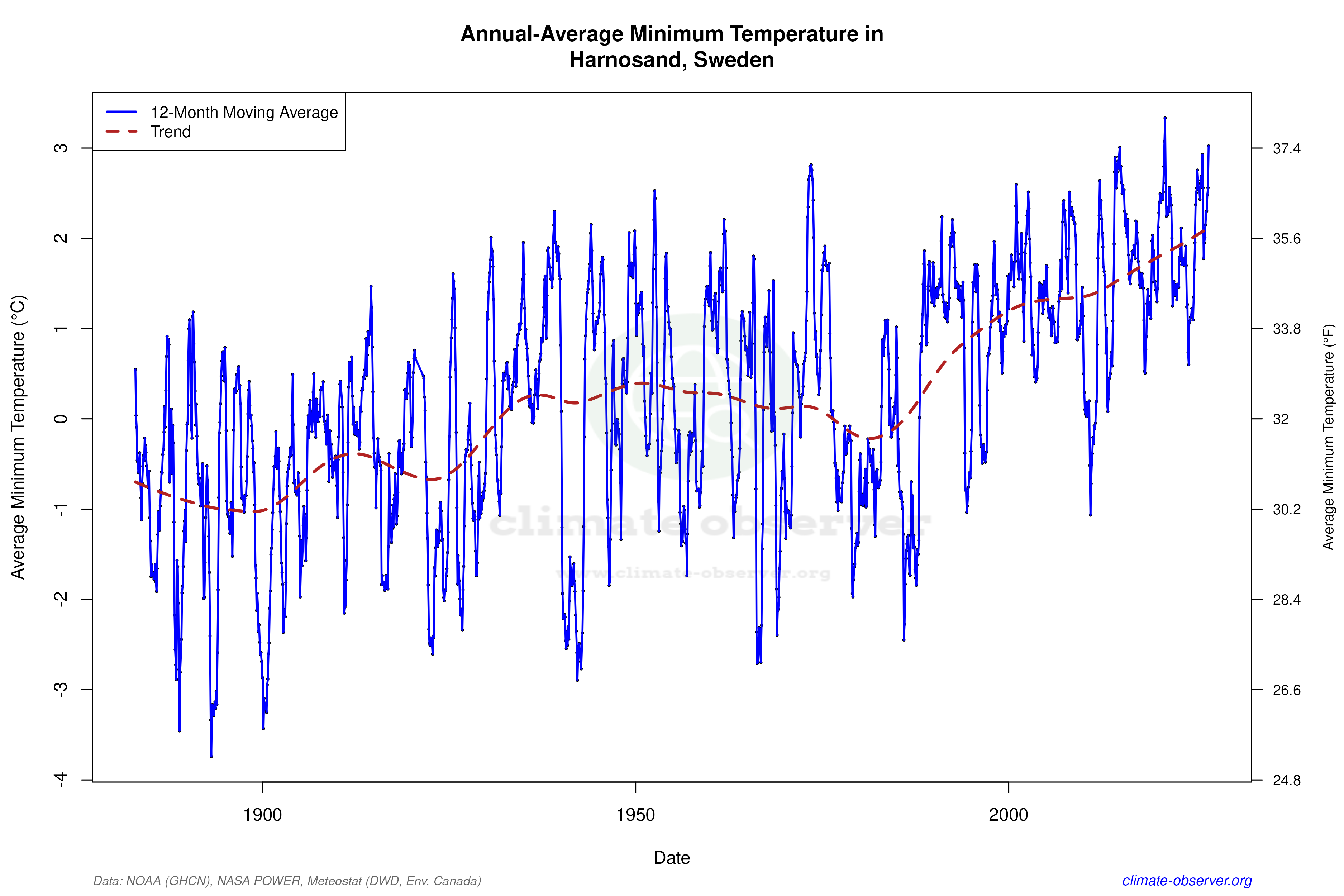
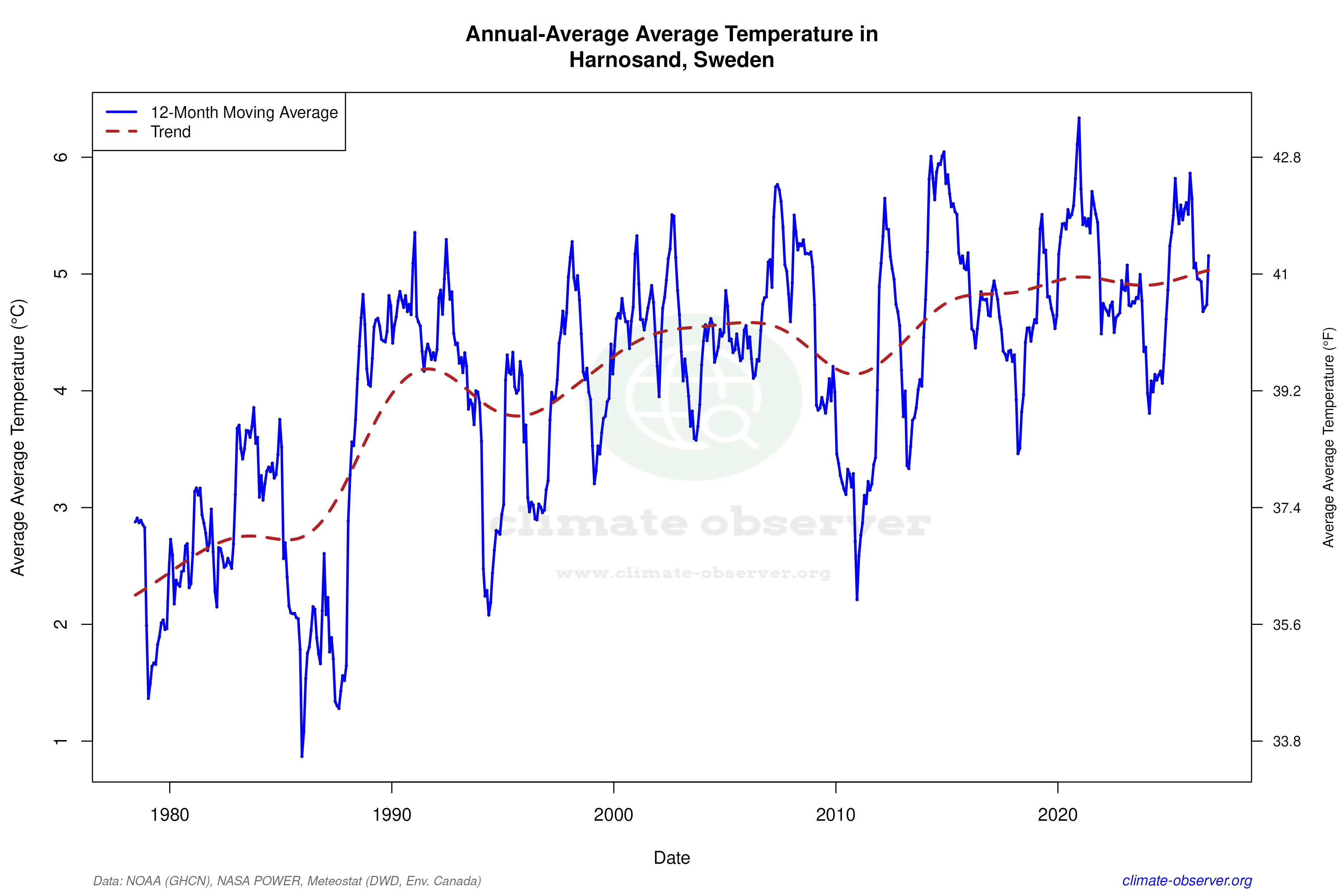
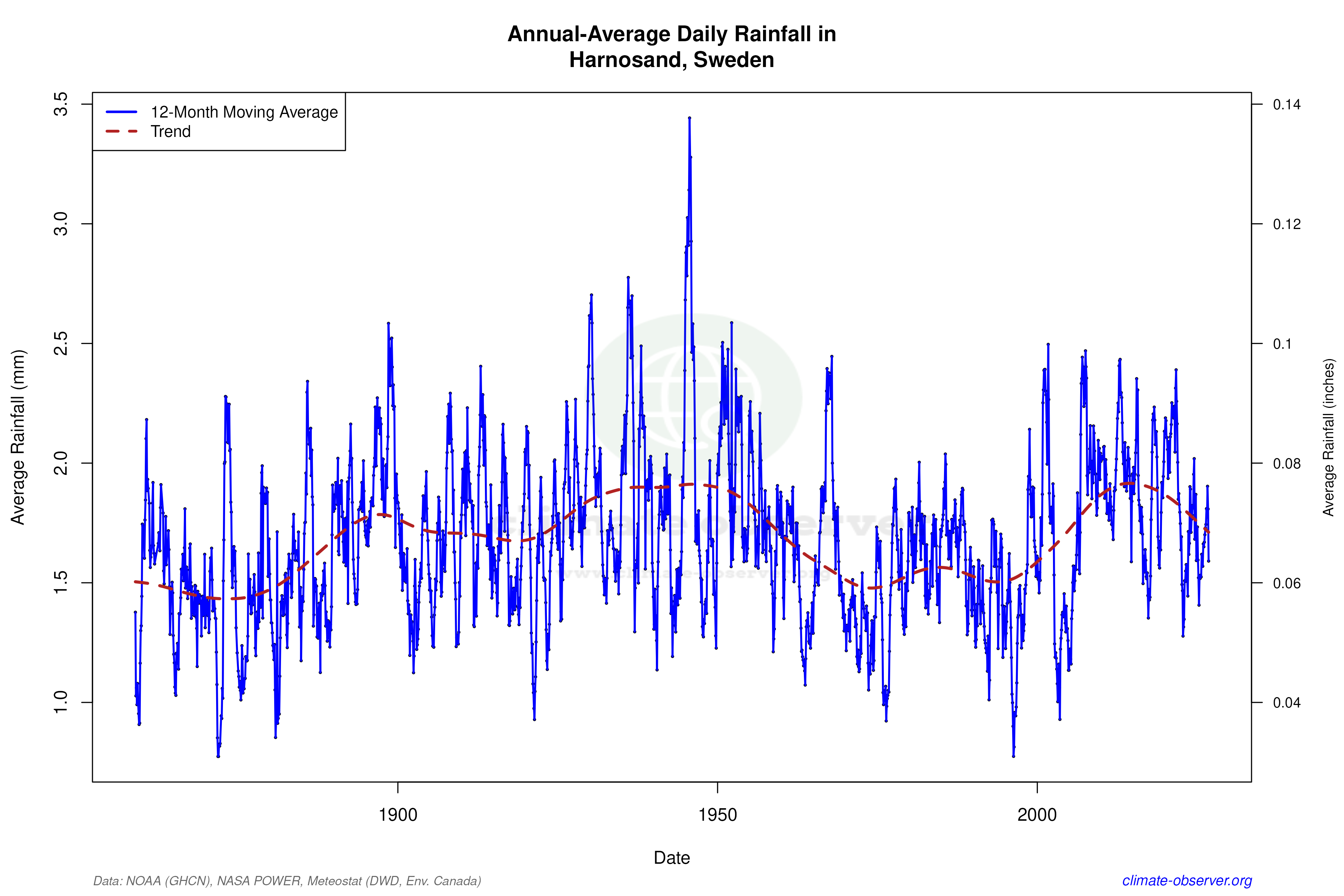
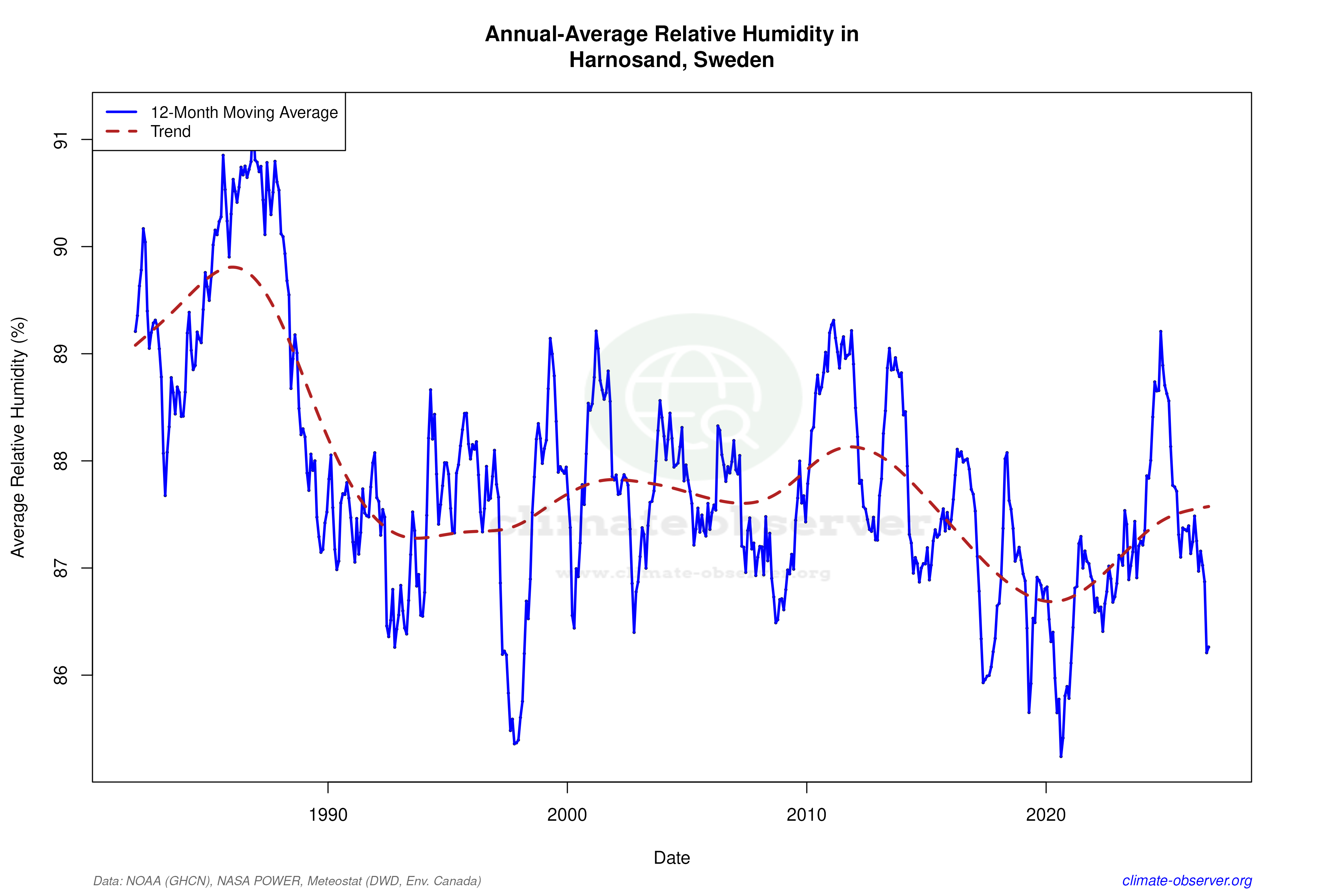

Max Temperature 12-Month MA | 1 of 6
Daily Data Points and Averages Throughout the Year
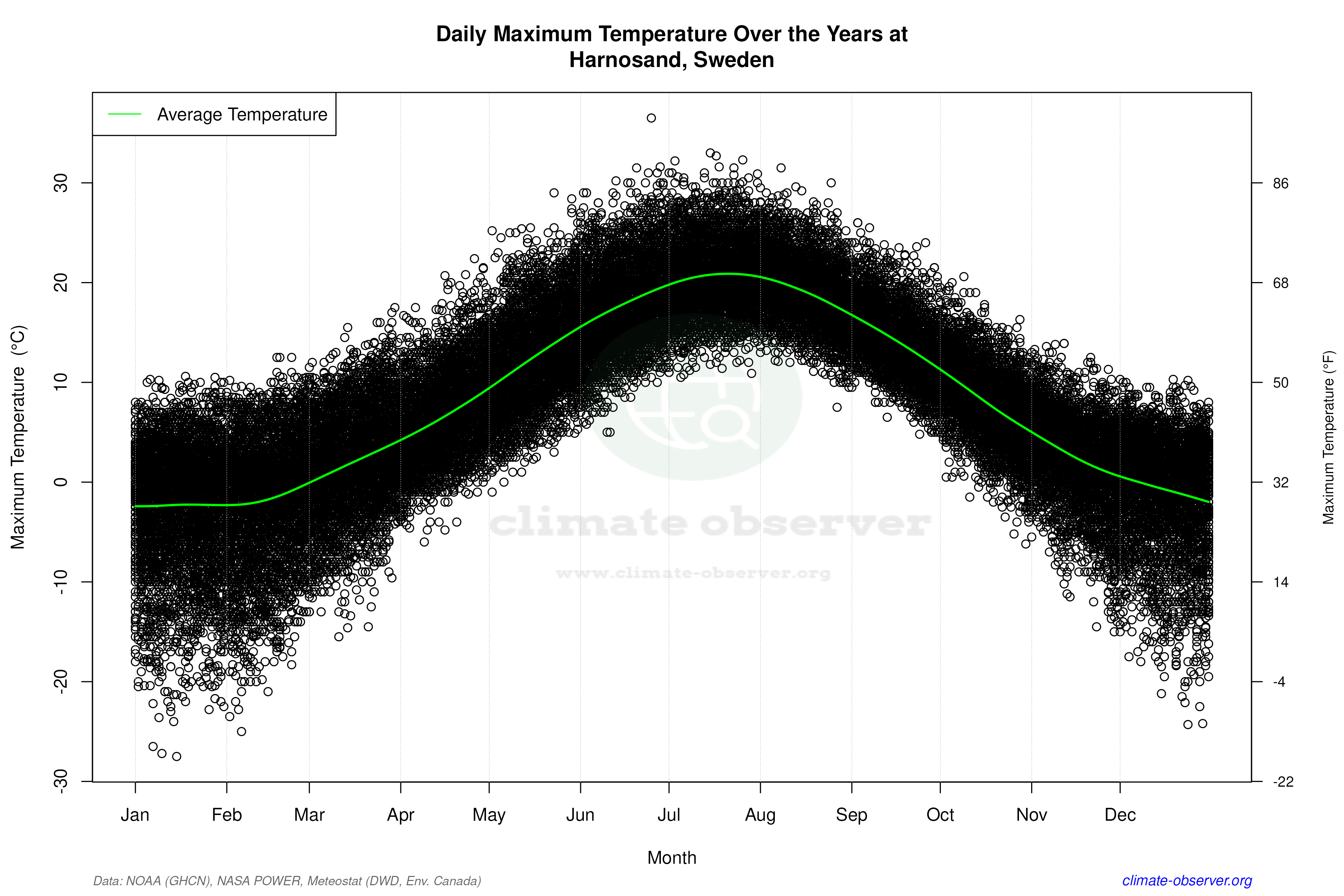
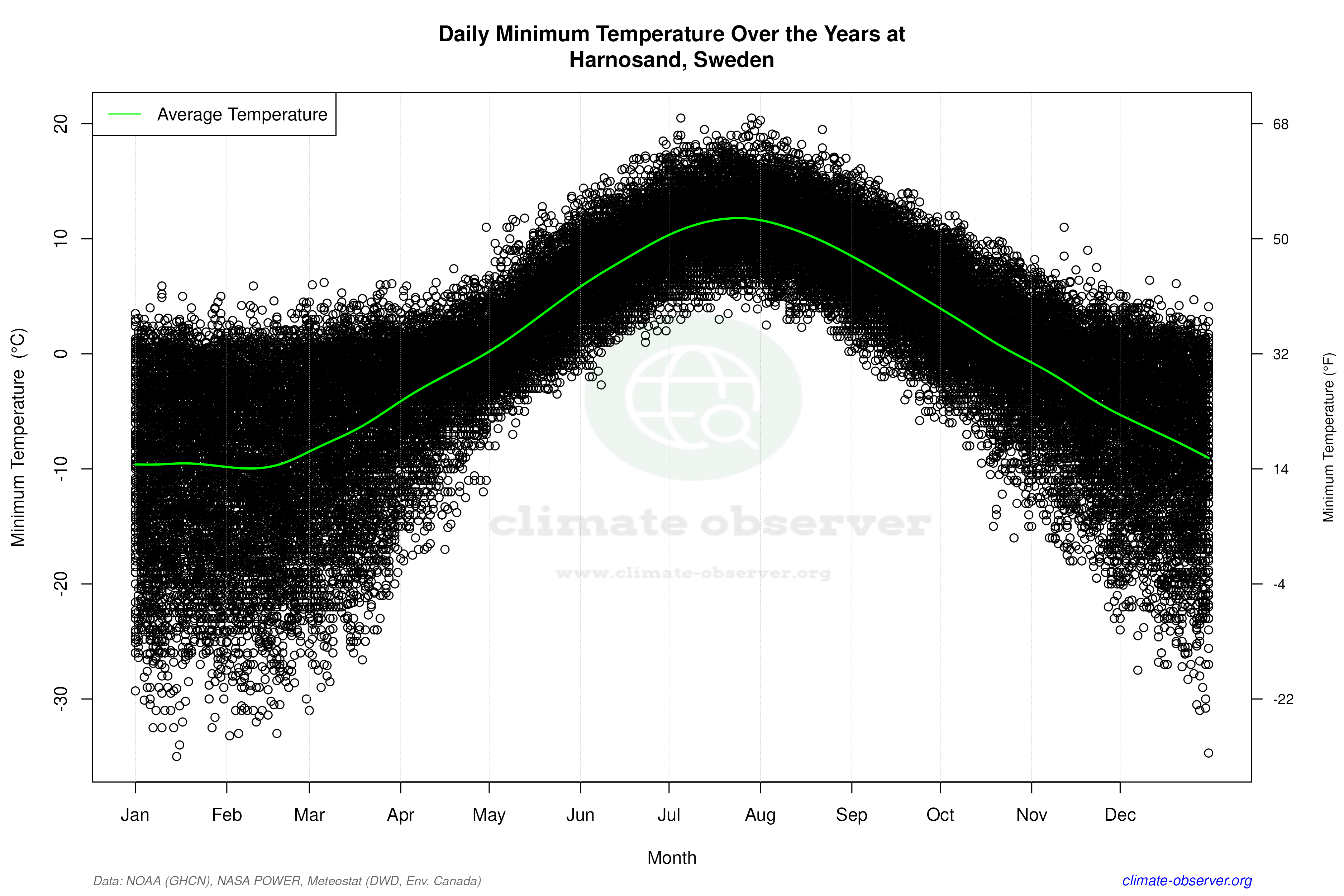
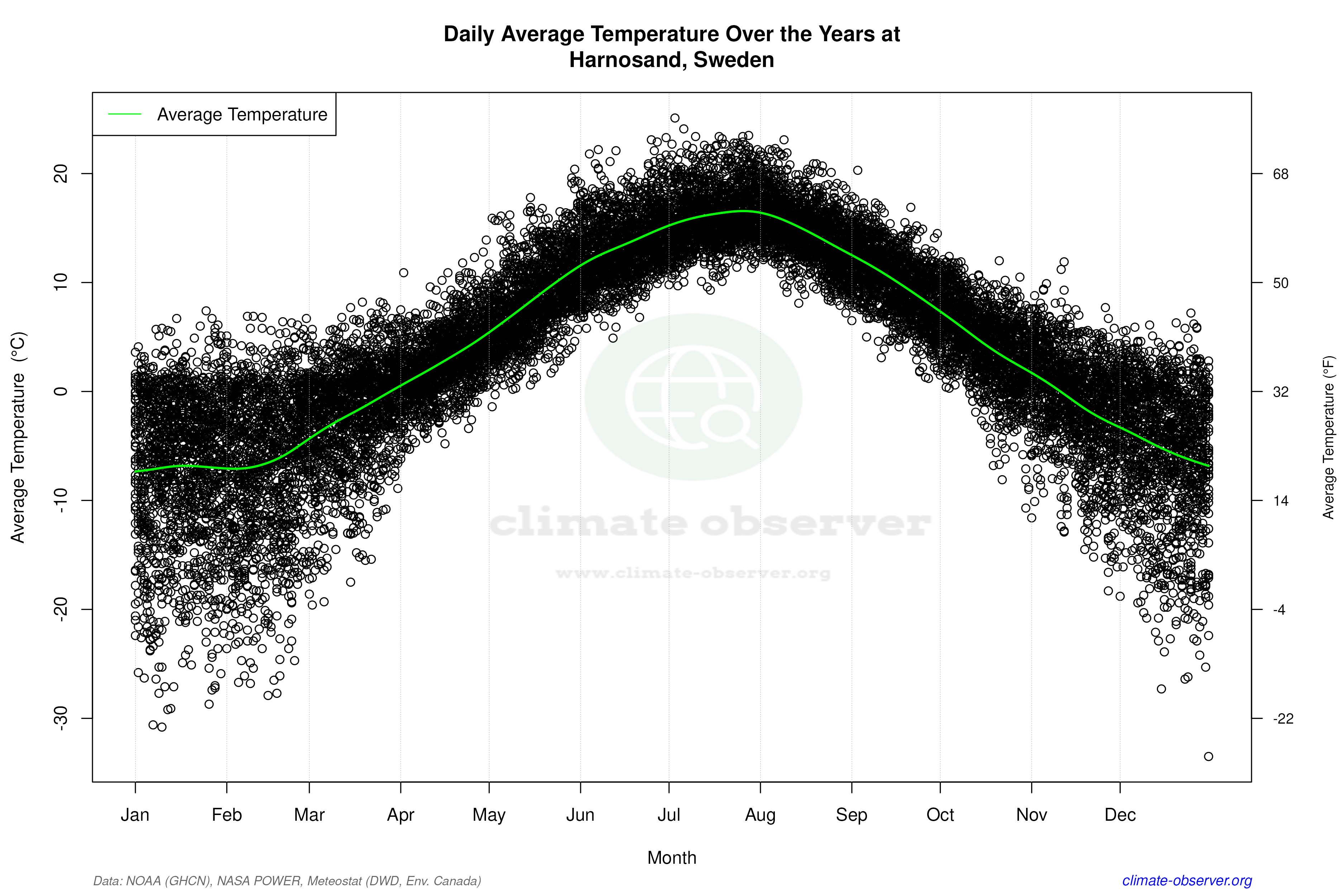
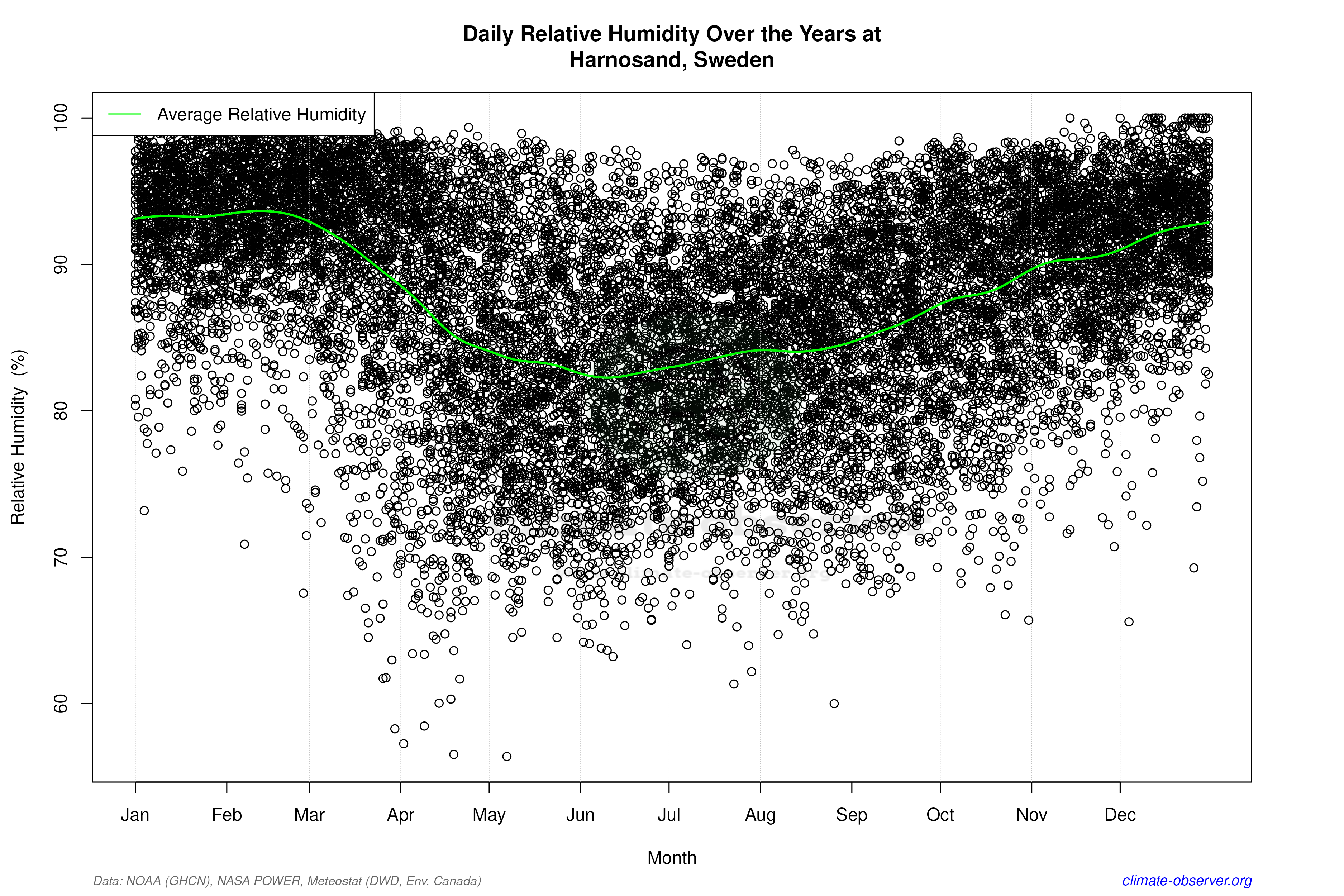

Average Max Temperature Throughout Year | 1 of 5


