Climate for Station: Ocala, Florida, United States
Loading live weather...
Climate Analysis & Overview
Ocala, Florida, exhibits a nuanced climate profile with a slight warming trend over the long term, yet a cooling trend in recent years. The precipitation pattern has become marginally more even, suggesting a shift in weather dynamics. This complex climate narrative is vital for understanding regional climate goals and preparedness.
Subtropical Climate Dynamics
Ocala, situated in Marion County, Florida, falls under the humid subtropical climate classification according to the Köppen system. This classification is characterised by hot, humid summers and mild winters, influenced by its proximity to the Gulf of Mexico. The local geography, with its flat terrain and lack of significant geographical barriers, allows for the free movement of air masses, impacting temperature and precipitation patterns.
Temperature Trends: A Tale of Two Timelines
The all-time temperature trends reveal a warming pattern, with highs increasing by 0.05°C (0.09°F) and lows by 0.07°C (0.13°F). This long-term rise aligns with broader regional warming trends observed across the southeastern United States. However, the 10-year trend presents a contrasting narrative, with a cooling of highs by 0.23°C (0.41°F) and lows by 0.11°C (0.20°F). This recent cooling could be indicative of short-term climatic variability or localised factors affecting Ocala's microclimate.
Precipitation Patterns: A Marginal Shift
The Precipitation Concentration Index (PCI) for Ocala has decreased from a baseline of 12.84 to a current value of 12.44. This marginal decline suggests that precipitation is becoming slightly more evenly distributed throughout the year. While the PCI values indicate a moderate concentration of rainfall events, this shift could influence local water management strategies and agricultural practices.
Extreme Temperature Records
Ocala's climate history is marked by significant temperature extremes, with an all-time high of 40.6°C (105.1°F) and a low of -11.7°C (10.9°F). These records highlight the potential for both intense heat and rare cold spells, which are critical considerations for infrastructure resilience and public health planning.
Regional Climate Context and Implications
The climate trends in Ocala are reflective of broader patterns observed in the southeastern United States, where climate goals focus on mitigating heat impacts and managing water resources efficiently. Recent weather events, such as hurricanes and heatwaves, underscore the importance of understanding these localised climate dynamics. As Ocala navigates these challenges, the interplay between long-term warming and short-term cooling trends will be crucial for shaping adaptive strategies.
Station Statistics
10-Year Trend
High: +0.07 °C/decade
Low: +0.26 °C/decade
Rain: -0.79 mm/decade
25-Year Trend
High: +0.22 °C/decade
Low: +0.68 °C/decade
Rain: -0.25 mm/decade
50-Year Trend
High: +0.14 °C/decade
Low: +0.54 °C/decade
Rain: -0.15 mm/decade
All-Time Trend
High: +0.05 °C/decade
Low: +0.06 °C/decade
Rain: -0.05 mm/decade
Percentage Above-Average Days
Last 12 Months: 64.7%
This Year: 73.6%
Precipitation Concentration Index (PCI) ℹ️
Last 12 Months: 12.6
Historical Average: 12.1
Percentile Rank of Last 12 Months ℹ️
High: 90th percentile
Low: 89th percentile
Rain: 20th percentile
Change in Variance ℹ️
High: -13.0%
Low: +2.0%
Intraday: +6.7%
Data Coverage
81.8%
First Year of Data
1974
Station Location
Historical Weather Records
| Max High | Avg High | Min High | Max Avg | Avg Avg | Min Avg | Max Low | Avg Low | Min Low | Max Precipitation | Avg Precipitation | Max Snow | Avg Snow | |
|---|---|---|---|---|---|---|---|---|---|---|---|---|---|
| Record | 40.6 °C | — | 1.1 °C | 32.7 °C | — | -4.3 °C | 29.4 °C | — | -11.7 °C | 203.2 mm | — | 541.0 mm | — |
| January | 31.1 °C | 21.1 °C | 1.1 °C | 23.3 °C | 13.4 °C | -3.8 °C | 23.3 °C | 7.7 °C | -11.7 °C | 83.3 mm | 2.2 mm | 0.0 mm | 0.0 mm |
| February | 32.2 °C | 22.6 °C | 5.0 °C | 24.7 °C | 15.6 °C | -0.7 °C | 22.2 °C | 8.8 °C | -11.1 °C | 97.0 mm | 2.8 mm | 0.0 mm | 0.0 mm |
| March | 36.1 °C | 25.6 °C | 4.4 °C | 25.9 °C | 18.1 °C | 2.7 °C | 23.3 °C | 11.5 °C | -5.0 °C | 106.7 mm | 2.9 mm | 0.0 mm | 0.0 mm |
| April | 36.7 °C | 28.4 °C | 11.7 °C | 27.8 °C | 21.1 °C | 7.5 °C | 25.6 °C | 14.2 °C | -1.1 °C | 122.4 mm | 2.3 mm | 0.0 mm | 0.0 mm |
| May | 38.9 °C | 31.6 °C | 19.0 °C | 30.6 °C | 24.9 °C | 16.6 °C | 26.1 °C | 17.8 °C | 6.7 °C | 142.2 mm | 3.1 mm | 0.0 mm | 0.0 mm |
| June | 40.6 °C | 32.9 °C | 23.3 °C | 32.7 °C | 26.8 °C | 19.8 °C | 29.4 °C | 21.0 °C | 11.8 °C | 157.5 mm | 6.1 mm | 0.0 mm | 0.0 mm |
| July | 40.0 °C | 33.2 °C | 25.0 °C | 31.7 °C | 27.1 °C | 23.6 °C | 27.8 °C | 22.1 °C | 16.1 °C | 95.3 mm | 6.4 mm | 0.0 mm | 0.0 mm |
| August | 39.4 °C | 33.2 °C | 25.0 °C | 31.1 °C | 27.0 °C | 23.2 °C | 27.8 °C | 22.1 °C | 15.6 °C | 137.9 mm | 6.2 mm | 0.0 mm | 0.0 mm |
| September | 38.3 °C | 31.9 °C | 21.7 °C | 29.5 °C | 25.7 °C | 17.9 °C | 26.7 °C | 21.0 °C | 12.0 °C | 203.2 mm | 5.4 mm | 0.0 mm | 0.0 mm |
| October | 36.7 °C | 28.7 °C | 15.6 °C | 28.4 °C | 22.3 °C | 8.8 °C | 26.7 °C | 16.6 °C | 0.0 °C | 180.3 mm | 2.5 mm | 541.0 mm | 0.3 mm |
| November | 34.4 °C | 24.7 °C | 6.7 °C | 26.3 °C | 18.1 °C | 5.3 °C | 27.2 °C | 11.6 °C | -5.6 °C | 115.1 mm | 1.7 mm | 0.0 mm | 0.0 mm |
| December | 32.2 °C | 21.7 °C | 2.2 °C | 24.9 °C | 15.1 °C | -4.3 °C | 22.2 °C | 8.6 °C | -9.4 °C | 102.4 mm | 2.3 mm | 0.0 mm | 0.0 mm |
Data Visualisations
Remove WatermarksCurrent Year Climate Trends vs Historical
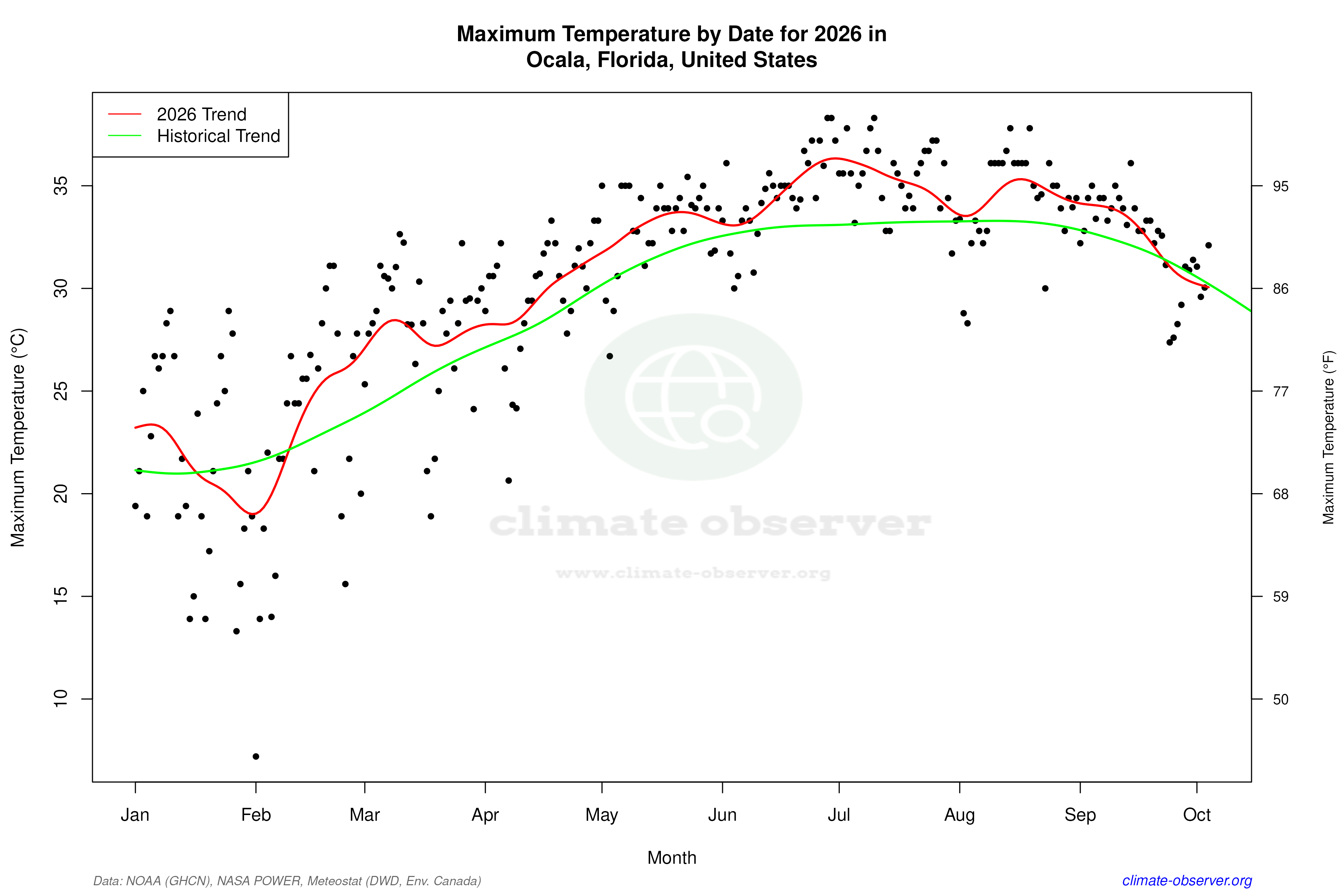
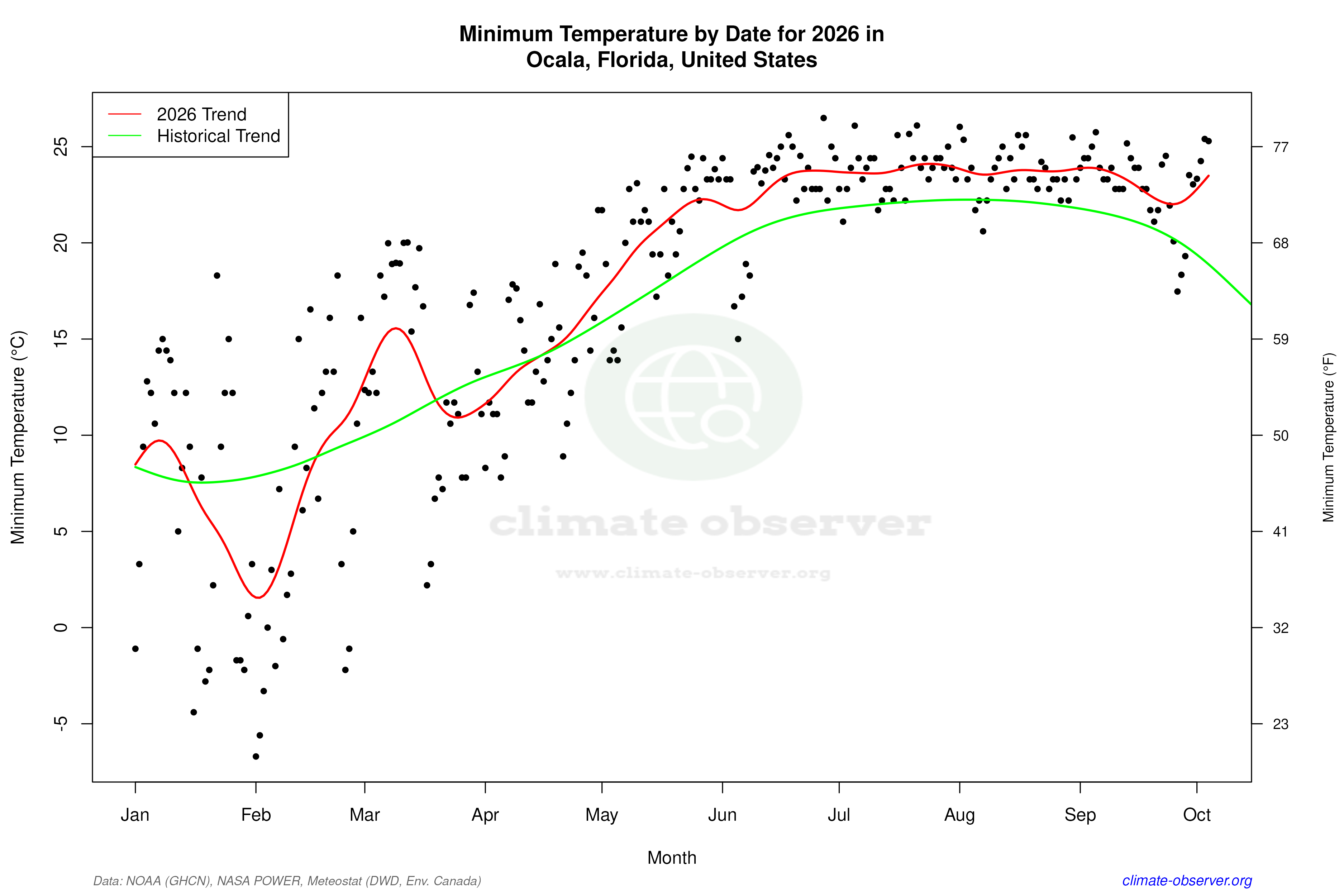
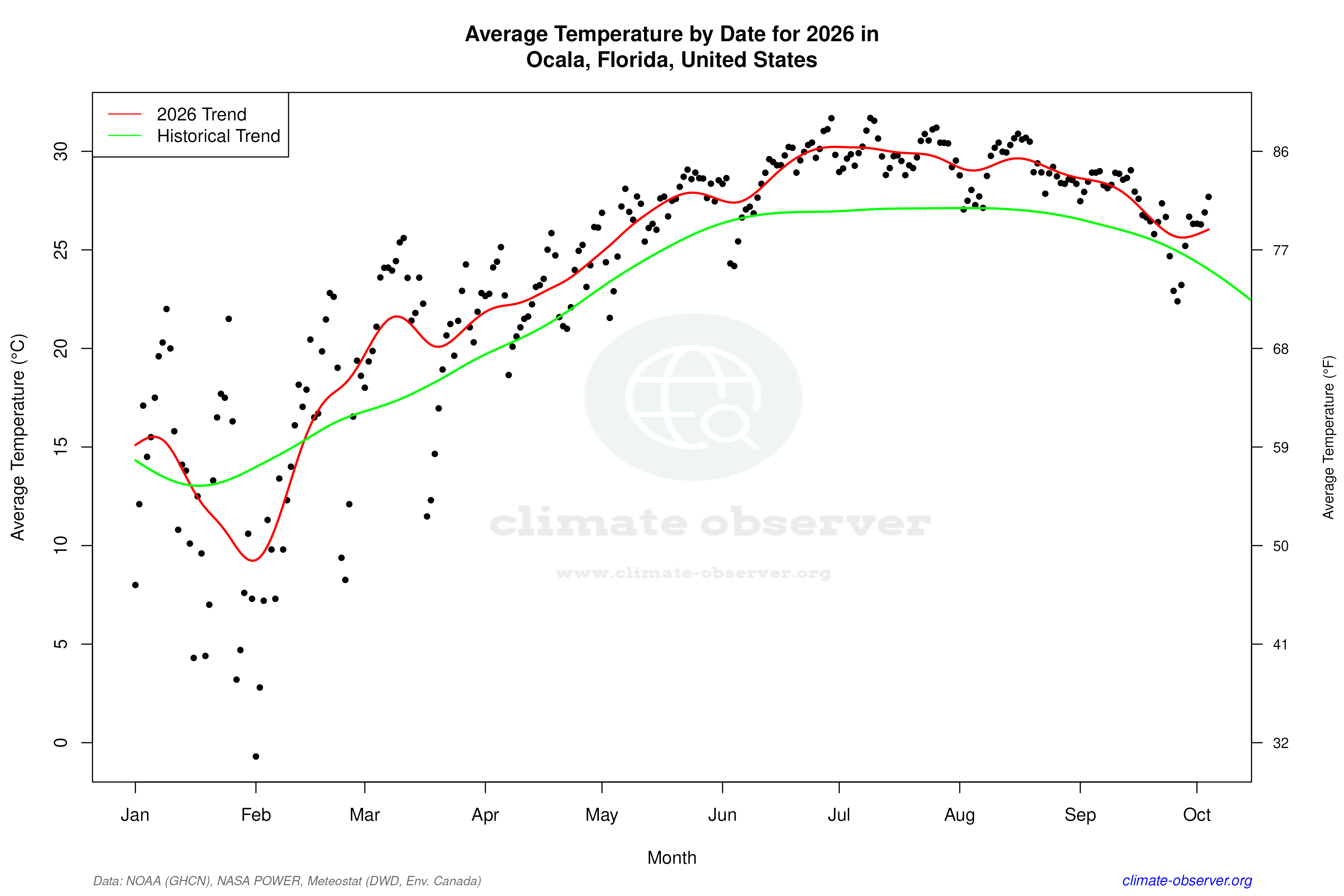
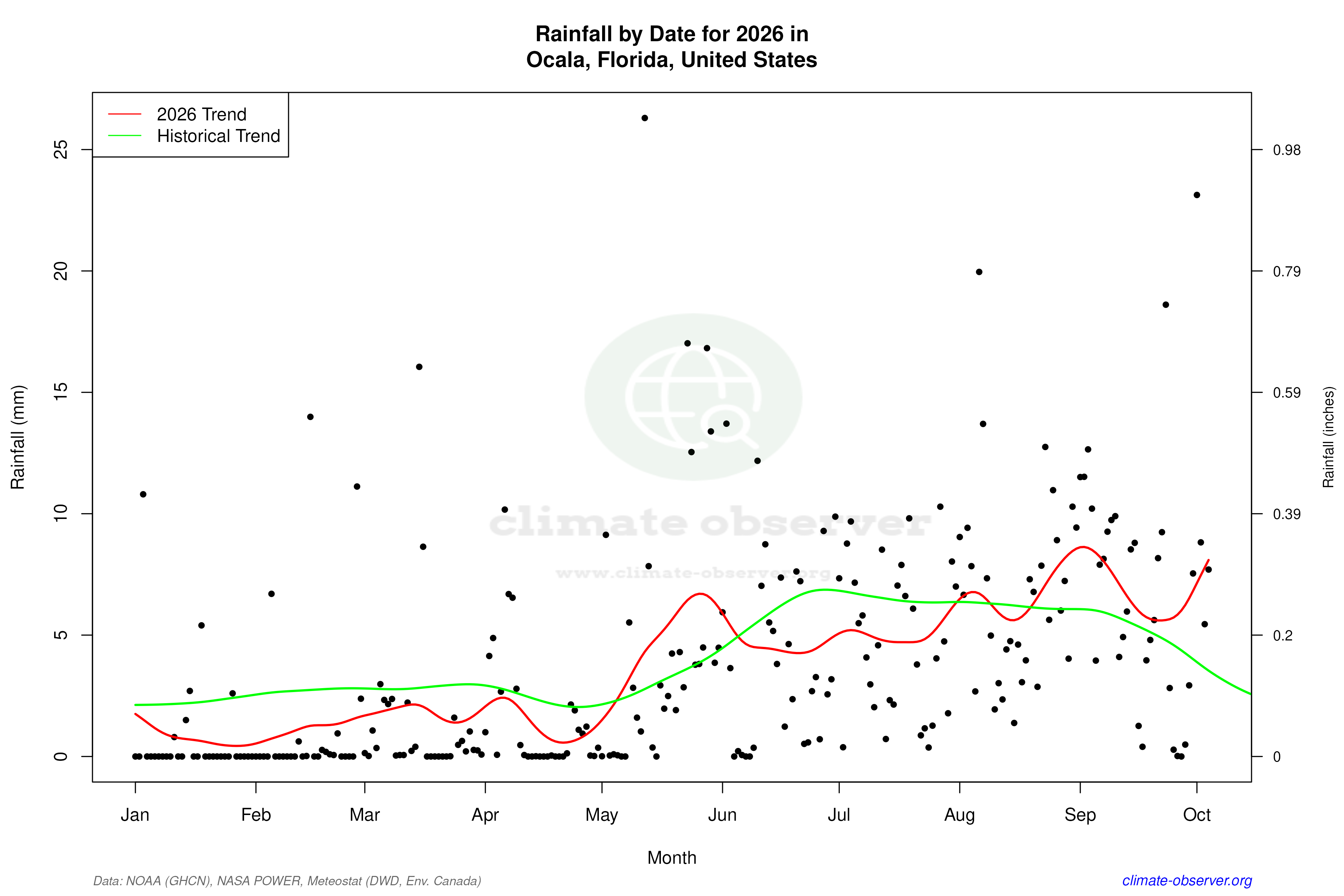
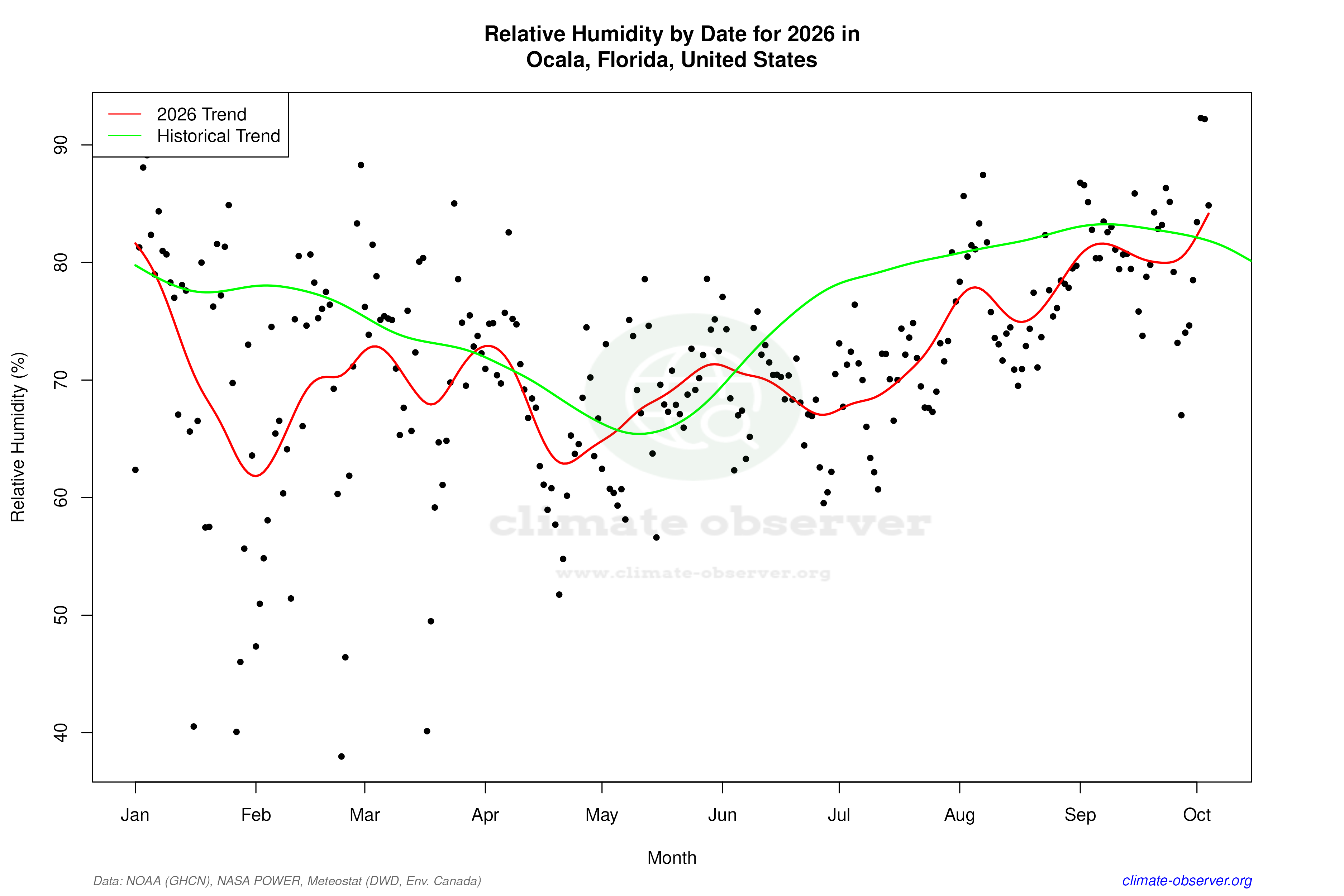

Max Temperature this Year | 1 of 6
Climate 12-Month Moving Averages
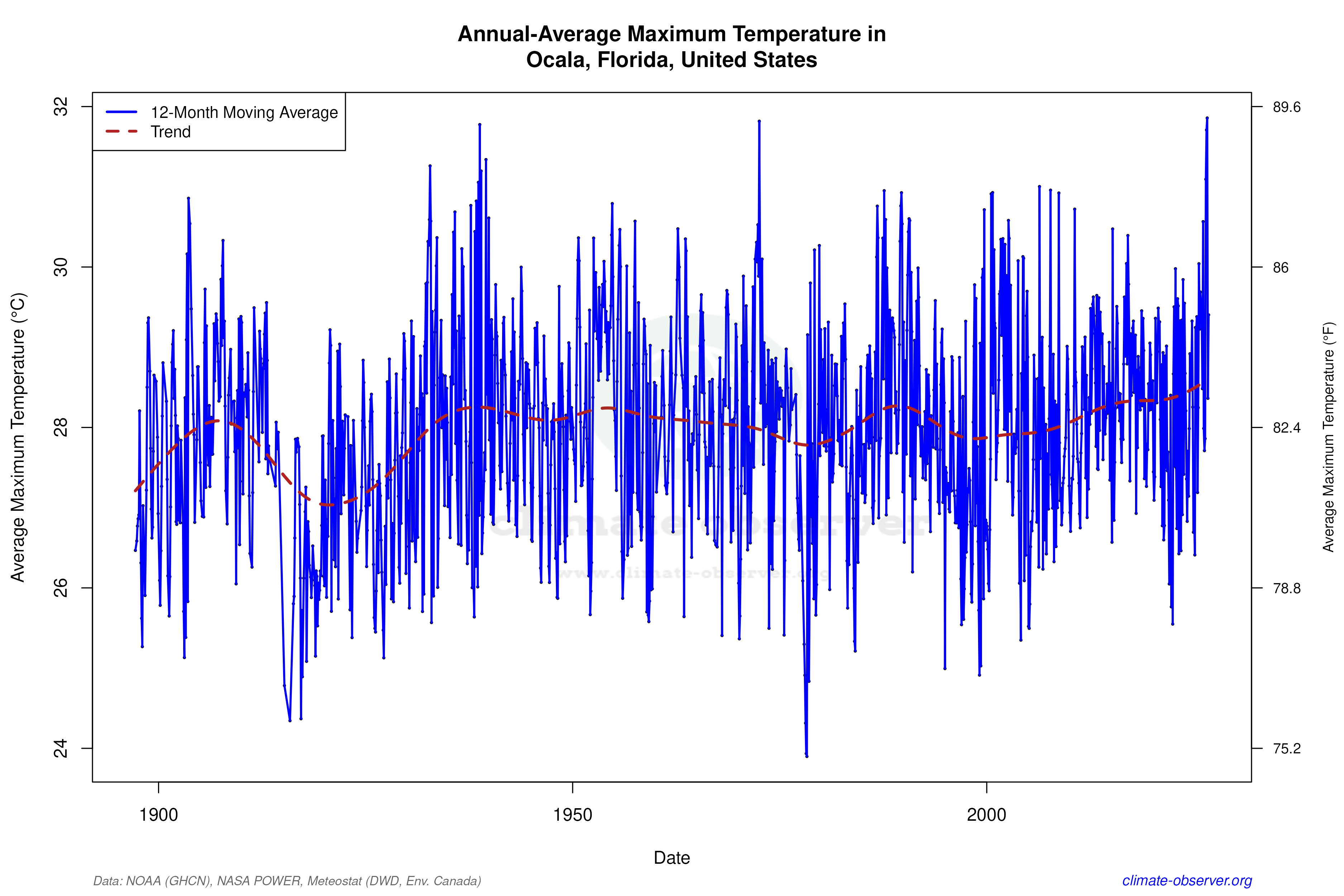
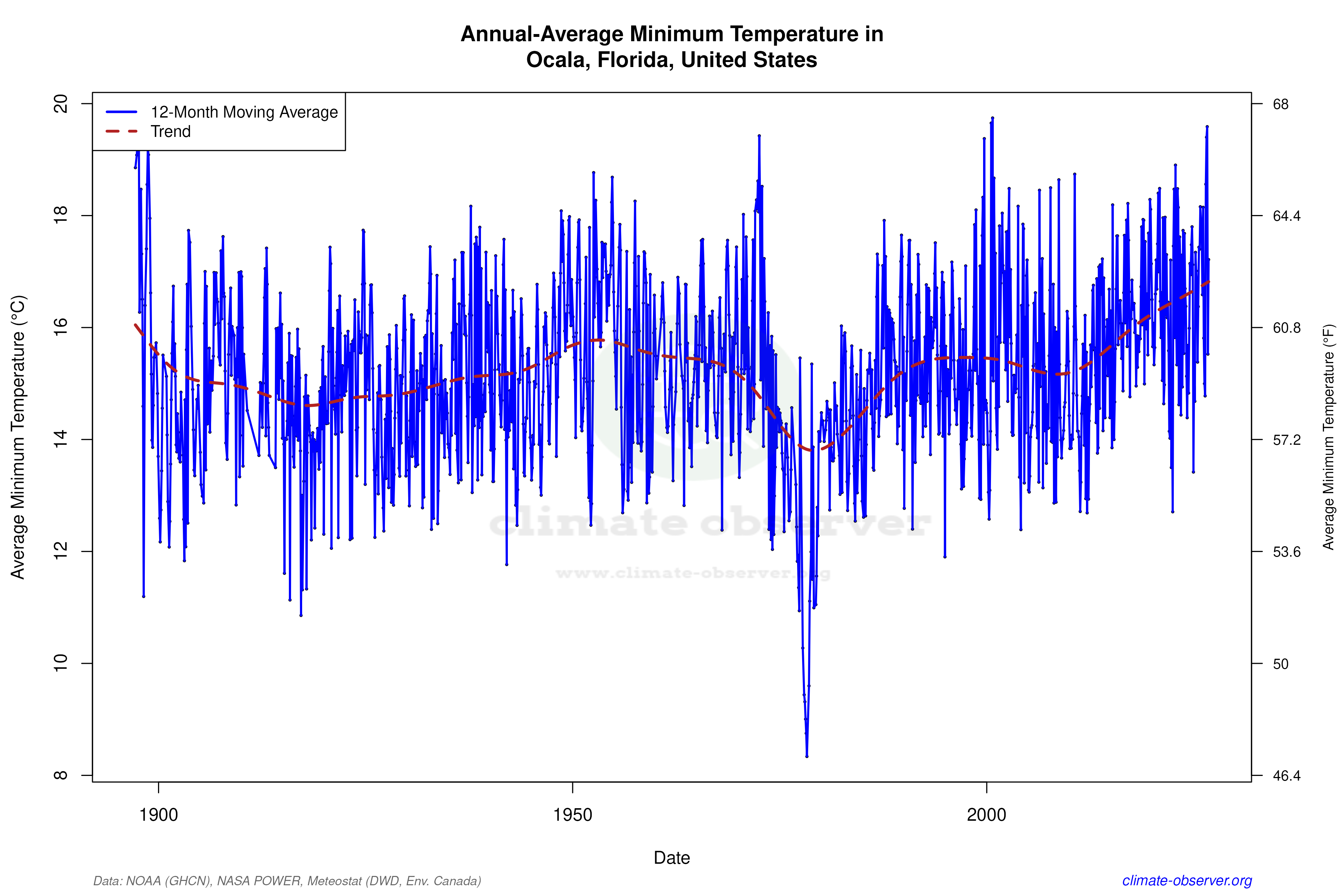
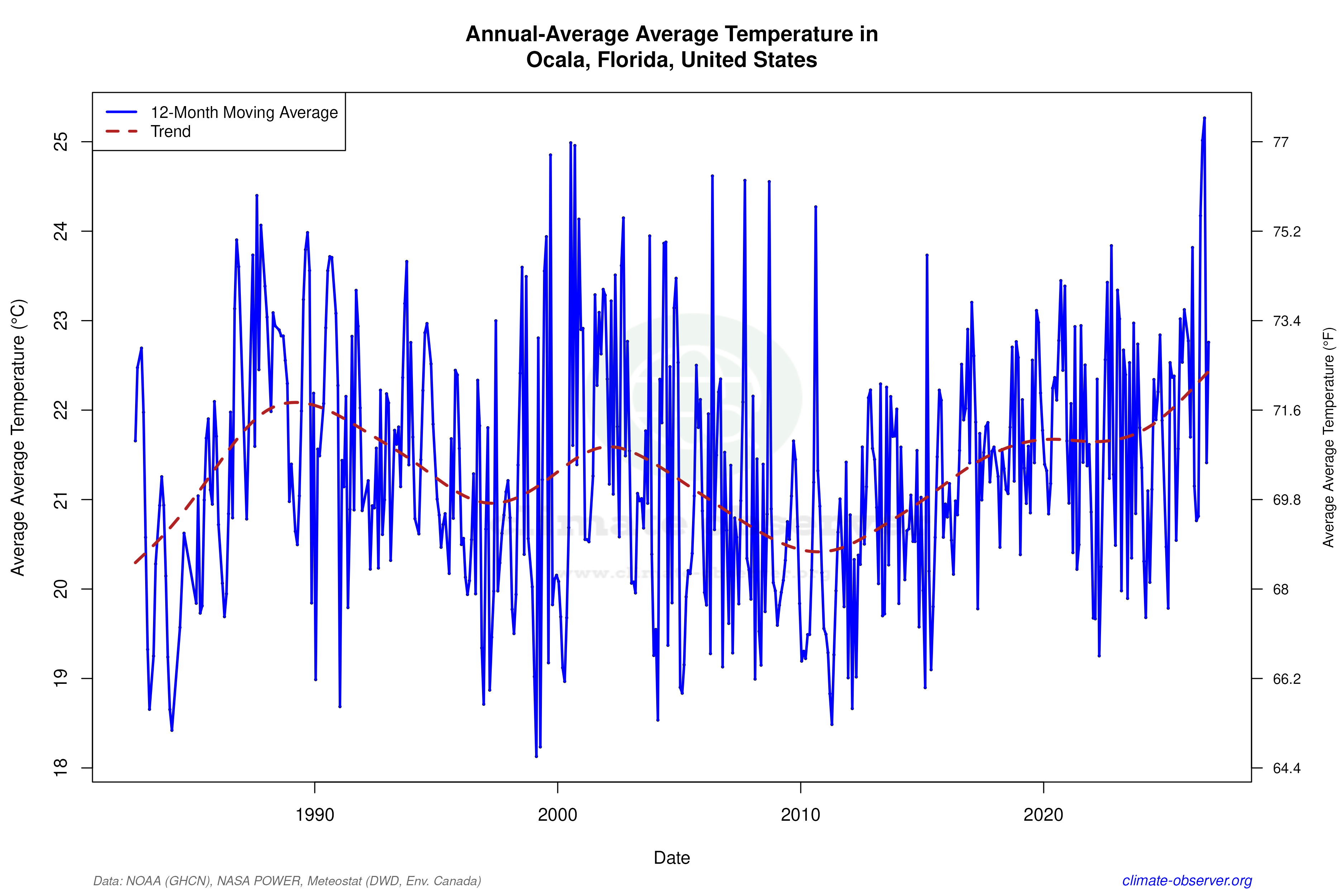
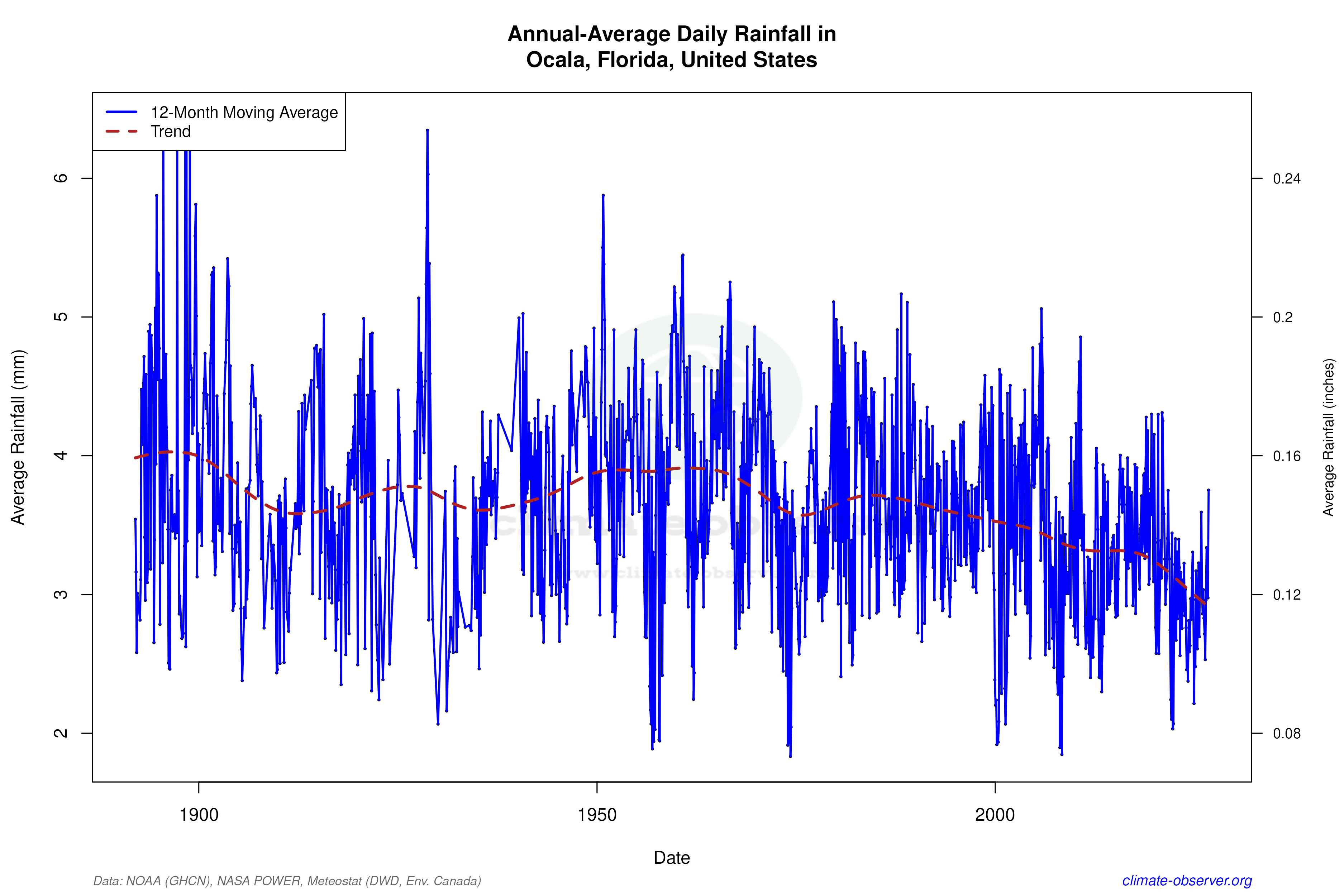
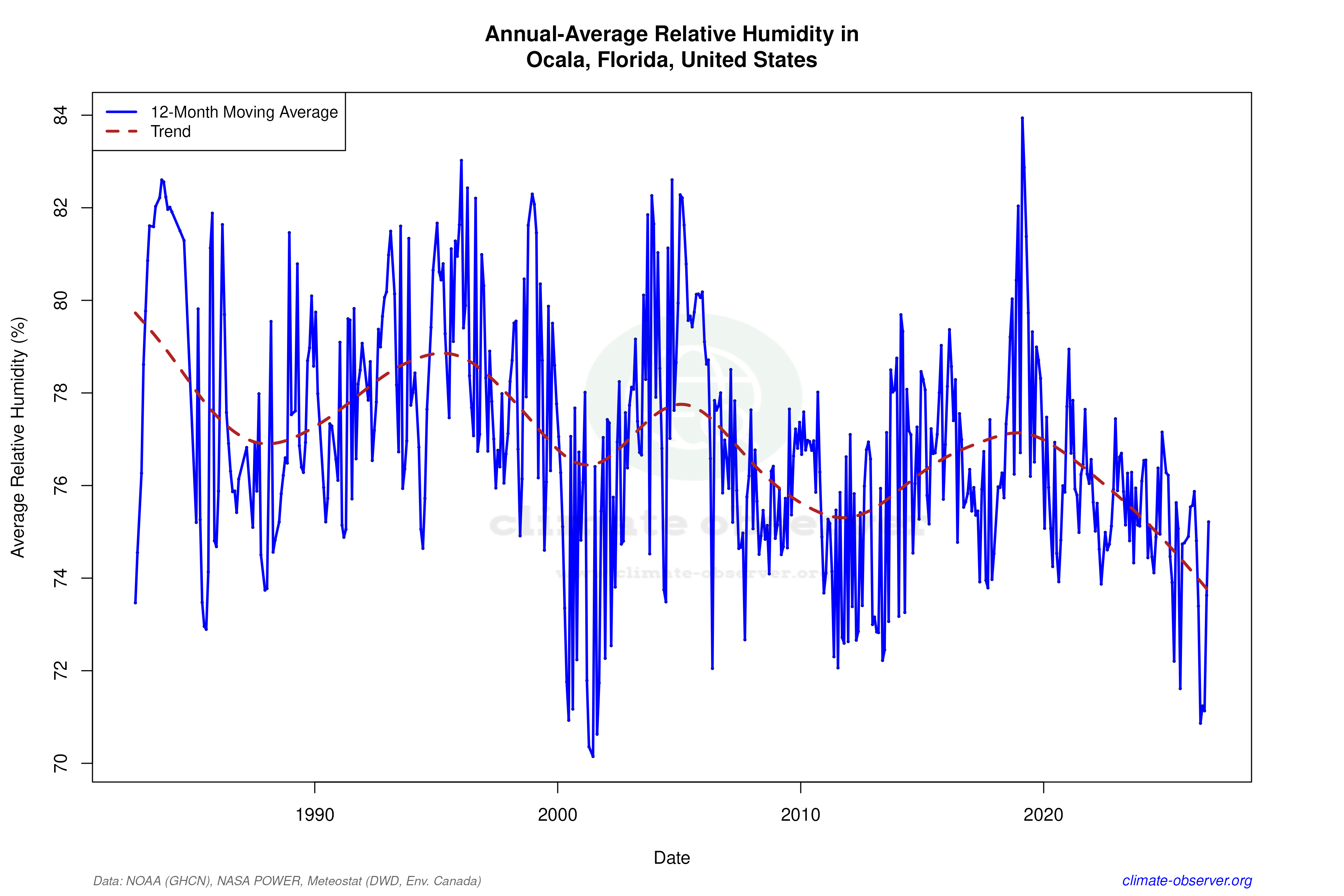

Max Temperature 12-Month MA | 1 of 6
Daily Data Points and Averages Throughout the Year
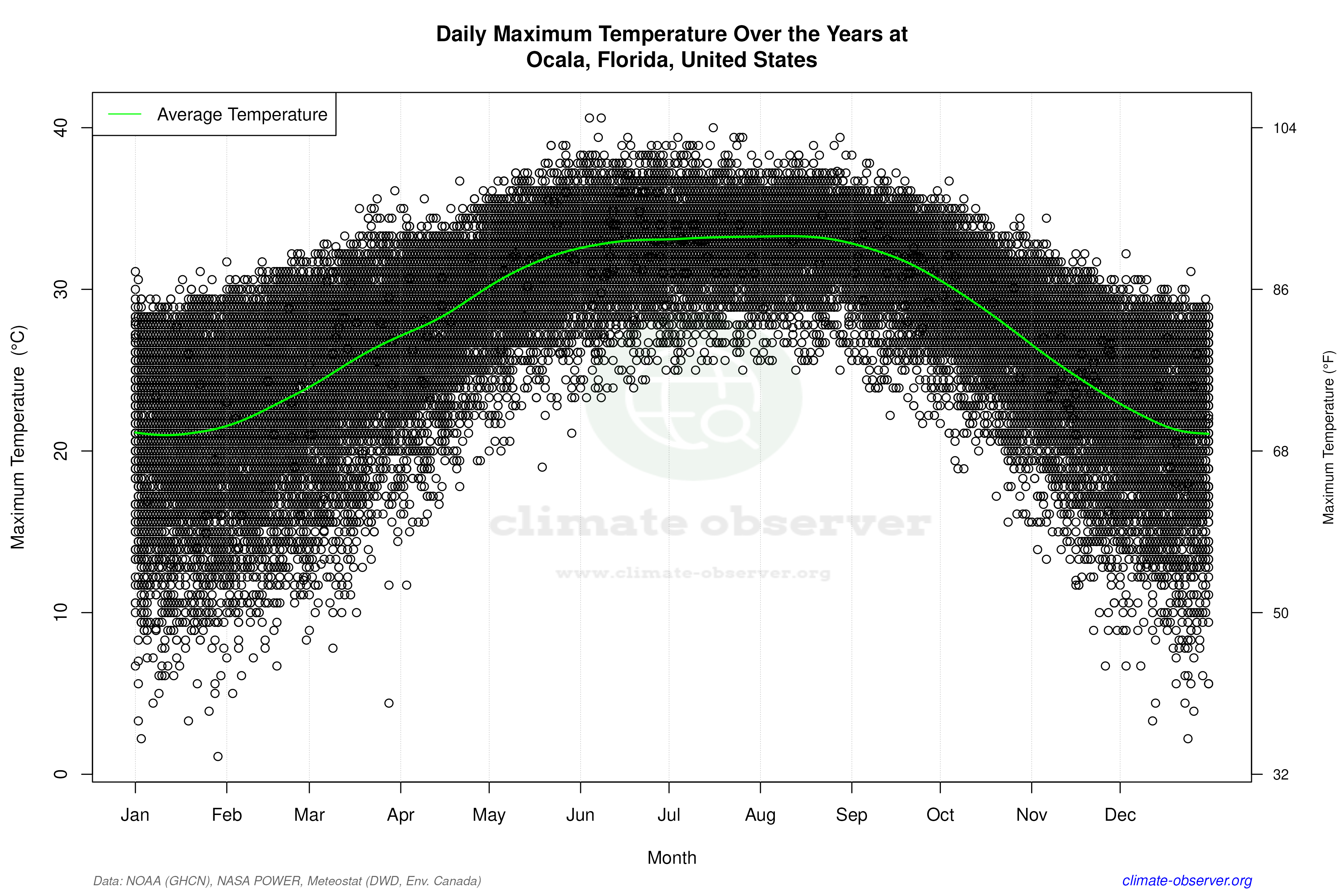
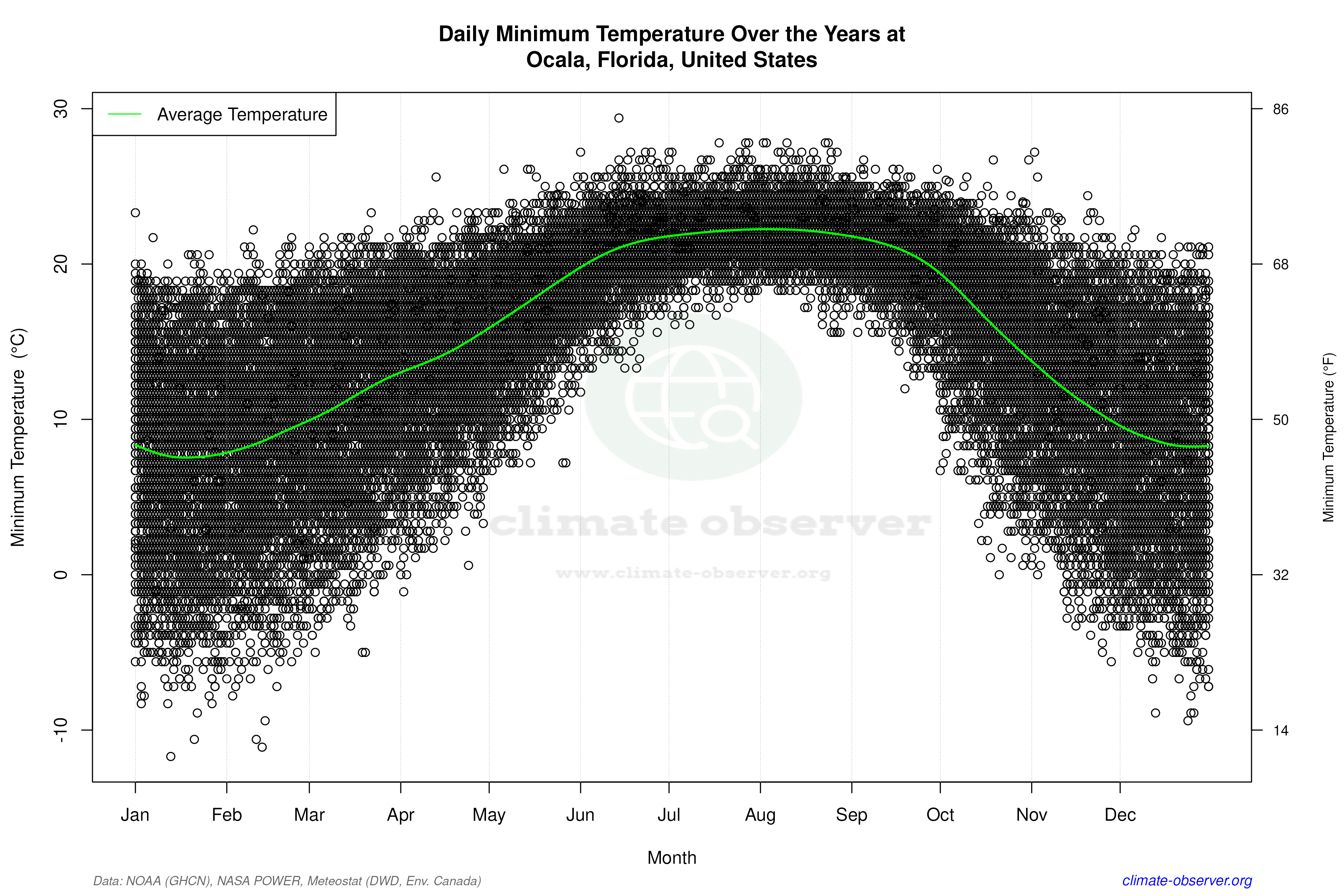
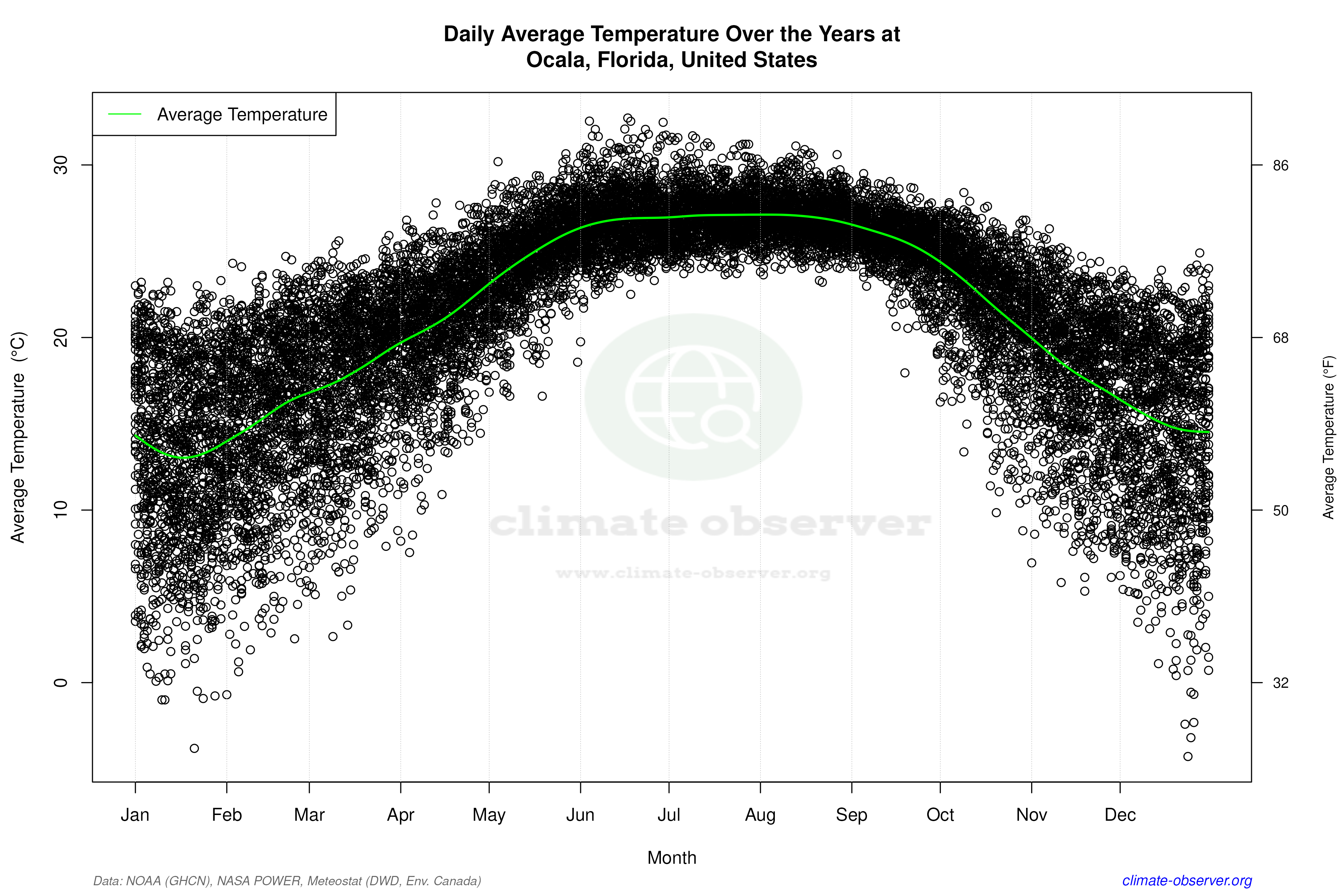
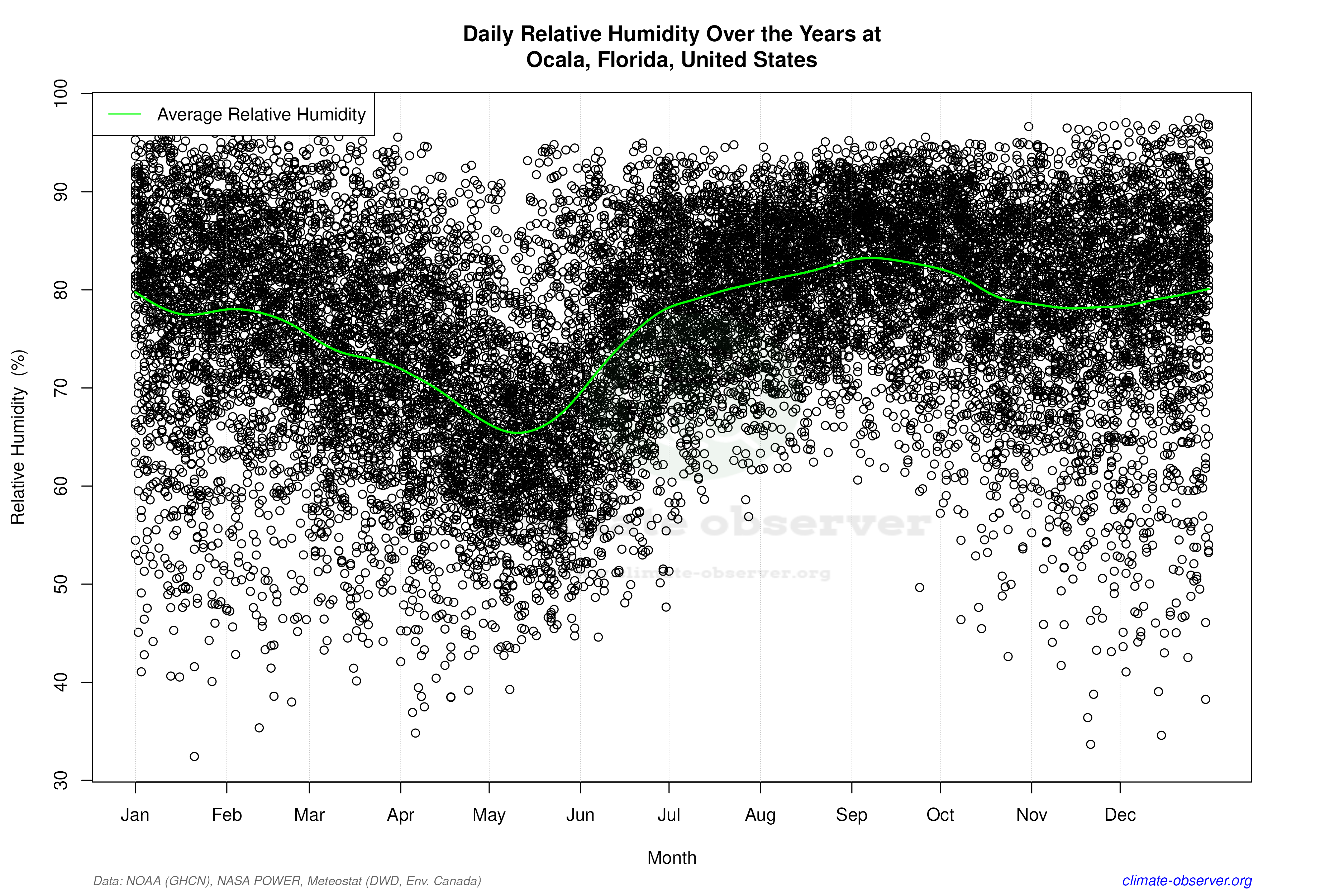

Average Max Temperature Throughout Year | 1 of 5


