Climate for Station: Kaoma, Western, Zambia
Loading live weather...
Climate Analysis & Overview
Kaoma, situated in Zambia's Western Province, is experiencing a nuanced climatic evolution. While the all-time temperature trends indicate a warming pattern, recent years have shown a slight cooling in high temperatures. Precipitation is becoming marginally more evenly distributed, reflecting subtle shifts in regional weather patterns.
Climatic Setting and Geography
Kaoma, located at -14.8, 24.8, lies within the tropical savanna climate zone, classified as Aw under the Köppen system. This region is characterised by distinct wet and dry seasons, influenced by its proximity to the Zambezi River basin. The landscape, with its mix of woodlands and grasslands, plays a critical role in moderating local temperatures and precipitation patterns. The area's topography and vegetation contribute to its capacity to absorb and distribute rainfall, which is crucial given the region's reliance on agriculture.
Temperature Trends: A Mixed Bag
The all-time temperature trends for Kaoma reveal a warming pattern, with highs increasing by 0.09°C (0.16°F) and lows by 0.15°C (0.27°F). This suggests a gradual rise in baseline temperatures over the years. However, the past decade presents a contrasting narrative, with high temperatures showing a cooling trend of -0.35°C (-0.63°F), while lows have slightly increased by 0.02°C (0.04°F). This divergence indicates potential shifts in seasonal temperature dynamics, possibly influenced by regional climatic variations or anthropogenic factors.
Precipitation Patterns: Subtle Shifts
Kaoma's Precipitation Concentration Index (PCI) has experienced a marginal decrease from a baseline of 22.15 to a current value of 21.55. The PCI measures how rainfall is distributed over time, with higher values indicating concentrated rainfall events. The slight decrease suggests that precipitation is becoming marginally more evenly distributed, which could benefit agricultural activities by reducing the risk of flood damage and improving water availability throughout the growing season.
Temperature Extremes: Record Observations
The region's temperature extremes are notable, with a record high of 40.82°C (105.48°F) and a record low of 2.86°C (37.15°F). These extremes highlight the variability in Kaoma's climate, underscoring the need for adaptive strategies to mitigate the impacts of both heatwaves and cold snaps. Such variability is crucial for local communities, particularly in planning for agricultural resilience and water resource management.
Regional Climate Initiatives
Zambia's commitment to addressing climate change is evident through its participation in international agreements and national policies aimed at sustainable development. Recent weather events, such as prolonged dry spells and intense rainfall, have prompted increased focus on climate adaptation strategies. These efforts are vital for regions like Kaoma, where climate variability directly impacts livelihoods and food security.
Station Statistics
10-Year Trend
High: -0.59 °C/decade
Low: +0.29 °C/decade
Rain: -0.49 mm/decade
25-Year Trend
High: -0.19 °C/decade
Low: +0.14 °C/decade
Rain: -0.08 mm/decade
50-Year Trend
High: +0.05 °C/decade
Low: +0.15 °C/decade
Rain: +0.00 mm/decade
All-Time Trend
High: +0.05 °C/decade
Low: +0.15 °C/decade
Rain: -0.03 mm/decade
Percentage Above-Average Days
Last 12 Months: 26.3%
This Year: 42.5%
Precipitation Concentration Index (PCI) ℹ️
Last 12 Months: 15.4
Historical Average: 22.1
Percentile Rank of Last 12 Months ℹ️
High: 17th percentile
Low: 59th percentile
Rain: 62nd percentile
Change in Variance ℹ️
High: -8.5%
Low: -16.4%
Intraday: -27.6%
Data Coverage
77.0%
First Year of Data
1962
Station Location
Historical Weather Records
| Max High | Avg High | Min High | Max Avg | Avg Avg | Min Avg | Max Low | Avg Low | Min Low | Max Precipitation | Avg Precipitation | Max Snow | Avg Snow | |
|---|---|---|---|---|---|---|---|---|---|---|---|---|---|
| Record | 40.8 °C | — | 17.6 °C | 32.8 °C | — | 10.1 °C | 26.1 °C | — | 2.9 °C | 201.6 mm | — | — | — |
| January | 34.9 °C | 26.8 °C | 21.9 °C | 27.1 °C | 22.2 °C | 19.3 °C | 20.7 °C | 18.2 °C | 13.4 °C | 68.3 mm | 7.2 mm | — | — |
| February | 35.7 °C | 26.8 °C | 21.2 °C | 28.3 °C | 22.1 °C | 19.3 °C | 21.4 °C | 18.1 °C | 13.6 °C | 78.8 mm | 5.8 mm | — | — |
| March | 36.7 °C | 27.3 °C | 20.7 °C | 28.9 °C | 22.1 °C | 17.7 °C | 22.4 °C | 17.7 °C | 11.3 °C | 67.2 mm | 3.4 mm | — | — |
| April | 36.4 °C | 27.8 °C | 19.3 °C | 29.1 °C | 21.4 °C | 16.2 °C | 22.3 °C | 15.7 °C | 9.5 °C | 27.4 mm | 0.6 mm | — | — |
| May | 35.6 °C | 27.8 °C | 19.5 °C | 25.7 °C | 19.9 °C | 14.4 °C | 19.3 °C | 12.7 °C | 6.7 °C | 10.7 mm | 0.0 mm | — | — |
| June | 32.7 °C | 26.5 °C | 17.6 °C | 25.0 °C | 17.9 °C | 10.1 °C | 18.3 °C | 10.2 °C | 3.3 °C | 2.0 mm | 0.0 mm | — | — |
| July | 32.7 °C | 26.6 °C | 20.6 °C | 22.9 °C | 17.6 °C | 11.2 °C | 16.2 °C | 9.6 °C | 2.9 °C | 3.5 mm | 0.0 mm | — | — |
| August | 35.6 °C | 29.9 °C | 22.2 °C | 27.4 °C | 20.8 °C | 15.2 °C | 21.1 °C | 12.4 °C | 5.8 °C | 16.3 mm | 0.0 mm | — | — |
| September | 39.5 °C | 33.9 °C | 24.5 °C | 30.1 °C | 24.9 °C | 17.2 °C | 23.3 °C | 16.6 °C | 9.5 °C | 201.6 mm | 0.2 mm | — | — |
| October | 40.8 °C | 35.1 °C | 24.0 °C | 32.0 °C | 27.3 °C | 20.9 °C | 24.9 °C | 19.9 °C | 13.2 °C | 78.2 mm | 1.5 mm | — | — |
| November | 40.4 °C | 32.5 °C | 21.6 °C | 32.8 °C | 26.1 °C | 19.2 °C | 26.1 °C | 20.0 °C | 13.9 °C | 144.5 mm | 4.2 mm | — | — |
| December | 40.0 °C | 28.8 °C | 22.4 °C | 31.3 °C | 23.6 °C | 19.8 °C | 23.2 °C | 18.8 °C | 14.7 °C | 136.9 mm | 6.8 mm | — | — |
Data Visualisations
Remove WatermarksCurrent Year Climate Trends vs Historical
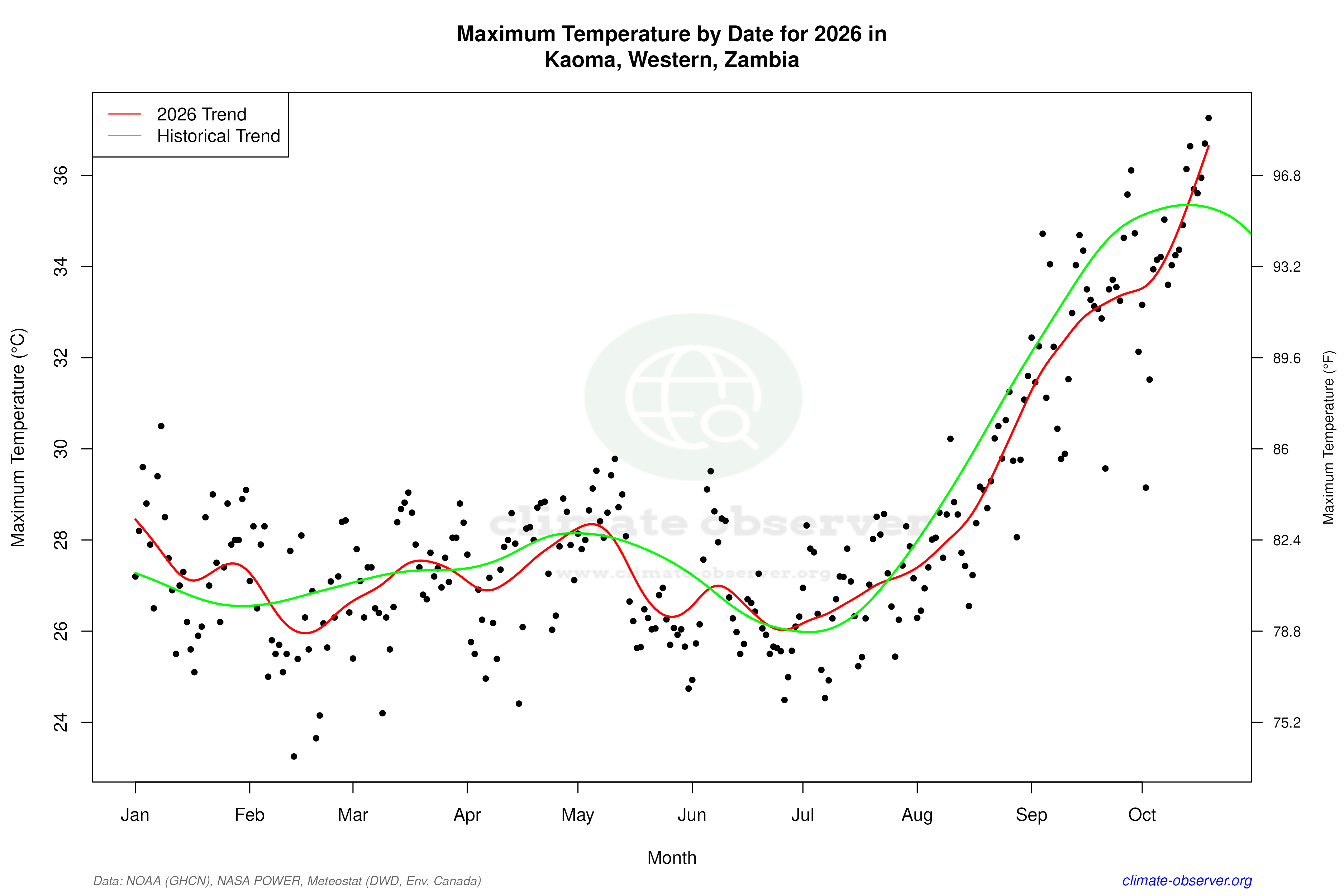
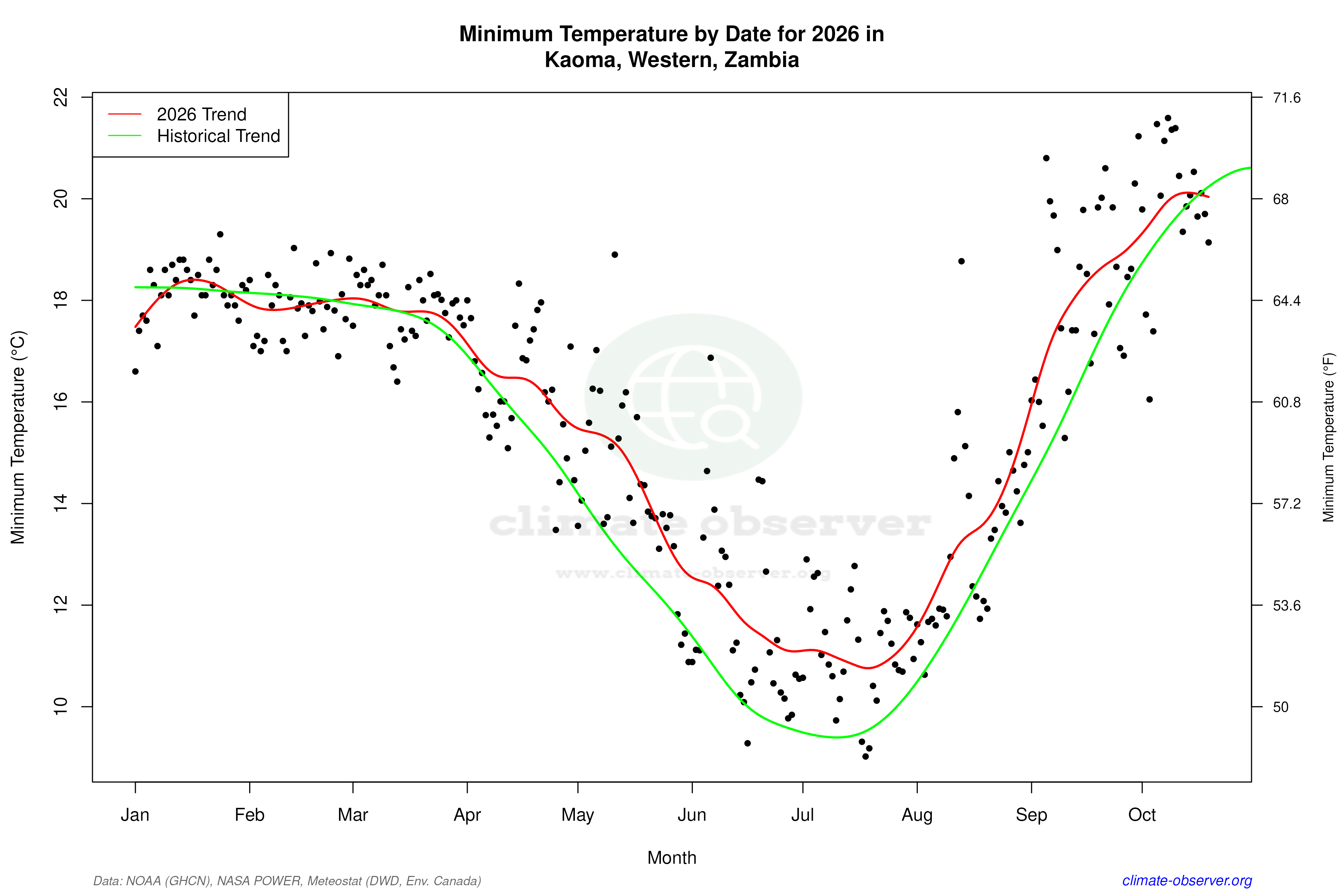
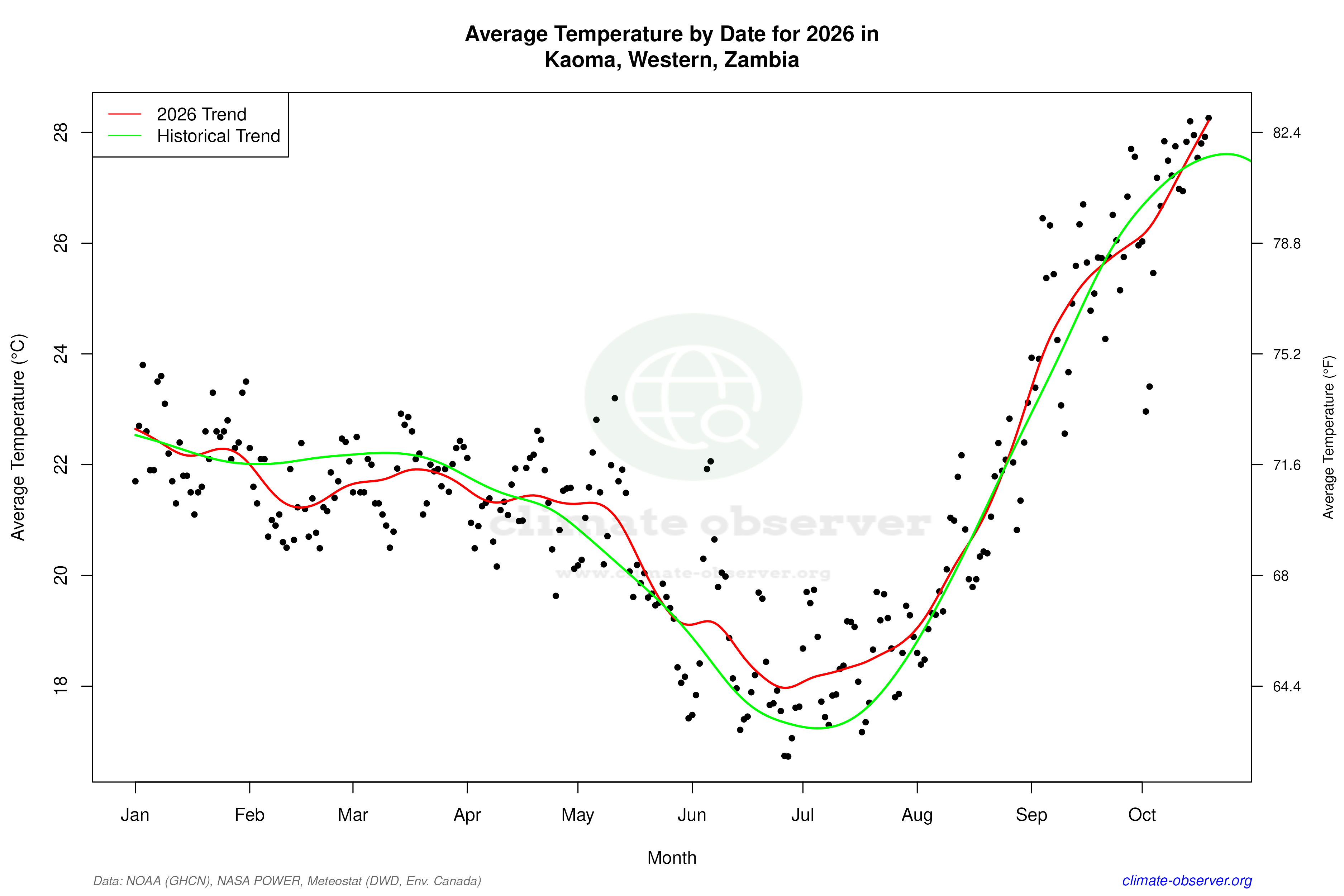
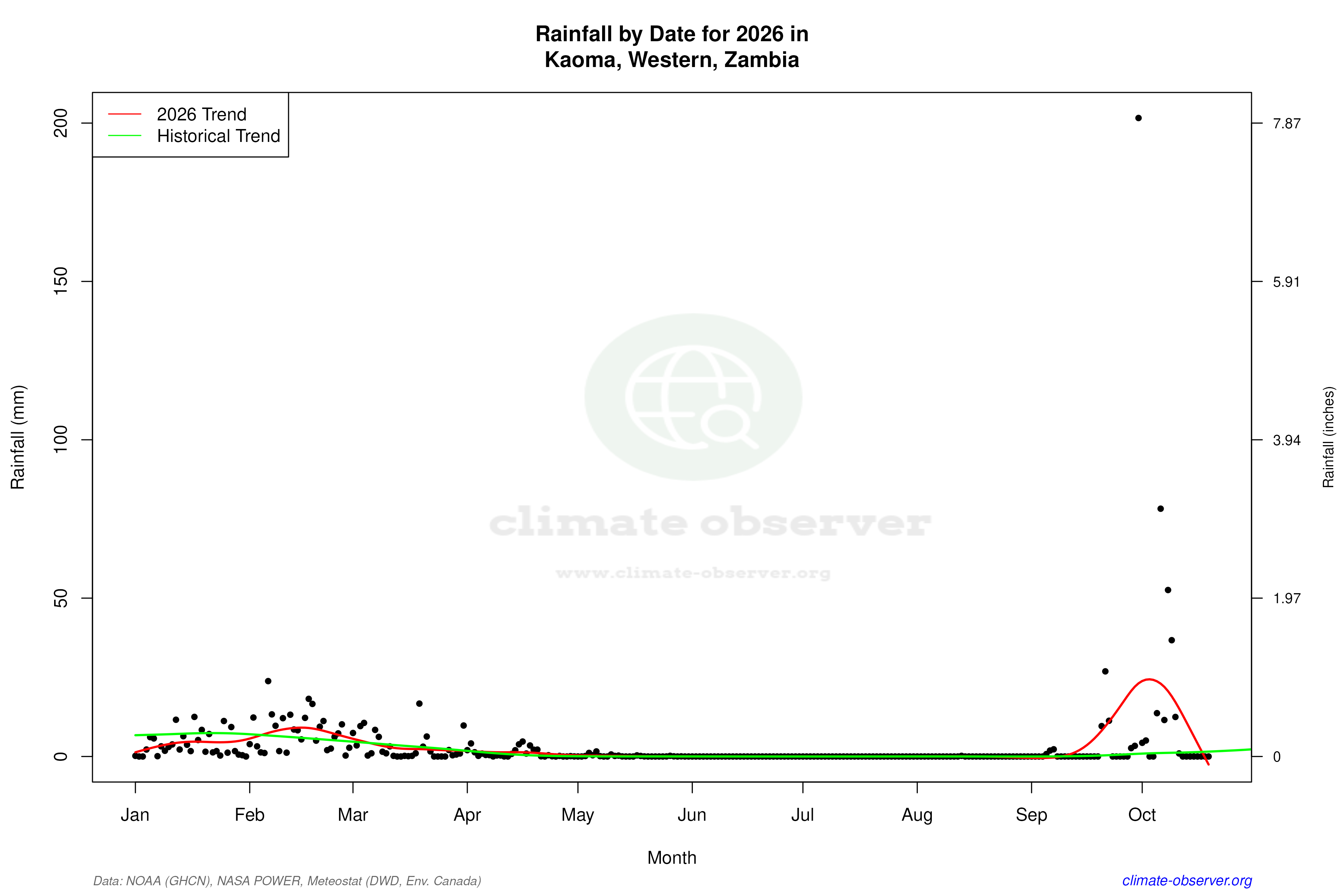
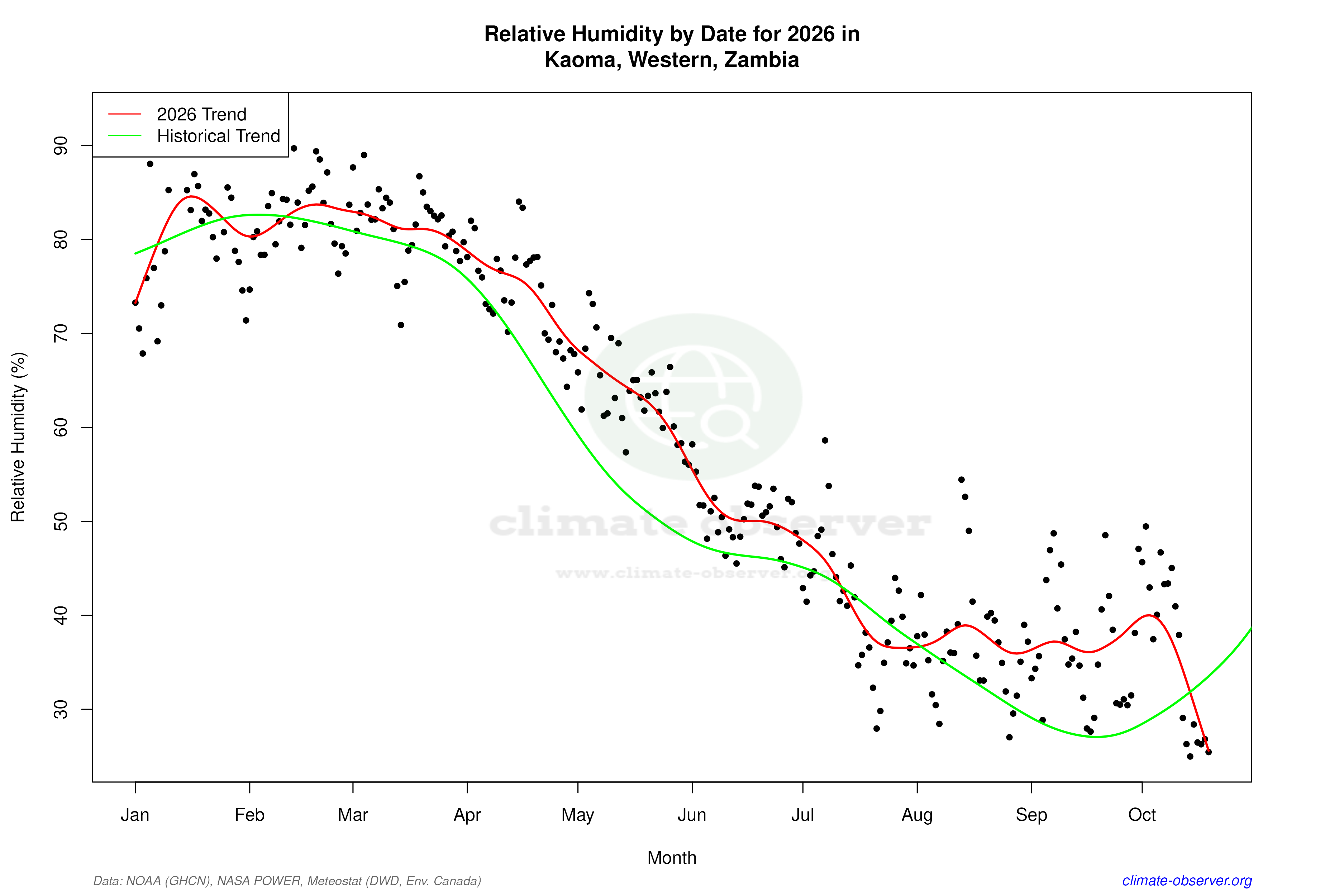

Max Temperature this Year | 1 of 6
Climate 12-Month Moving Averages
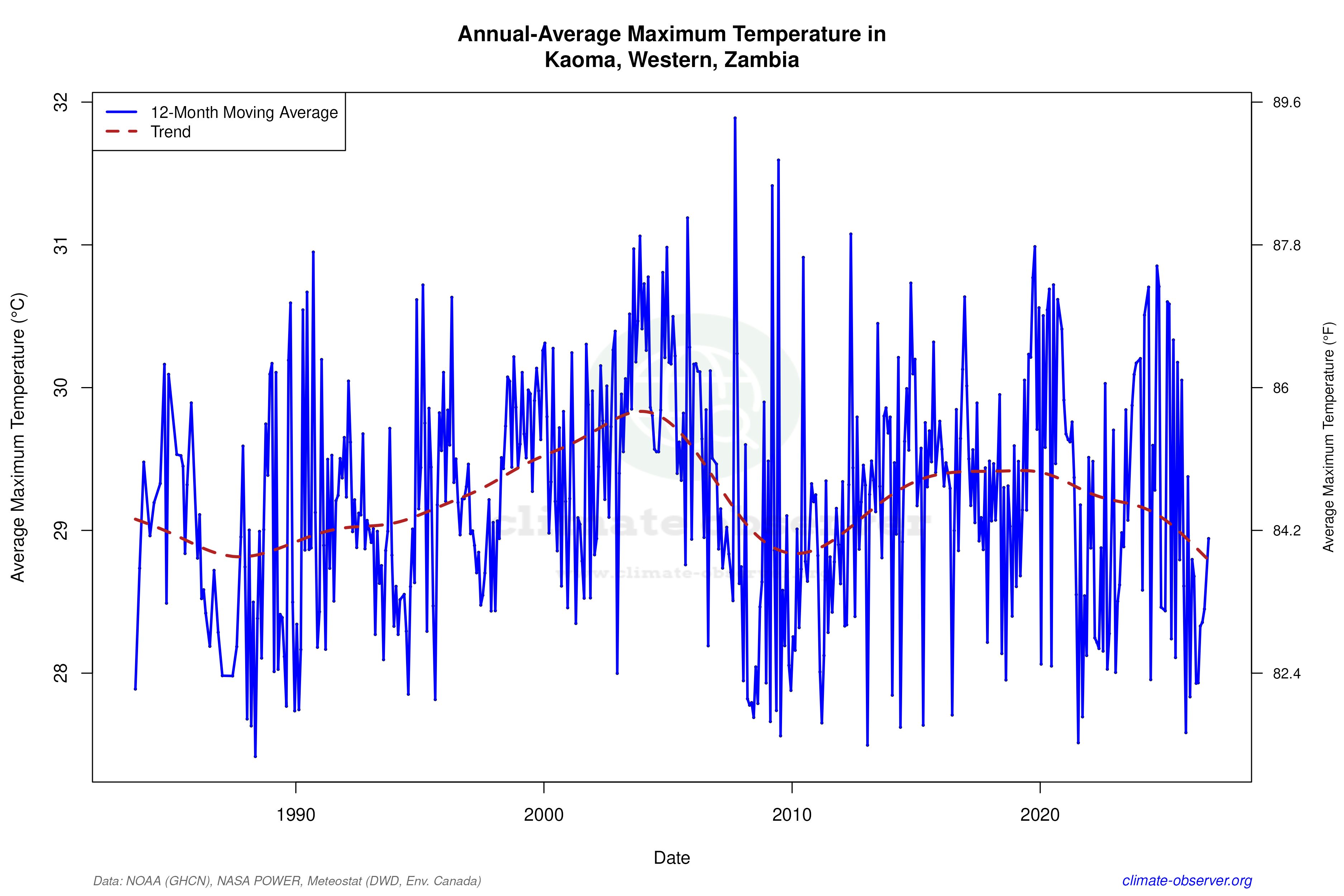
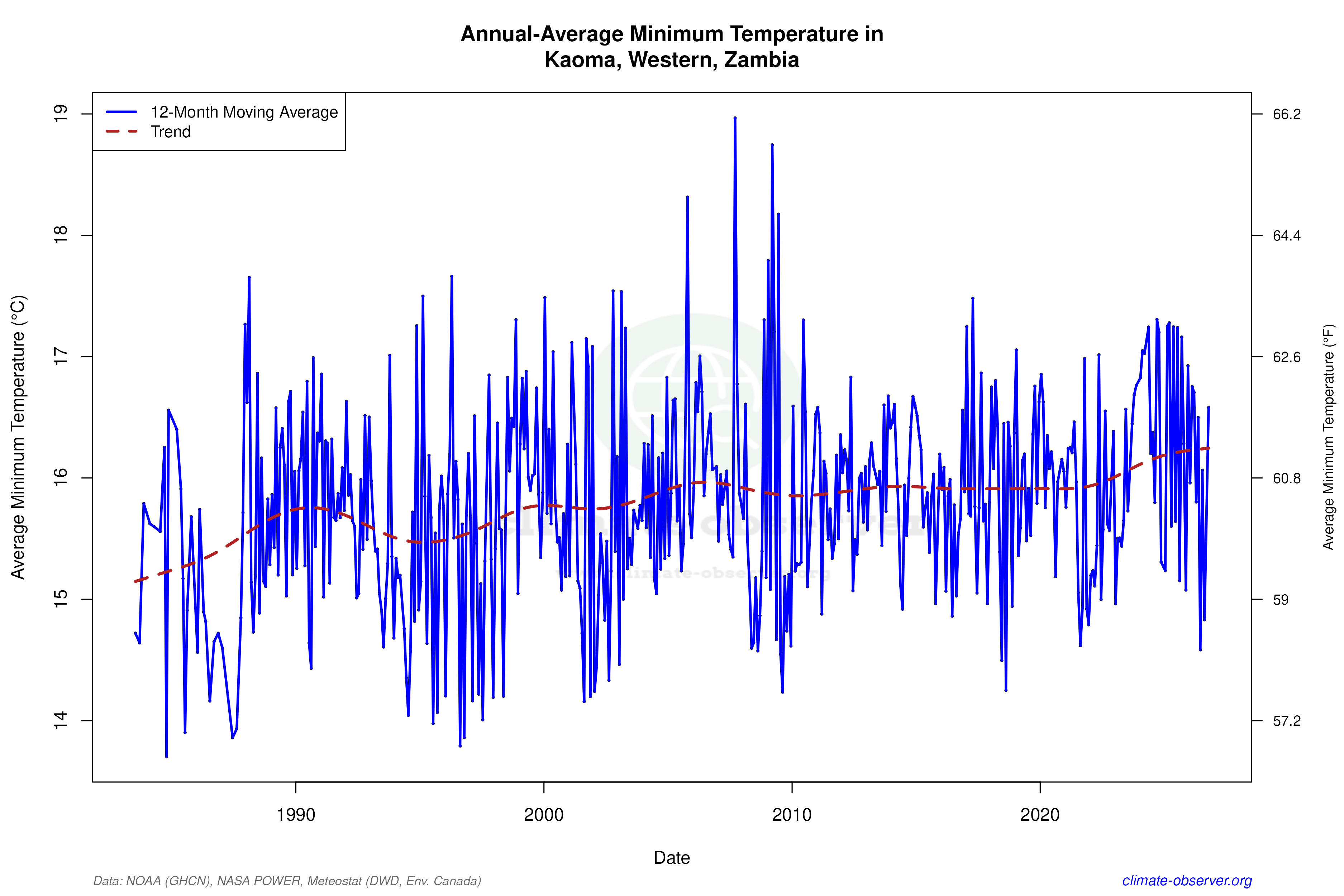
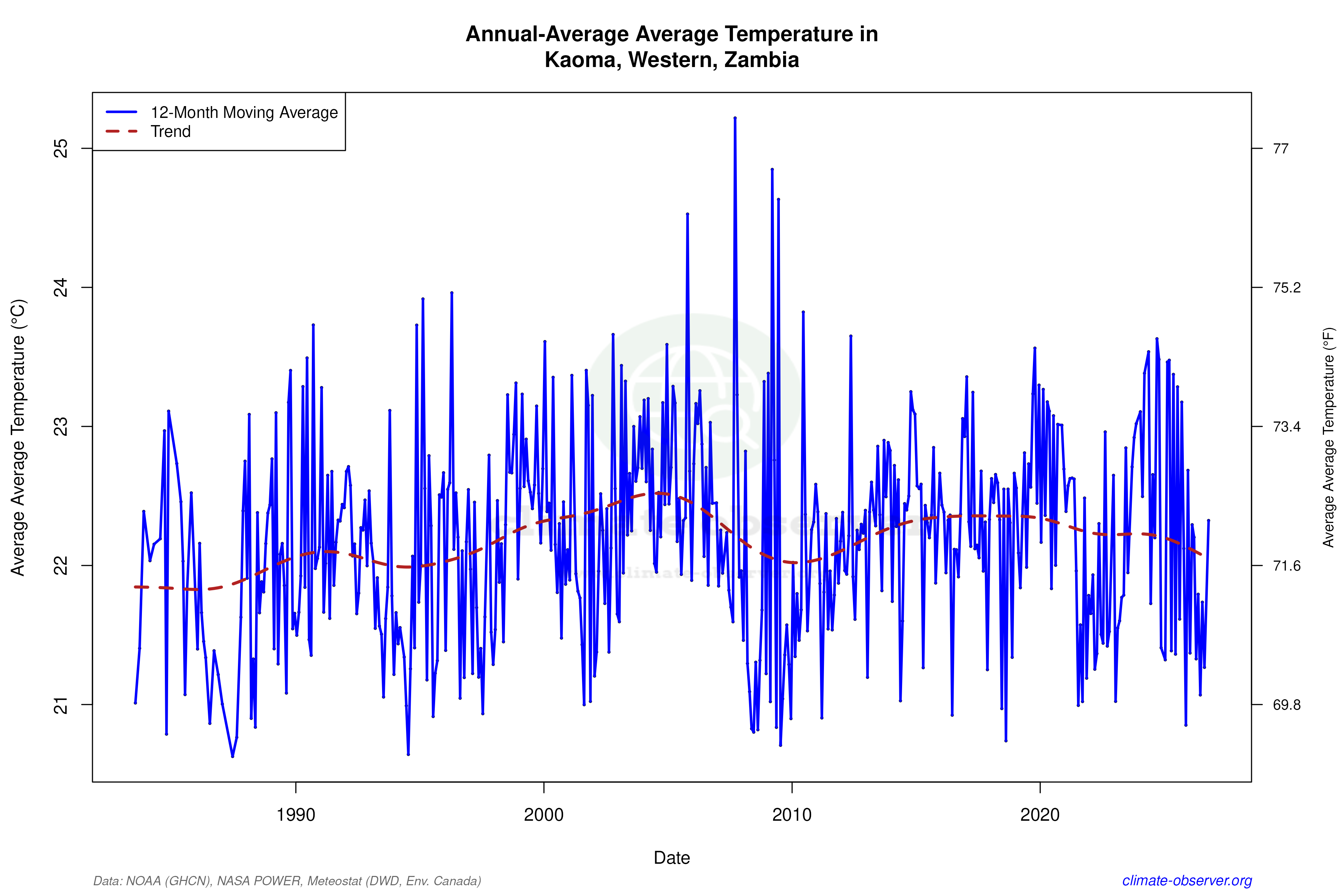
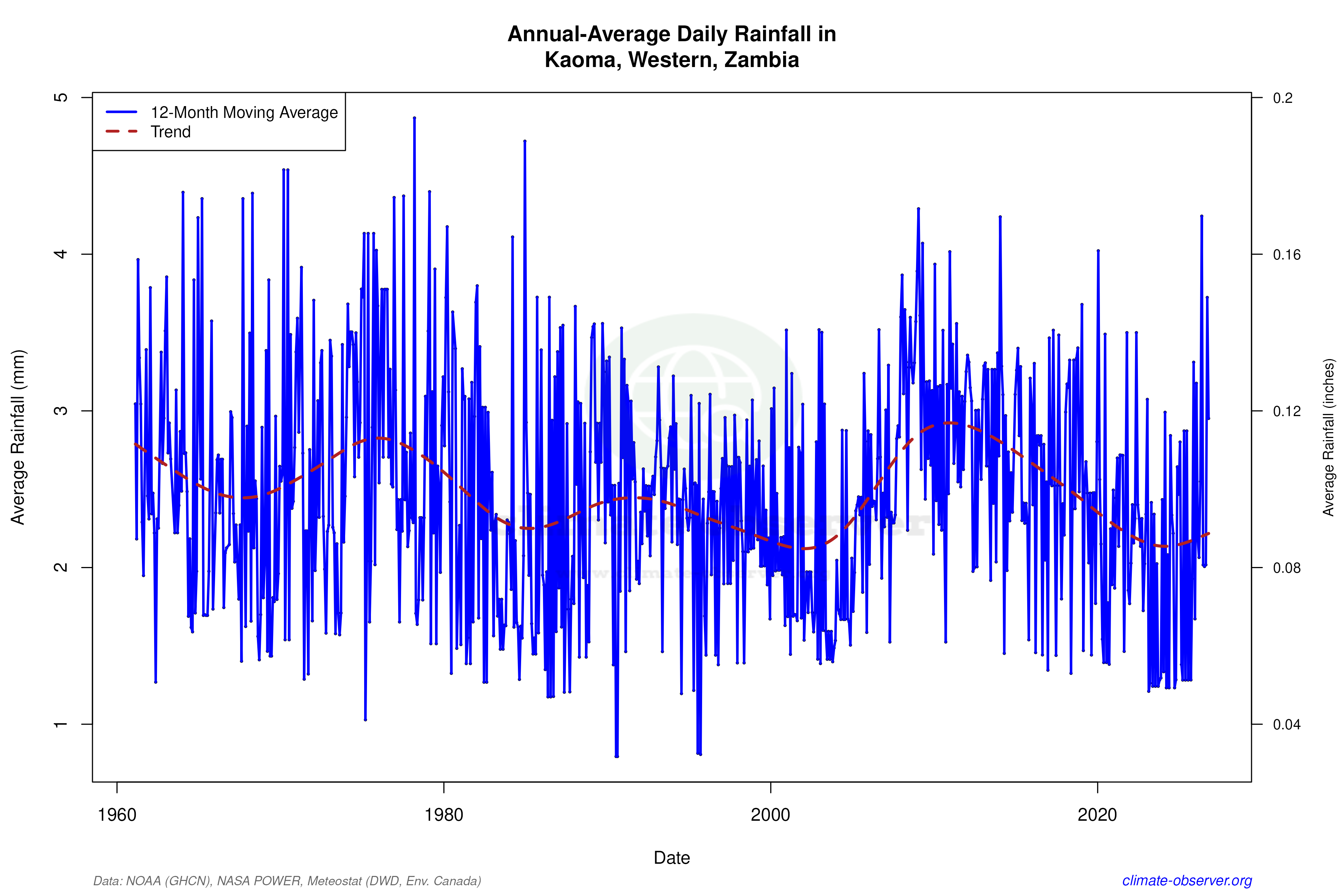
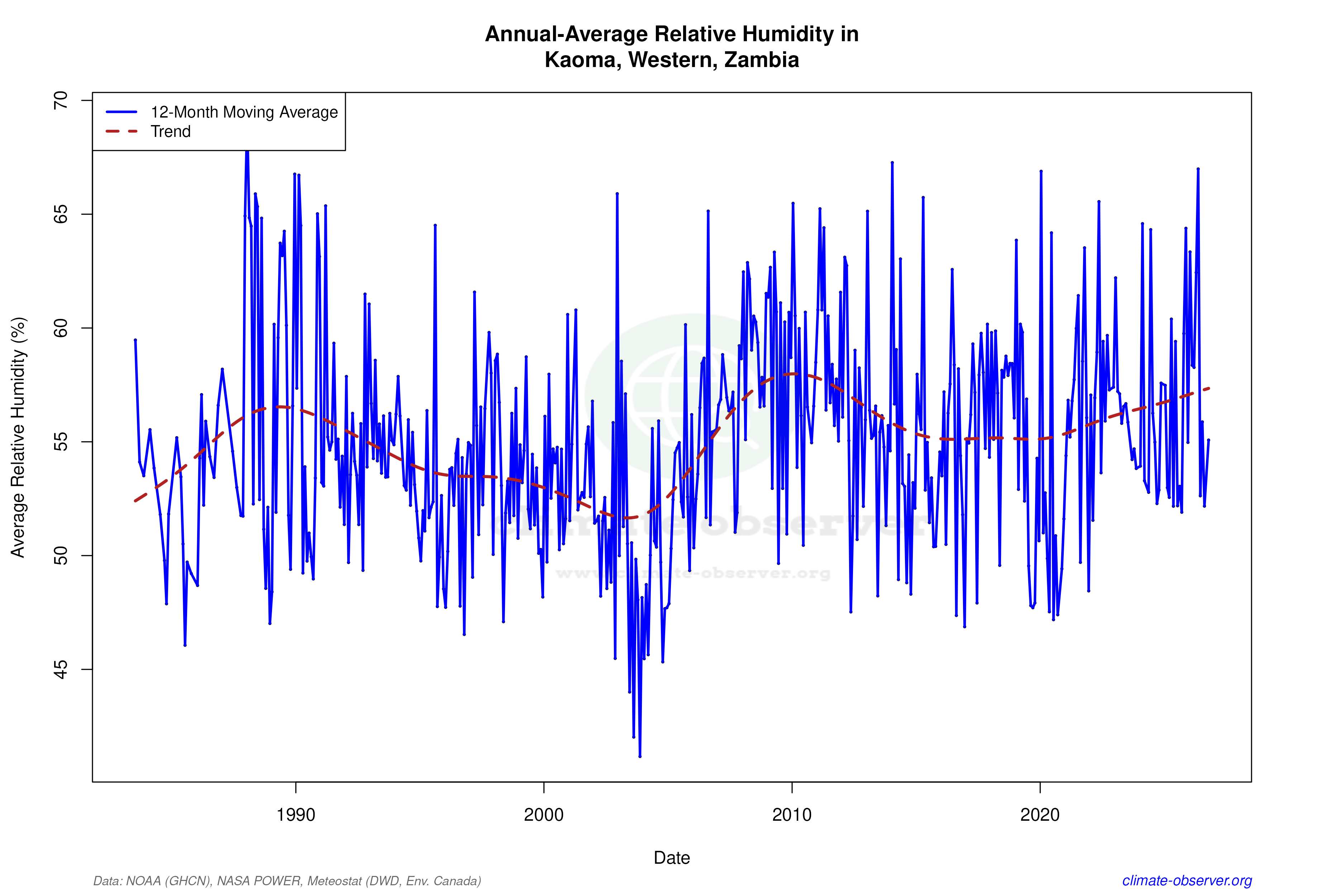

Max Temperature 12-Month MA | 1 of 6
Daily Data Points and Averages Throughout the Year
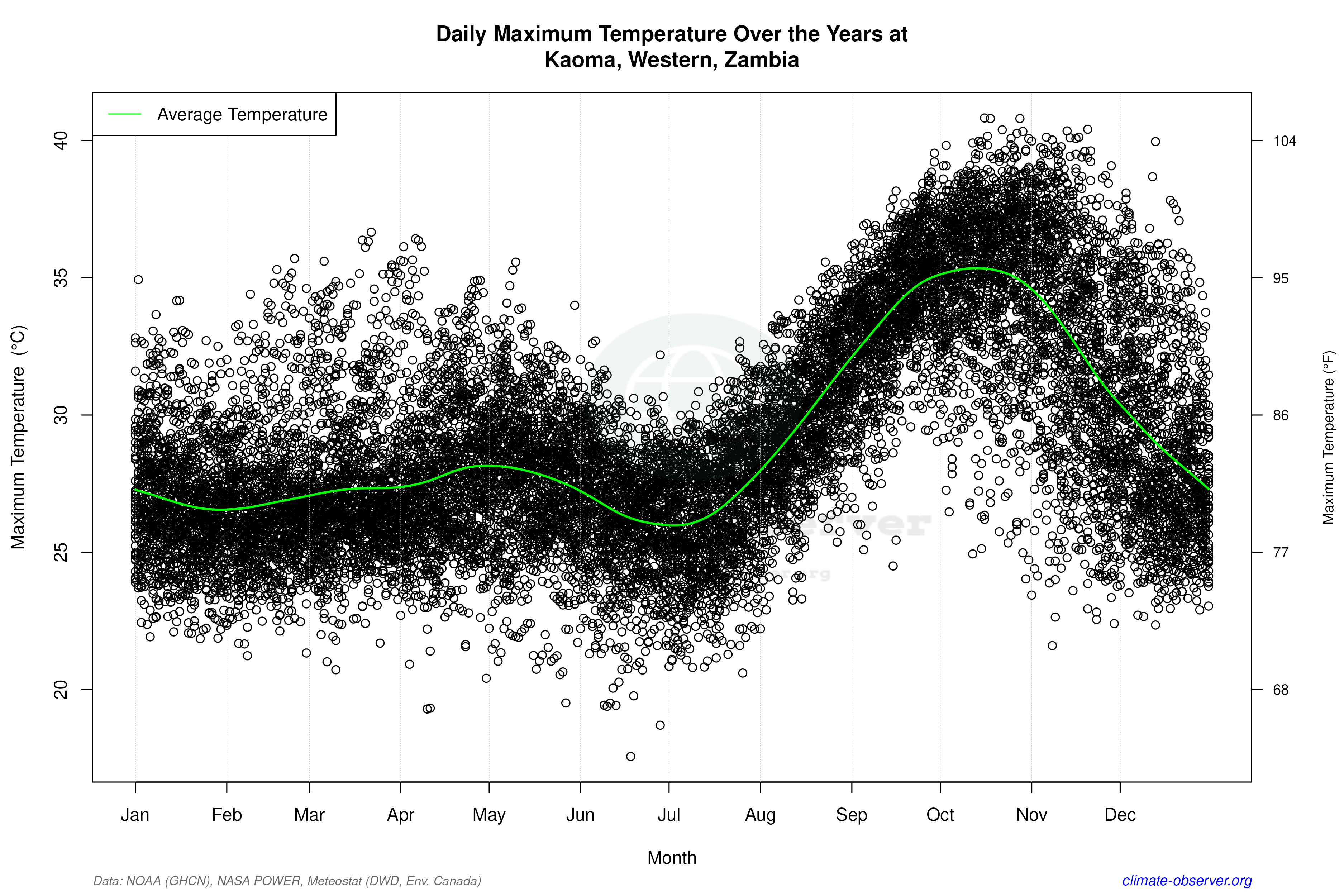
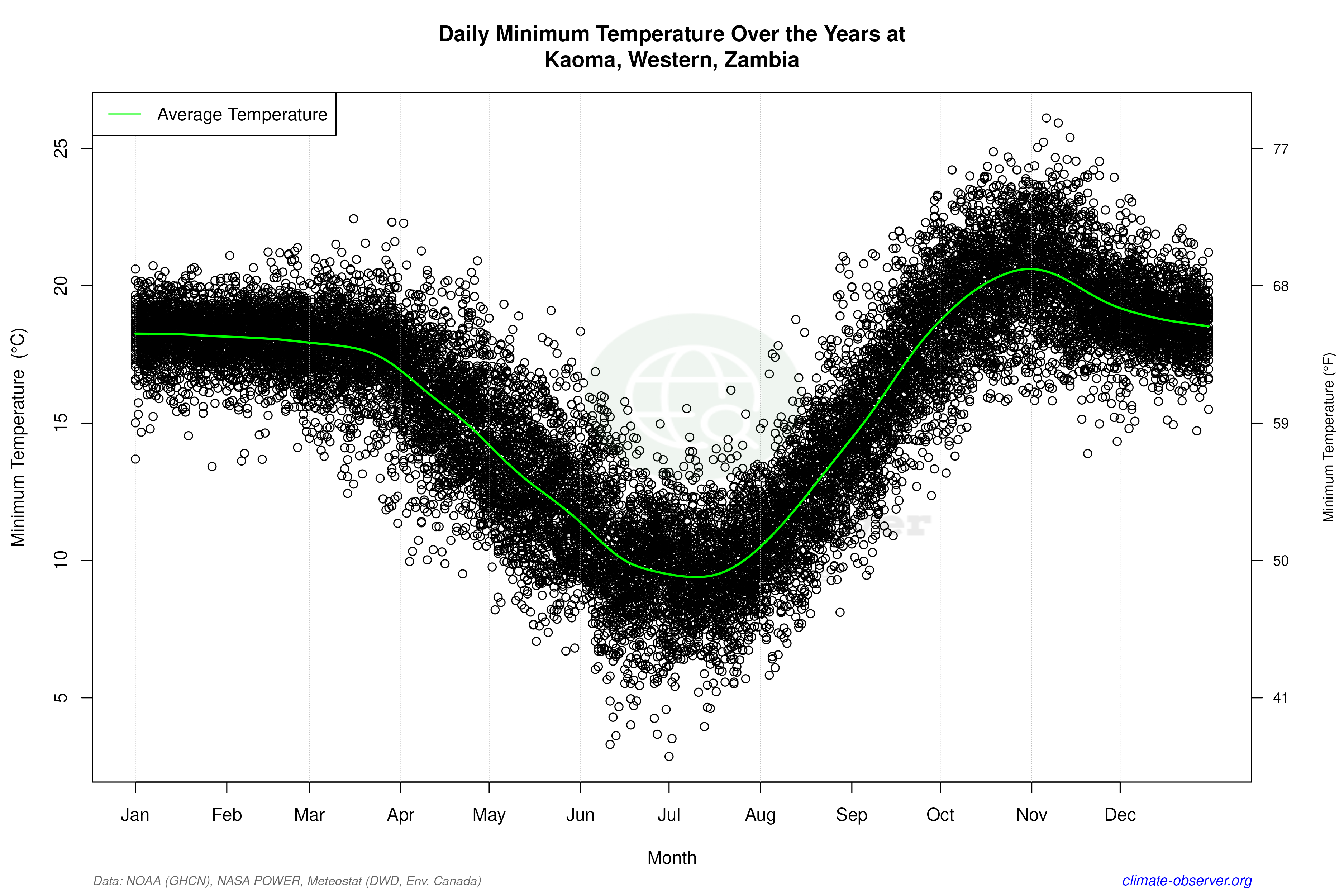
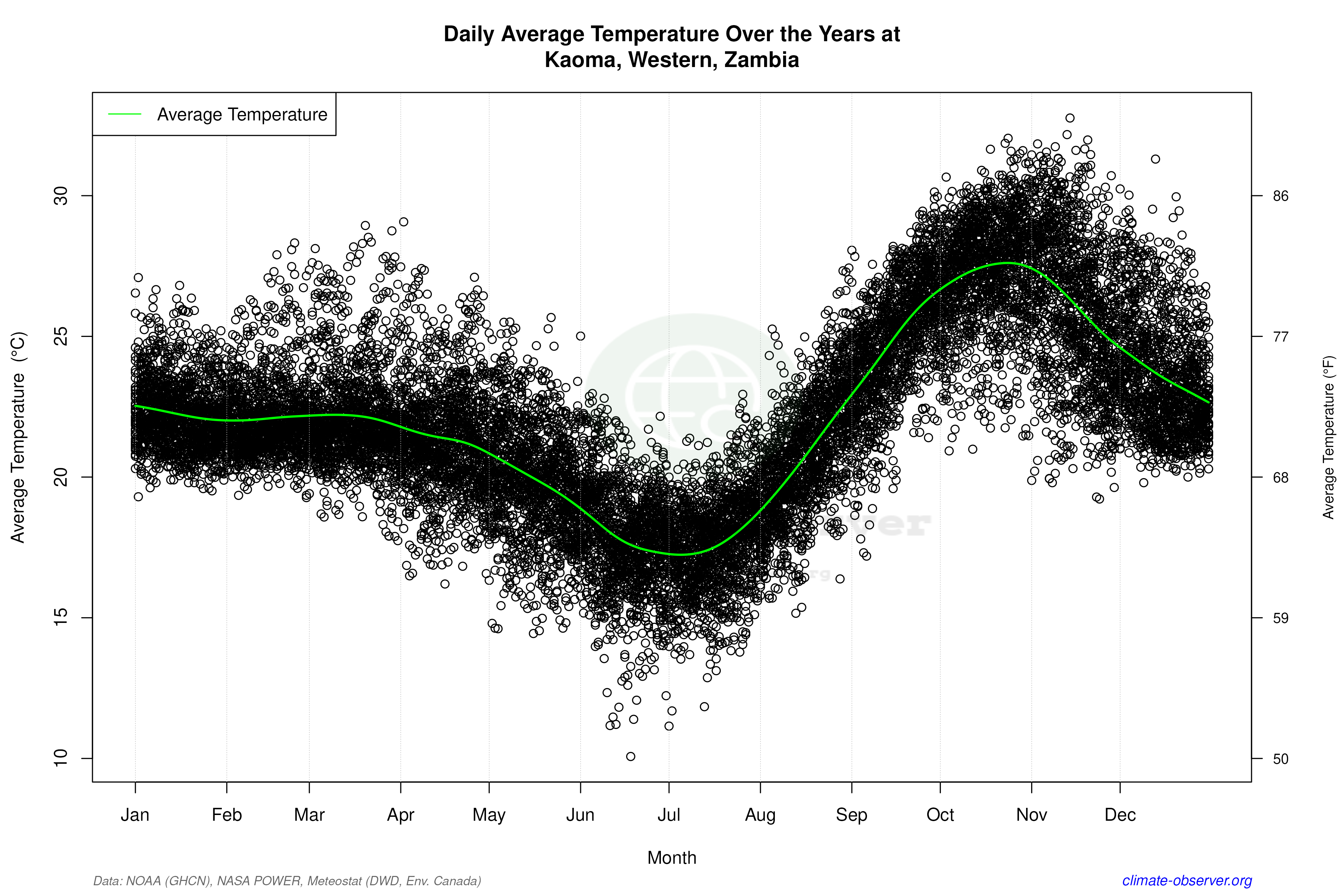
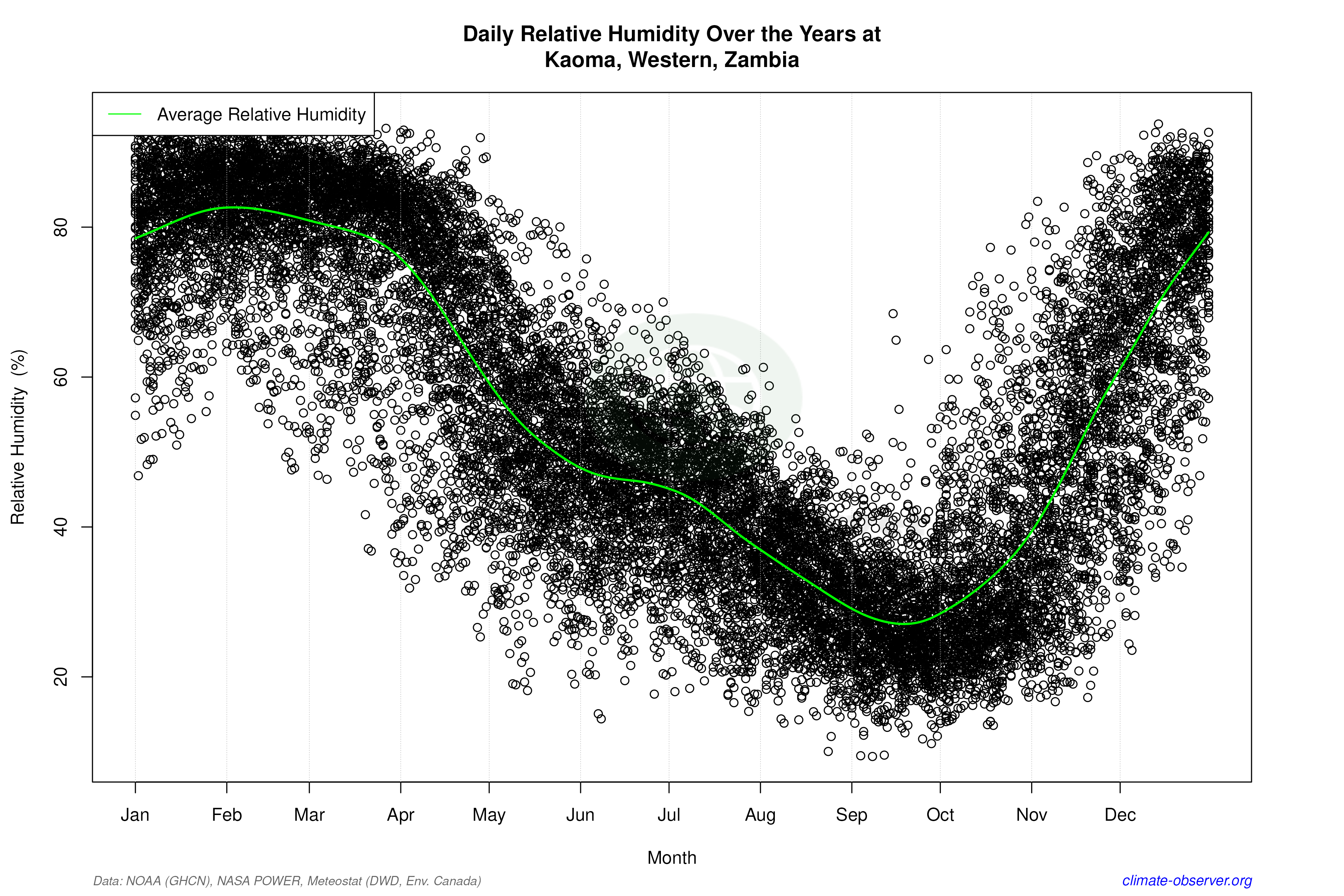

Average Max Temperature Throughout Year | 1 of 5


