Climate for Station: Quelimane, Zambezia, Mozambique
Loading live weather...
Climate Analysis & Overview
Quelimane's climate is experiencing a nuanced transformation. While long-term trends indicate a slight warming, the past decade has seen a cooling in both high and low temperatures. Precipitation is becoming marginally more evenly distributed, reflecting subtle shifts in the local climate dynamics.
Tropical Coastal Dynamics
Quelimane, situated along Mozambique's coastline, is influenced by its tropical savanna climate, classified as "Aw" in the Köppen system. This classification is characterised by distinct wet and dry seasons, with the Indian Ocean playing a pivotal role in moderating temperatures and influencing precipitation patterns. The city's geography, nestled near the confluence of the Rio dos Bons Sinais, also impacts its climate, contributing to humidity and frequent rainfall events.
Temperature Trends: A Tale of Two Scales
Examining the temperature trends reveals an intriguing dichotomy. Over the past decade, Quelimane has experienced a cooling trend, with average high temperatures decreasing by 0.88°C (1.58°F) and lows by 0.25°C (0.45°F). However, when considering the all-time data, a slight warming is evident, with highs increasing by 0.10°C (0.18°F) and lows by 0.18°C (0.32°F). This suggests a complex interplay of factors influencing short-term cooling against a backdrop of long-term warming.
Precipitation Patterns: A Subtle Shift
Quelimane's Precipitation Concentration Index (PCI) has seen a marginal change from a baseline of 17.89 to a current value of 17.69. The PCI measures how precipitation is distributed over time, with higher values indicating more concentrated rainfall events. The slight decrease suggests a more even distribution of rainfall, potentially reducing the intensity of individual events. This shift could be beneficial in managing flood risks, a significant concern for Mozambique's coastal regions.
Record Extremes: A Climate of Contrasts
The city's recorded temperature extremes highlight its climatic variability. Quelimane has experienced a record high of 45.0°C (113.0°F), underscoring the potential for intense heatwaves. Conversely, the record low of 6.0°C (42.8°F) illustrates the range of temperatures that can occur, even in a tropical setting. These extremes are critical considerations for local adaptation strategies, particularly in agriculture and infrastructure planning.
Regional Climate Considerations
Mozambique's broader climate goals focus on resilience and adaptation, particularly in coastal cities like Quelimane. Recent weather events, including cyclones and flooding, underscore the importance of understanding local climate dynamics. The nuanced shifts in temperature and precipitation patterns observed in Quelimane provide valuable insights for regional climate adaptation efforts, aligning with national priorities to mitigate the impacts of climate change.
Station Statistics
10-Year Trend
High: -1.39 °F/decade
Low: -0.56 °F/decade
Rain: -0.038 in/decade
25-Year Trend
High: -0.07 °F/decade
Low: +0.14 °F/decade
Rain: +0.000 in/decade
50-Year Trend
High: +0.37 °F/decade
Low: +0.70 °F/decade
Rain: -0.005 in/decade
All-Time Trend
High: +0.16 °F/decade
Low: +0.24 °F/decade
Rain: -0.004 in/decade
Percentage Above-Average Days
Last 12 Months: 44.7%
This Year: 53.4%
Precipitation Concentration Index (PCI) ℹ️
Last 12 Months: 19.6
Historical Average: 16.9
Percentile Rank of Last 12 Months ℹ️
High: 52nd percentile
Low: 80th percentile
Rain: 29th percentile
Change in Variance ℹ️
High: -6.7%
Low: -10.5%
Intraday: -13.6%
Data Coverage
91.1%
First Year of Data
2024
Station Location
Historical Weather Records
| Max High | Avg High | Min High | Max Avg | Avg Avg | Min Avg | Max Low | Avg Low | Min Low | Max Precipitation | Avg Precipitation | Max Snow | Avg Snow | |
|---|---|---|---|---|---|---|---|---|---|---|---|---|---|
| Record | 113.00 °F | — | 62.06 °F | 95.72 °F | — | 59.18 °F | 83.66 °F | — | 42.80 °F | 14.93 in | — | — | — |
| January | 104.00 °F | 90.00 °F | 73.76 °F | 94.64 °F | 82.49 °F | 73.58 °F | 82.22 °F | 74.99 °F | 63.68 °F | 9.33 in | 0.33 in | — | — |
| February | 103.59 °F | 89.56 °F | 76.28 °F | 92.48 °F | 82.11 °F | 69.08 °F | 83.66 °F | 75.12 °F | 63.50 °F | 7.01 in | 0.31 in | — | — |
| March | 103.46 °F | 88.42 °F | 73.22 °F | 89.96 °F | 81.47 °F | 71.78 °F | 81.21 °F | 74.47 °F | 65.30 °F | 7.40 in | 0.28 in | — | — |
| April | 99.32 °F | 86.69 °F | 69.98 °F | 88.34 °F | 79.01 °F | 67.64 °F | 79.70 °F | 71.54 °F | 59.90 °F | 7.68 in | 0.16 in | — | — |
| May | 104.09 °F | 84.26 °F | 64.40 °F | 88.34 °F | 75.38 °F | 62.42 °F | 76.08 °F | 66.66 °F | 50.90 °F | 7.83 in | 0.08 in | — | — |
| June | 96.10 °F | 81.22 °F | 62.06 °F | 83.66 °F | 72.32 °F | 60.26 °F | 74.34 °F | 62.93 °F | 46.94 °F | 2.74 in | 0.07 in | — | — |
| July | 93.92 °F | 80.16 °F | 65.84 °F | 81.32 °F | 71.09 °F | 60.62 °F | 70.92 °F | 61.49 °F | 42.80 °F | 3.50 in | 0.07 in | — | — |
| August | 98.60 °F | 82.81 °F | 69.44 °F | 85.82 °F | 73.10 °F | 59.18 °F | 74.77 °F | 62.64 °F | 50.00 °F | 2.22 in | 0.03 in | — | — |
| September | 106.16 °F | 86.45 °F | 71.06 °F | 88.16 °F | 76.49 °F | 65.48 °F | 77.90 °F | 66.04 °F | 50.00 °F | 12.87 in | 0.03 in | — | — |
| October | 111.20 °F | 89.37 °F | 73.94 °F | 93.02 °F | 79.48 °F | 67.82 °F | 83.66 °F | 69.83 °F | 49.10 °F | 14.93 in | 0.04 in | — | — |
| November | 113.00 °F | 91.21 °F | 69.26 °F | 95.72 °F | 82.04 °F | 68.54 °F | 81.39 °F | 72.68 °F | 55.22 °F | 5.09 in | 0.11 in | — | — |
| December | 110.12 °F | 90.89 °F | 75.20 °F | 93.38 °F | 82.72 °F | 70.88 °F | 82.54 °F | 74.42 °F | 57.20 °F | 6.70 in | 0.24 in | — | — |
Data Visualisations
Remove WatermarksCurrent Year Climate Trends vs Historical
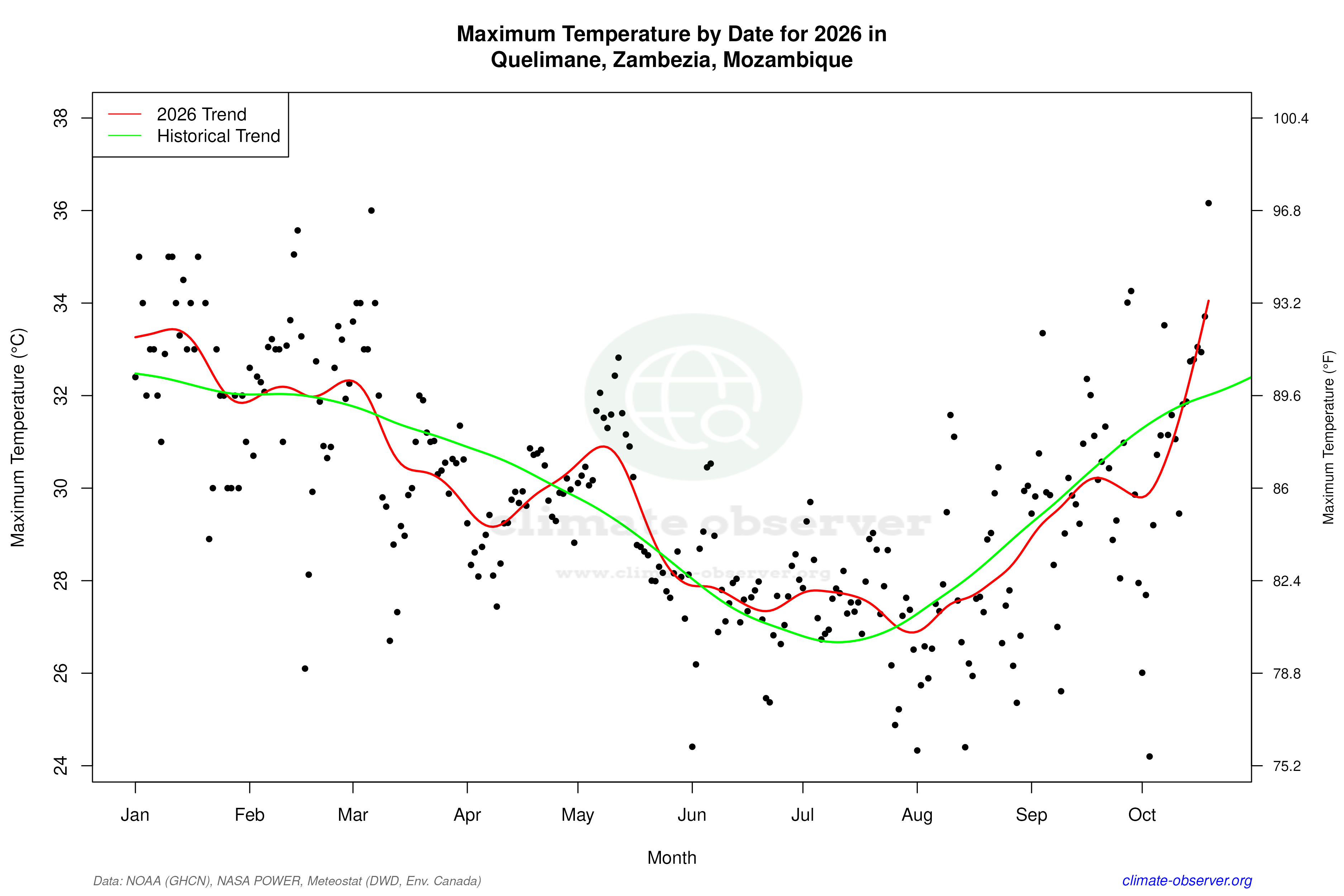
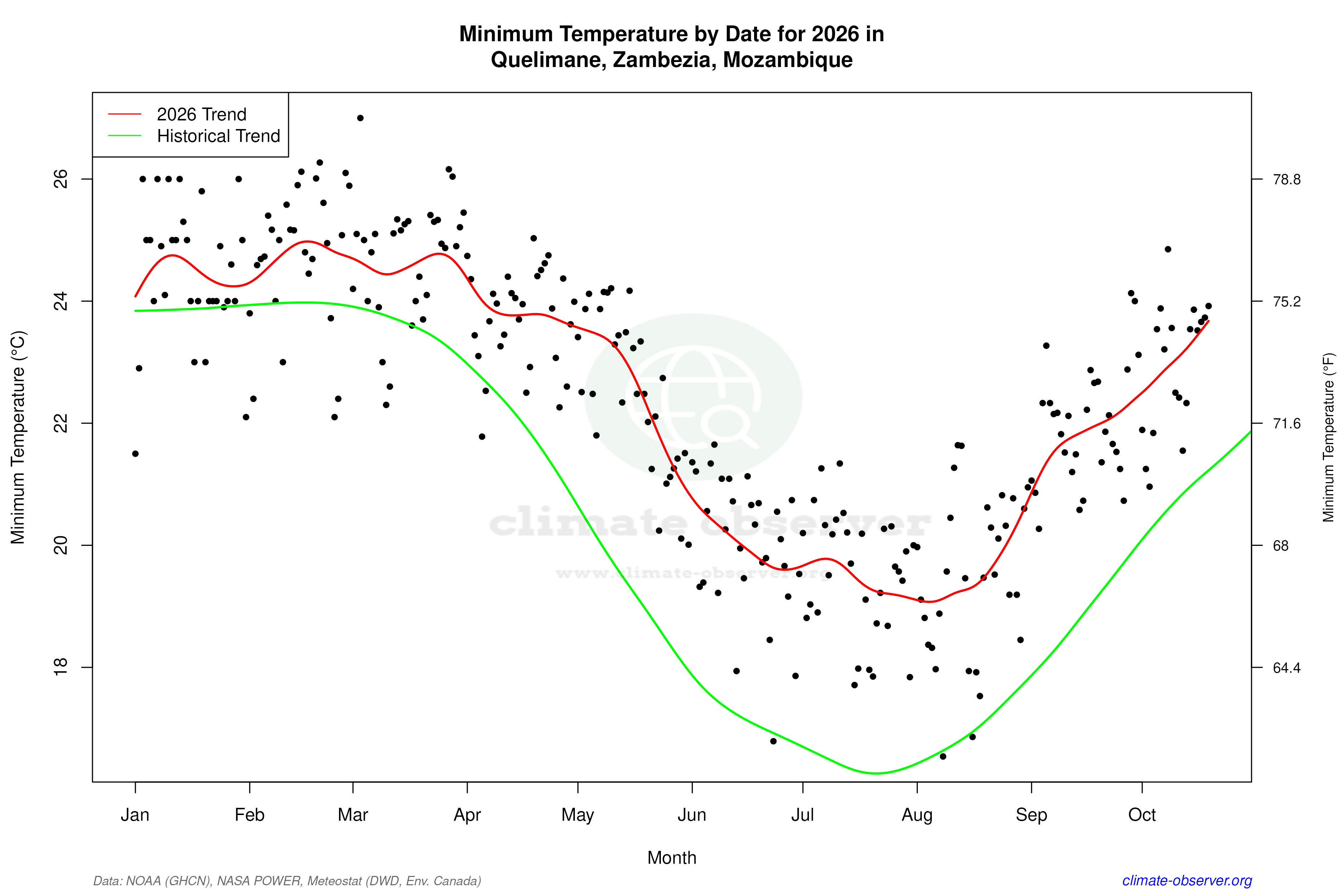
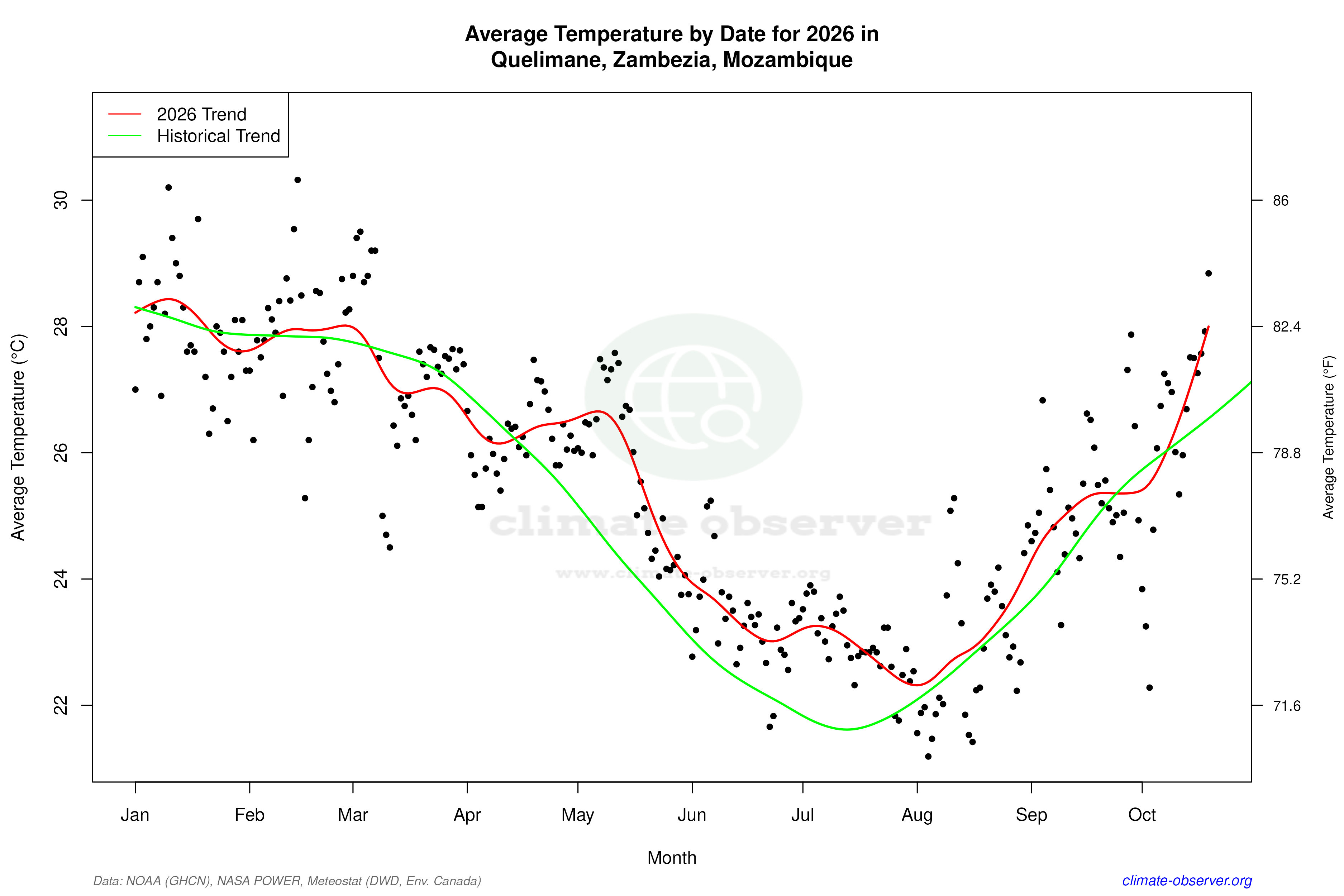
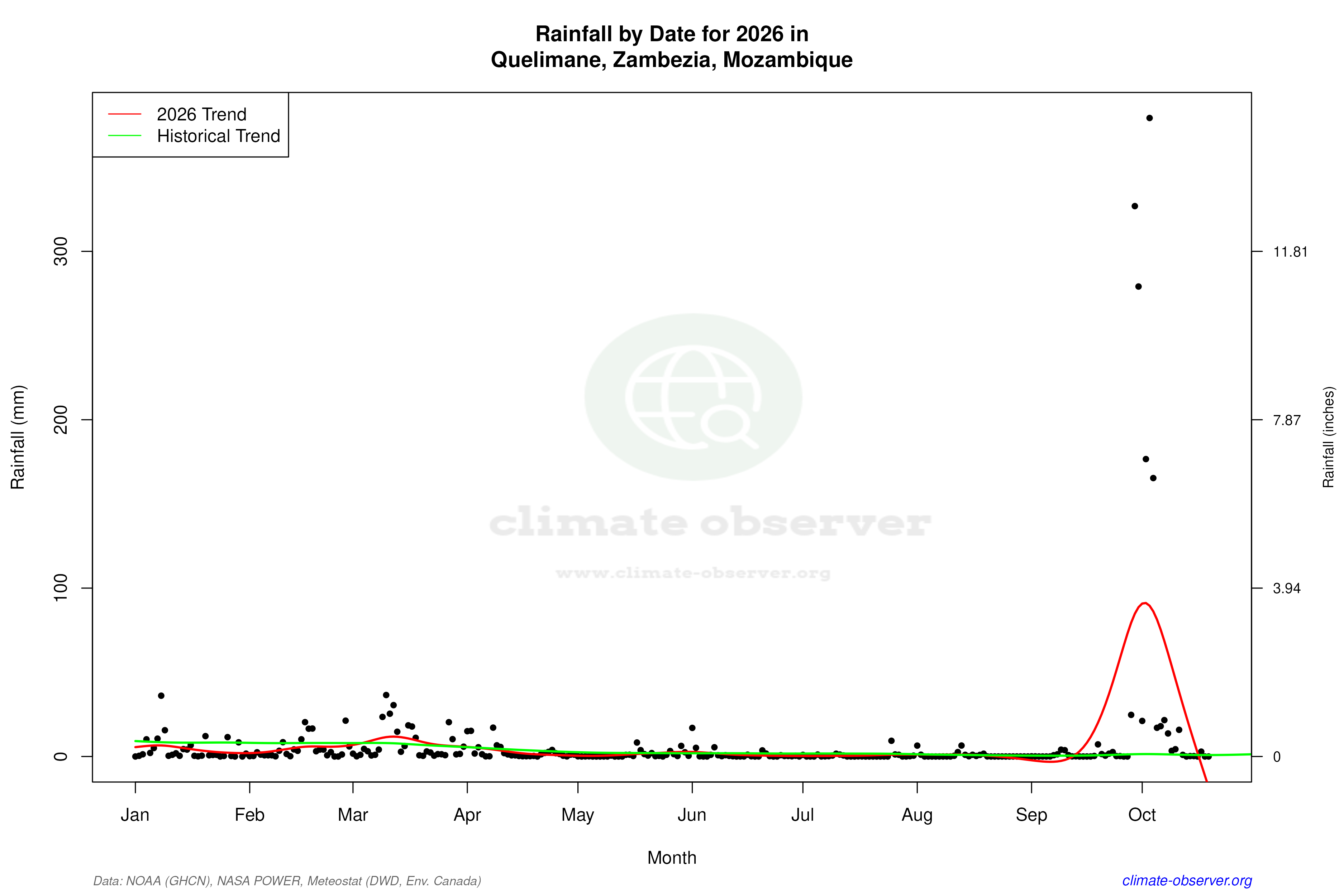
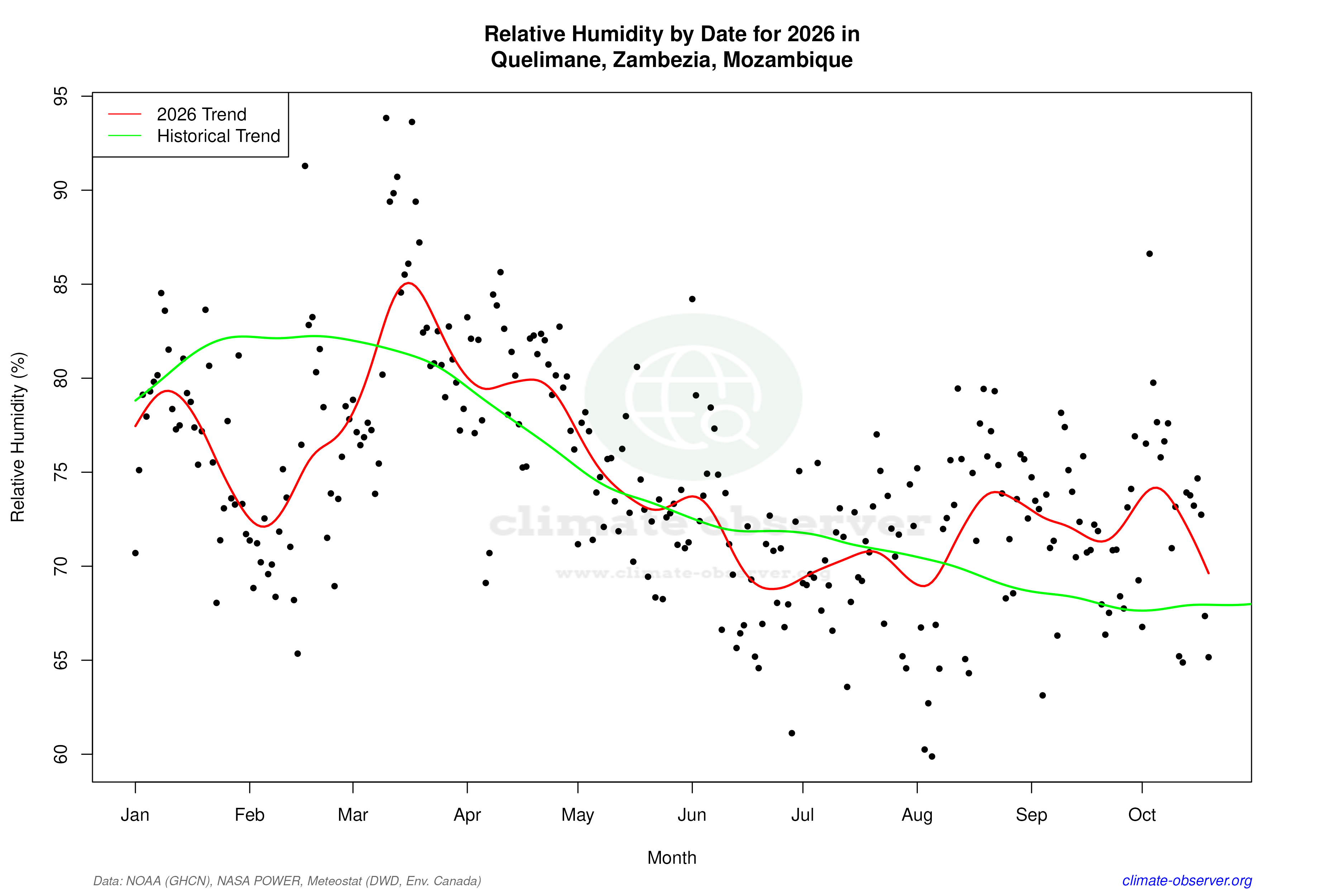

Max Temperature this Year | 1 of 6
Climate 12-Month Moving Averages
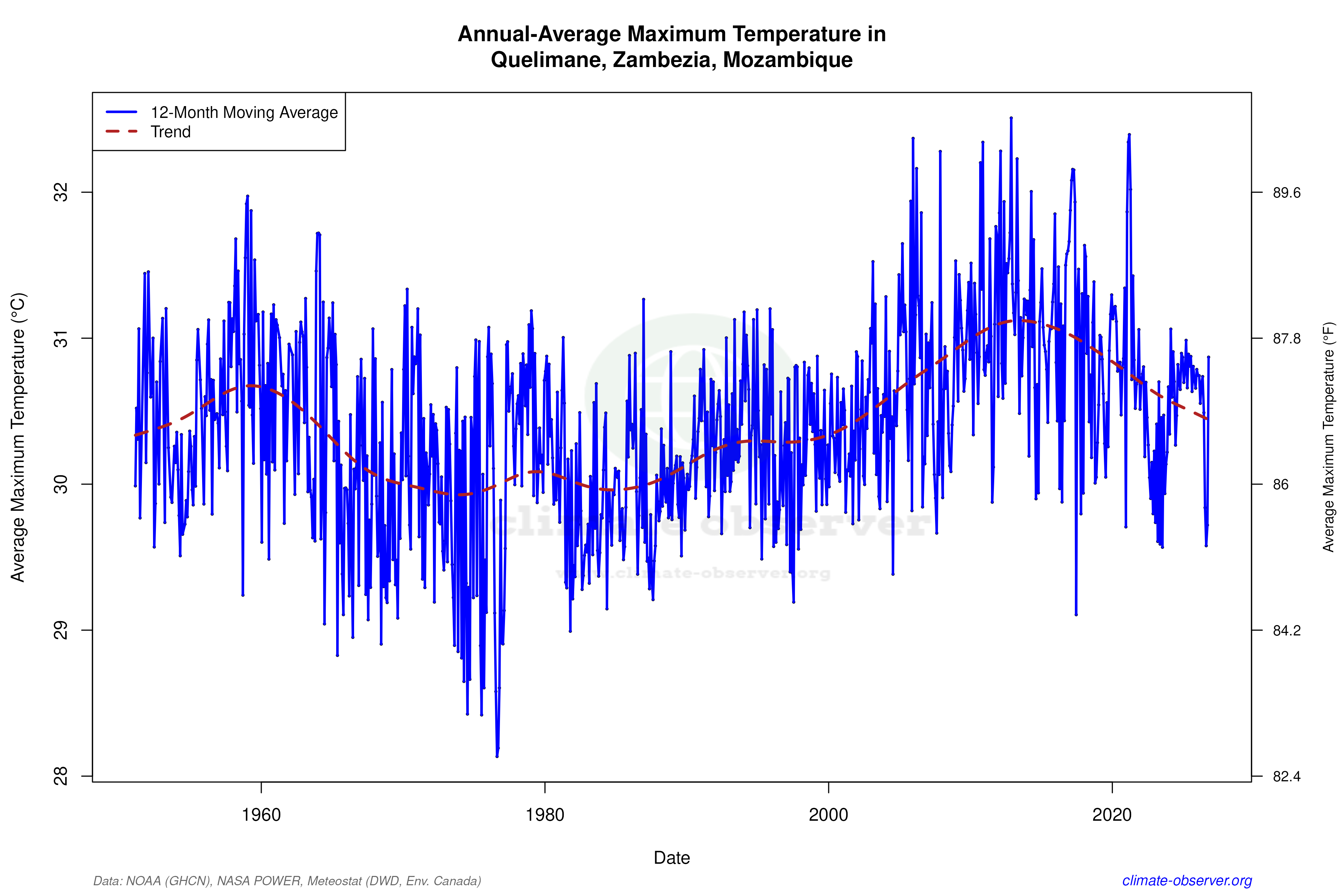
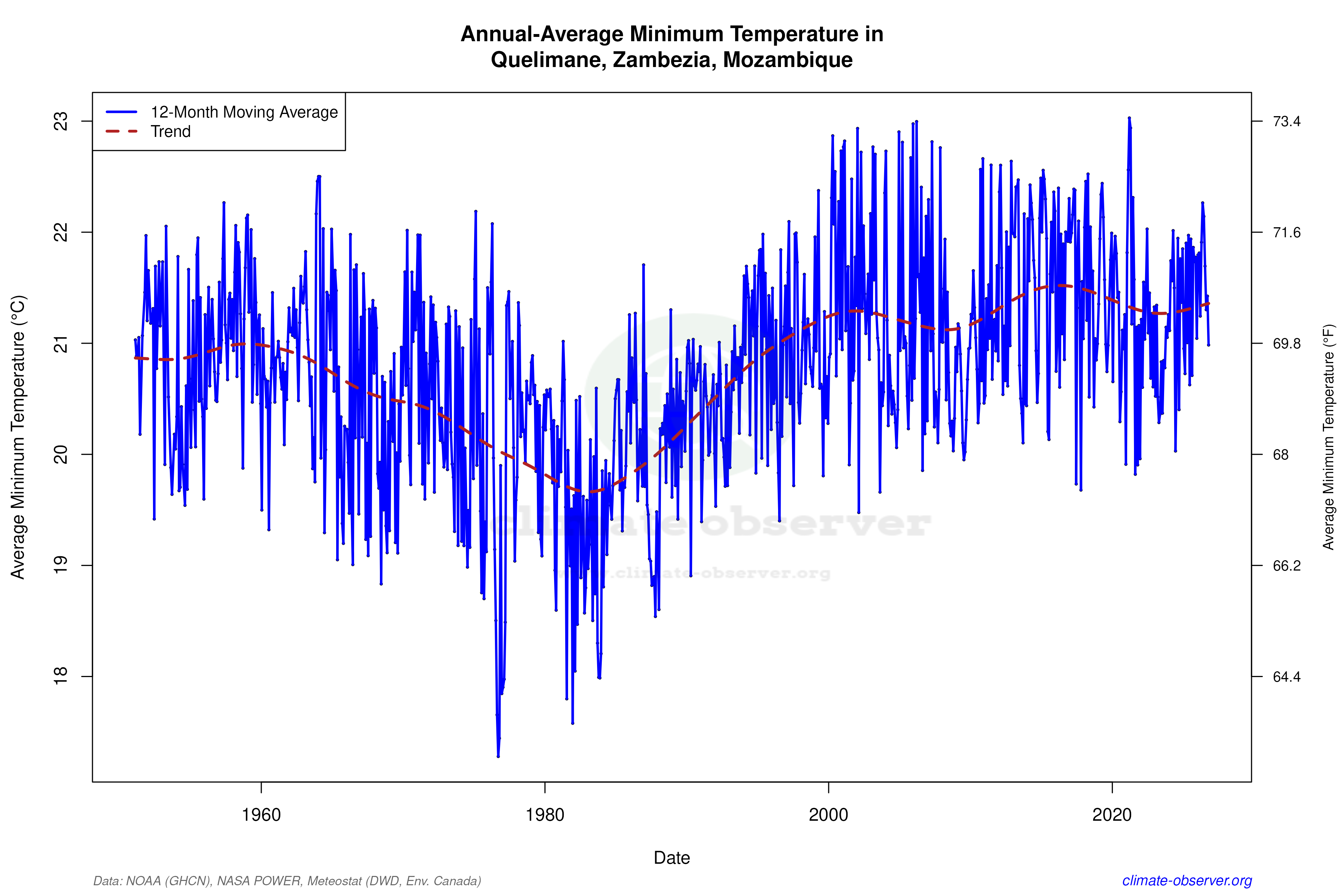
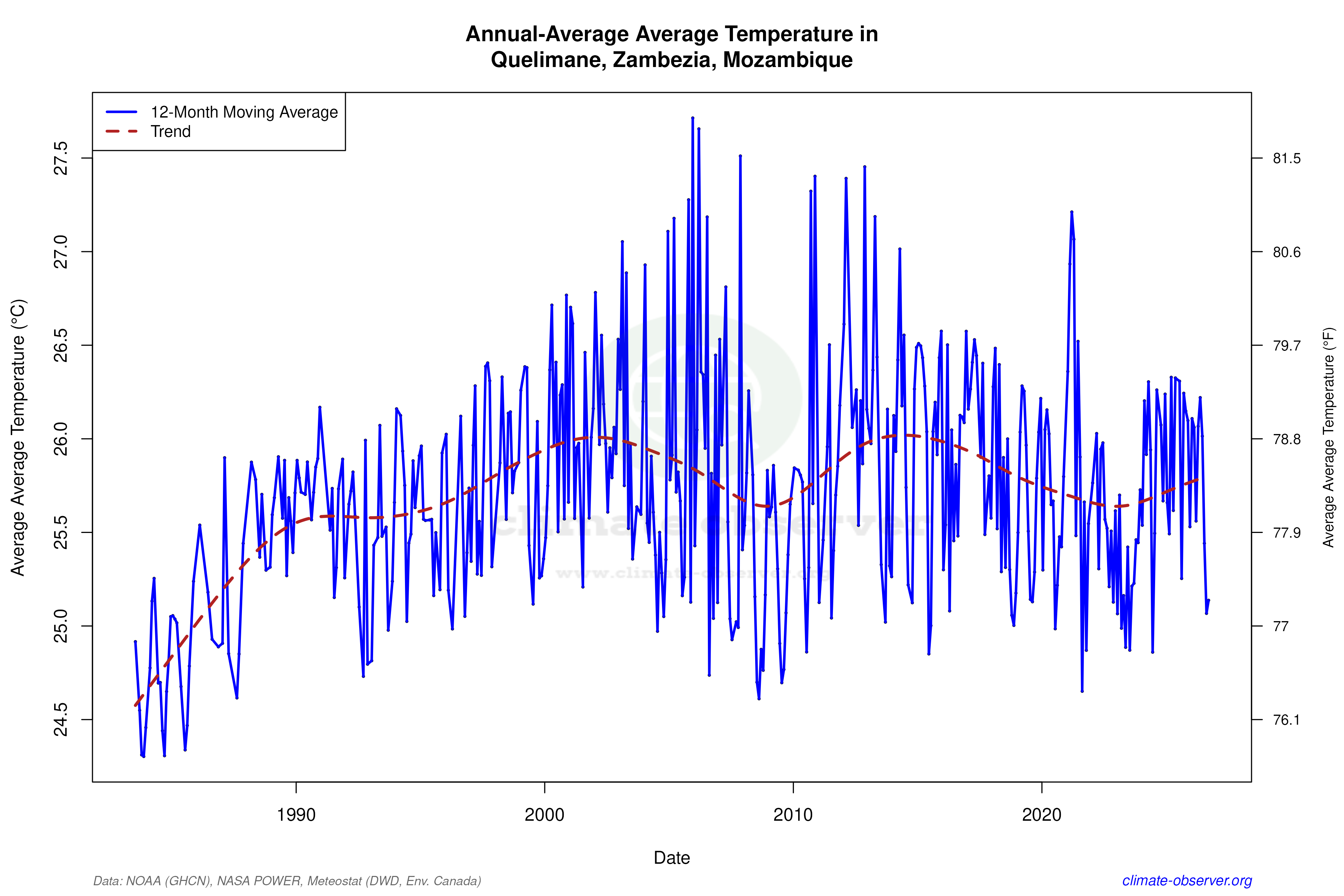
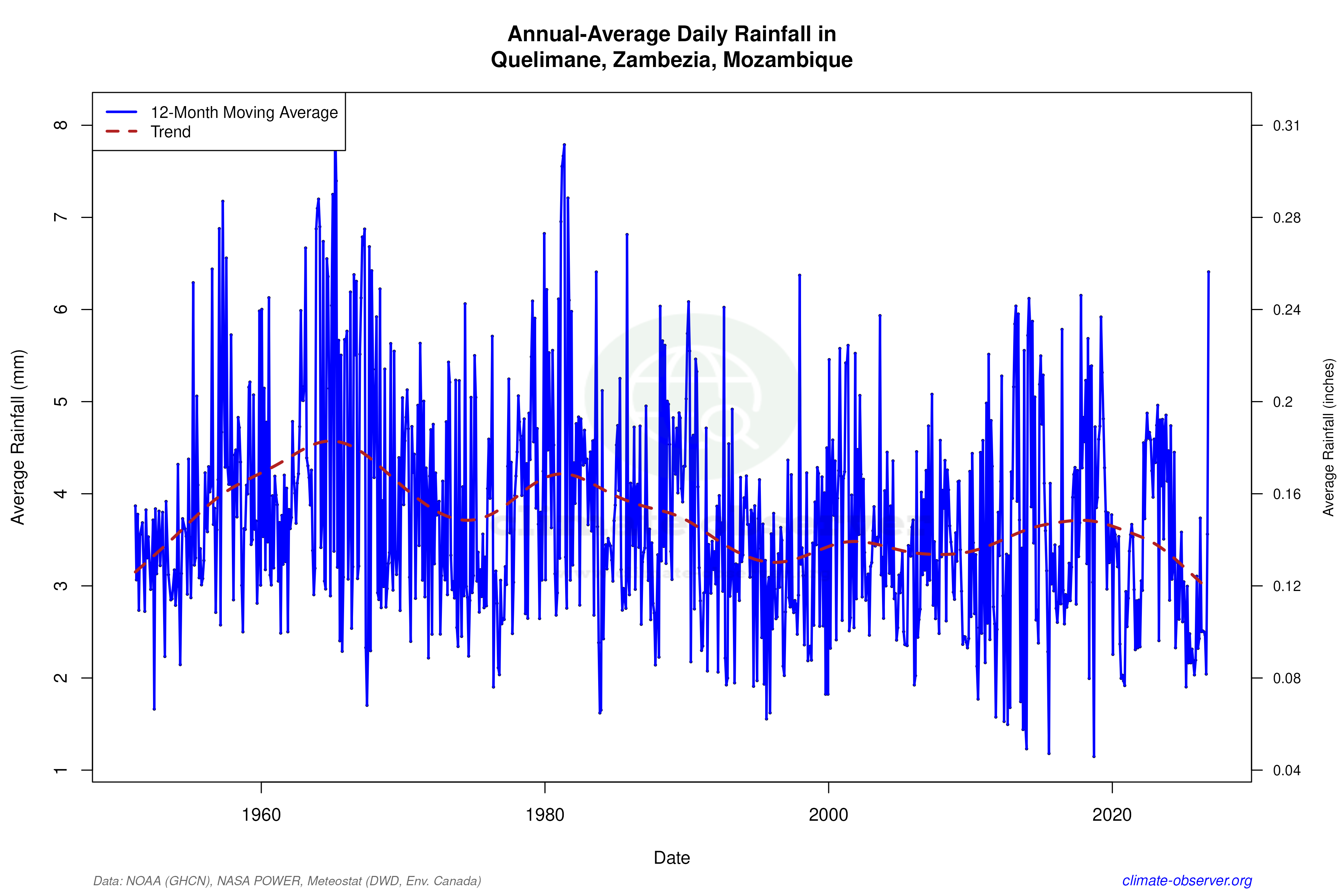
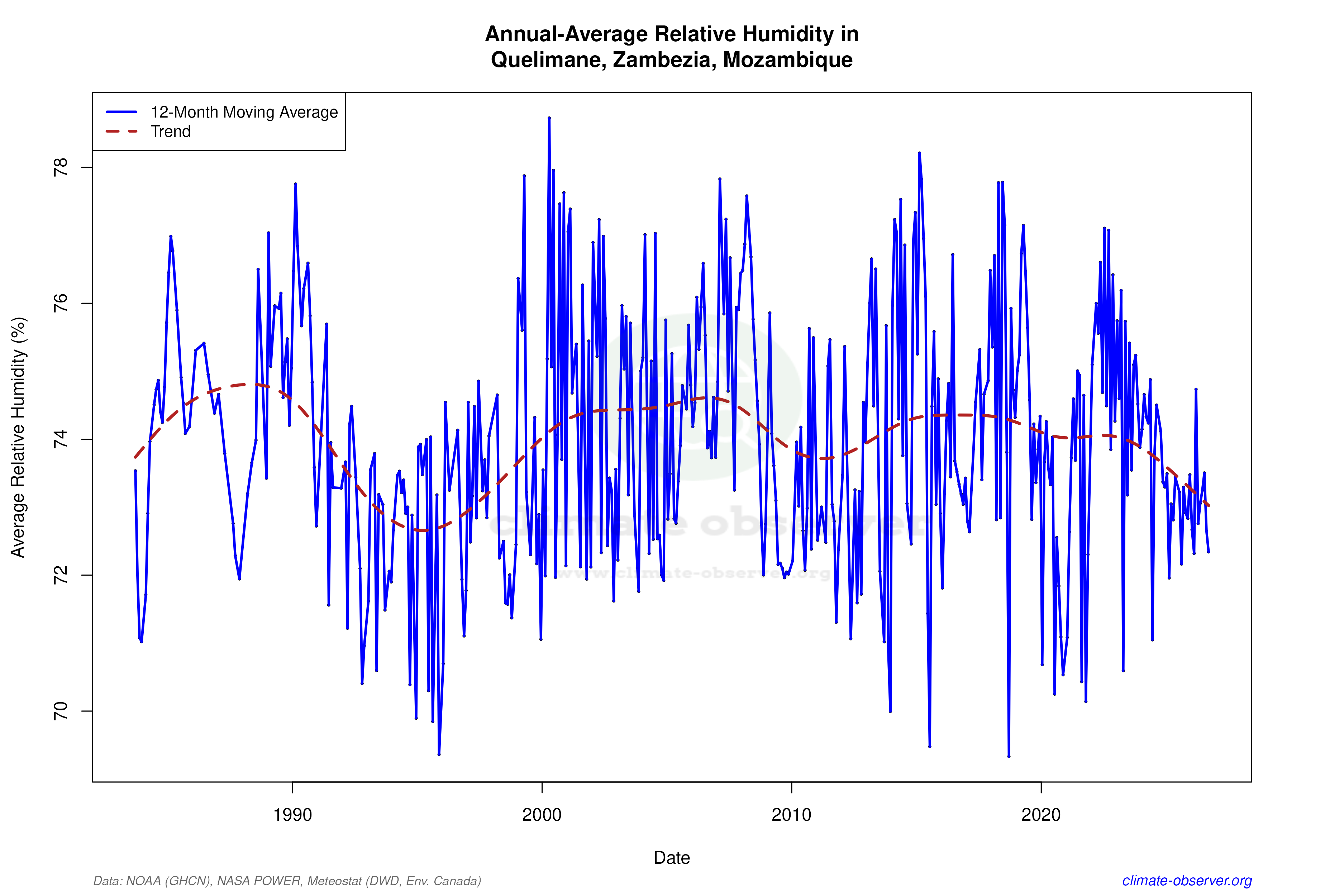

Max Temperature 12-Month MA | 1 of 6
Daily Data Points and Averages Throughout the Year
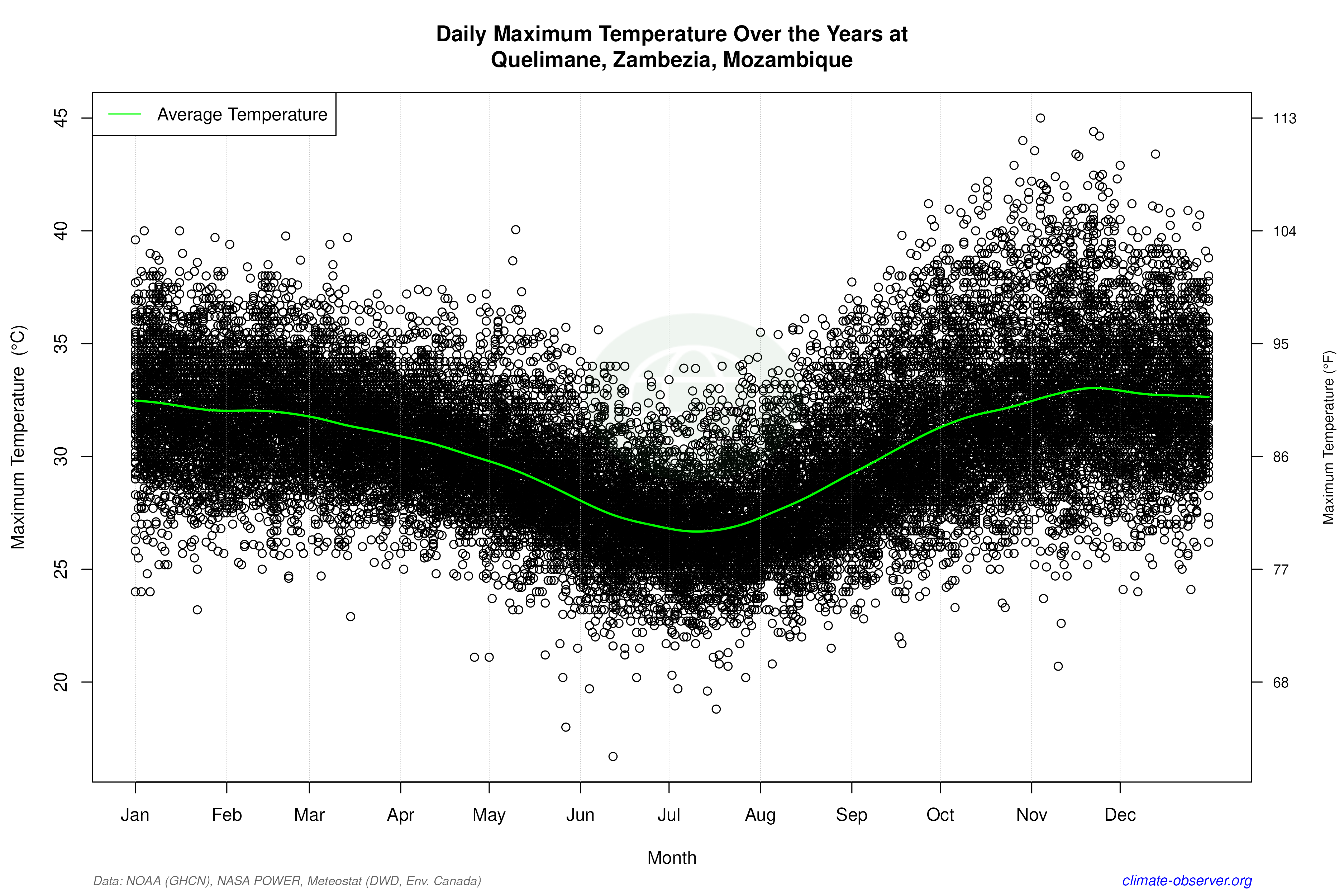
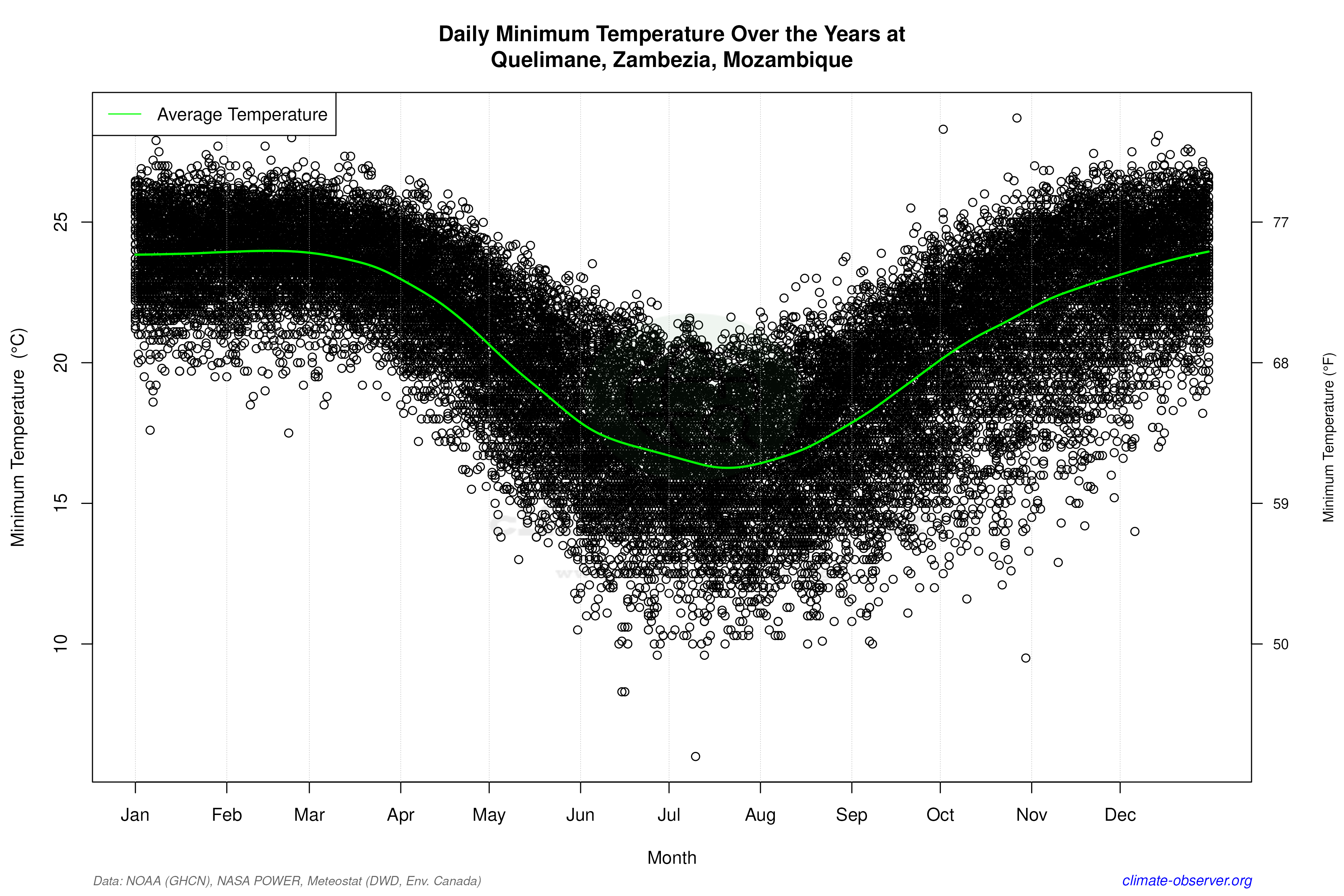
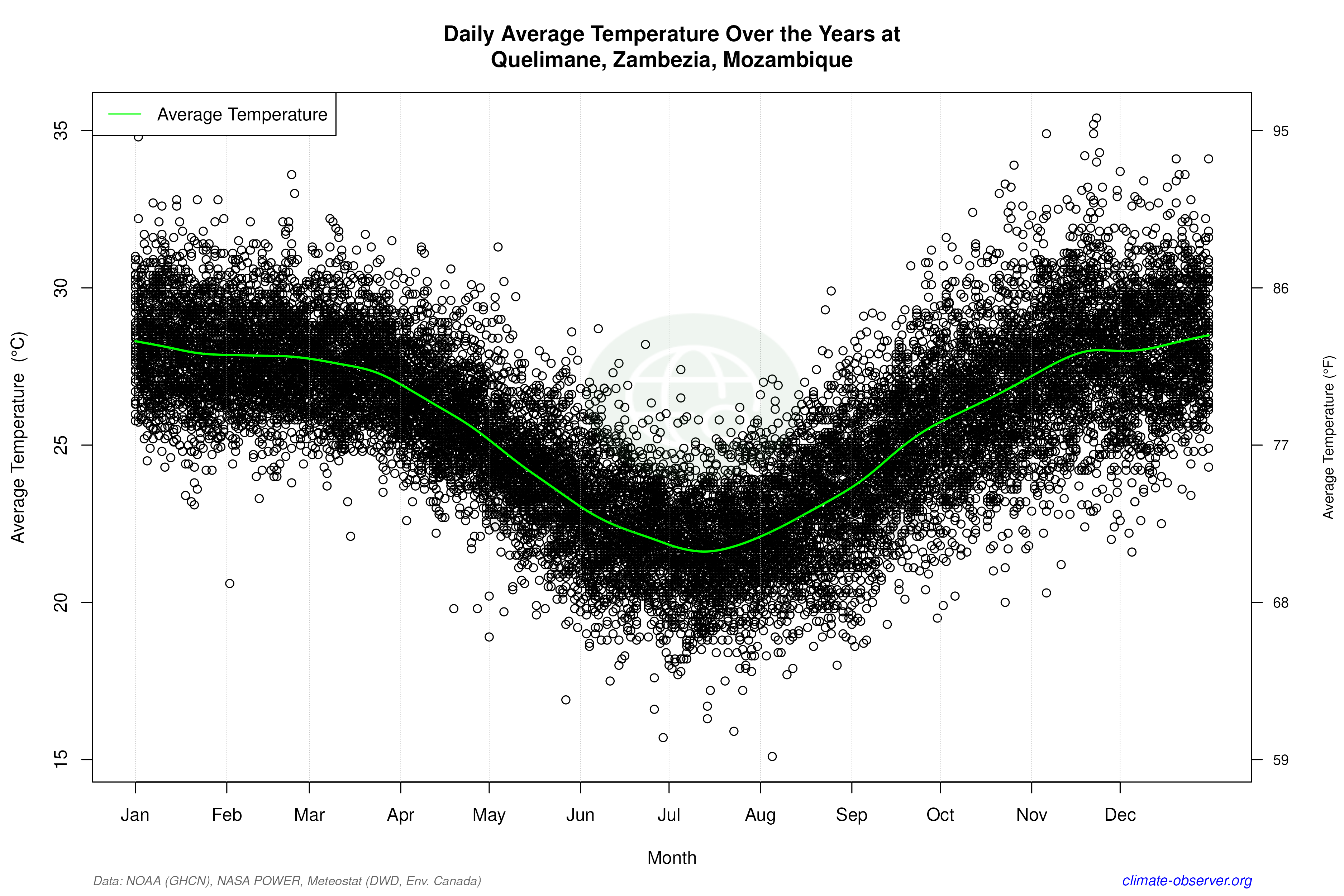
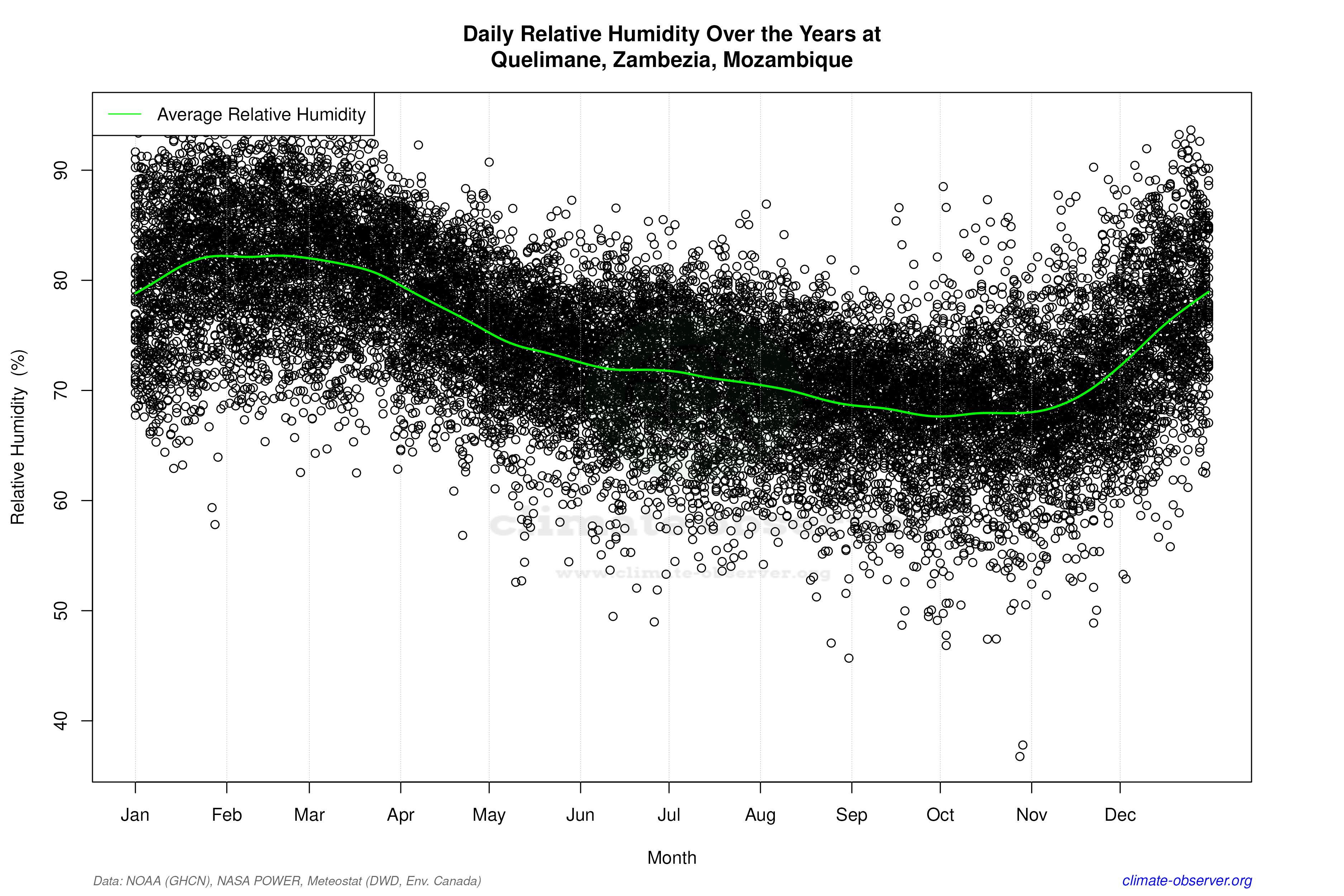

Average Max Temperature Throughout Year | 1 of 5


