Climate for Station: Lisboa Geofisica, Lisbon, Portugal
Loading live weather...
Climate Analysis & Overview
The climate profile for Lisboa Geofisica reveals a warming trend, with recent decades showing accelerated increases in both high and low temperatures. Precipitation patterns have become more evenly distributed, aligning with regional climate goals to manage water resources more effectively.
Mediterranean Climate Dynamics
Lisboa Geofisica is situated in a region characterised by a Mediterranean climate, classified as Csa under the Köppen climate classification. This means hot, dry summers and mild, wet winters dominate the weather patterns. The proximity to the Atlantic Ocean moderates extreme temperatures, yet the station's data indicates a notable warming trend. Over the past decade, high temperatures have increased by 0.61°C (1.10°F), while low temperatures have risen by 1.16°C (2.09°F). This is a sharper increase compared to the all-time trends, where highs have risen by 0.19°C (0.34°F) and lows by 0.11°C (0.20°F). Such data suggests an acceleration in warming, particularly during nighttime, which could have implications for local ecosystems and energy consumption.
Temperature Extremes and Records
Temperature extremes in Lisboa have been recorded with a maximum of 42.0°C (107.6°F) and a minimum of -0.9°C (30.4°F). These extremes highlight the variability within the Mediterranean climate, influenced by both local topography and broader atmospheric patterns. The record high underscores the potential for heatwaves, which are becoming more frequent and intense due to global climate change. Such conditions pose challenges for public health and urban planning, necessitating adaptive measures to mitigate heat stress.
Precipitation Patterns and Distribution
The Precipitation Concentration Index (PCI) provides insight into rainfall distribution. A decrease from a baseline of 16.96 to a current value of 13.93 indicates a more even distribution of rainfall events. This shift suggests that precipitation is less concentrated in intense events, which can reduce the risk of flooding and improve water management. Such changes are beneficial for agriculture and urban water systems, aligning with Portugal's regional climate goals to enhance resilience against climate variability.
Regional Climate Goals and Implications
Portugal has been proactive in setting climate targets, focusing on reducing greenhouse gas emissions and enhancing renewable energy use. The observed warming trends at Lisboa Geofisica align with broader regional patterns, necessitating continued efforts in climate adaptation and mitigation. The data from this station can inform policy decisions and support initiatives aimed at achieving sustainability targets. As temperatures rise and precipitation patterns shift, understanding these trends is crucial for developing strategies that safeguard both natural and human systems in the region.
Station Statistics
10-Year Trend
High: +0.74 °F/decade
Low: +2.31 °F/decade
Rain: +0.003 in/decade
25-Year Trend
High: +0.59 °F/decade
Low: +0.69 °F/decade
Rain: -0.010 in/decade
50-Year Trend
High: +0.39 °F/decade
Low: +0.56 °F/decade
Rain: -0.001 in/decade
All-Time Trend
High: +0.34 °F/decade
Low: +0.21 °F/decade
Rain: -0.000 in/decade
Percentage Above-Average Days
Last 12 Months: 46.6%
This Year: 44.6%
Precipitation Concentration Index (PCI) ℹ️
Last 12 Months: 14.7
Historical Average: 17.5
Percentile Rank of Last 12 Months ℹ️
High: 84th percentile
Low: 98th percentile
Rain: 67th percentile
Change in Variance ℹ️
High: -3.2%
Low: -8.3%
Intraday: -16.7%
Data Coverage
76.5%
First Year of Data
1901
Station Location
Historical Weather Records
| Max High | Avg High | Min High | Max Avg | Avg Avg | Min Avg | Max Low | Avg Low | Min Low | Max Precipitation | Avg Precipitation | Max Snow | Avg Snow | |
|---|---|---|---|---|---|---|---|---|---|---|---|---|---|
| Record | 107.60 °F | — | 38.12 °F | 91.94 °F | — | 37.04 °F | 79.70 °F | — | 30.38 °F | 3.76 in | — | — | — |
| January | 73.58 °F | 57.70 °F | 39.20 °F | 62.78 °F | 53.17 °F | 37.04 °F | 60.08 °F | 46.89 °F | 32.00 °F | 3.37 in | 0.13 in | — | — |
| February | 77.72 °F | 59.75 °F | 41.72 °F | 63.86 °F | 54.28 °F | 39.02 °F | 59.92 °F | 47.95 °F | 30.38 °F | 3.13 in | 0.13 in | — | — |
| March | 82.94 °F | 63.35 °F | 47.12 °F | 70.52 °F | 57.08 °F | 41.72 °F | 64.04 °F | 50.46 °F | 33.26 °F | 3.26 in | 0.10 in | — | — |
| April | 89.96 °F | 66.72 °F | 50.72 °F | 75.74 °F | 59.55 °F | 45.68 °F | 68.00 °F | 52.93 °F | 39.74 °F | 2.23 in | 0.08 in | — | — |
| May | 95.36 °F | 71.26 °F | 53.06 °F | 82.94 °F | 63.76 °F | 52.16 °F | 75.02 °F | 56.44 °F | 43.52 °F | 1.95 in | 0.05 in | — | — |
| June | 106.70 °F | 76.80 °F | 59.54 °F | 91.94 °F | 68.29 °F | 55.22 °F | 78.62 °F | 60.77 °F | 49.10 °F | 1.41 in | 0.02 in | — | — |
| July | 105.08 °F | 81.17 °F | 64.94 °F | 91.04 °F | 71.15 °F | 60.44 °F | 79.70 °F | 63.70 °F | 53.78 °F | 0.94 in | 0.00 in | — | — |
| August | 107.60 °F | 82.06 °F | 66.02 °F | 91.58 °F | 71.93 °F | 62.06 °F | 79.52 °F | 64.45 °F | 52.16 °F | 1.05 in | 0.01 in | — | — |
| September | 100.94 °F | 78.48 °F | 57.92 °F | 87.62 °F | 70.02 °F | 56.48 °F | 76.82 °F | 62.93 °F | 50.54 °F | 2.11 in | 0.04 in | — | — |
| October | 93.92 °F | 71.63 °F | 53.24 °F | 79.52 °F | 65.16 °F | 51.08 °F | 72.68 °F | 58.63 °F | 44.06 °F | 3.59 in | 0.11 in | — | — |
| November | 82.04 °F | 63.36 °F | 47.30 °F | 69.44 °F | 58.71 °F | 44.06 °F | 66.56 °F | 52.48 °F | 37.22 °F | 3.76 in | 0.14 in | — | — |
| December | 73.76 °F | 58.37 °F | 38.12 °F | 64.58 °F | 54.71 °F | 40.64 °F | 62.42 °F | 48.39 °F | 32.00 °F | 3.60 in | 0.14 in | — | — |
Data Visualisations
Remove WatermarksCurrent Year Climate Trends vs Historical
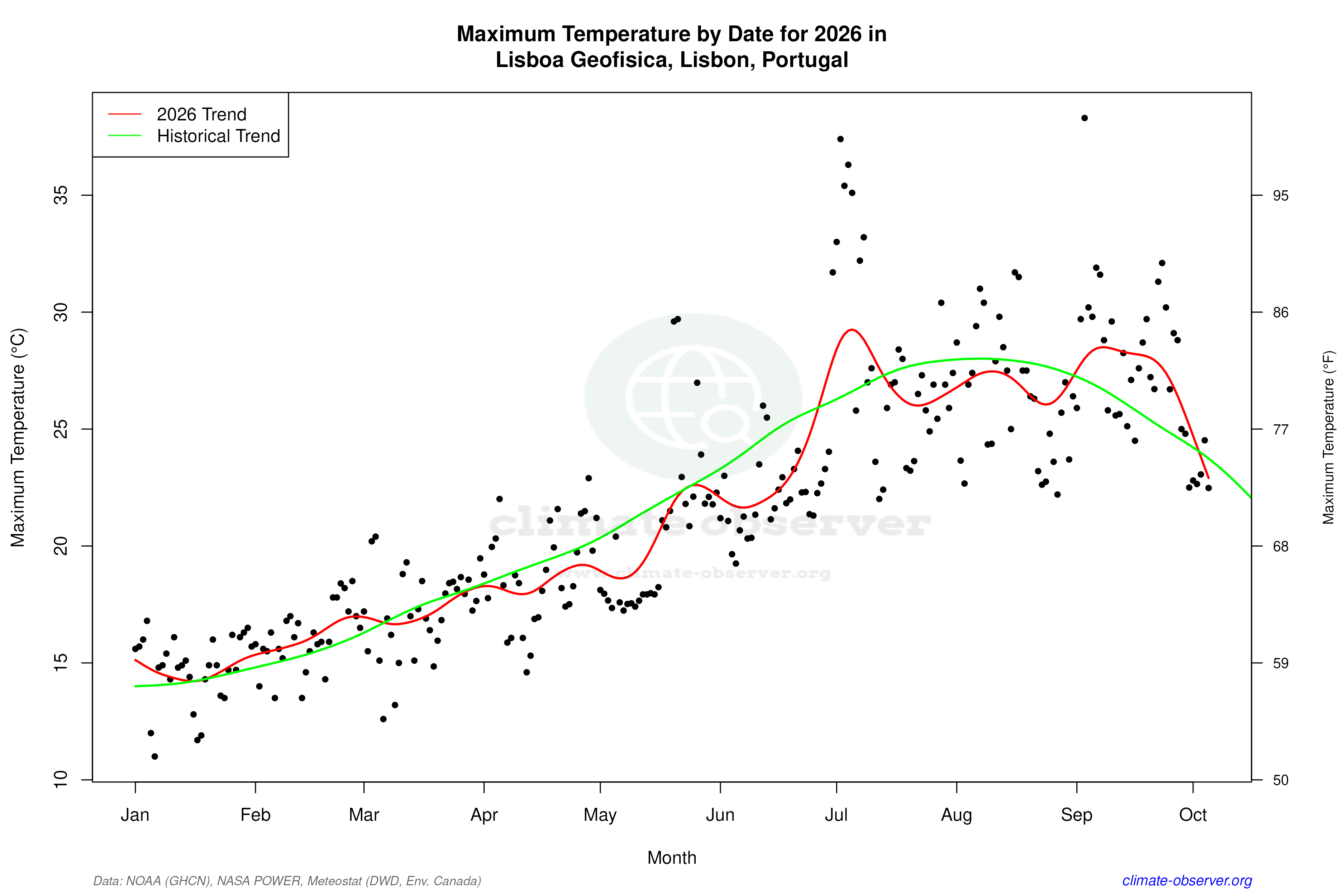
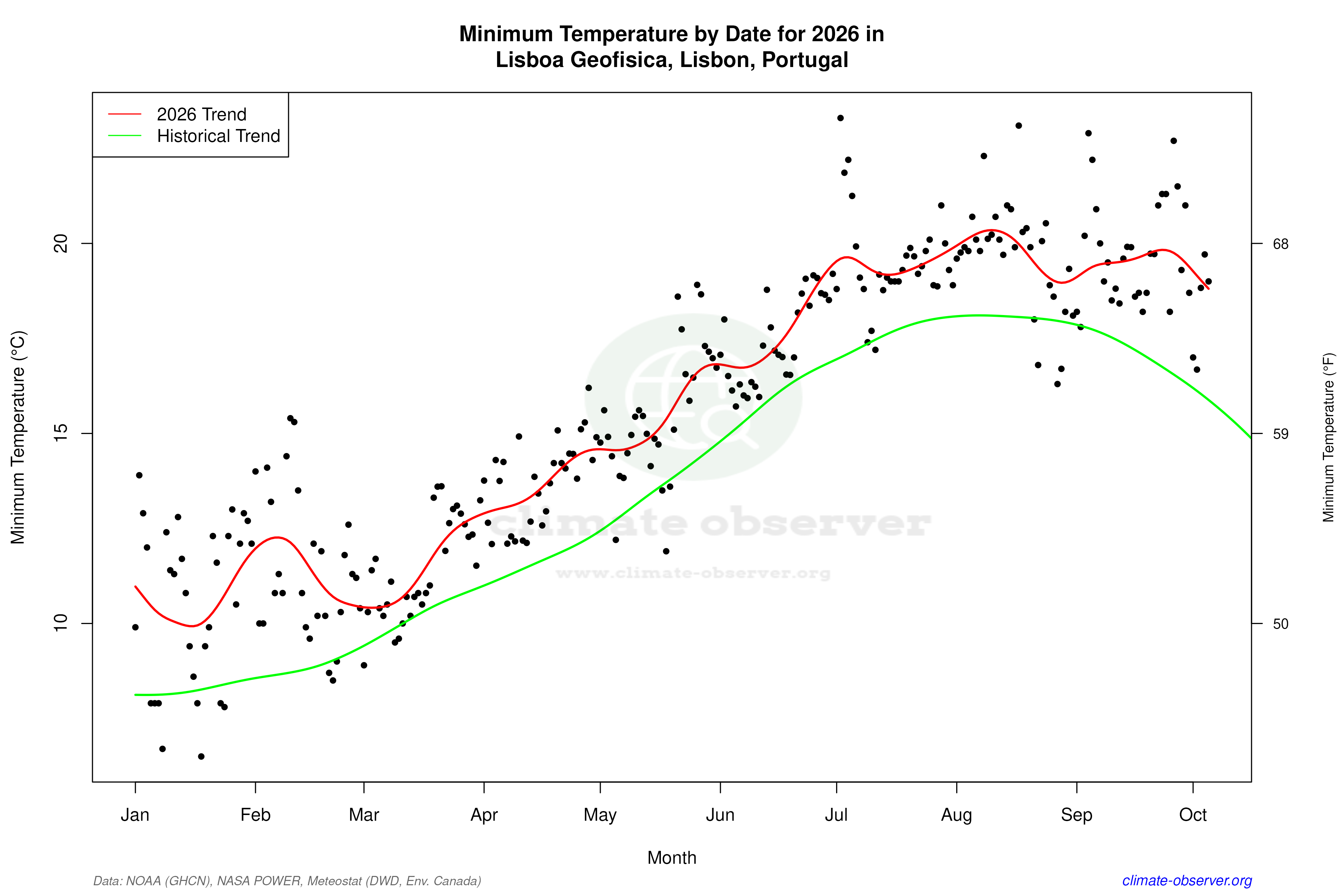
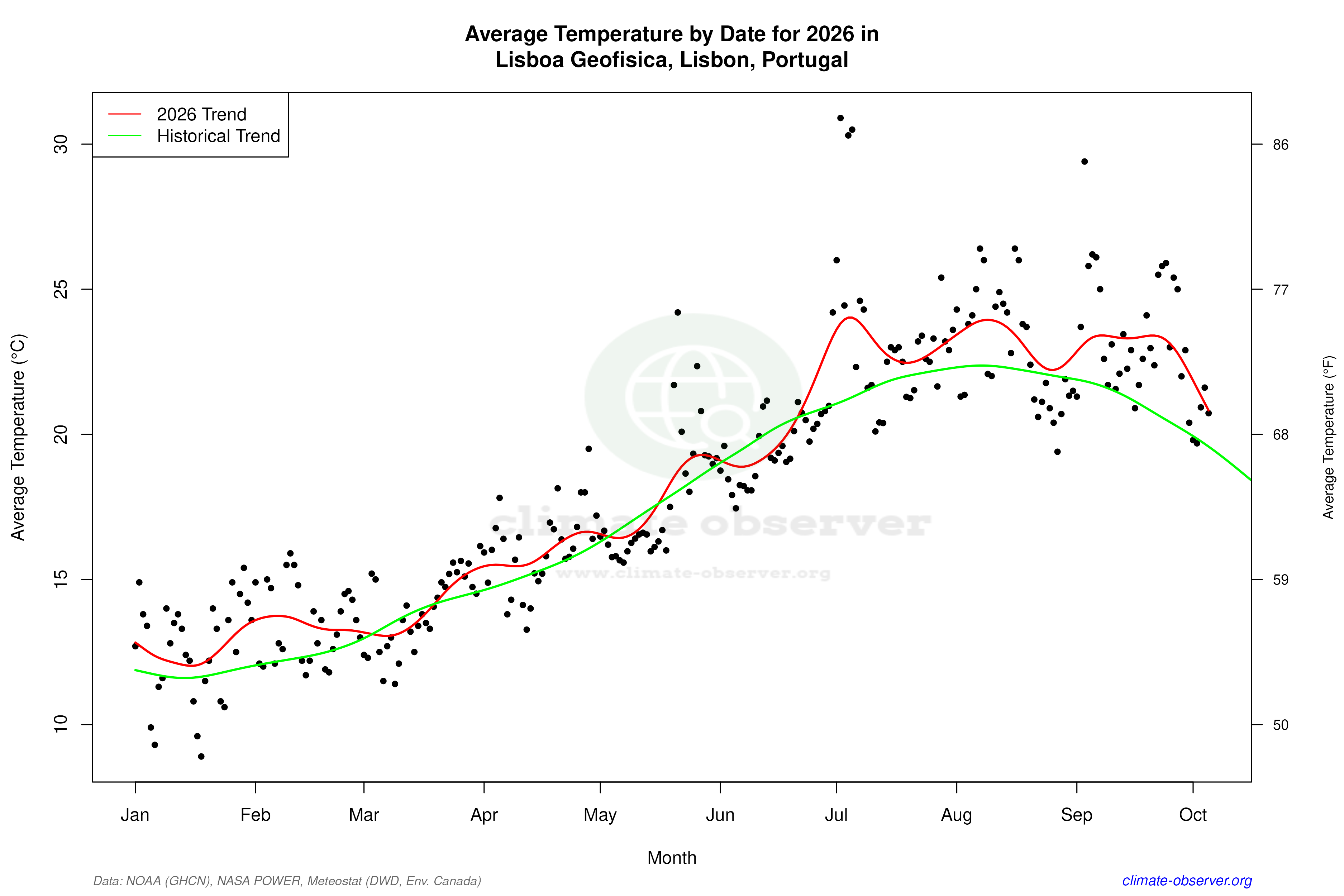
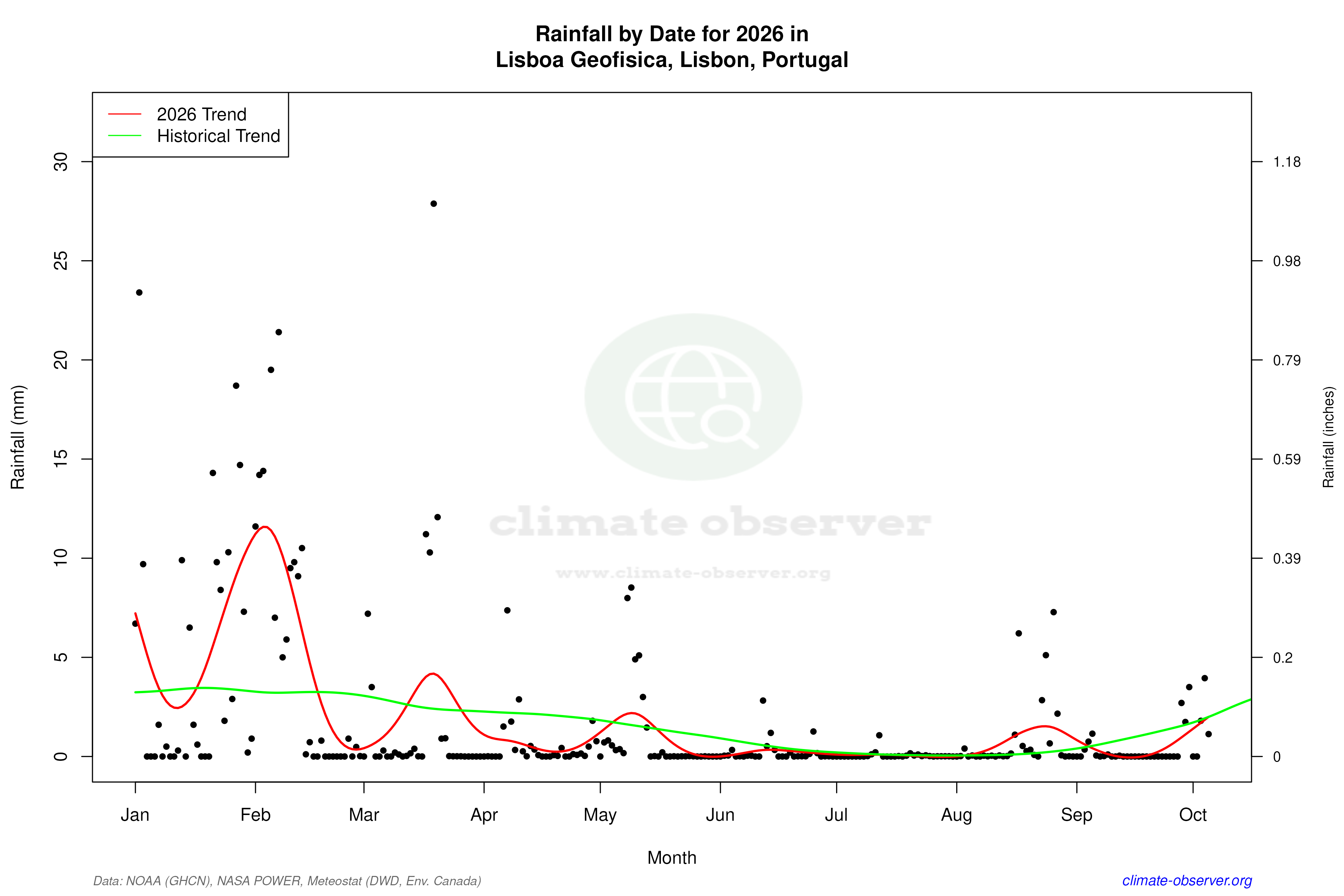
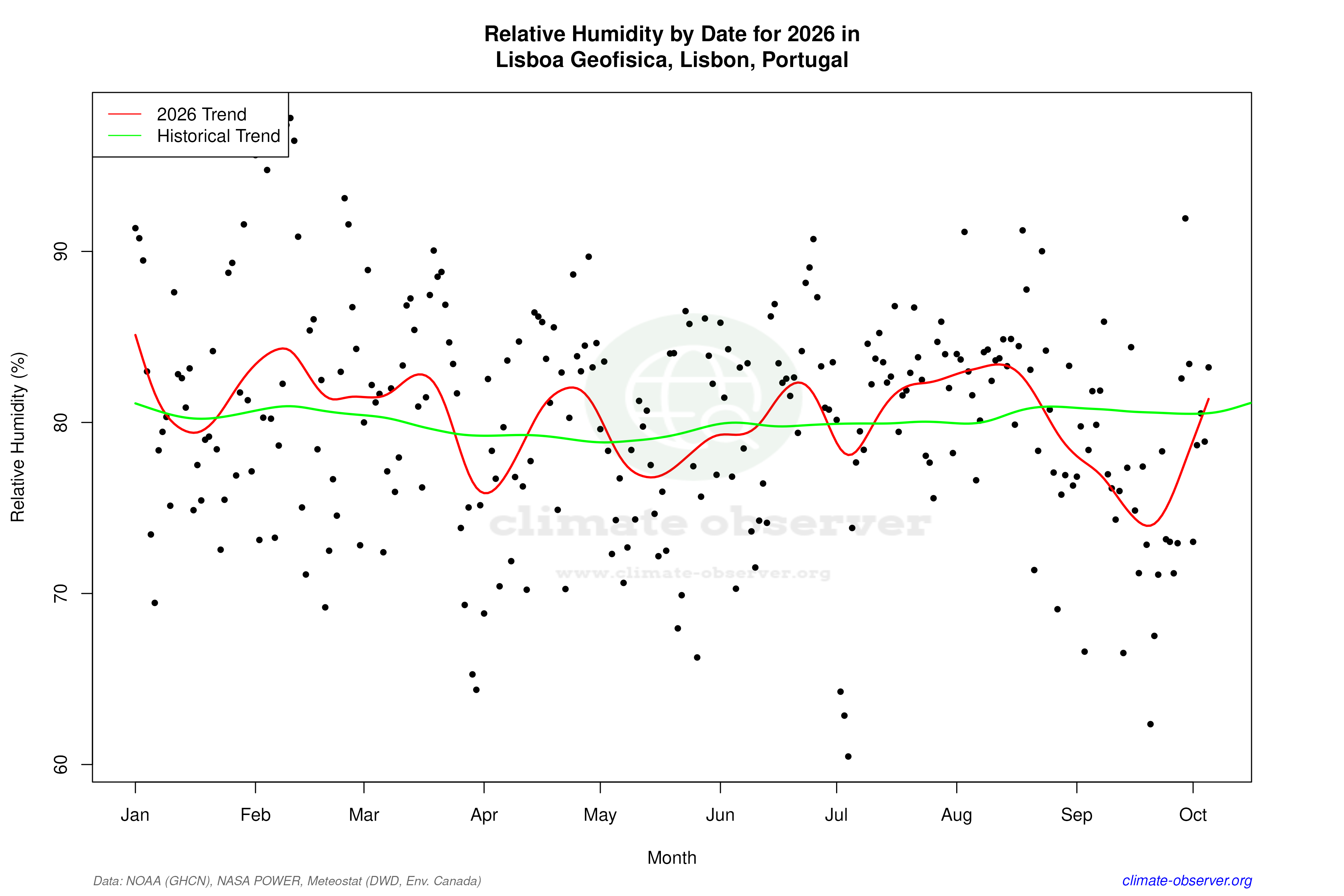

Max Temperature this Year | 1 of 6
Climate 12-Month Moving Averages
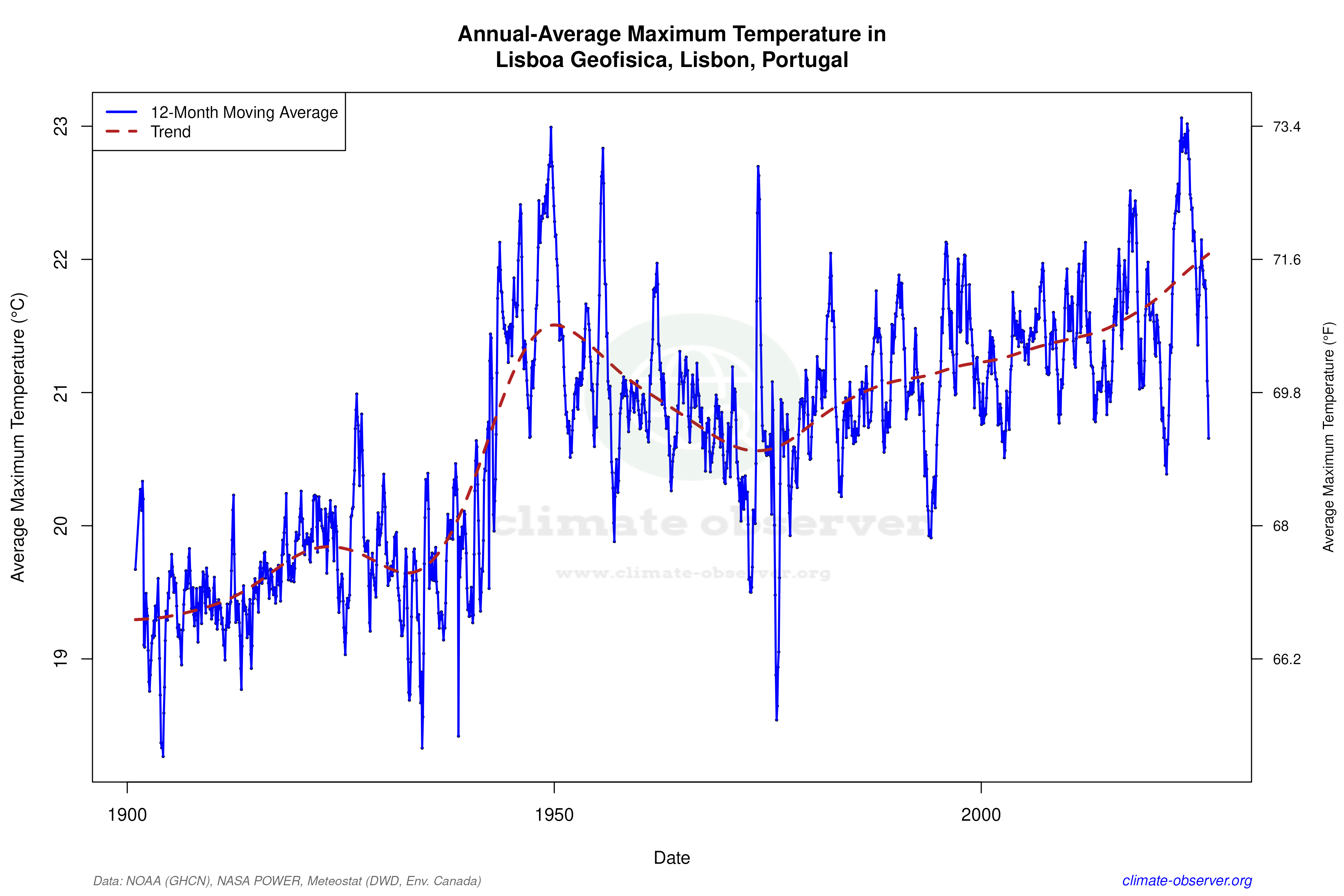
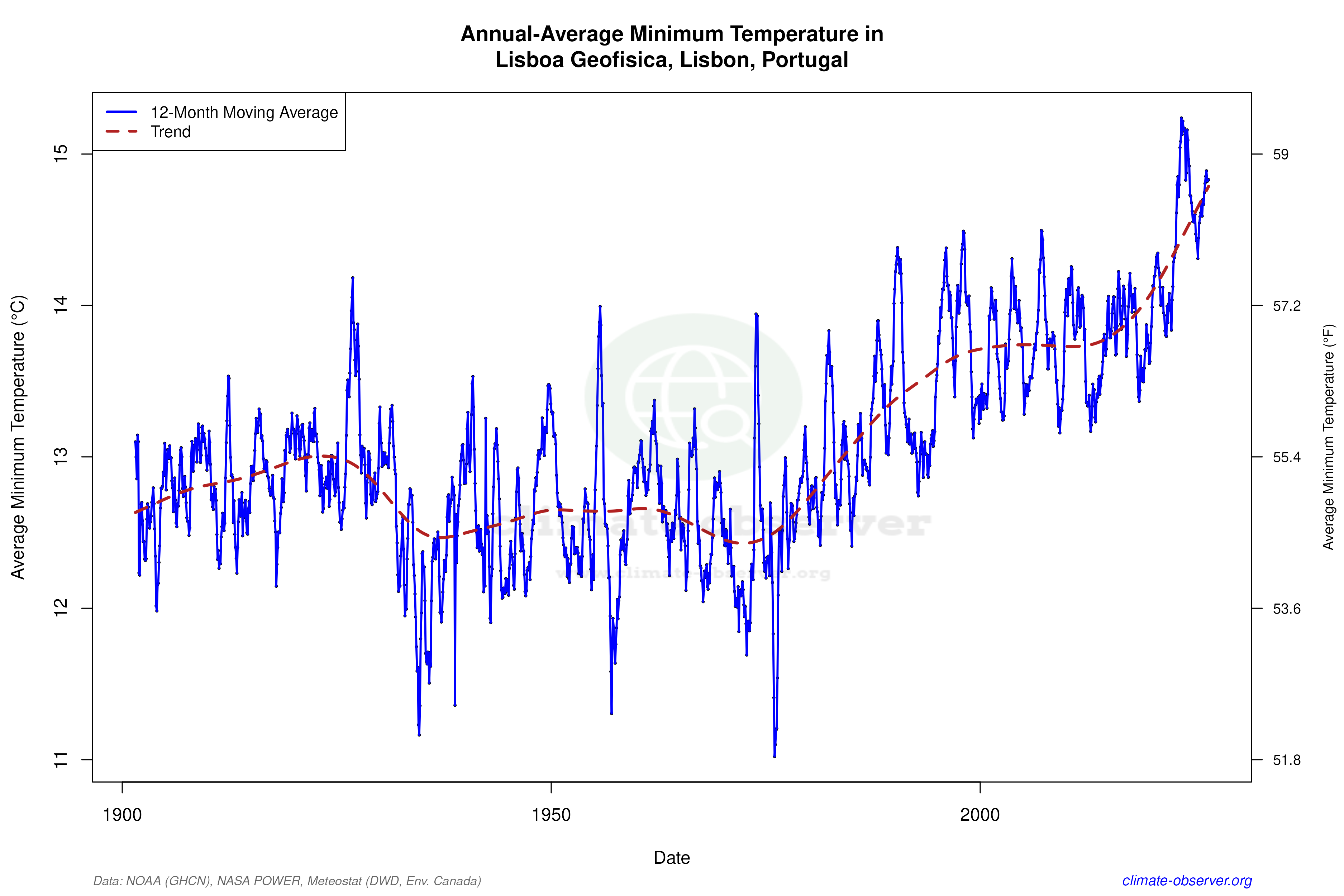
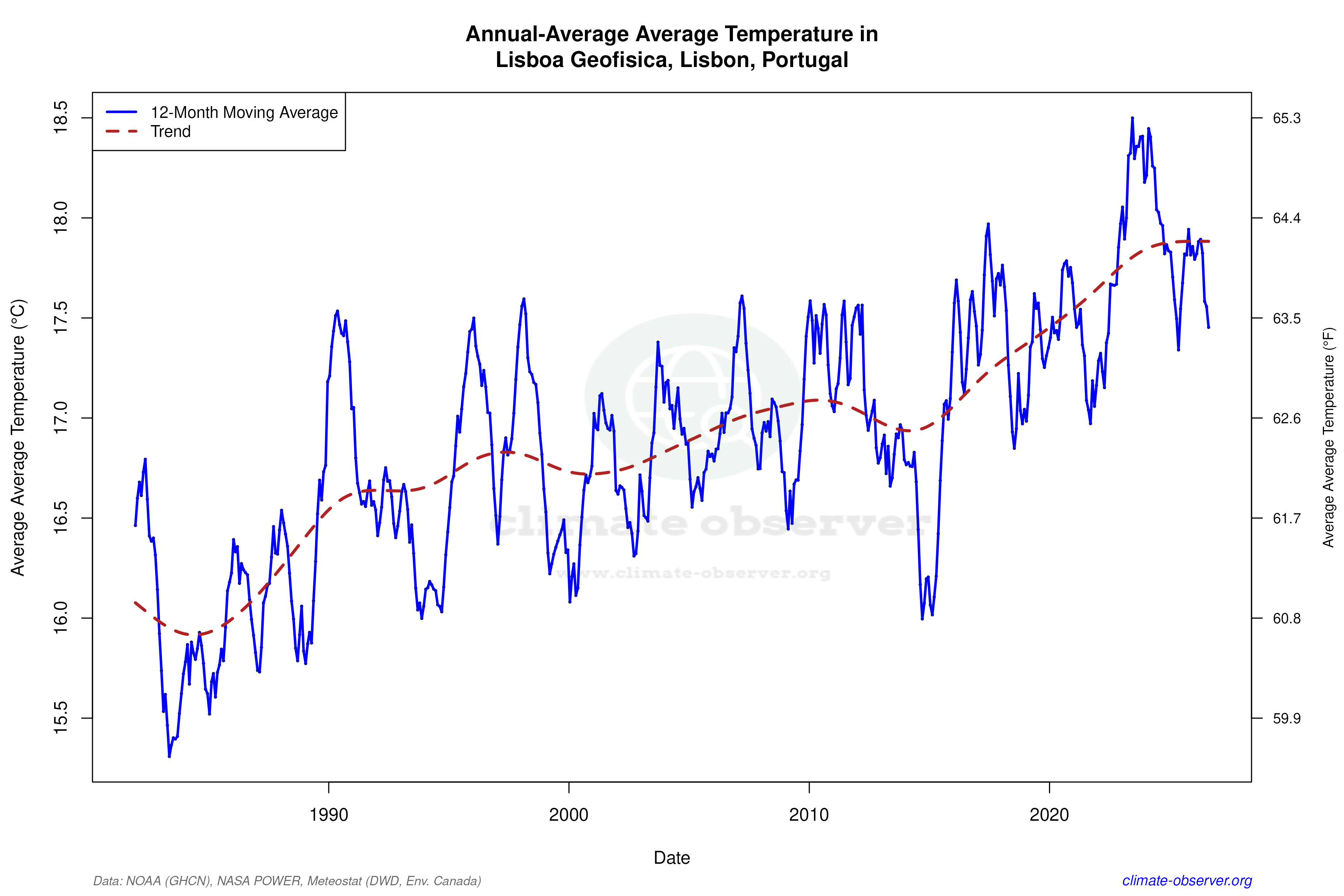
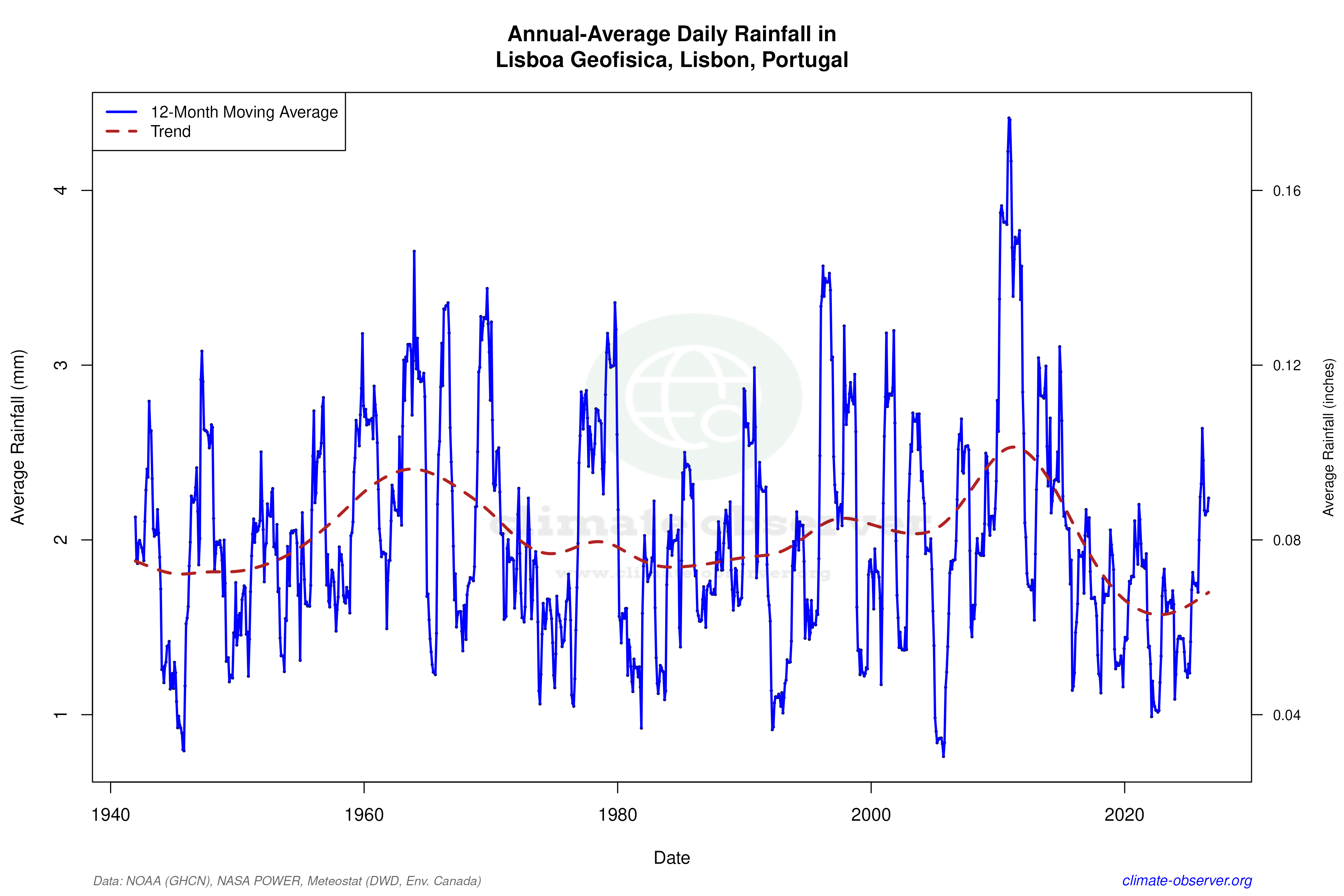
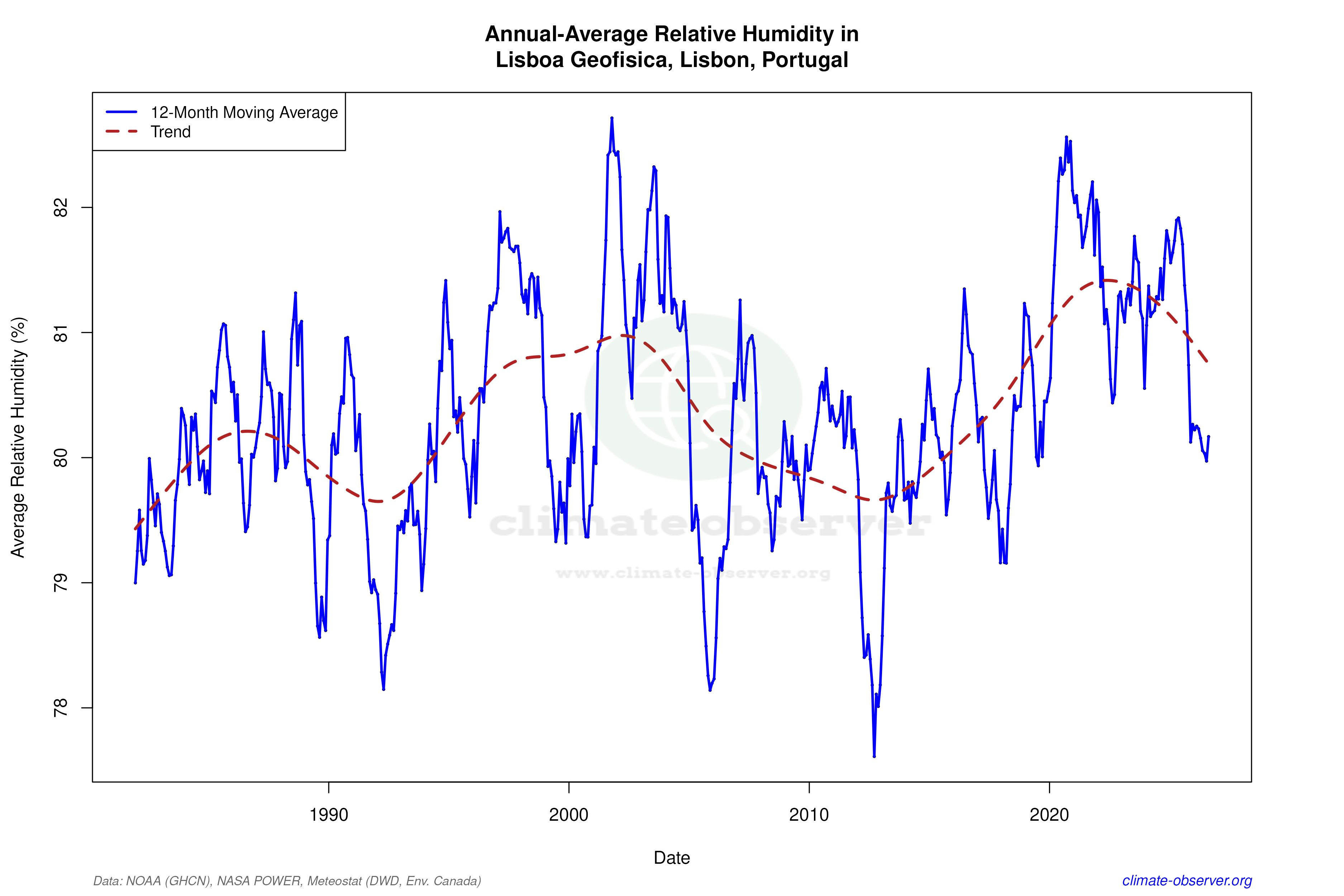

Max Temperature 12-Month MA | 1 of 6
Daily Data Points and Averages Throughout the Year
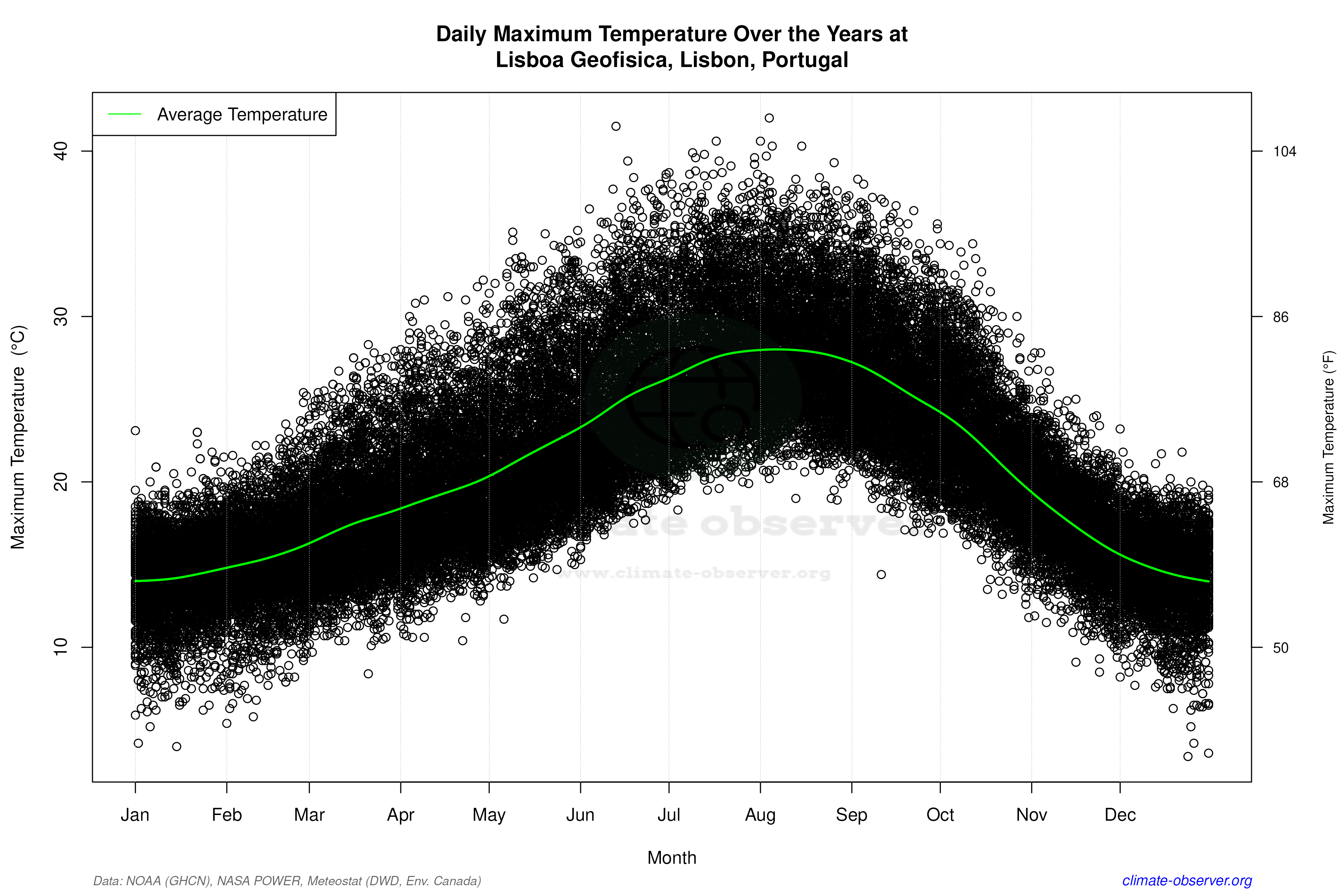
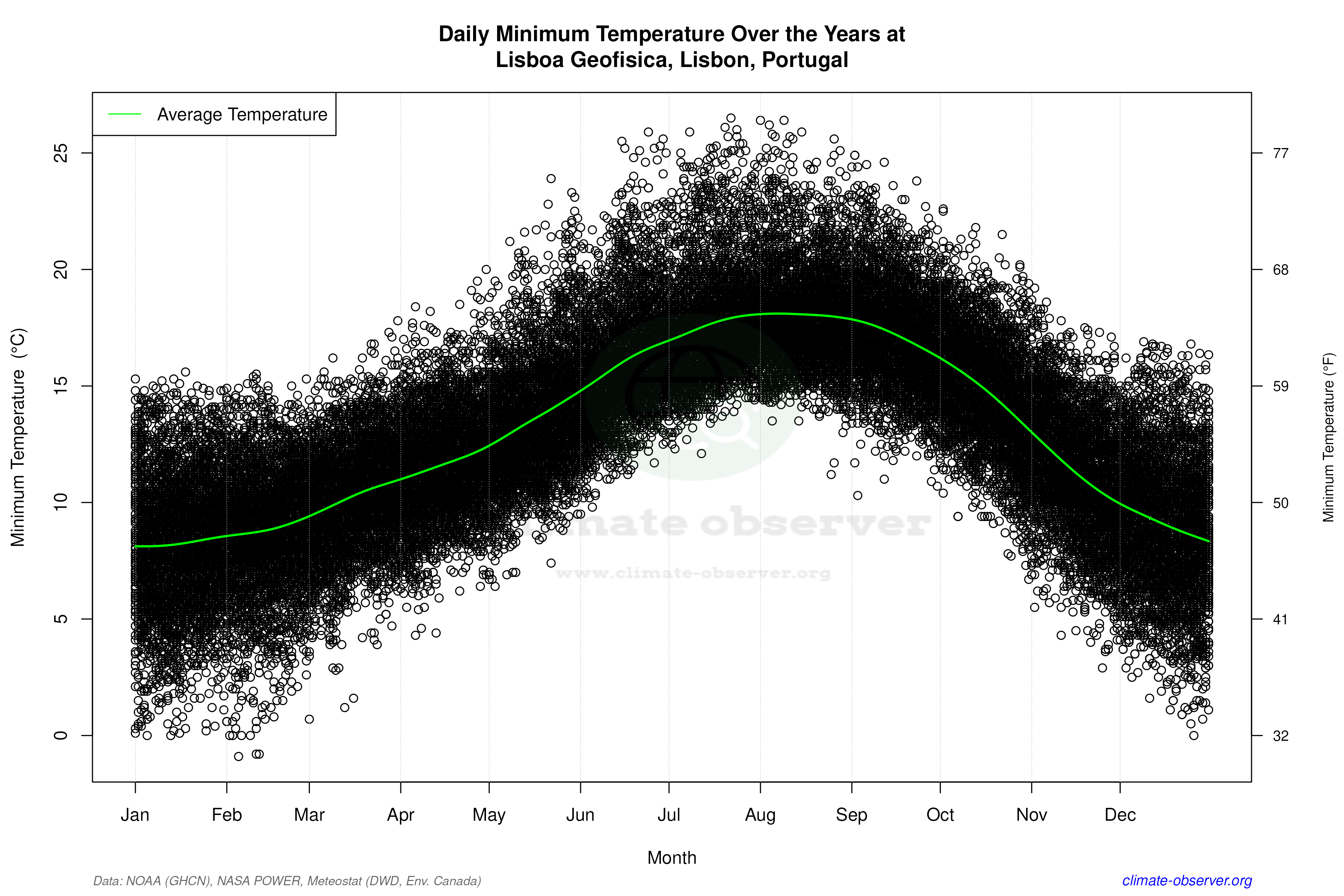
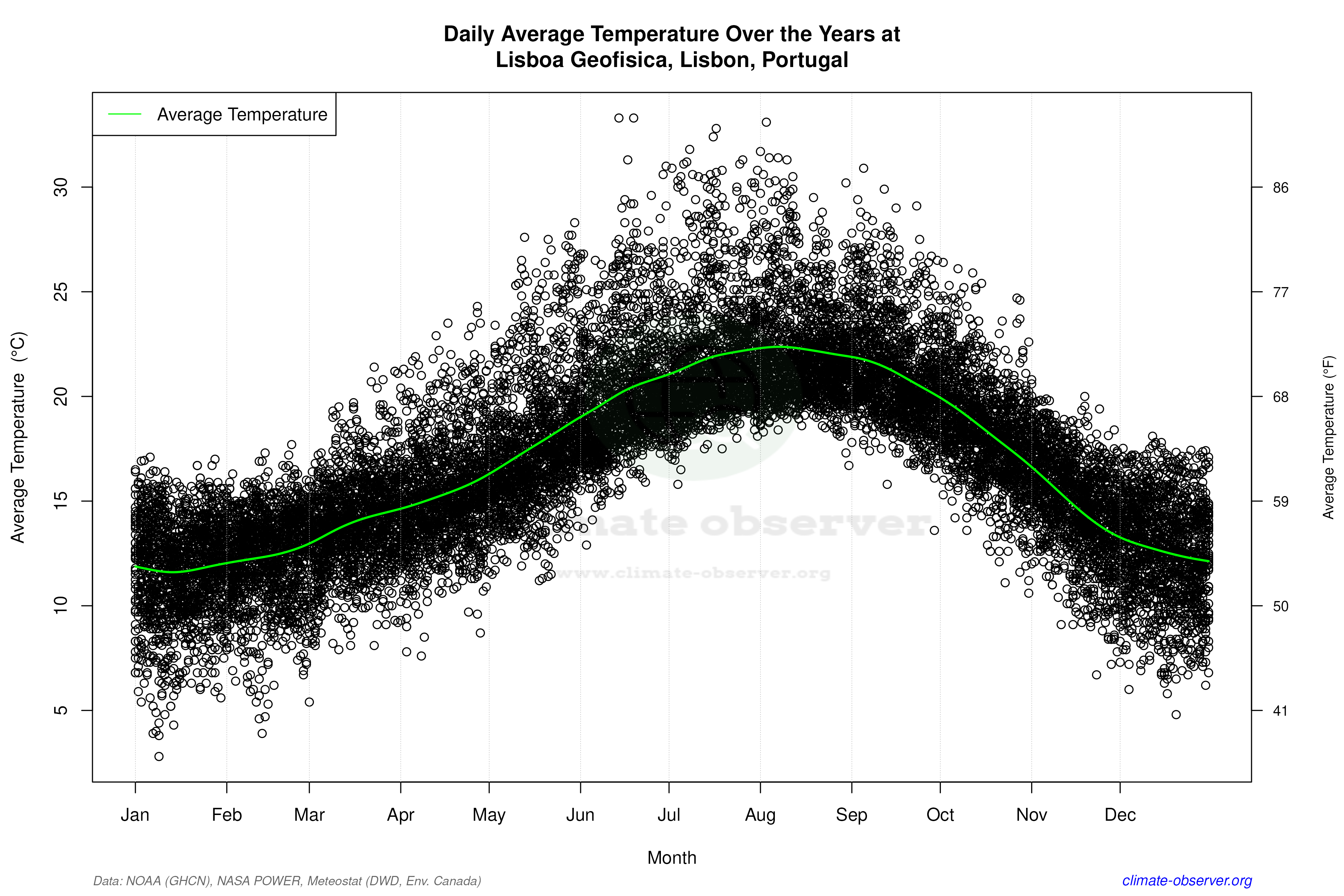
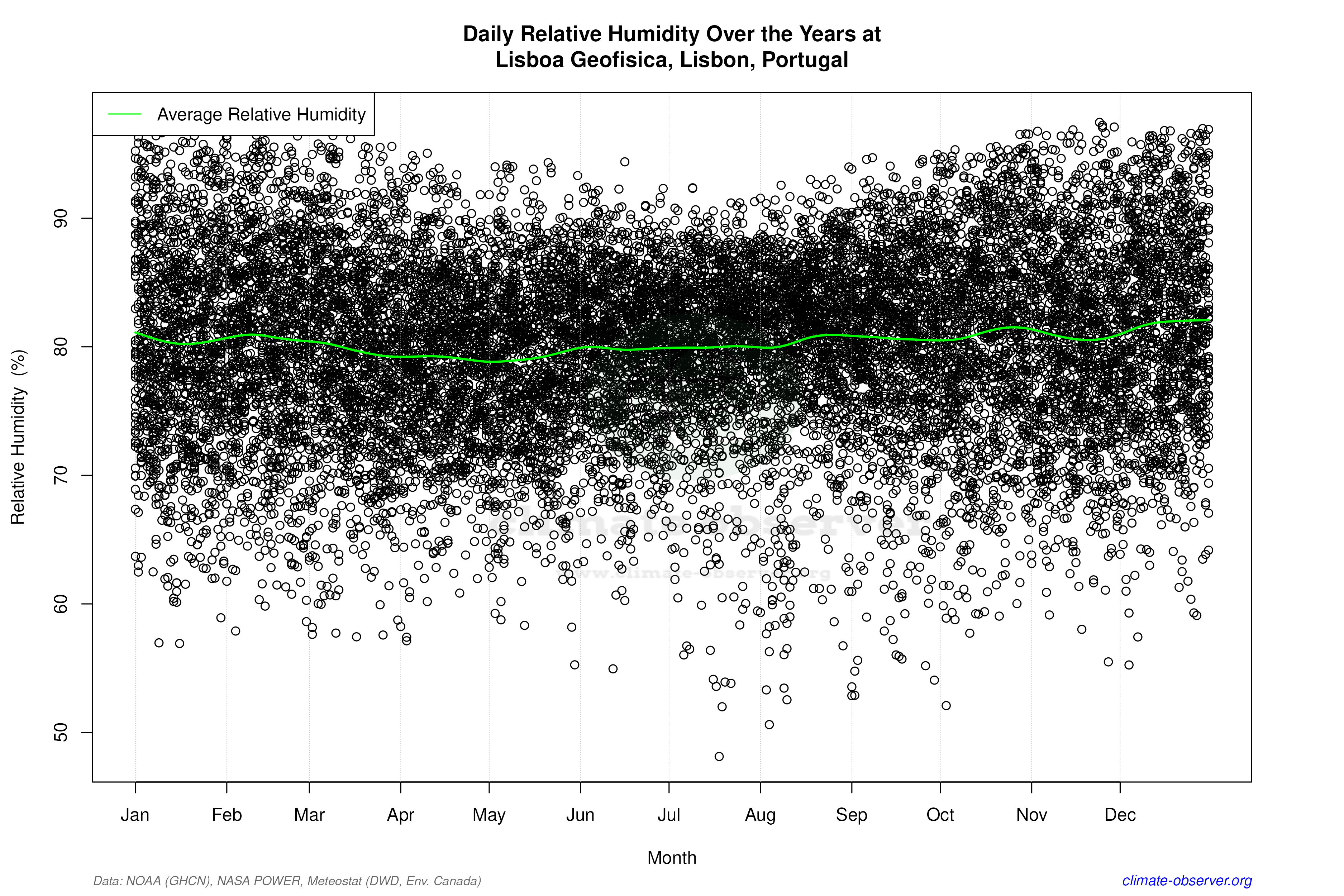

Average Max Temperature Throughout Year | 1 of 5

