Climate for Station: Visby_flygplats, Sweden
Loading live weather...
Climate Analysis & Overview
Visby_flygplats is experiencing a warming trend, with significant increases in both high and low temperatures over the past decade. Precipitation patterns have become more evenly distributed, indicating a shift in local climate dynamics. These changes align with Sweden's broader climate goals of reducing climate impact and adapting to new weather patterns.
A Maritime Climate with Notable Warming
Visby_flygplats, located on the island of Gotland in Sweden, falls under the Köppen climate classification of Cfb, indicating a temperate oceanic climate. This classification is influenced by the Baltic Sea, which moderates temperature fluctuations and contributes to the region's mild winters and cool summers. Over the past decade, the station has recorded a notable warming trend, with high temperatures increasing by 0.38°C (0.68°F) and low temperatures rising by 1.04°C (1.88°F). These trends suggest a shift towards warmer conditions, which could impact local ecosystems and agriculture.
Long-term Climate Dynamics
Examining the all-time trends, Visby_flygplats has experienced a consistent warming pattern. High temperatures have risen by 0.13°C (0.23°F), while low temperatures have seen a smaller increase of 0.09°C (0.16°F). This gradual warming aligns with global climate trends and highlights the importance of long-term climate monitoring. The record high of 33.7°C (92.7°F) and a record low of -21.5°C (-6.7°F) underscore the range of temperatures that Visby_flygplats can experience, though such extremes are rare.
Precipitation Patterns and Distribution
The Precipitation Concentration Index (PCI) offers insights into how rainfall is distributed throughout the year. A baseline PCI of 11.83 has decreased to a current value of 10.51, indicating a more even distribution of precipitation events. This marginal change suggests that rainfall is less likely to occur in concentrated bursts, which can reduce the risk of flooding and benefit agricultural practices by providing more consistent soil moisture levels.
Implications for Regional Climate Goals
Sweden has set ambitious climate goals to reduce greenhouse gas emissions and adapt to changing climate patterns. The trends observed at Visby_flygplats are consistent with these objectives, as the region adapts to warmer temperatures and more evenly distributed precipitation. These changes could have implications for local infrastructure, water management, and biodiversity conservation efforts. Understanding these dynamics is crucial for policymakers and stakeholders working to mitigate climate impacts and enhance resilience in the region.
Station Statistics
10-Year Trend
High: -0.14 °F/decade
Low: +2.46 °F/decade
Rain: -0.012 in/decade
25-Year Trend
High: +0.88 °F/decade
Low: +0.79 °F/decade
Rain: +0.000 in/decade
50-Year Trend
High: +0.95 °F/decade
Low: +0.31 °F/decade
Rain: -0.000 in/decade
All-Time Trend
High: +0.22 °F/decade
Low: +0.17 °F/decade
Rain: +0.000 in/decade
Percentage Above-Average Days
Last 12 Months: 50.7%
This Year: 49.3%
Precipitation Concentration Index (PCI) ℹ️
Last 12 Months: 11.8
Historical Average: 11.2
Percentile Rank of Last 12 Months ℹ️
High: 85th percentile
Low: 97th percentile
Rain: 46th percentile
Change in Variance ℹ️
High: +3.6%
Low: +4.2%
Intraday: +65.8%
Data Coverage
75.5%
First Year of Data
1863
Station Location
Historical Weather Records
| Max High | Avg High | Min High | Max Avg | Avg Avg | Min Avg | Max Low | Avg Low | Min Low | Max Precipitation | Avg Precipitation | Max Snow | Avg Snow | |
|---|---|---|---|---|---|---|---|---|---|---|---|---|---|
| Record | 92.66 °F | — | 5.72 °F | 78.44 °F | — | 3.56 °F | 71.06 °F | — | -6.70 °F | 3.63 in | — | — | — |
| January | 50.36 °F | 34.68 °F | 5.72 °F | 47.12 °F | 32.10 °F | 3.56 °F | 45.68 °F | 27.71 °F | -6.70 °F | 1.52 in | 0.06 in | — | — |
| February | 55.22 °F | 33.97 °F | 9.50 °F | 48.92 °F | 31.07 °F | 7.52 °F | 46.40 °F | 26.29 °F | -6.16 °F | 2.13 in | 0.04 in | — | — |
| March | 64.58 °F | 38.06 °F | 12.20 °F | 51.26 °F | 34.36 °F | 9.14 °F | 44.96 °F | 28.34 °F | -2.56 °F | 0.99 in | 0.04 in | — | — |
| April | 77.36 °F | 46.60 °F | 26.60 °F | 62.78 °F | 41.07 °F | 27.32 °F | 52.70 °F | 33.88 °F | 9.86 °F | 1.04 in | 0.04 in | — | — |
| May | 82.22 °F | 56.79 °F | 32.00 °F | 69.98 °F | 50.36 °F | 33.08 °F | 60.44 °F | 41.40 °F | 17.96 °F | 1.23 in | 0.04 in | — | — |
| June | 90.14 °F | 64.66 °F | 44.42 °F | 77.54 °F | 58.21 °F | 43.16 °F | 67.46 °F | 49.92 °F | 31.46 °F | 1.52 in | 0.04 in | — | — |
| July | 92.66 °F | 69.08 °F | 50.00 °F | 78.44 °F | 62.99 °F | 50.18 °F | 71.06 °F | 55.72 °F | 39.20 °F | 3.63 in | 0.07 in | — | — |
| August | 91.22 °F | 67.42 °F | 49.46 °F | 78.26 °F | 62.30 °F | 48.56 °F | 70.70 °F | 55.27 °F | 33.80 °F | 3.14 in | 0.07 in | — | — |
| September | 84.92 °F | 60.17 °F | 44.60 °F | 71.96 °F | 55.26 °F | 40.28 °F | 64.40 °F | 49.37 °F | 26.78 °F | 2.13 in | 0.07 in | — | — |
| October | 69.62 °F | 50.99 °F | 32.54 °F | 61.34 °F | 47.34 °F | 30.56 °F | 57.92 °F | 42.23 °F | 21.20 °F | 2.06 in | 0.07 in | — | — |
| November | 59.00 °F | 42.86 °F | 20.30 °F | 55.04 °F | 40.07 °F | 16.88 °F | 51.08 °F | 35.86 °F | 4.28 °F | 2.49 in | 0.07 in | — | — |
| December | 54.50 °F | 37.62 °F | 14.00 °F | 49.64 °F | 34.85 °F | 6.08 °F | 47.30 °F | 30.84 °F | -1.48 °F | 1.99 in | 0.06 in | — | — |
Data Visualisations
Remove WatermarksCurrent Year Climate Trends vs Historical
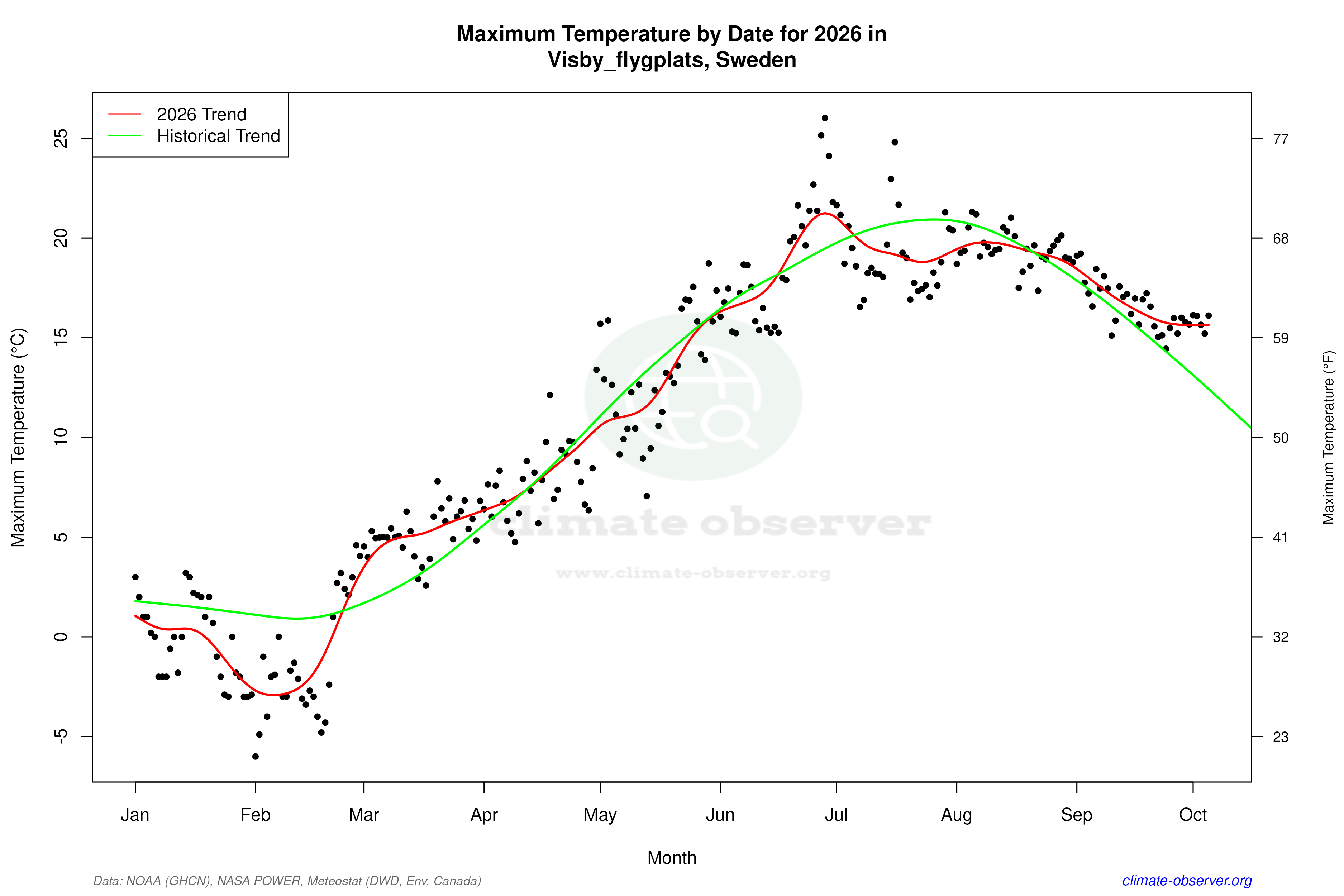
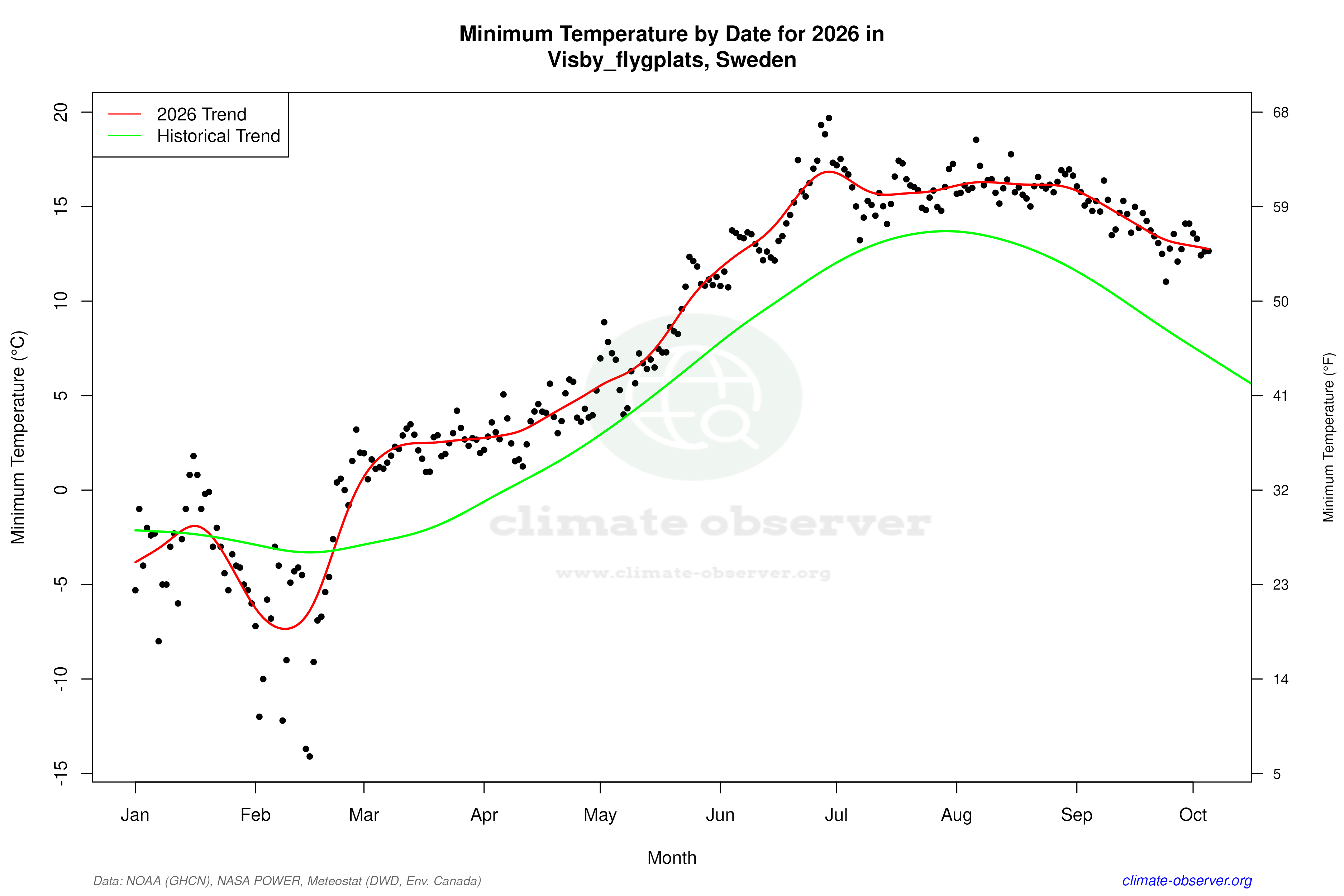
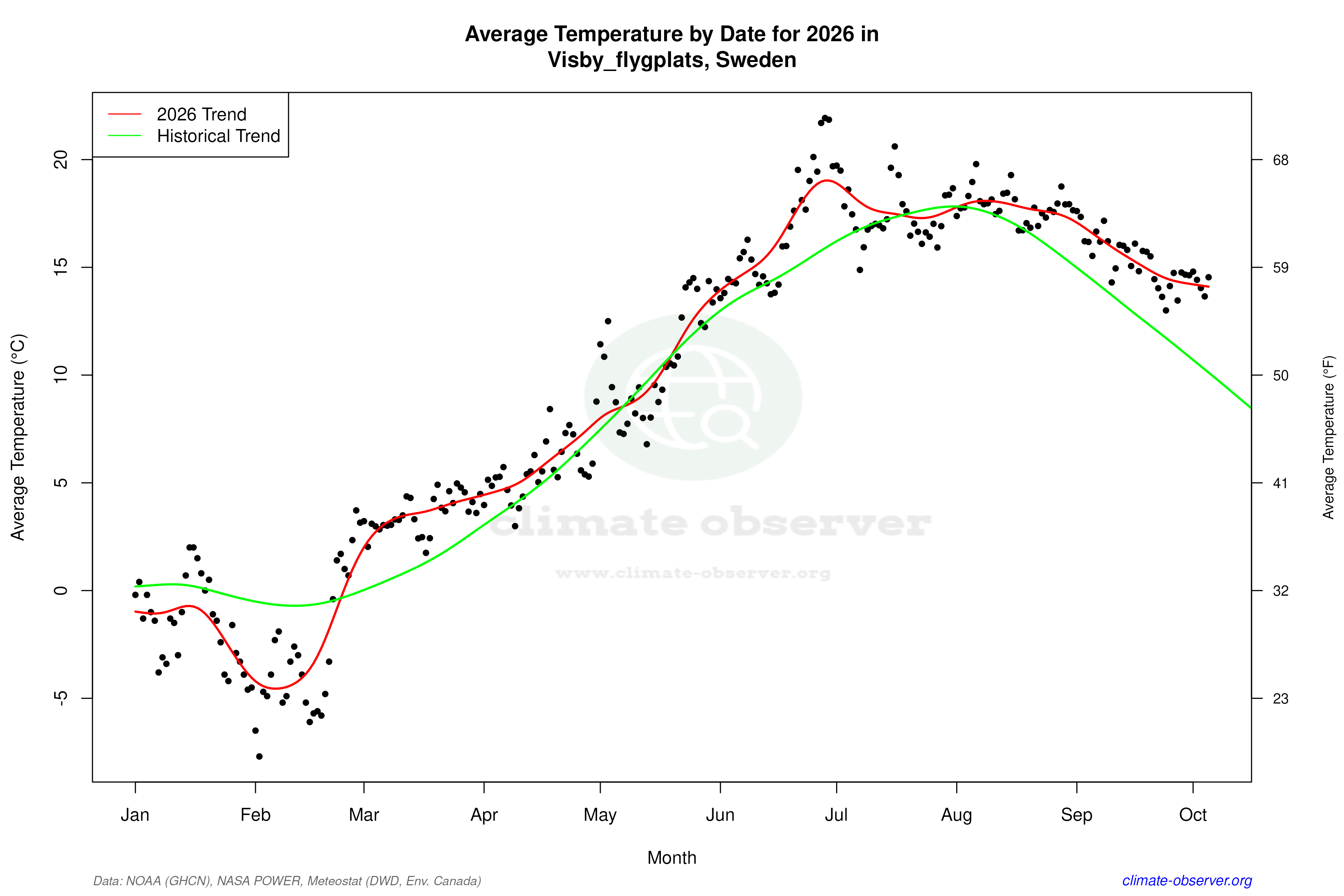
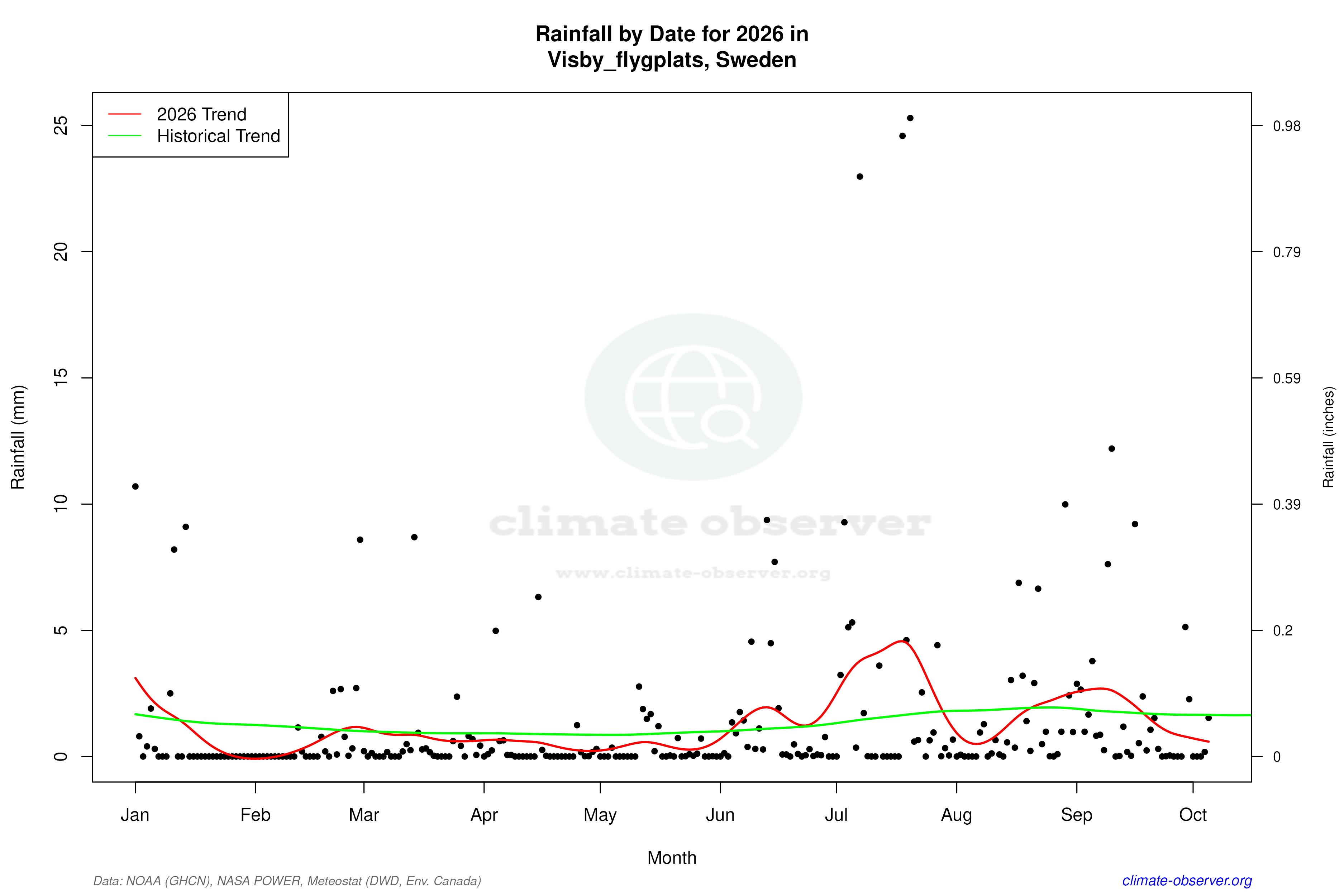
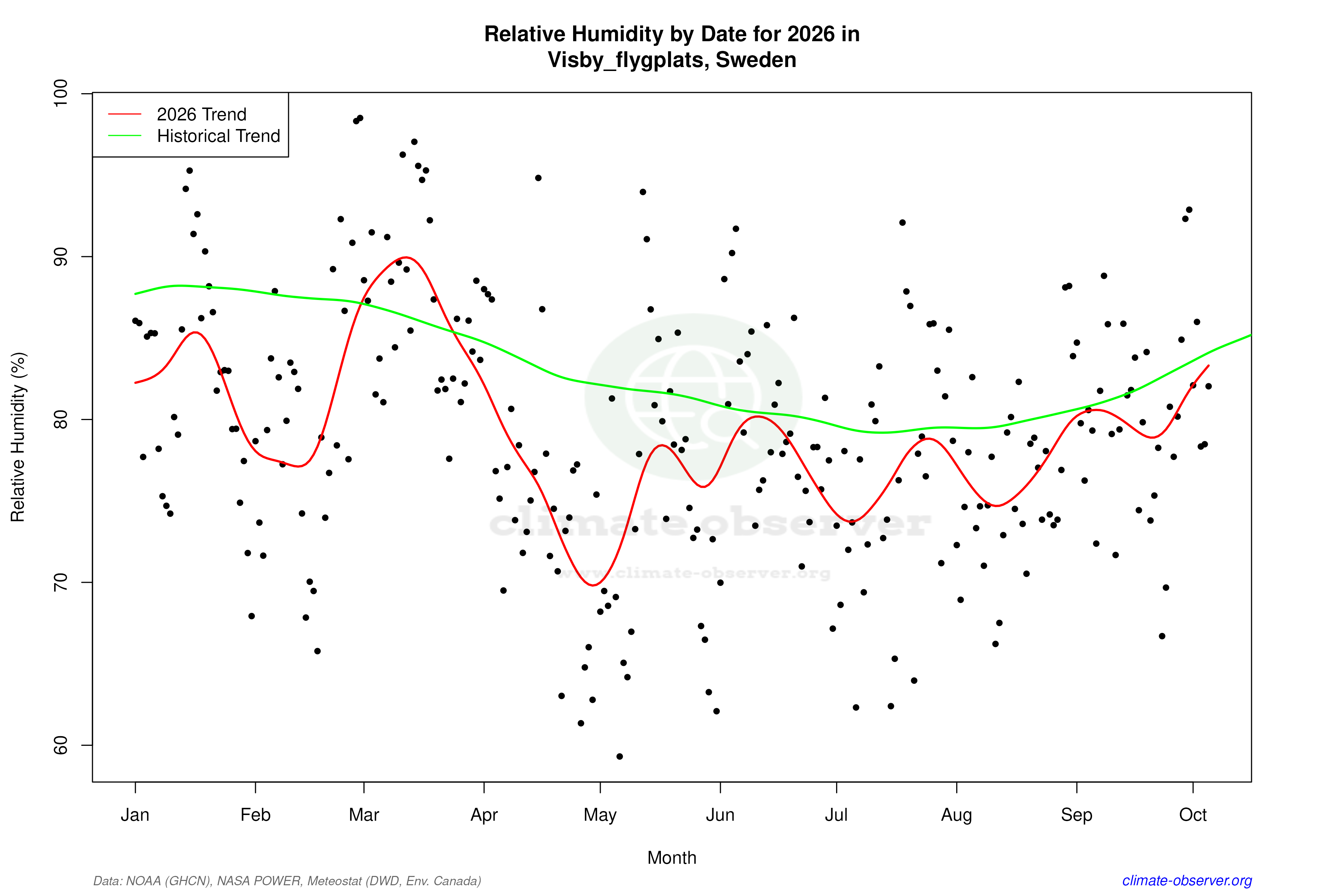

Max Temperature this Year | 1 of 6
Climate 12-Month Moving Averages
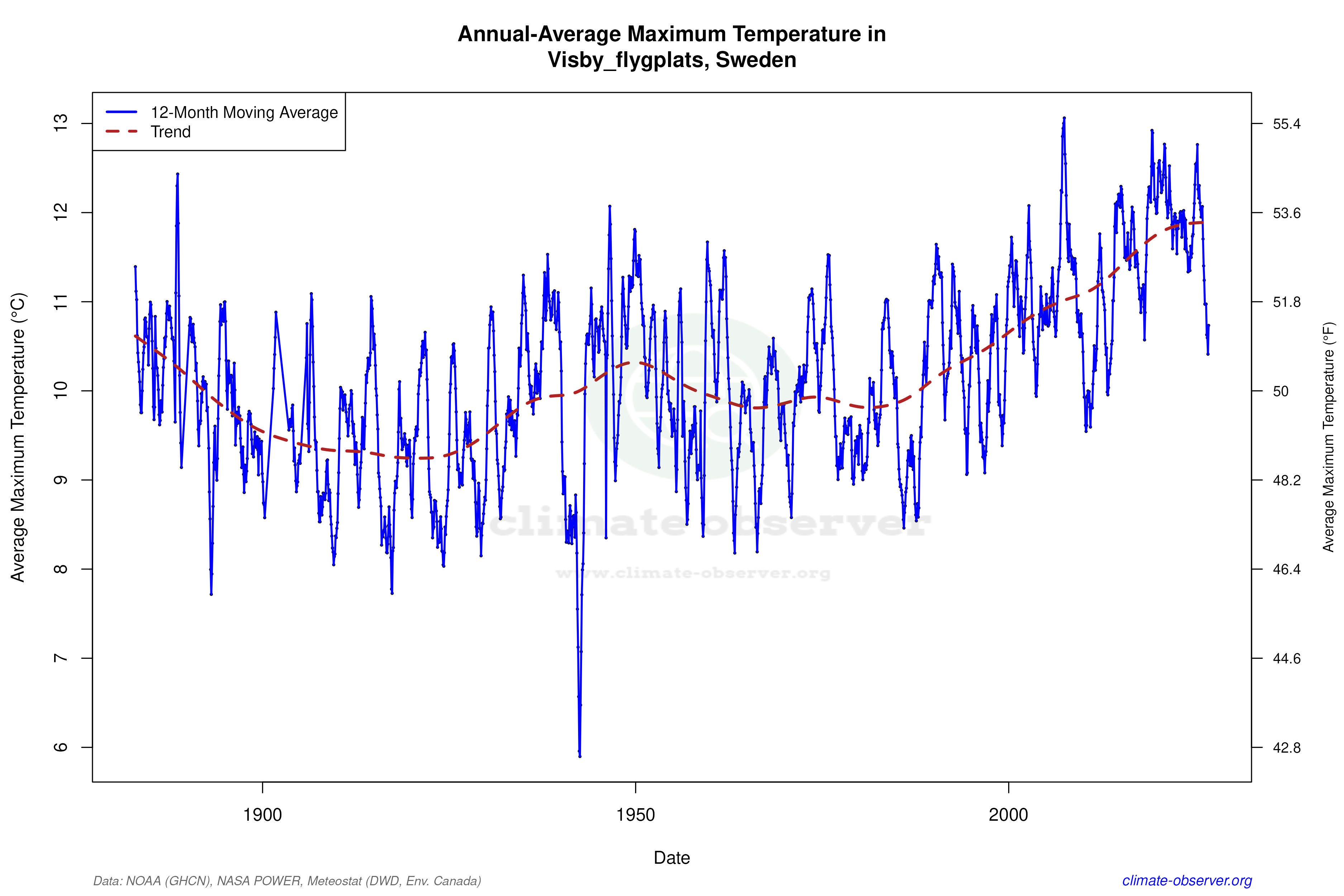
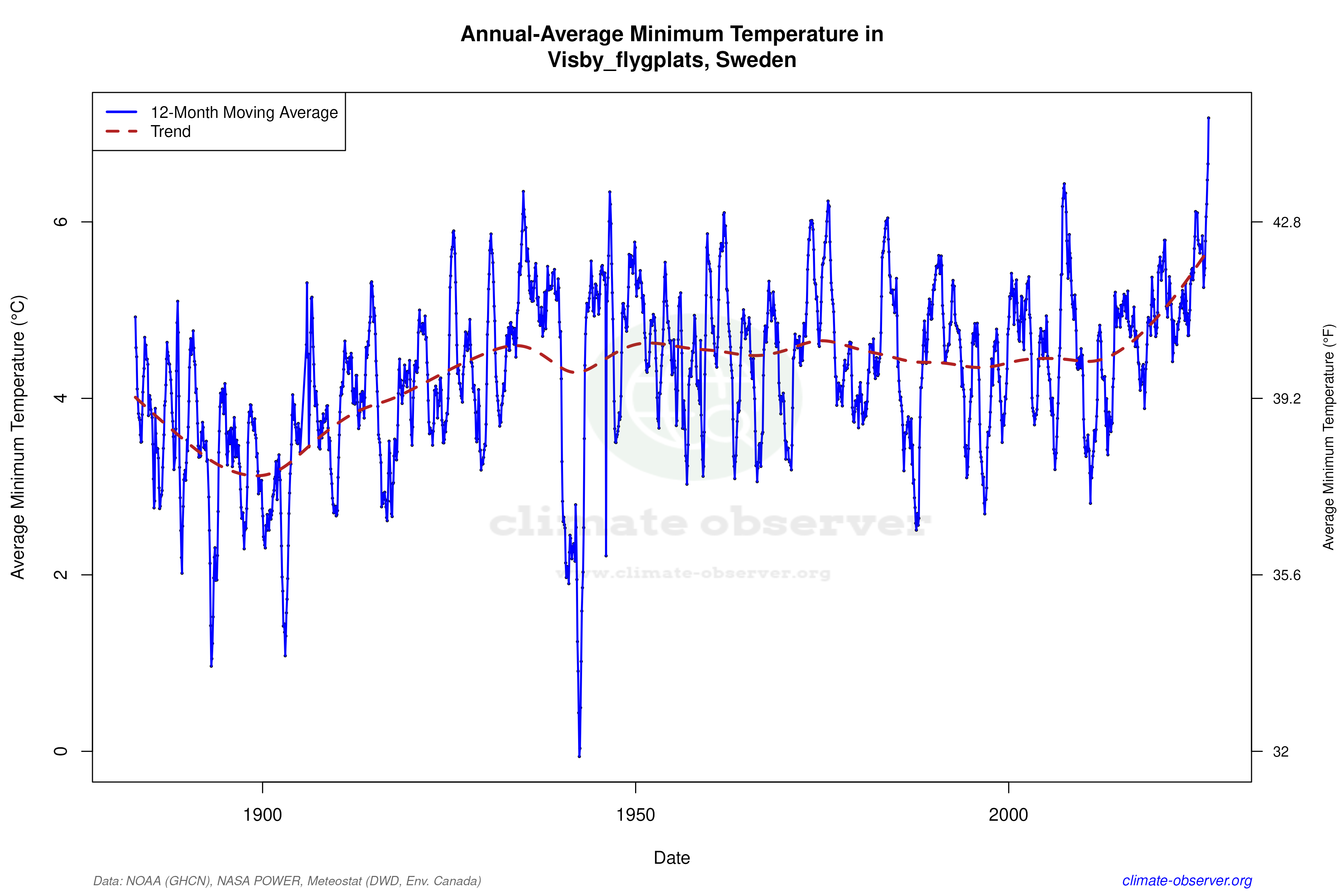
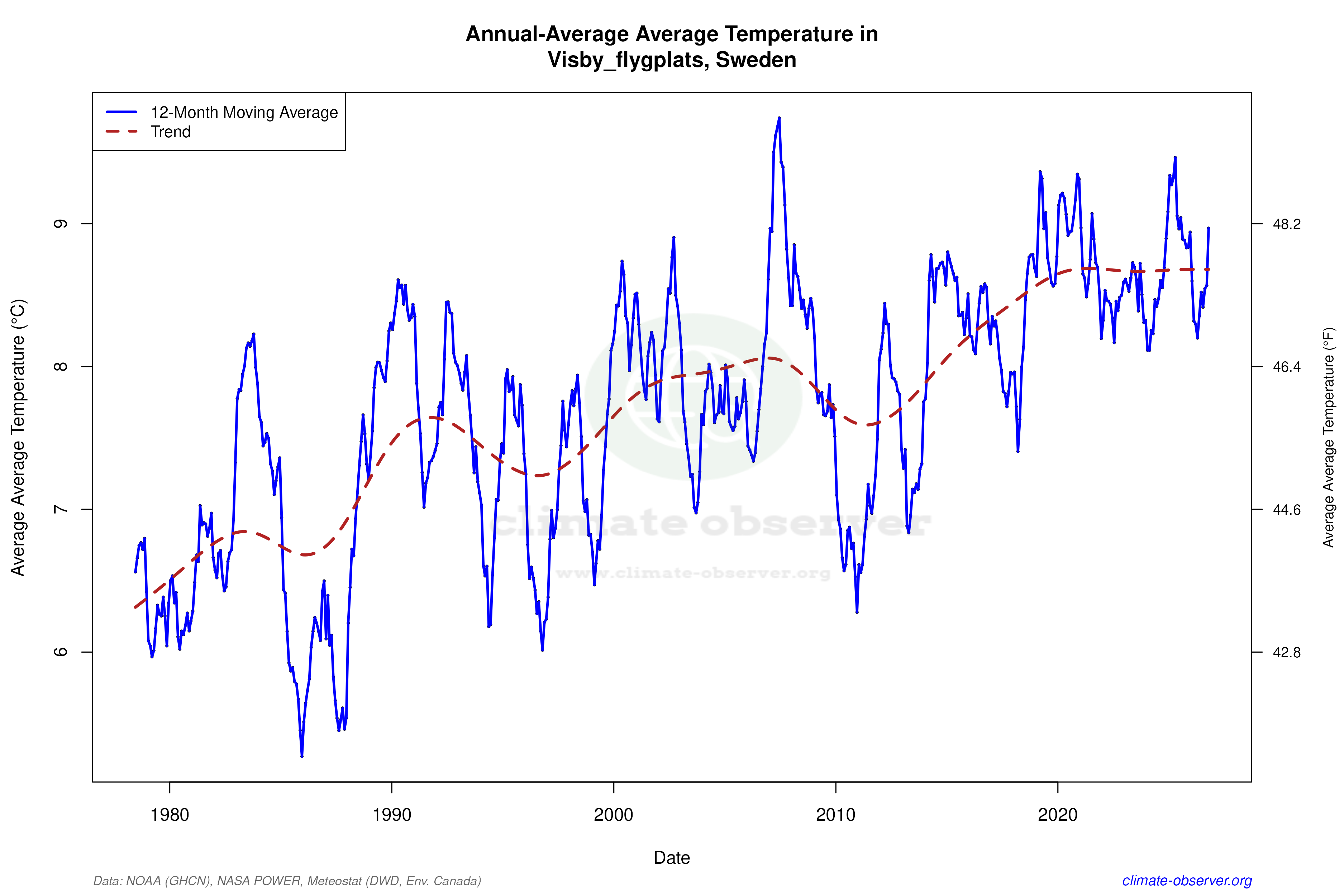
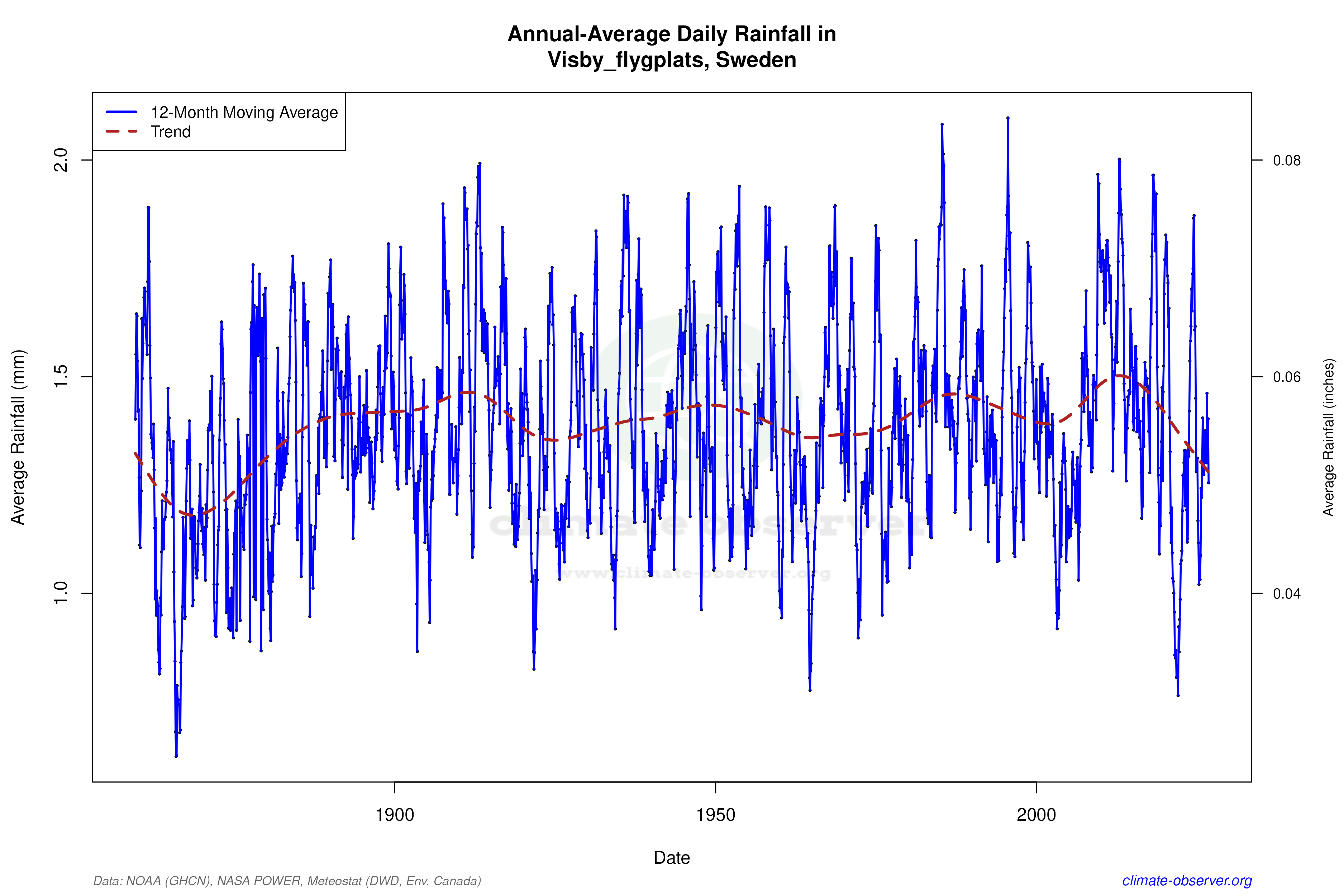
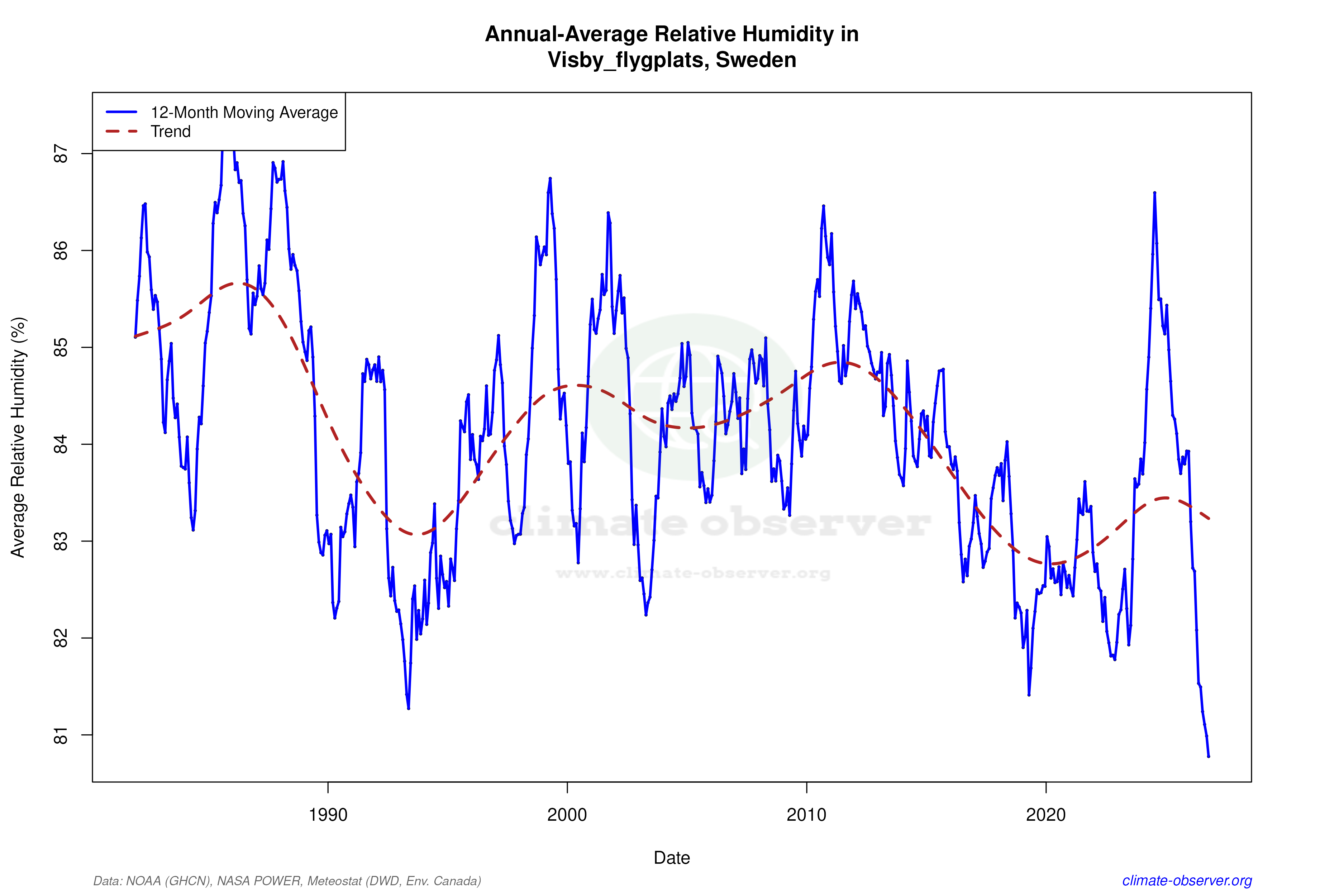

Max Temperature 12-Month MA | 1 of 6
Daily Data Points and Averages Throughout the Year
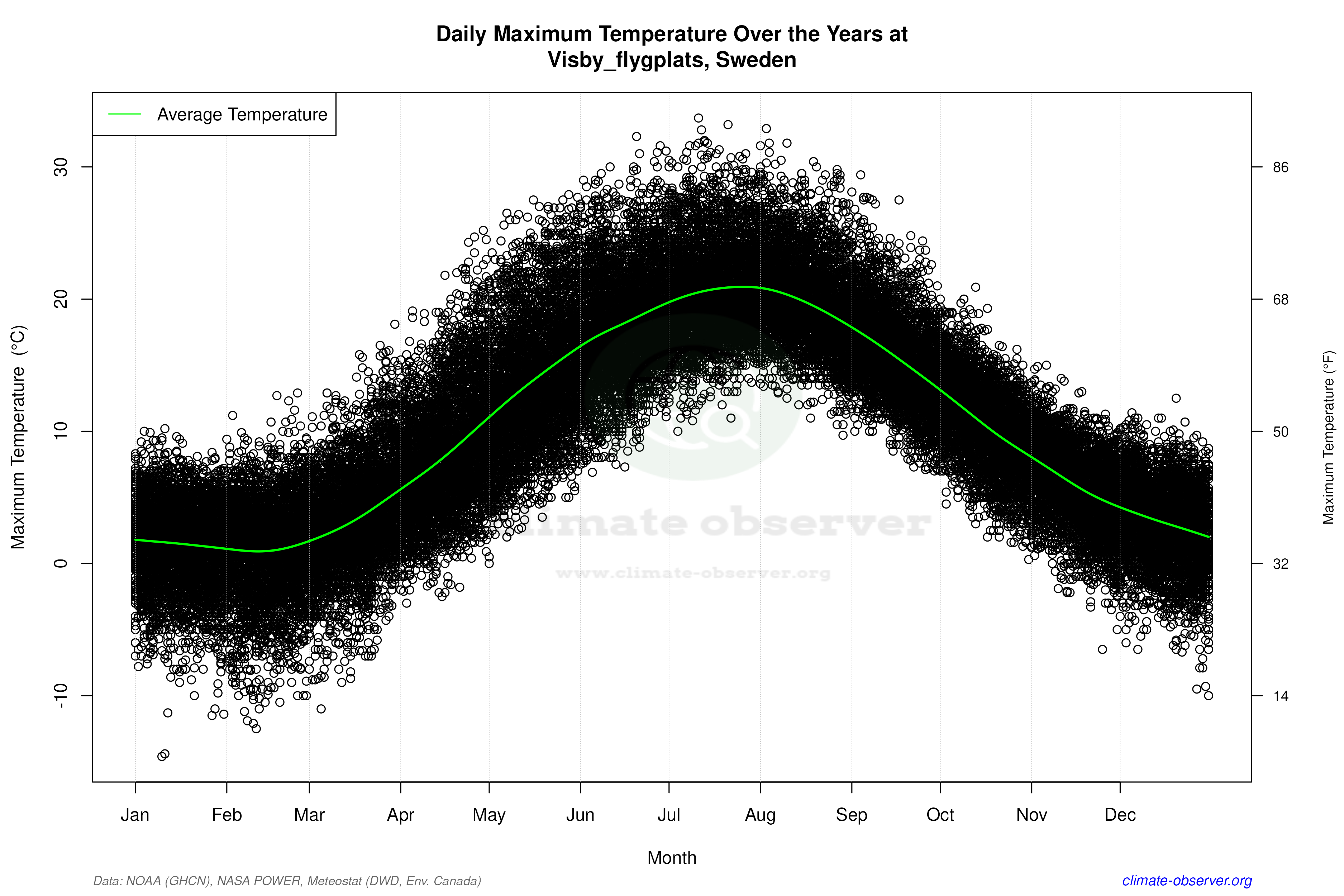
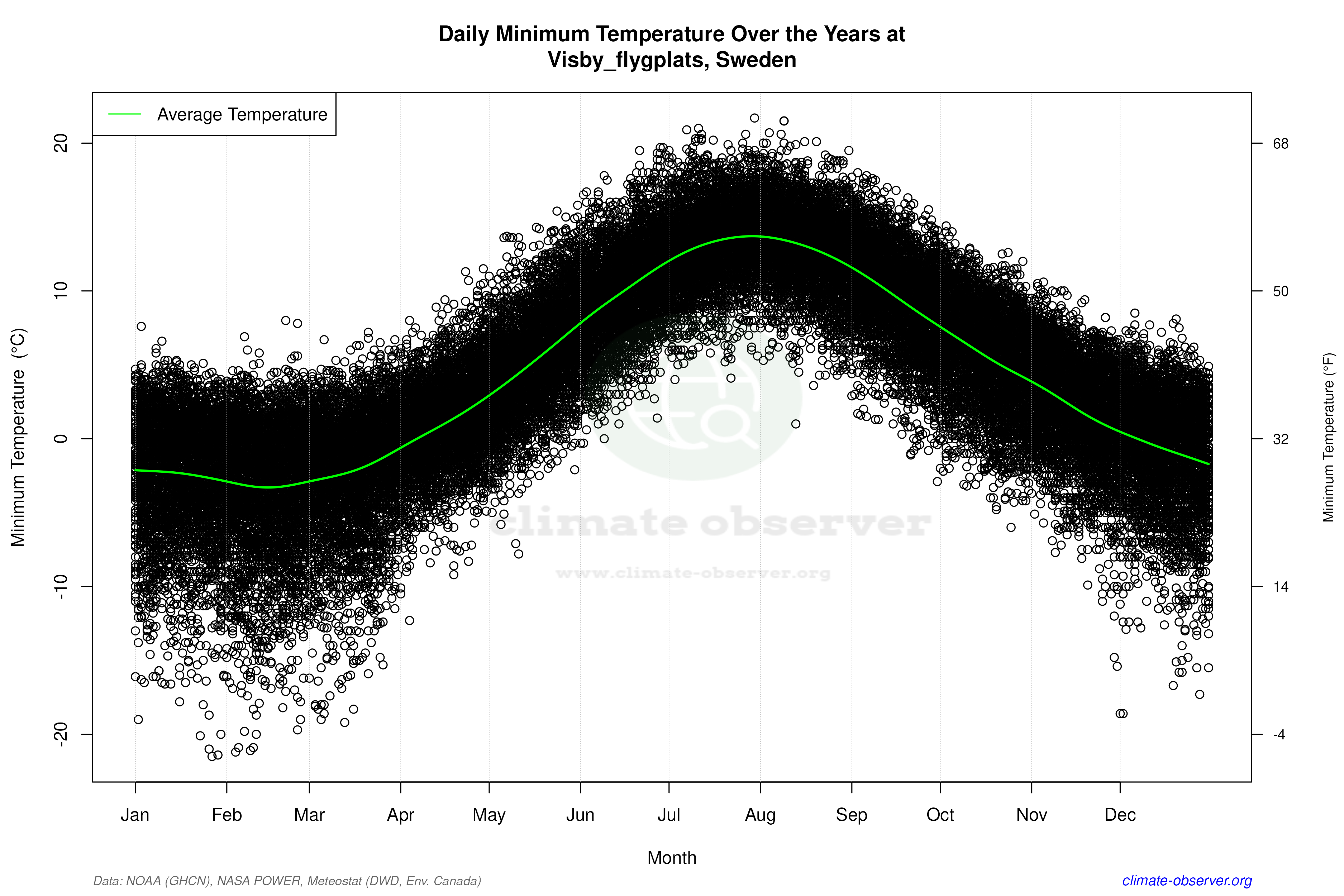
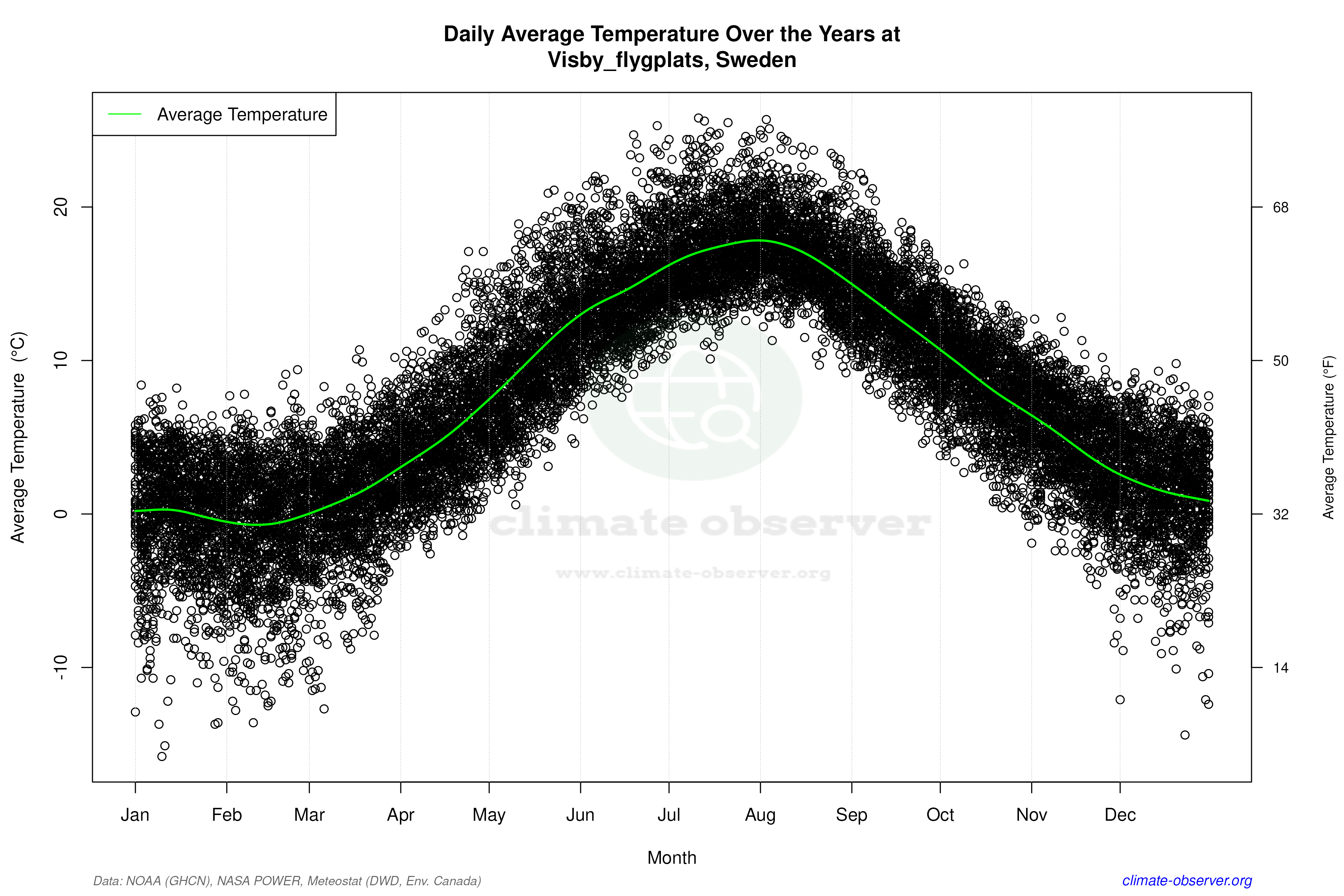
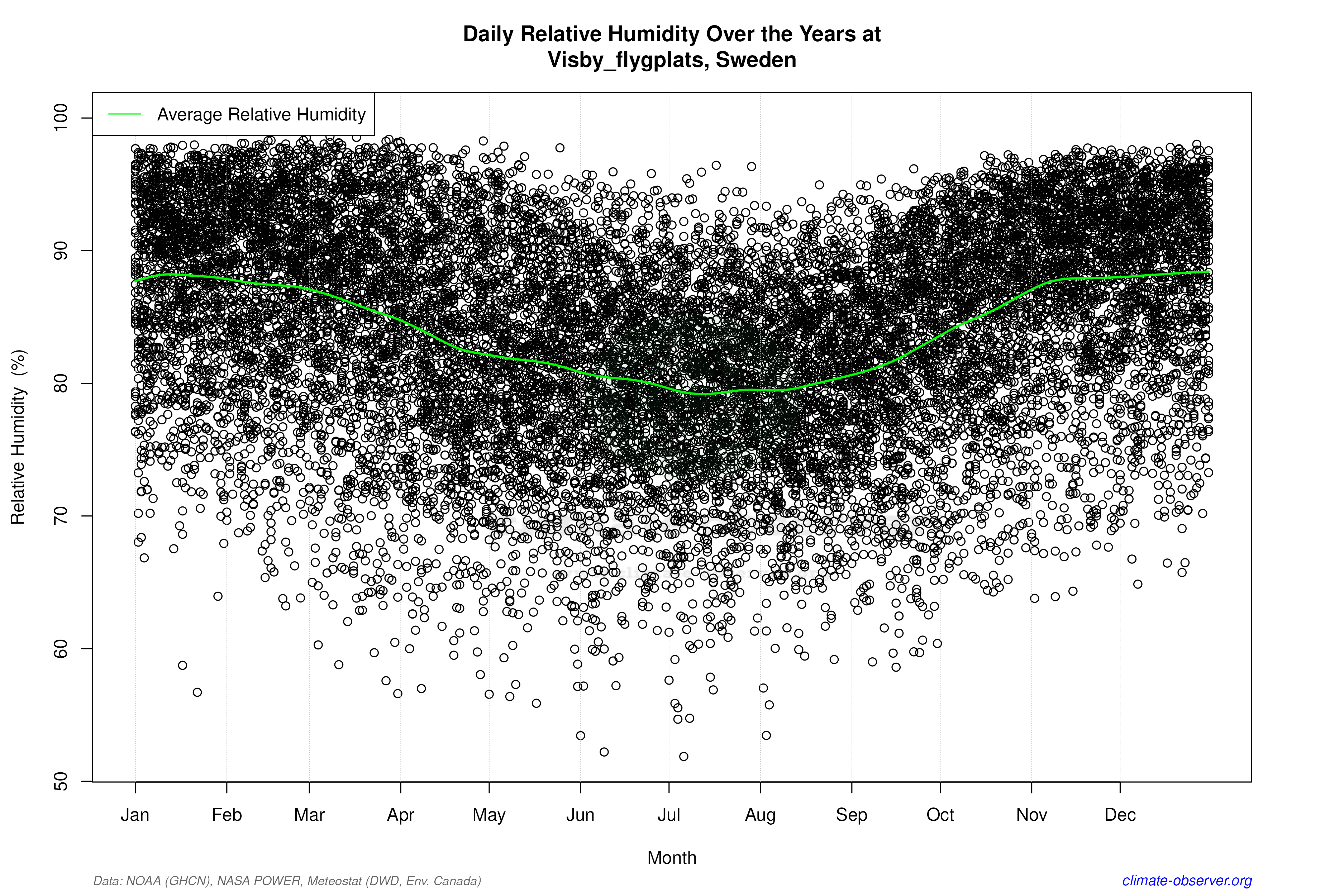

Average Max Temperature Throughout Year | 1 of 5


