Climate for Station: Zuerich/Fluntern, Zürich, Switzerland
Loading live weather...
Climate Analysis & Overview
Zürich/Fluntern's climate is marked by a complex interplay of warming and cooling trends, with recent years showing a notable increase in both highs and lows. A decrease in the Precipitation Concentration Index suggests a more even distribution of rainfall, in line with Switzerland's climate adaptation goals.
Temperature Trends: A Tale of Two Timelines
Zürich/Fluntern, located at 47.3831°N, 8.5667°E, experiences a temperate oceanic climate (Köppen classification Cfb), influenced by the nearby Alps and Lake Zürich. Over the past decade, the area has seen a warming trend with average high temperatures increasing by 0.74°C (1.33°F) and lows by 1.05°C (1.88°F). This recent warming contrasts with the all-time trends, where highs have slightly cooled by 0.03°C (0.05°F), while lows have risen by 0.17°C (0.31°F). These divergent trends highlight the dynamic nature of the region's climate, with short-term warming potentially driven by recent atmospheric changes or urban heat effects.
Record Extremes: Peaks and Valleys
The record temperatures for Zürich/Fluntern underscore the variability of its climate. The highest recorded temperature is 37.7°C (99.9°F), while the lowest is -21.1°C (-5.98°F). These extremes reflect the influence of continental air masses and the moderating effects of the surrounding topography. Such records are crucial for understanding the potential impacts of climate variability on local ecosystems and infrastructure.
Precipitation Patterns: A More Even Spread
The Precipitation Concentration Index (PCI) for Zürich/Fluntern has shown a marginal decrease from a baseline of 10.92 to a current value of 10.56. This suggests that precipitation events are becoming more evenly distributed throughout the year, a positive shift towards reducing the risk of flooding and drought. The PCI is a measure of how concentrated rainfall is; lower values indicate a more even spread, which aligns with Switzerland's efforts to enhance climate resilience.
Regional Implications: Navigating Change
The climate dynamics of Zürich/Fluntern are set against the backdrop of Switzerland's broader climate goals, which include reducing greenhouse gas emissions and adapting to changing weather patterns. The recent warming trend in lows and the more even distribution of precipitation are encouraging signs, suggesting that local adaptation strategies may be having an impact. However, the slight cooling in all-time high temperatures indicates that long-term climate patterns remain complex and multifaceted.
Geographic Influences: Alpine Moderation
Zürich/Fluntern's climate is significantly influenced by its geographic location. The proximity to the Alps provides a natural barrier that moderates extreme weather, while Lake Zürich contributes to the region's humidity and precipitation patterns. These geographic features play a critical role in shaping the local climate, offering both challenges and opportunities for climate adaptation and mitigation efforts.
Station Statistics
10-Year Trend
High: +0.93 °F/decade
Low: +1.63 °F/decade
Rain: +0.013 in/decade
25-Year Trend
High: +1.22 °F/decade
Low: +0.88 °F/decade
Rain: -0.004 in/decade
50-Year Trend
High: +0.92 °F/decade
Low: +0.66 °F/decade
Rain: -0.002 in/decade
All-Time Trend
High: -0.03 °F/decade
Low: +0.32 °F/decade
Rain: +0.001 in/decade
Percentage Above-Average Days
Last 12 Months: 51.2%
This Year: 66.9%
Precipitation Concentration Index (PCI) ℹ️
Last 12 Months: 9.6
Historical Average: 10.8
Percentile Rank of Last 12 Months ℹ️
High: 75th percentile
Low: 92nd percentile
Rain: 41st percentile
Change in Variance ℹ️
High: -3.9%
Low: -0.1%
Intraday: -21.7%
Data Coverage
85.4%
First Year of Data
1908
Station Location
Historical Weather Records
| Max High | Avg High | Min High | Max Avg | Avg Avg | Min Avg | Max Low | Avg Low | Min Low | Max Precipitation | Avg Precipitation | Max Snow | Avg Snow | |
|---|---|---|---|---|---|---|---|---|---|---|---|---|---|
| Record | 99.86 °F | — | 1.22 °F | 82.40 °F | — | -0.40 °F | 73.33 °F | — | -5.98 °F | 4.06 in | — | — | — |
| January | 62.42 °F | 37.36 °F | 4.64 °F | 55.22 °F | 33.32 °F | -0.40 °F | 51.26 °F | 27.72 °F | -5.44 °F | 2.13 in | 0.09 in | — | — |
| February | 66.74 °F | 41.57 °F | 1.22 °F | 56.48 °F | 35.36 °F | 7.88 °F | 51.44 °F | 28.86 °F | -5.98 °F | 1.82 in | 0.09 in | — | — |
| March | 73.76 °F | 50.19 °F | 16.34 °F | 61.70 °F | 42.04 °F | 17.06 °F | 53.06 °F | 34.14 °F | 6.08 °F | 1.92 in | 0.09 in | — | — |
| April | 88.34 °F | 57.89 °F | 29.12 °F | 70.88 °F | 48.19 °F | 26.96 °F | 57.56 °F | 39.78 °F | 20.30 °F | 2.00 in | 0.11 in | — | — |
| May | 90.32 °F | 66.37 °F | 39.20 °F | 75.74 °F | 55.79 °F | 36.14 °F | 64.76 °F | 46.95 °F | 28.40 °F | 3.55 in | 0.14 in | — | — |
| June | 97.52 °F | 72.46 °F | 44.60 °F | 81.68 °F | 62.40 °F | 44.06 °F | 73.33 °F | 53.03 °F | 33.62 °F | 3.82 in | 0.17 in | — | — |
| July | 99.86 °F | 75.96 °F | 50.00 °F | 82.22 °F | 65.78 °F | 48.38 °F | 72.50 °F | 56.29 °F | 41.54 °F | 2.60 in | 0.16 in | — | — |
| August | 97.16 °F | 74.87 °F | 51.62 °F | 82.40 °F | 65.07 °F | 48.56 °F | 71.24 °F | 55.80 °F | 39.20 °F | 3.85 in | 0.16 in | — | — |
| September | 90.50 °F | 67.83 °F | 42.26 °F | 74.48 °F | 58.12 °F | 39.56 °F | 65.12 °F | 50.62 °F | 31.46 °F | 4.06 in | 0.12 in | — | — |
| October | 83.66 °F | 57.19 °F | 31.46 °F | 68.00 °F | 49.98 °F | 28.94 °F | 63.50 °F | 43.46 °F | 22.10 °F | 1.92 in | 0.10 in | — | — |
| November | 74.84 °F | 45.36 °F | 22.28 °F | 62.78 °F | 40.41 °F | 19.22 °F | 56.84 °F | 35.30 °F | 12.20 °F | 2.23 in | 0.10 in | — | — |
| December | 62.60 °F | 38.62 °F | 13.10 °F | 57.02 °F | 35.17 °F | 9.86 °F | 50.90 °F | 30.00 °F | -1.30 °F | 1.98 in | 0.10 in | — | — |
Data Visualisations
Remove WatermarksCurrent Year Climate Trends vs Historical
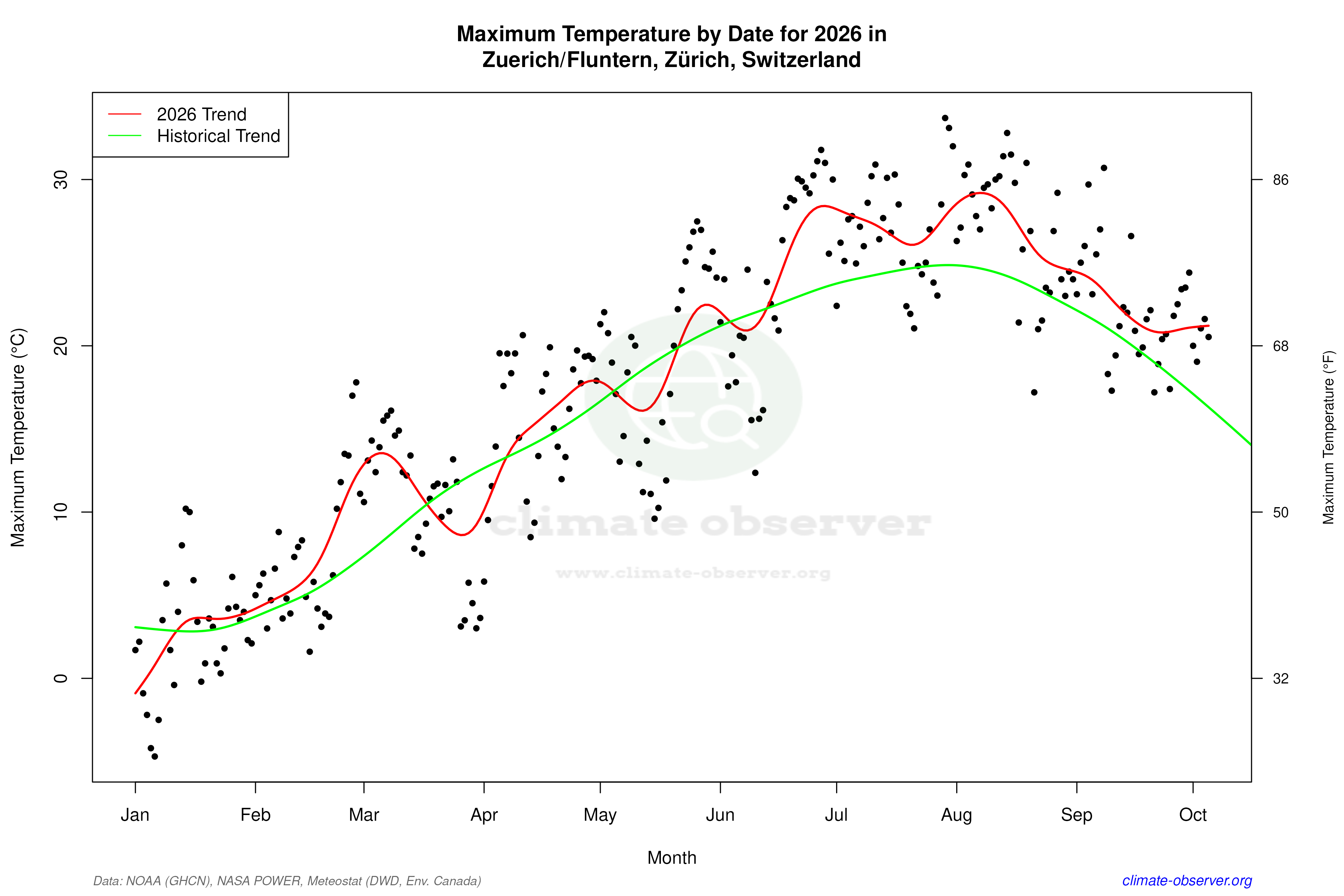
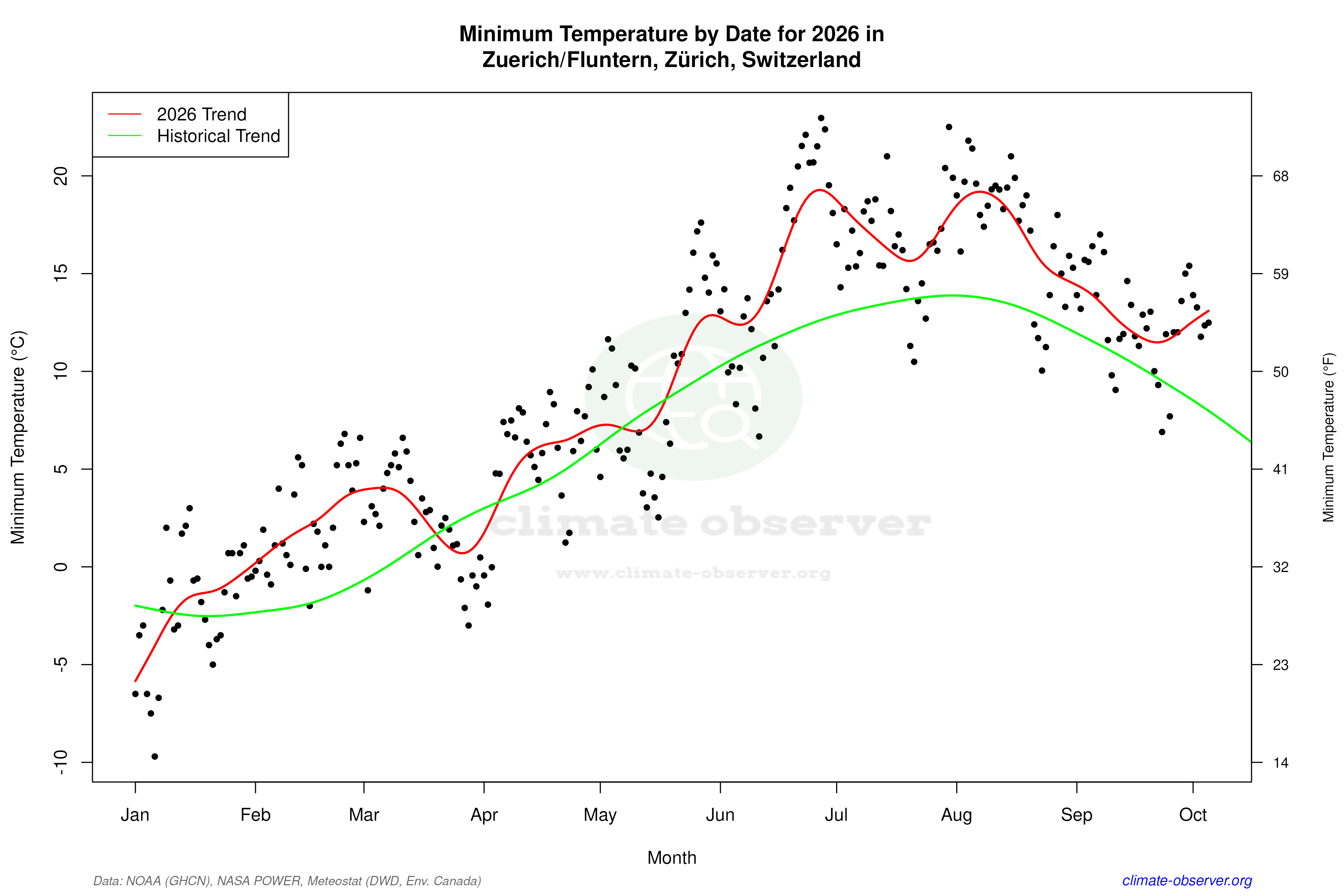
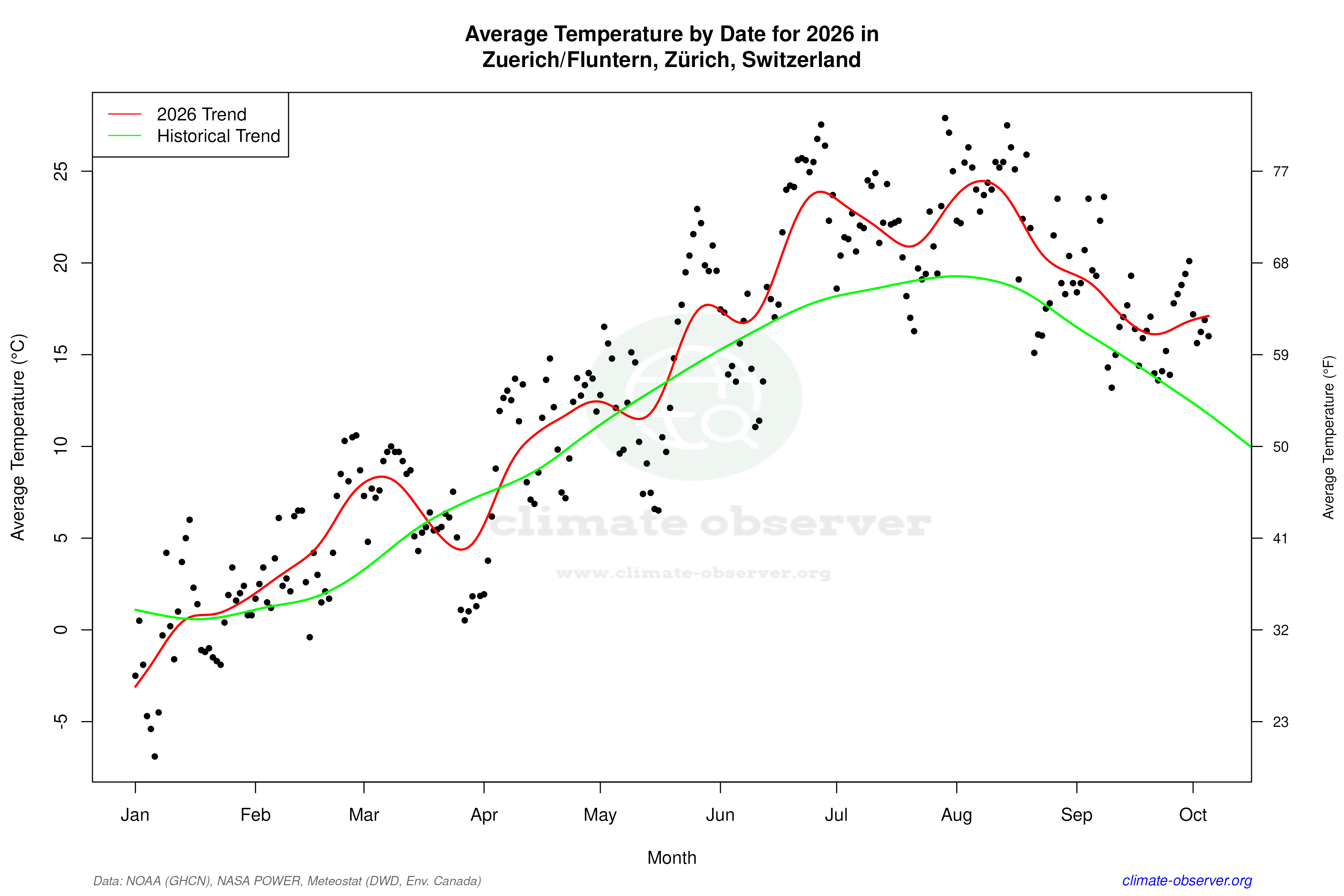
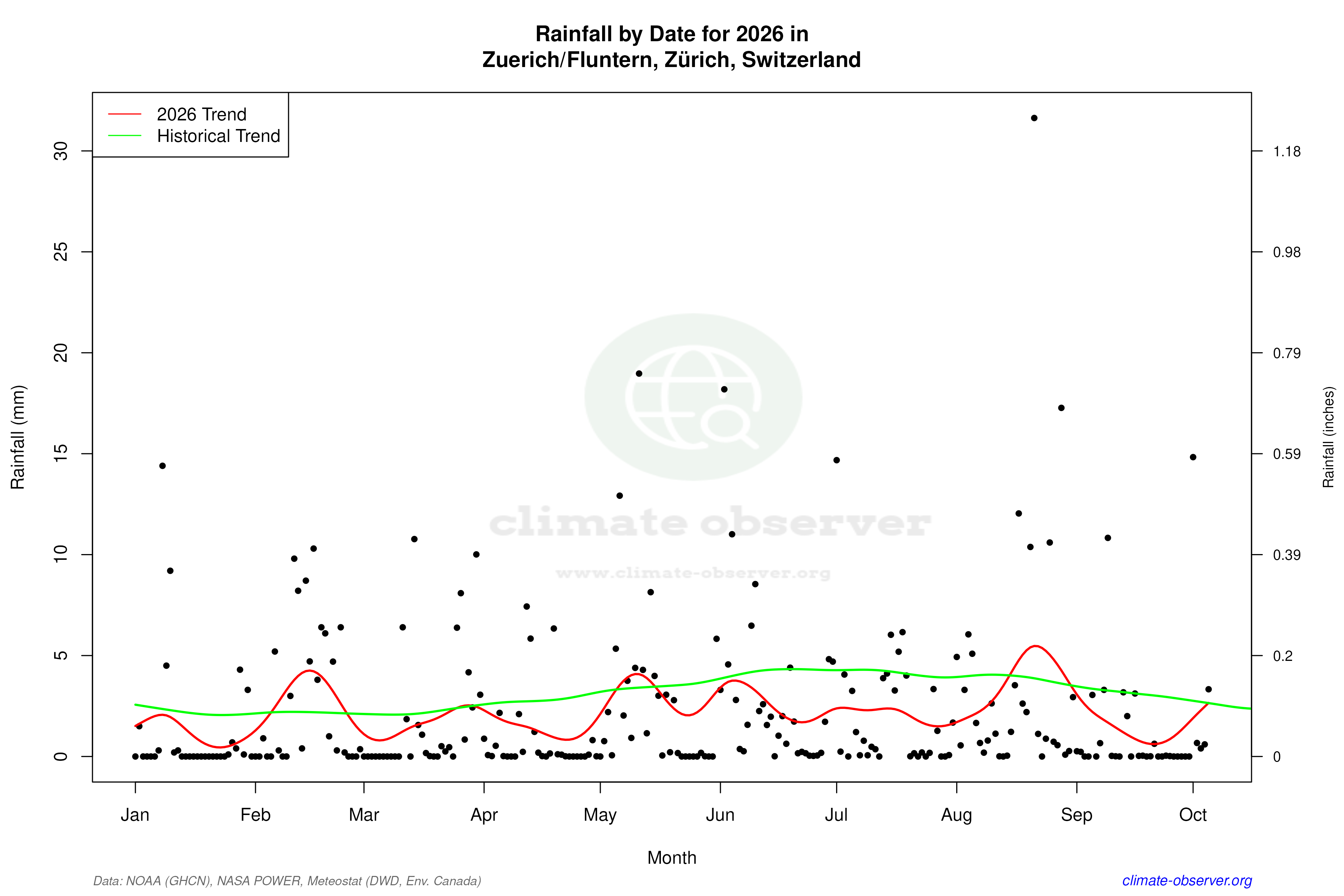
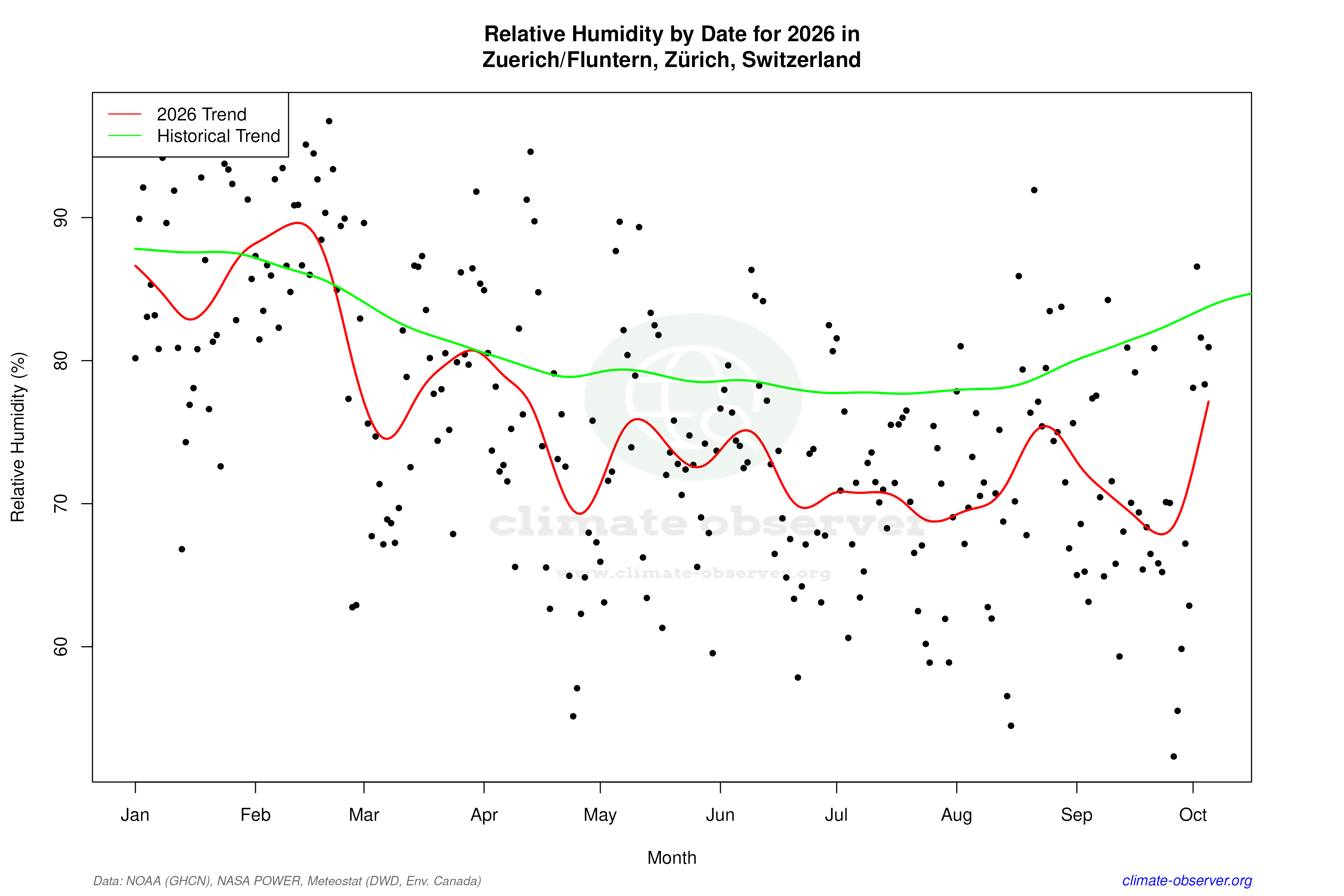

Max Temperature this Year | 1 of 6
Climate 12-Month Moving Averages
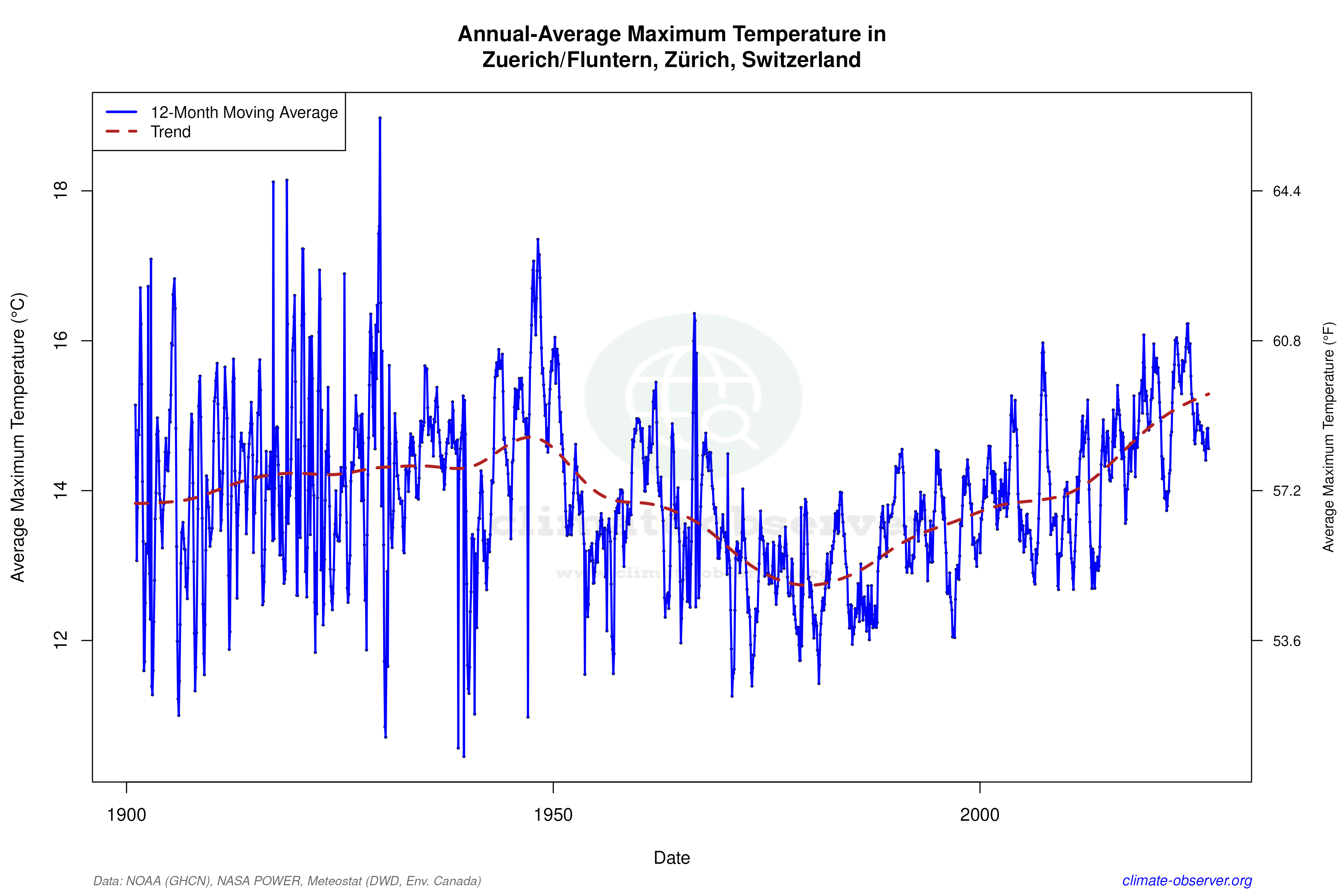
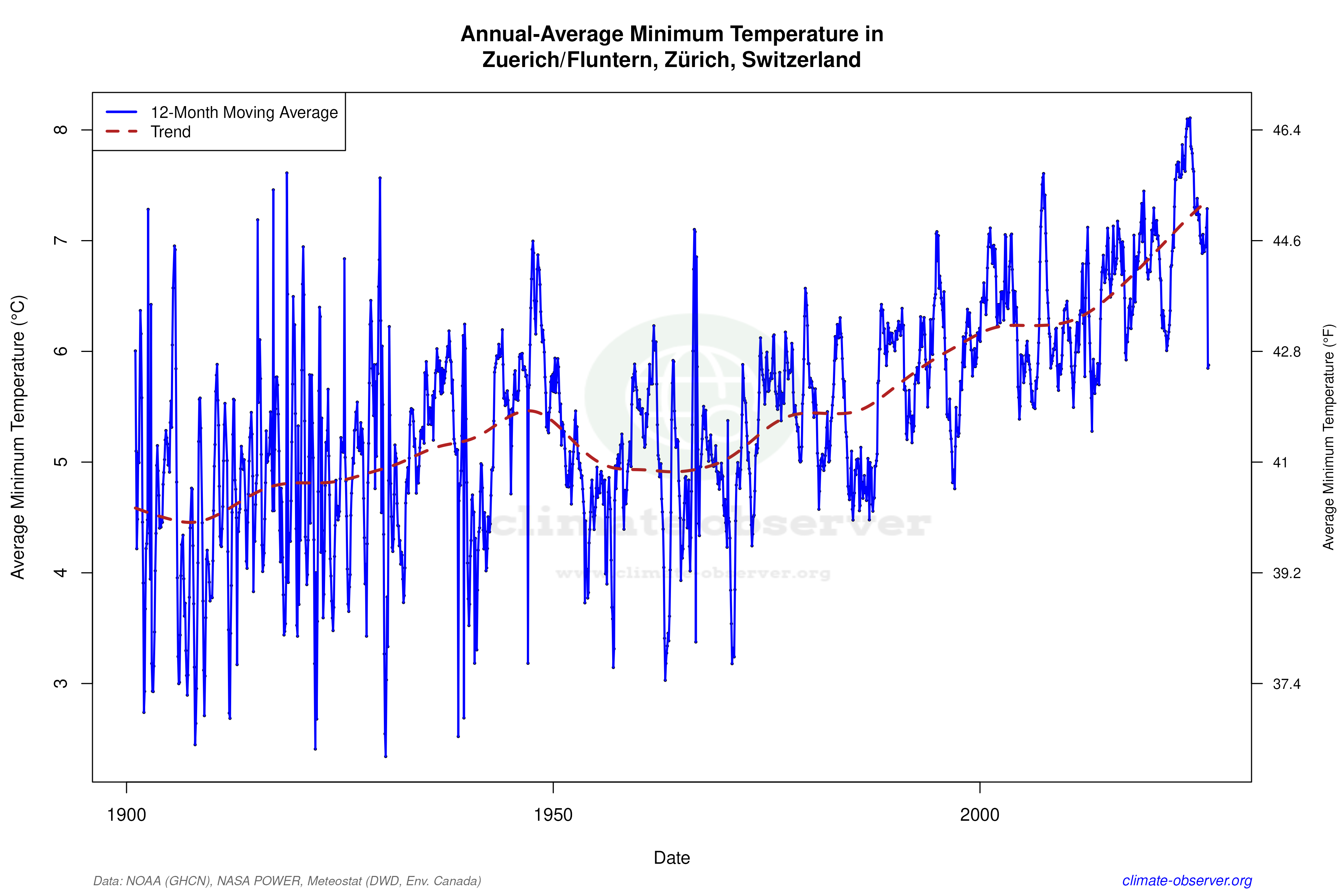
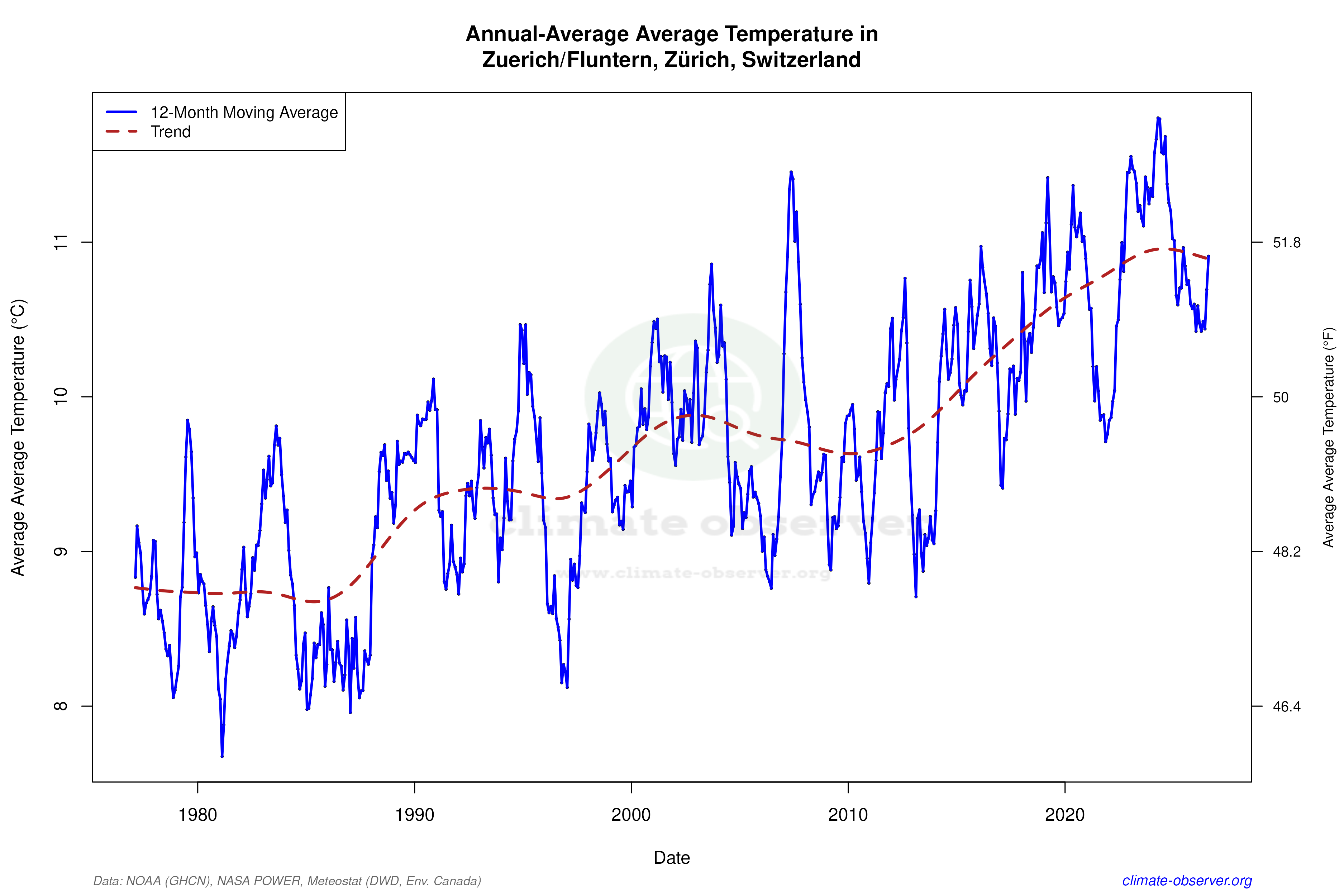
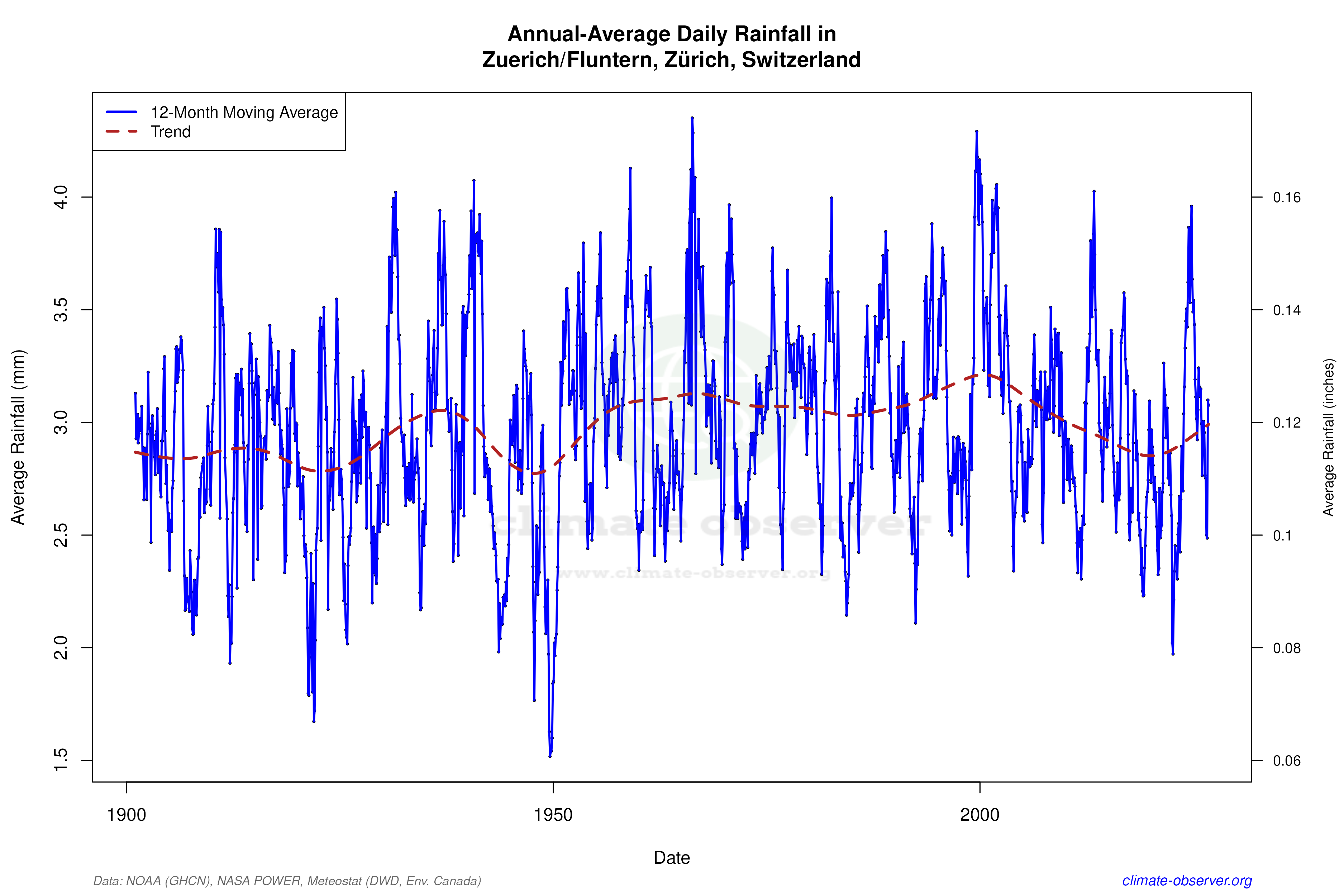
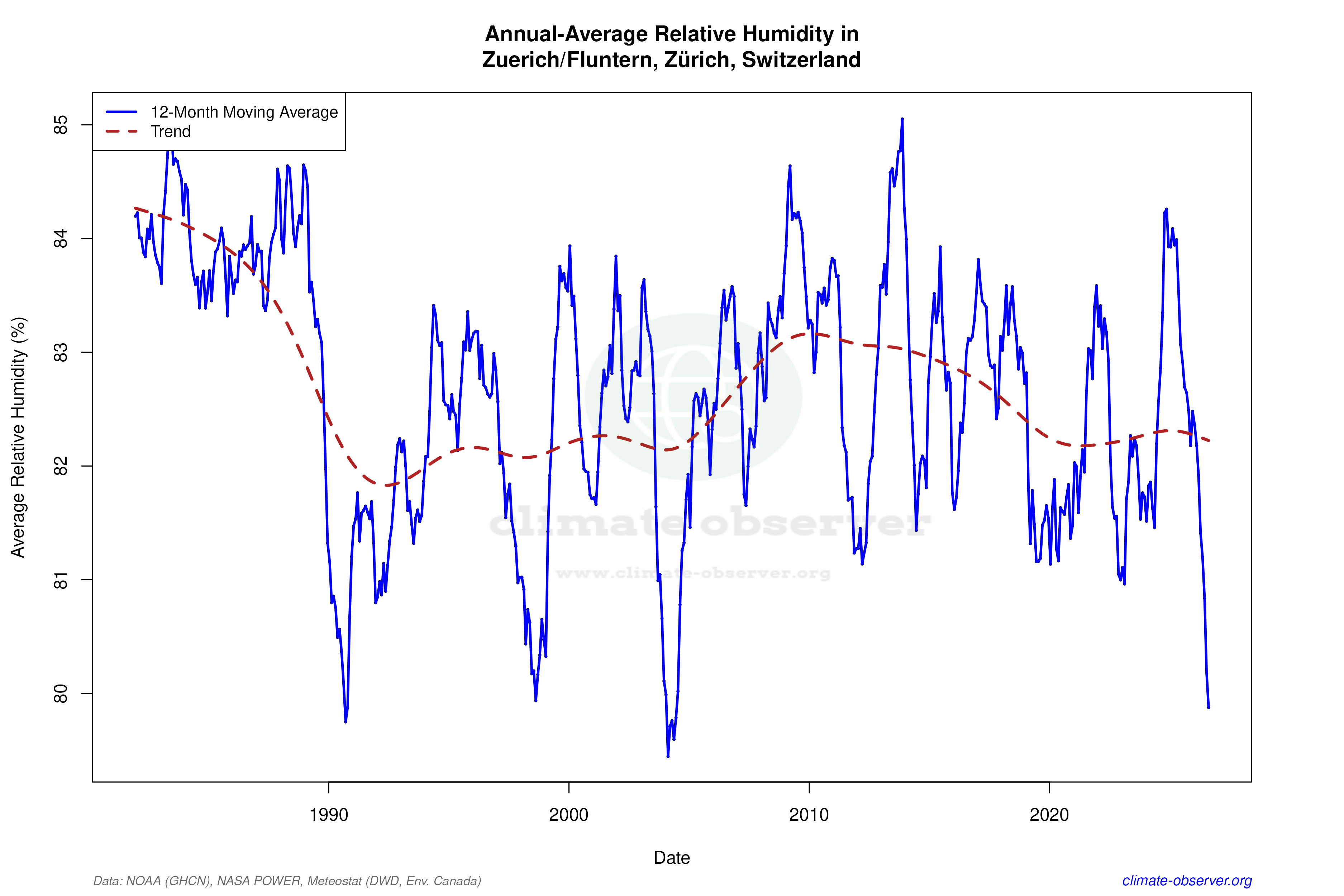

Max Temperature 12-Month MA | 1 of 6
Daily Data Points and Averages Throughout the Year
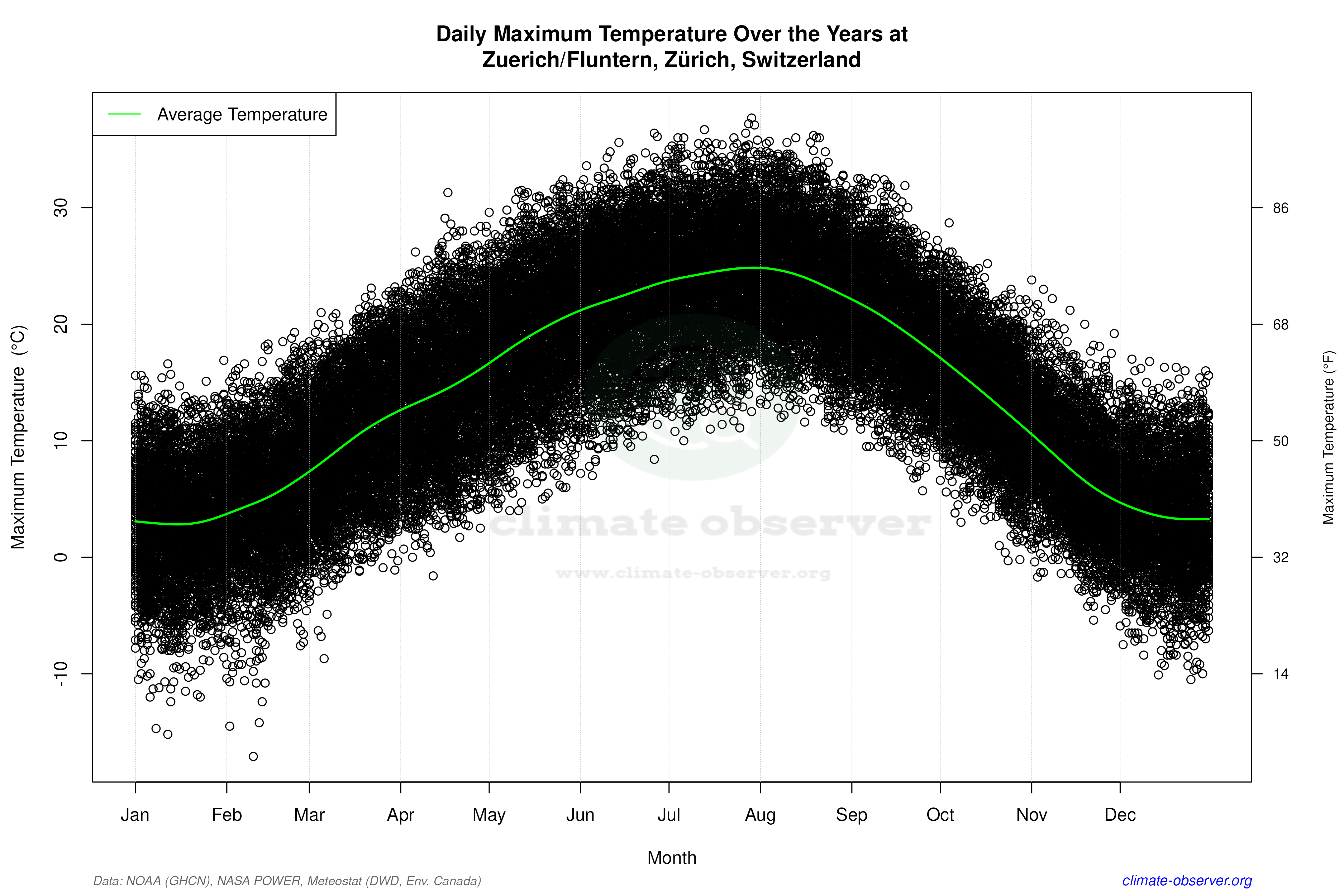
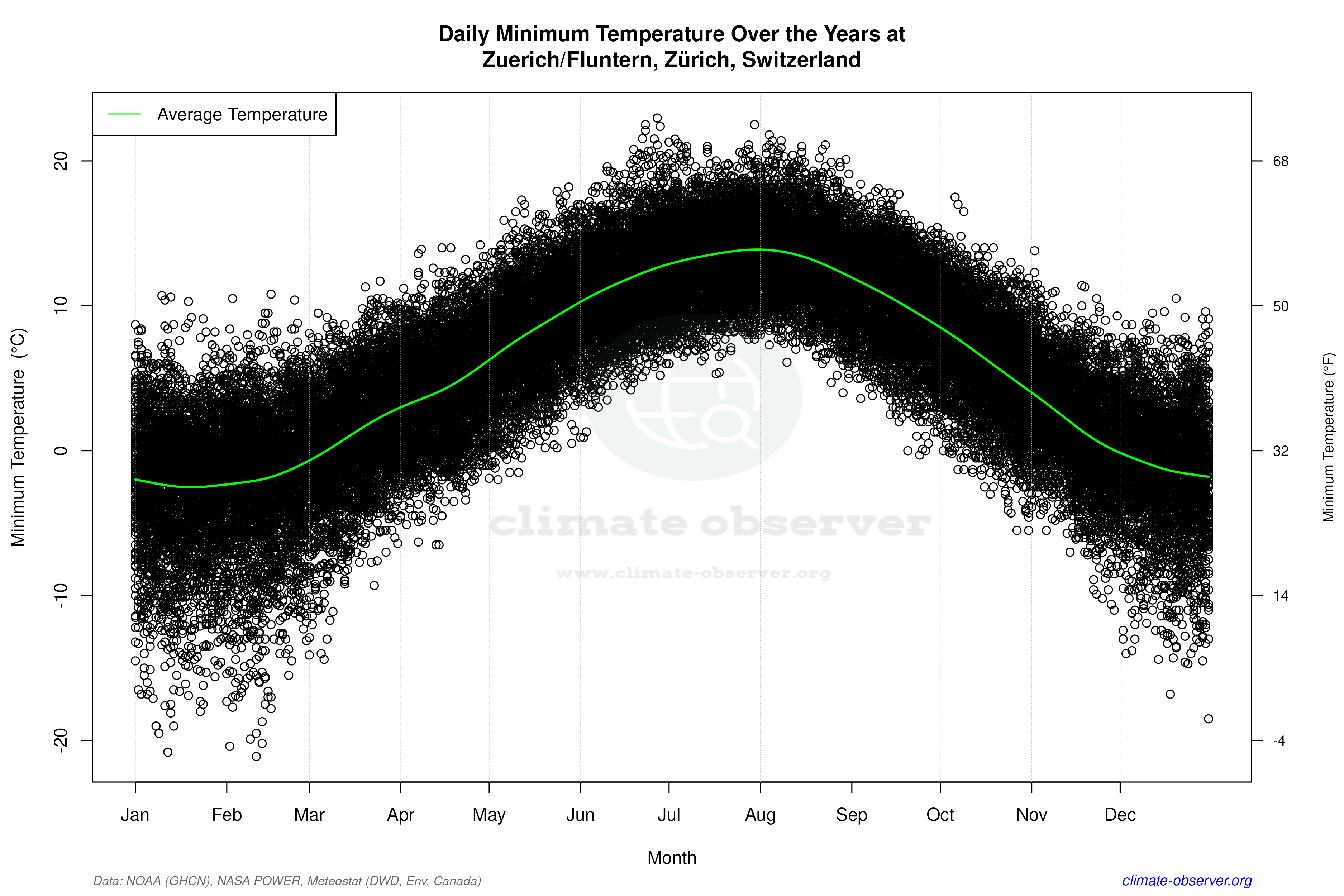
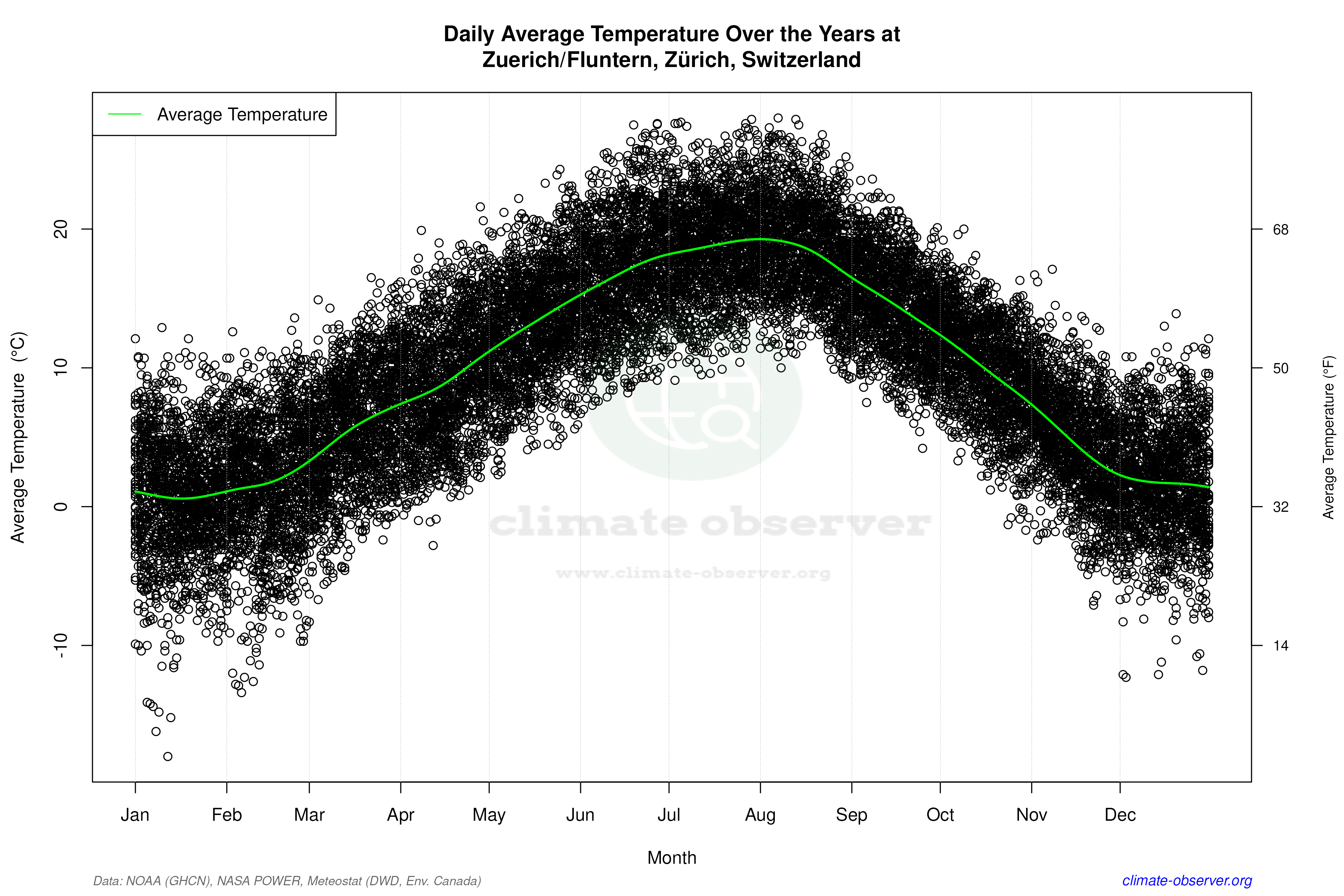
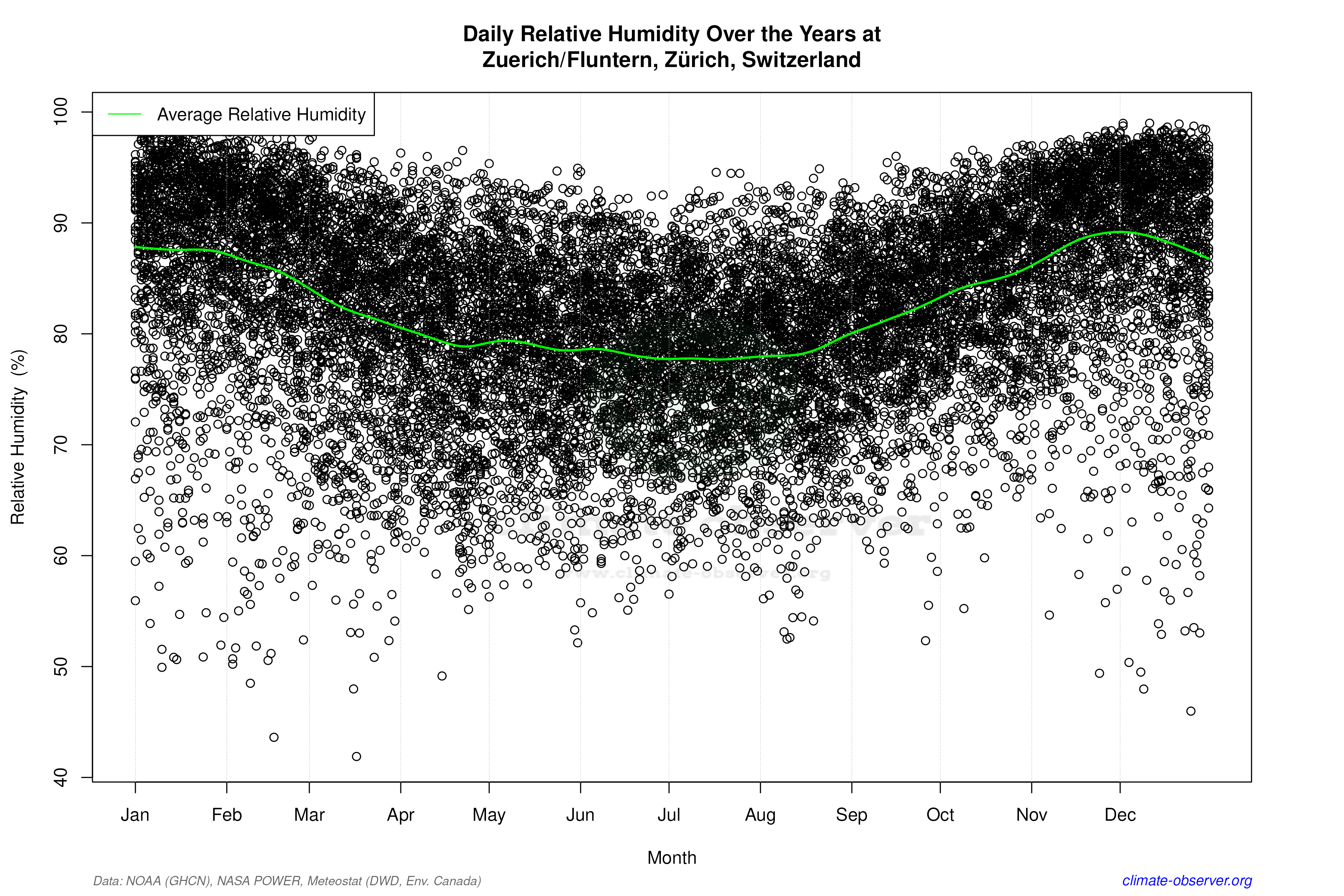

Average Max Temperature Throughout Year | 1 of 5


