Climate for Station: Harare (Kutsaga), Harare, Zimbabwe
Loading live weather...
Climate Analysis & Overview
Harare's climate profile reveals a nuanced interplay of warming lows and cooling highs, with a significant shift towards more evenly distributed precipitation. These trends are crucial for understanding the region's climate dynamics and informing Zimbabwe's climate resilience strategies.
Thermal Dynamics in Harare
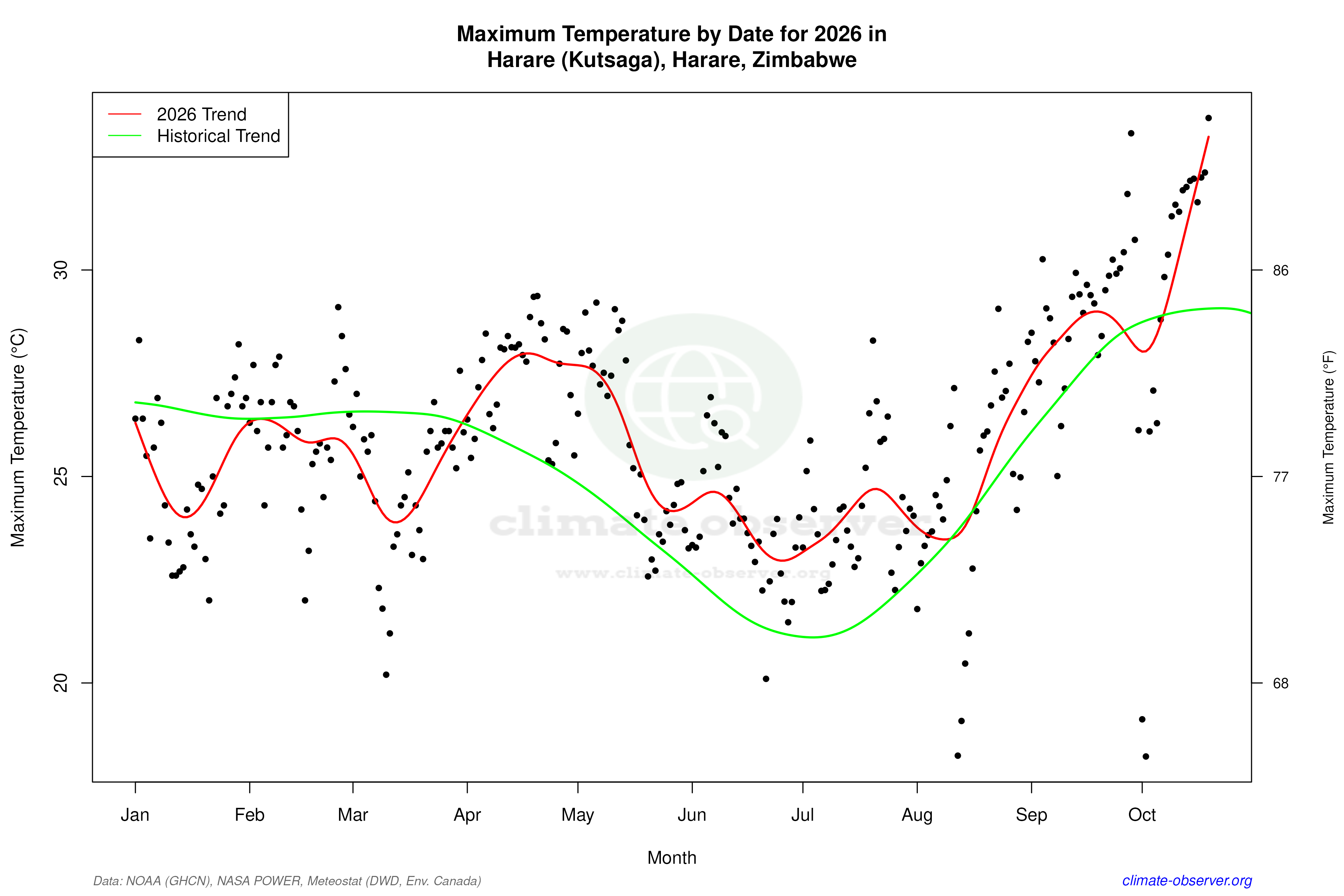
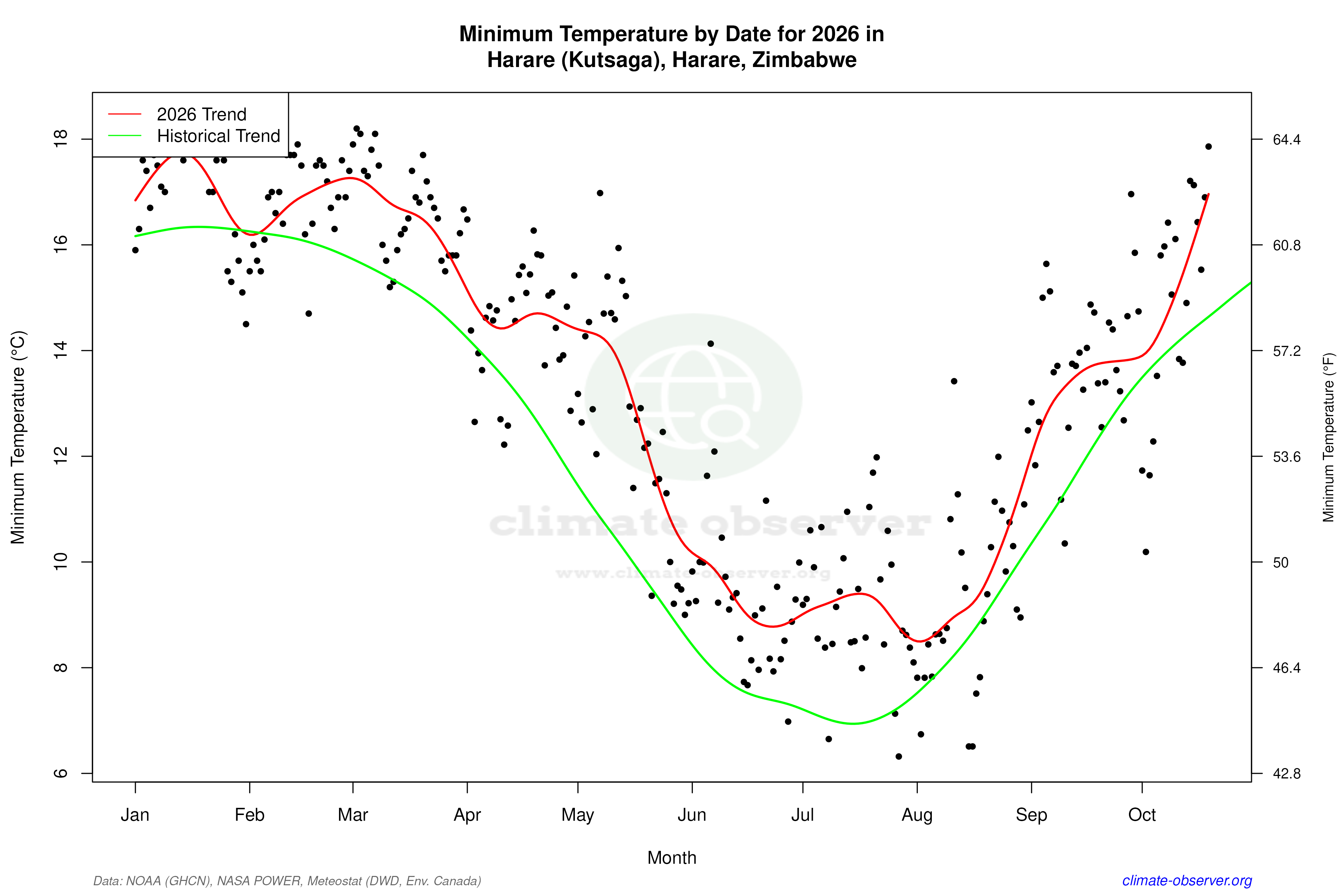
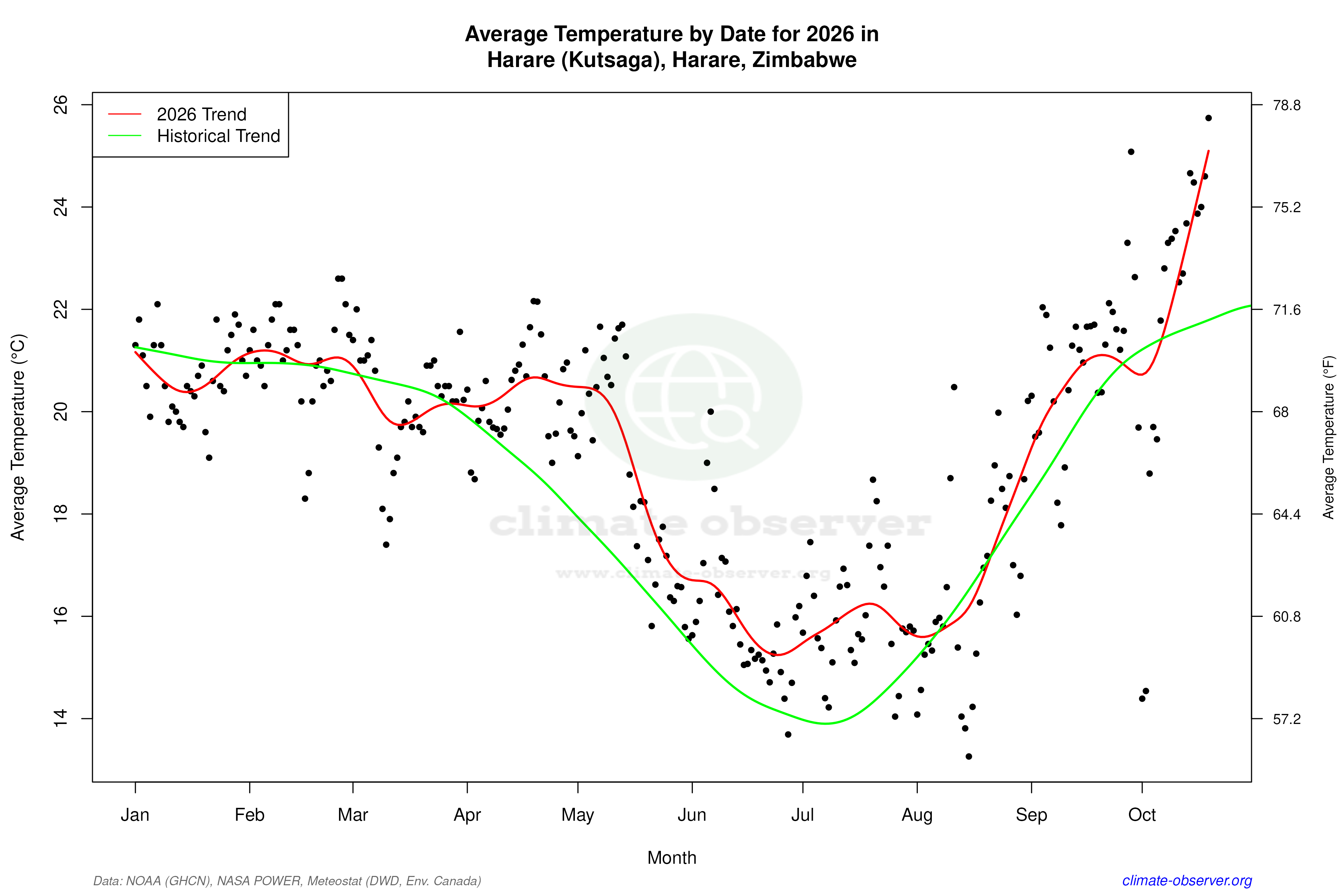
Harare, situated at -17.917° latitude and 31.133° longitude, experiences a subtropical highland climate, classified under the Köppen system as Cwb. This classification indicates mild temperatures with a distinct wet season. Over the past decade, the city has witnessed a cooling trend in high temperatures, with a decrease of 0.52°C (0.94°F). Conversely, low temperatures have risen by 0.99°C (1.78°F), suggesting a narrowing of the diurnal temperature range. This divergence between high and low temperature trends is significant, as it may influence local agriculture and energy consumption patterns.
Long-term Temperature Shifts
Examining the all-time temperature trends, Harare shows a slight warming of highs by 0.15°C (0.27°F) and lows by 0.19°C (0.34°F). These modest increases suggest a gradual warming trend over the long term, aligning with broader global climate patterns. The record temperatures for Harare stand at a maximum of 37.13°C (98.83°F) and a minimum of -2.6°C (27.32°F), highlighting the city's potential for temperature extremes despite its generally moderate climate.
Precipitation Patterns: A Shift Towards Even Distribution
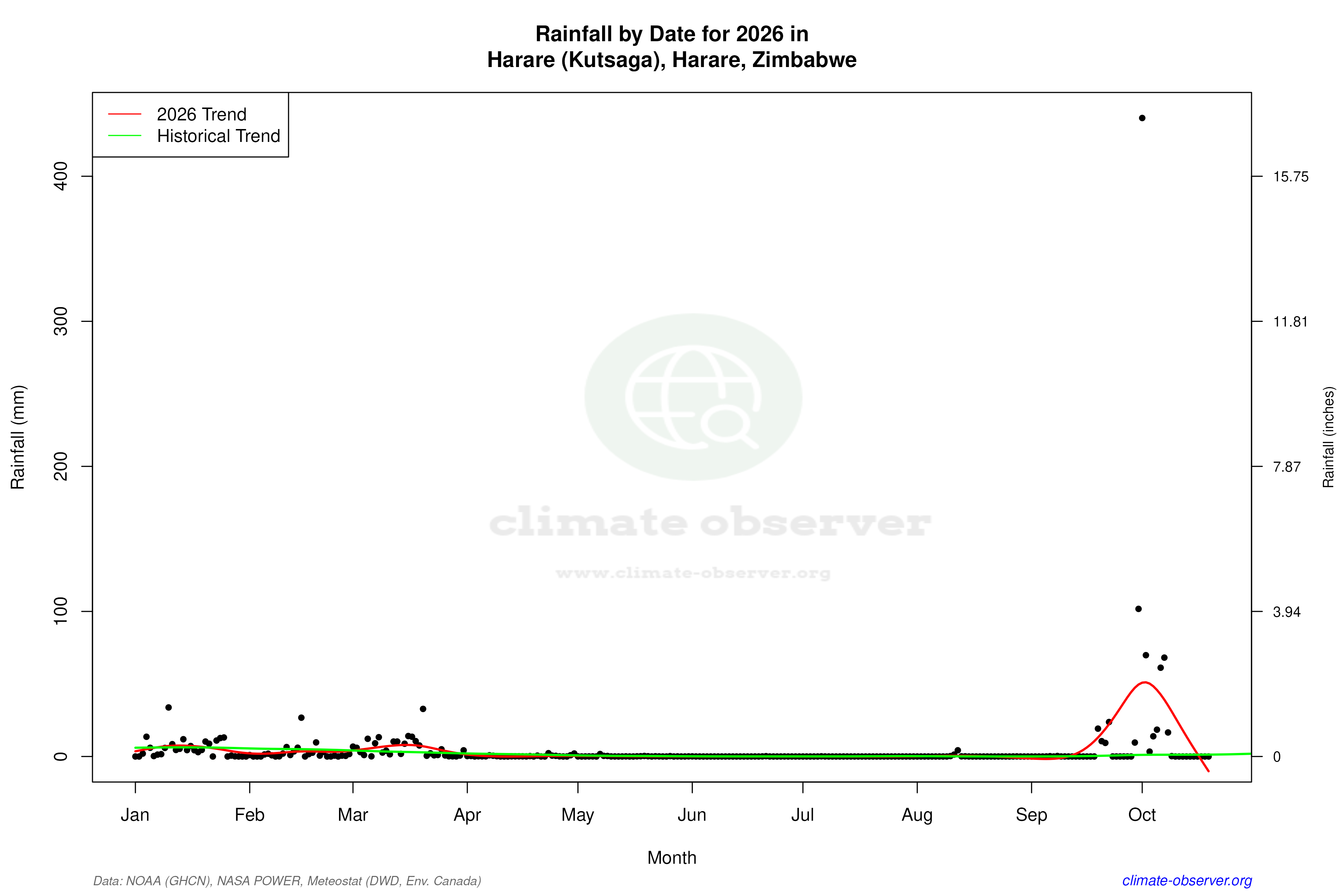
The Precipitation Concentration Index (PCI) for Harare has decreased from a baseline of 22.6 to a current value of 16.9. This significant change indicates that rainfall is now more evenly distributed throughout the year, reducing the risk of intense, concentrated rain events that can lead to flooding. This shift towards a more balanced precipitation pattern is crucial for water resource management and agricultural planning in the region.
Geographical Influences and Regional Implications
Harare's climate is influenced by its elevation and proximity to the Zambezi River basin, which moderates temperatures and contributes to its seasonal rainfall patterns. The city's climate trends are particularly relevant in the context of Zimbabwe's national climate goals, which focus on enhancing resilience to climate change impacts. Recent weather events, such as prolonged dry spells and unexpected cold snaps, underscore the importance of understanding these trends for effective policy-making and community preparedness.
Implications for Climate Resilience
The observed climate trends in Harare have significant implications for the city's infrastructure, agriculture, and water management systems. As Zimbabwe continues to develop strategies to mitigate and adapt to climate change, understanding these localised climate dynamics becomes increasingly important. The interplay of warming lows, cooling highs, and more evenly distributed precipitation offers both challenges and opportunities for building a resilient future.
Station Statistics
10-Year Trend
High: -1.10 °F/decade
Low: +0.96 °F/decade
Rain: +0.007 in/decade
25-Year Trend
High: -0.47 °F/decade
Low: +0.30 °F/decade
Rain: -0.001 in/decade
50-Year Trend
High: +0.36 °F/decade
Low: +0.02 °F/decade
Rain: -0.002 in/decade
All-Time Trend
High: +0.28 °F/decade
Low: +0.29 °F/decade
Rain: +0.000 in/decade
Percentage Above-Average Days
Last 12 Months: 50.7%
This Year: 68.2%
Precipitation Concentration Index (PCI) ℹ️
Last 12 Months: 22.8
Historical Average: 21.4
Percentile Rank of Last 12 Months ℹ️
High: 64th percentile
Low: 73rd percentile
Rain: 76th percentile
Change in Variance ℹ️
High: +4.5%
Low: +0.1%
Intraday: +16.3%
Data Coverage
94.0%
First Year of Data
1956
Station Location
Historical Weather Records
| Max High | Avg High | Min High | Max Avg | Avg Avg | Min Avg | Max Low | Avg Low | Min Low | Max Precipitation | Avg Precipitation | Max Snow | Avg Snow | |
|---|---|---|---|---|---|---|---|---|---|---|---|---|---|
| Record | 98.83 °F | — | 53.06 °F | 85.28 °F | — | 43.34 °F | 70.88 °F | — | 27.32 °F | 17.33 in | — | — | — |
| January | 96.69 °F | 79.82 °F | 63.32 °F | 80.06 °F | 69.90 °F | 59.54 °F | 66.92 °F | 61.33 °F | 49.28 °F | 4.86 in | 0.24 in | — | — |
| February | 98.51 °F | 79.64 °F | 62.96 °F | 80.42 °F | 69.64 °F | 59.18 °F | 70.43 °F | 60.90 °F | 50.18 °F | 4.09 in | 0.20 in | — | — |
| March | 95.52 °F | 79.76 °F | 64.94 °F | 79.88 °F | 68.85 °F | 56.30 °F | 67.28 °F | 59.22 °F | 44.51 °F | 3.15 in | 0.12 in | — | — |
| April | 91.54 °F | 78.07 °F | 59.54 °F | 78.44 °F | 66.17 °F | 52.52 °F | 66.20 °F | 55.44 °F | 40.46 °F | 4.25 in | 0.06 in | — | — |
| May | 88.45 °F | 74.85 °F | 57.38 °F | 75.74 °F | 62.17 °F | 43.34 °F | 62.56 °F | 49.98 °F | 37.04 °F | 6.93 in | 0.01 in | — | — |
| June | 81.86 °F | 71.05 °F | 53.06 °F | 70.52 °F | 58.25 °F | 45.68 °F | 60.08 °F | 45.79 °F | 27.32 °F | 0.60 in | 0.00 in | — | — |
| July | 83.84 °F | 70.84 °F | 55.04 °F | 71.42 °F | 57.62 °F | 43.34 °F | 57.02 °F | 44.69 °F | 32.18 °F | 6.56 in | 0.01 in | — | — |
| August | 89.78 °F | 75.61 °F | 56.84 °F | 82.40 °F | 62.05 °F | 45.32 °F | 63.14 °F | 47.79 °F | 33.98 °F | 1.01 in | 0.00 in | — | — |
| September | 96.01 °F | 81.63 °F | 57.38 °F | 81.68 °F | 67.91 °F | 48.92 °F | 66.20 °F | 53.48 °F | 37.42 °F | 4.01 in | 0.01 in | — | — |
| October | 98.06 °F | 84.12 °F | 60.26 °F | 85.28 °F | 70.98 °F | 53.96 °F | 70.34 °F | 57.95 °F | 41.18 °F | 17.33 in | 0.06 in | — | — |
| November | 98.83 °F | 82.53 °F | 56.84 °F | 82.94 °F | 71.30 °F | 53.96 °F | 69.98 °F | 60.46 °F | 42.98 °F | 2.55 in | 0.13 in | — | — |
| December | 97.56 °F | 80.32 °F | 61.16 °F | 83.12 °F | 70.13 °F | 58.46 °F | 70.88 °F | 61.30 °F | 50.00 °F | 5.12 in | 0.22 in | — | — |
Data Visualisations
Remove WatermarksCurrent Year Climate Trends vs Historical
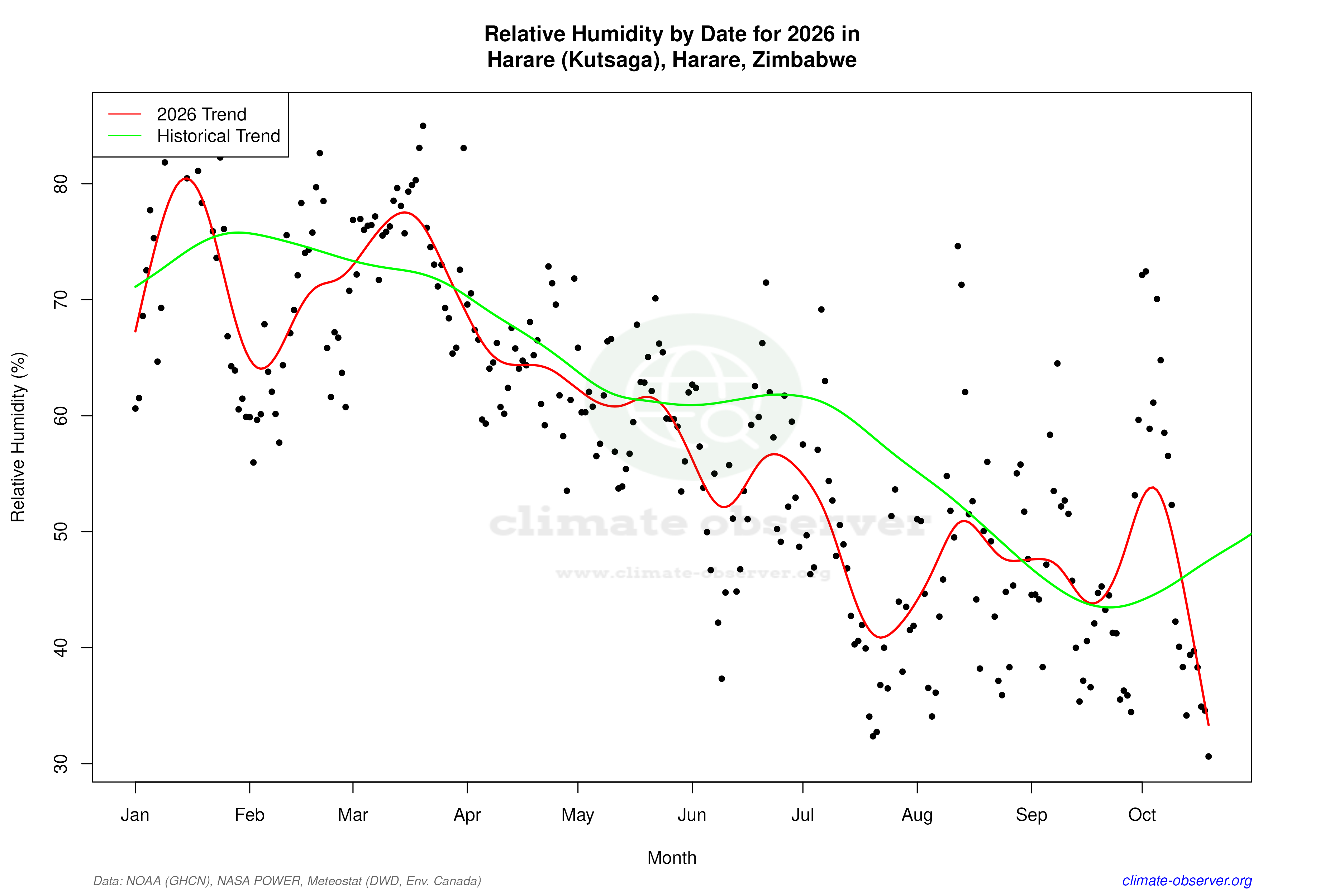

Max Temperature this Year | 1 of 6
Climate 12-Month Moving Averages
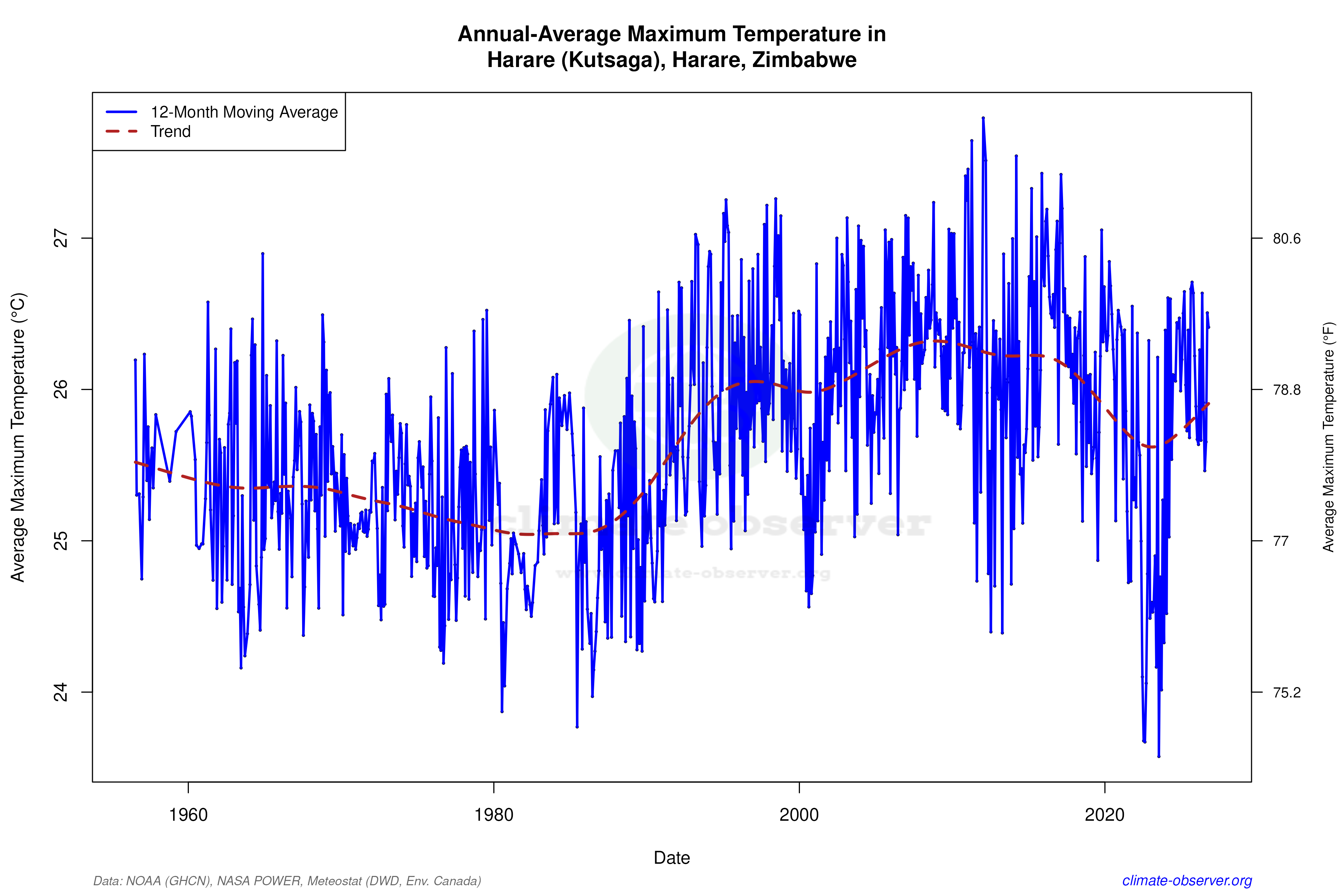
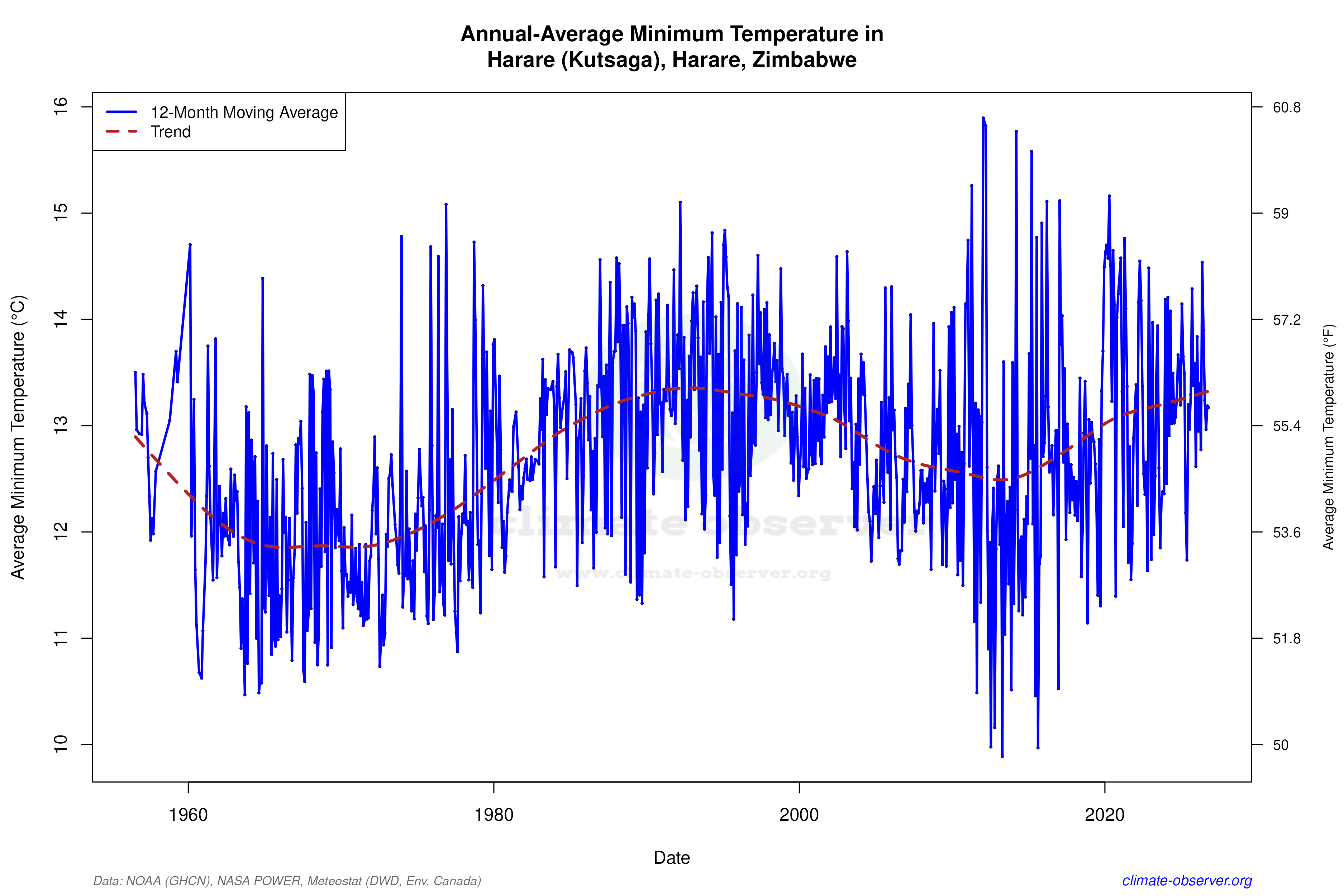
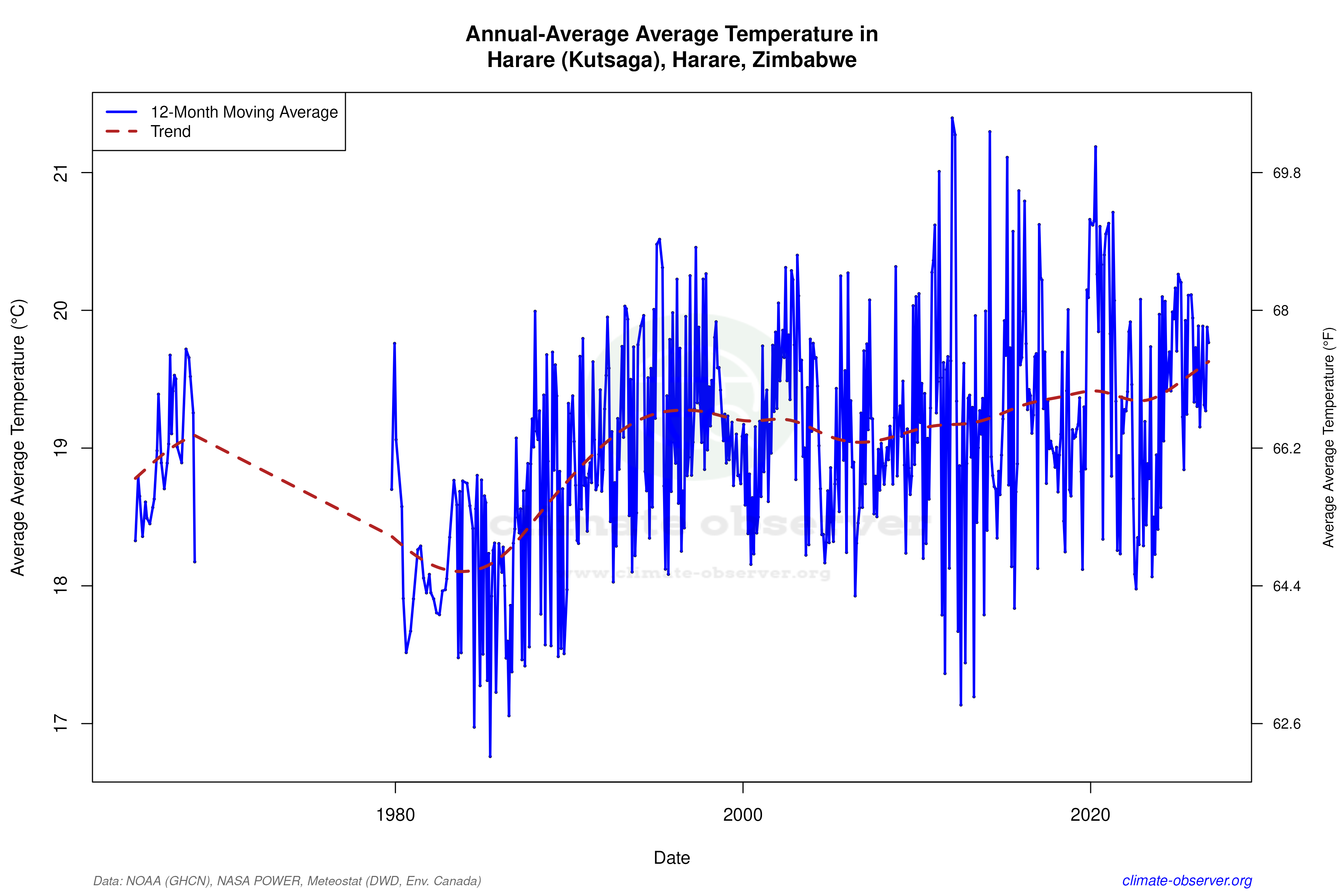
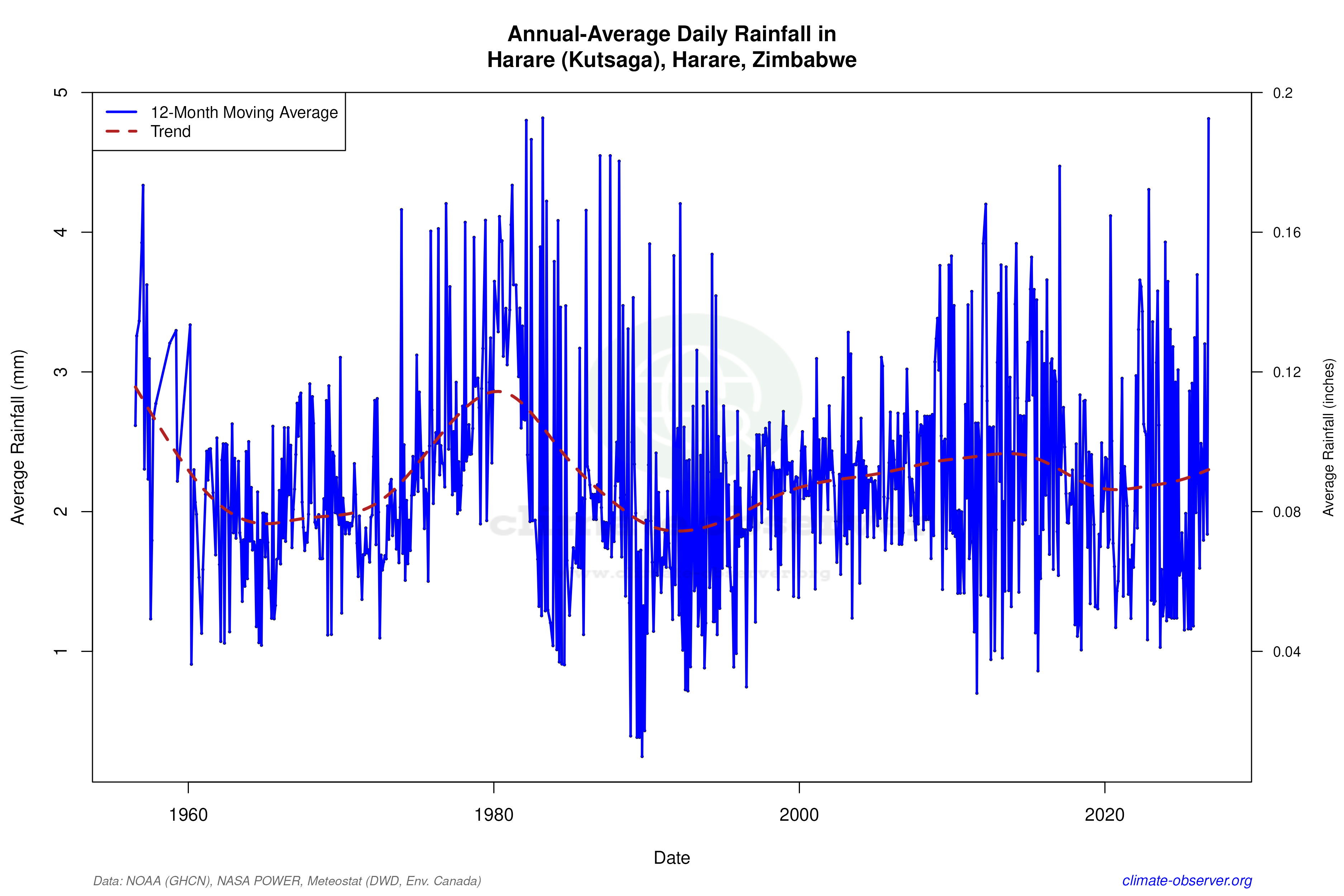
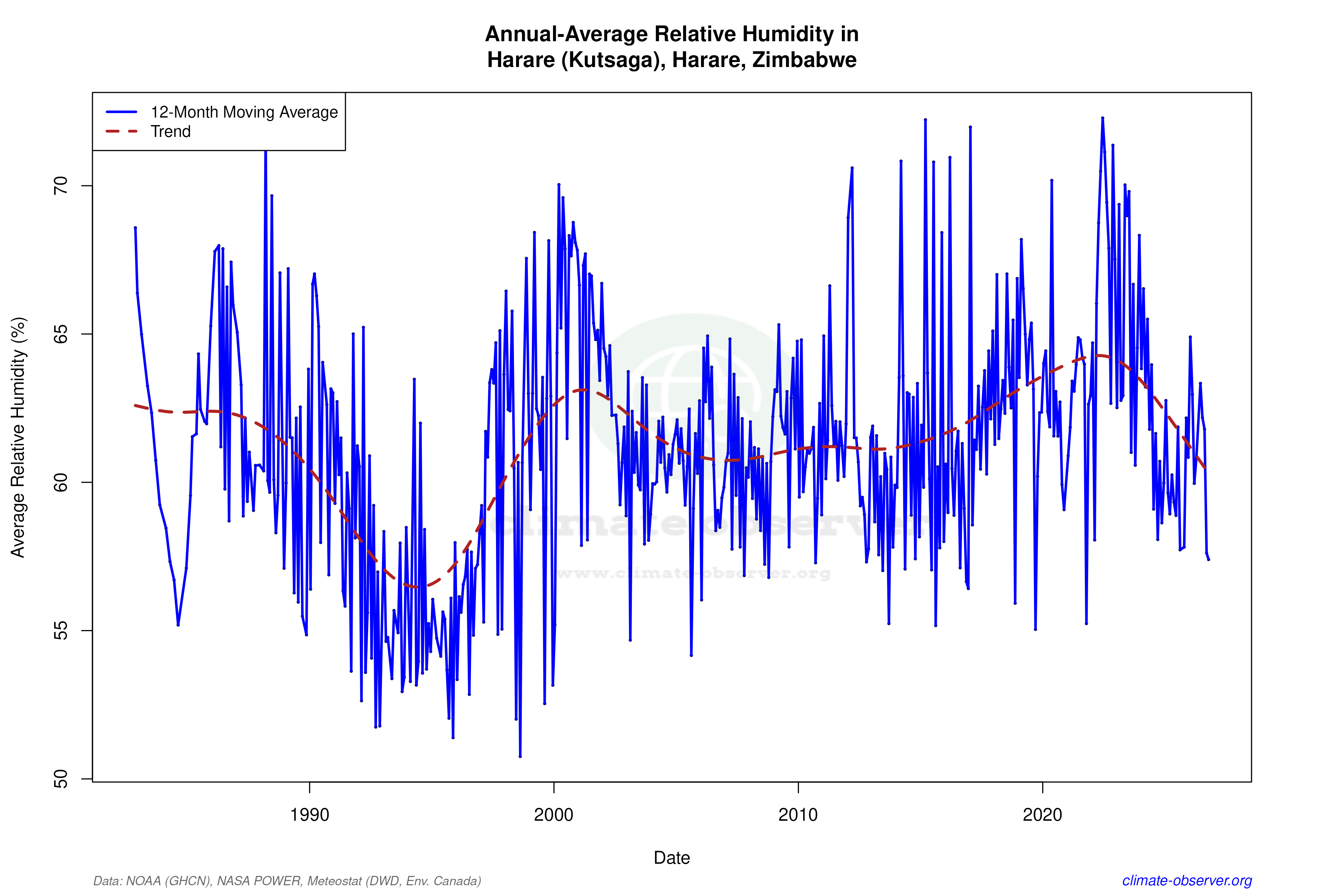

Max Temperature 12-Month MA | 1 of 6
Daily Data Points and Averages Throughout the Year
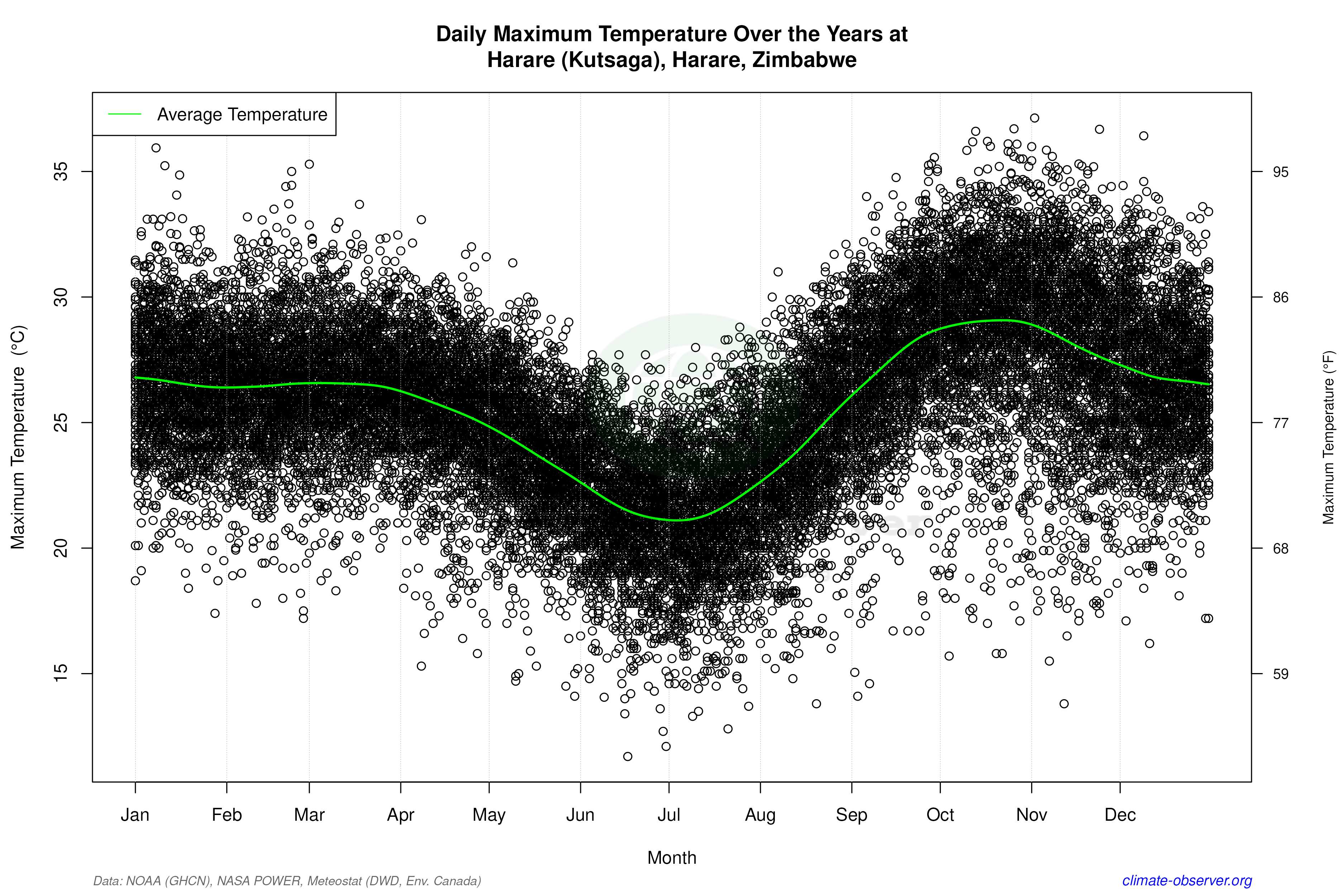
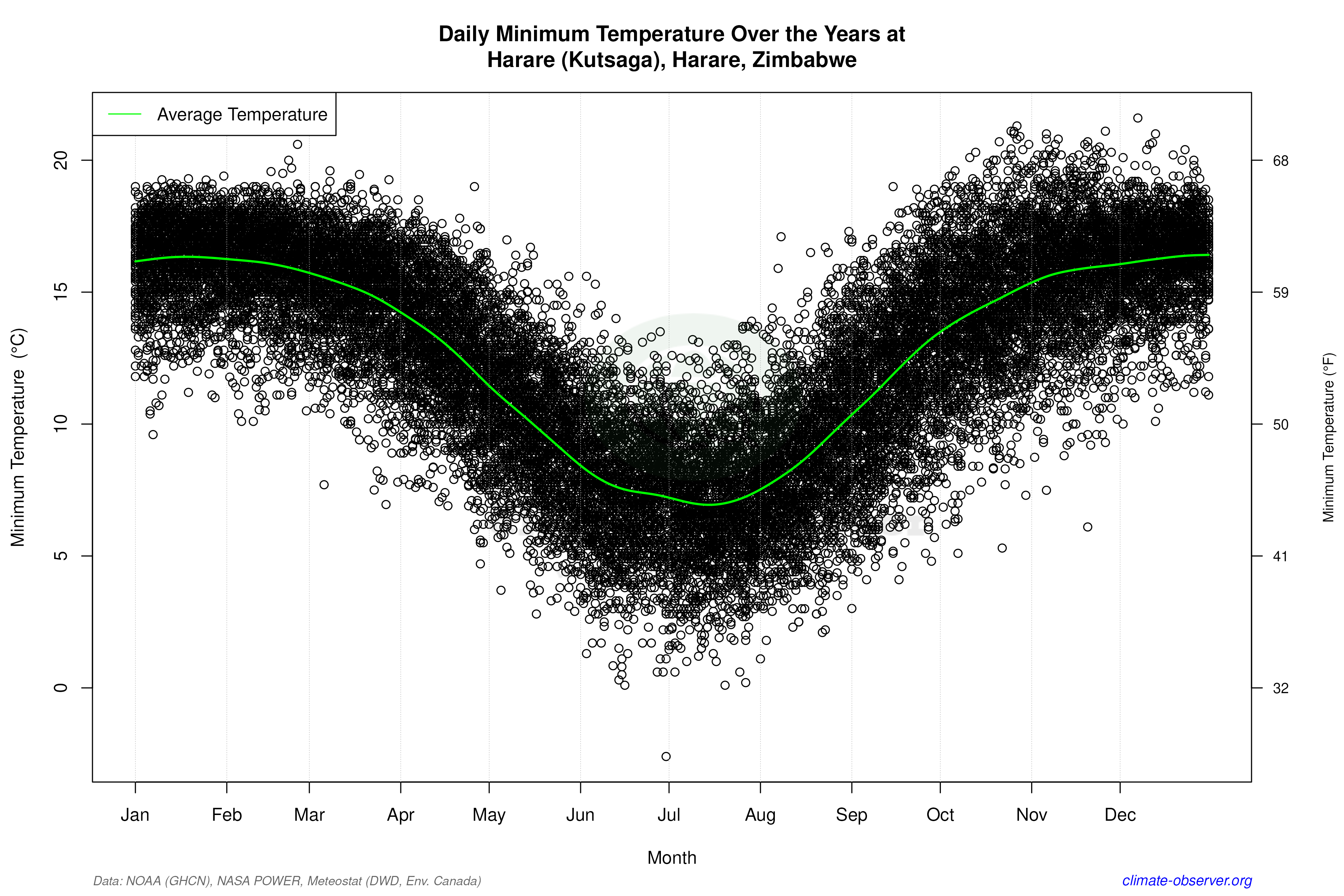
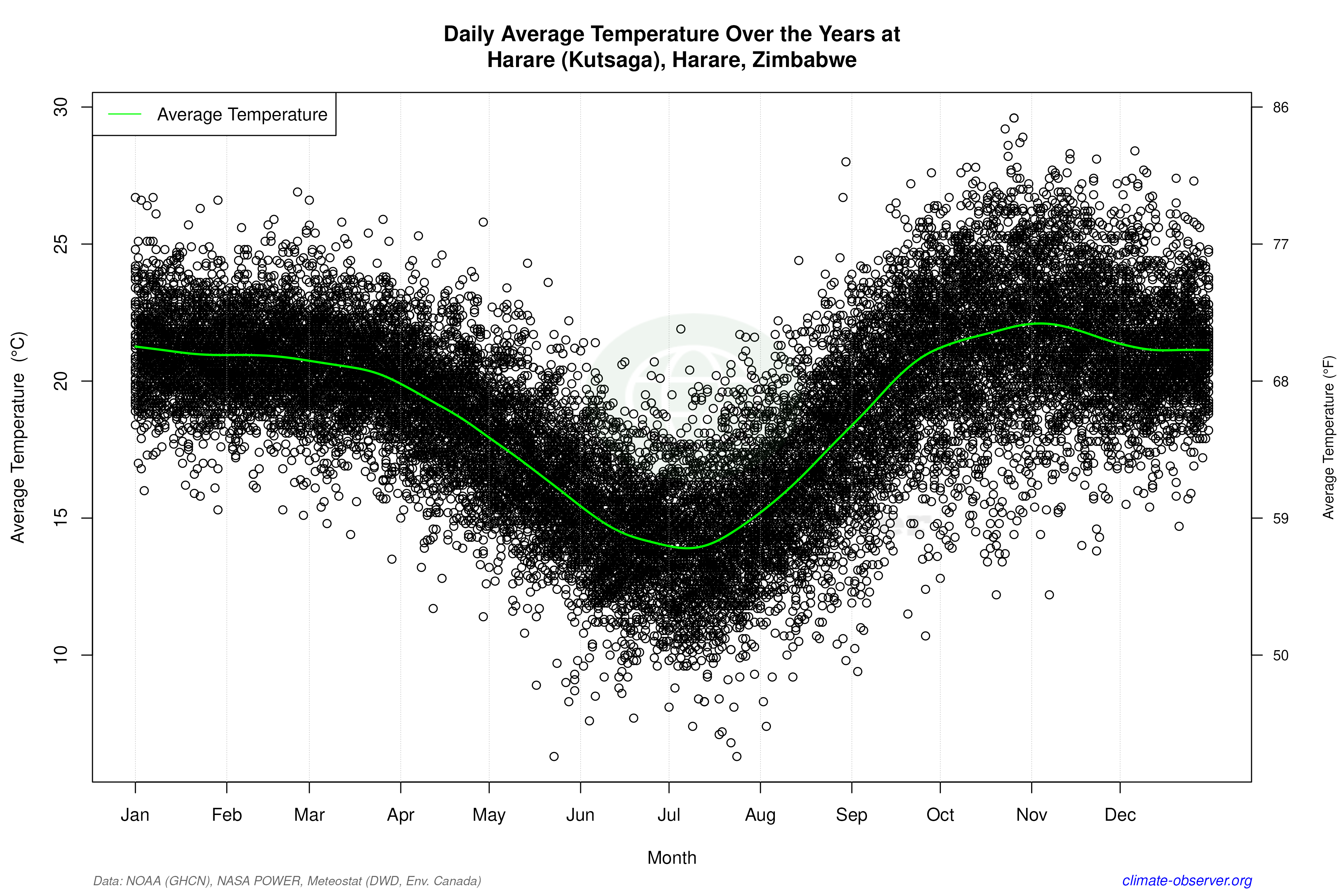
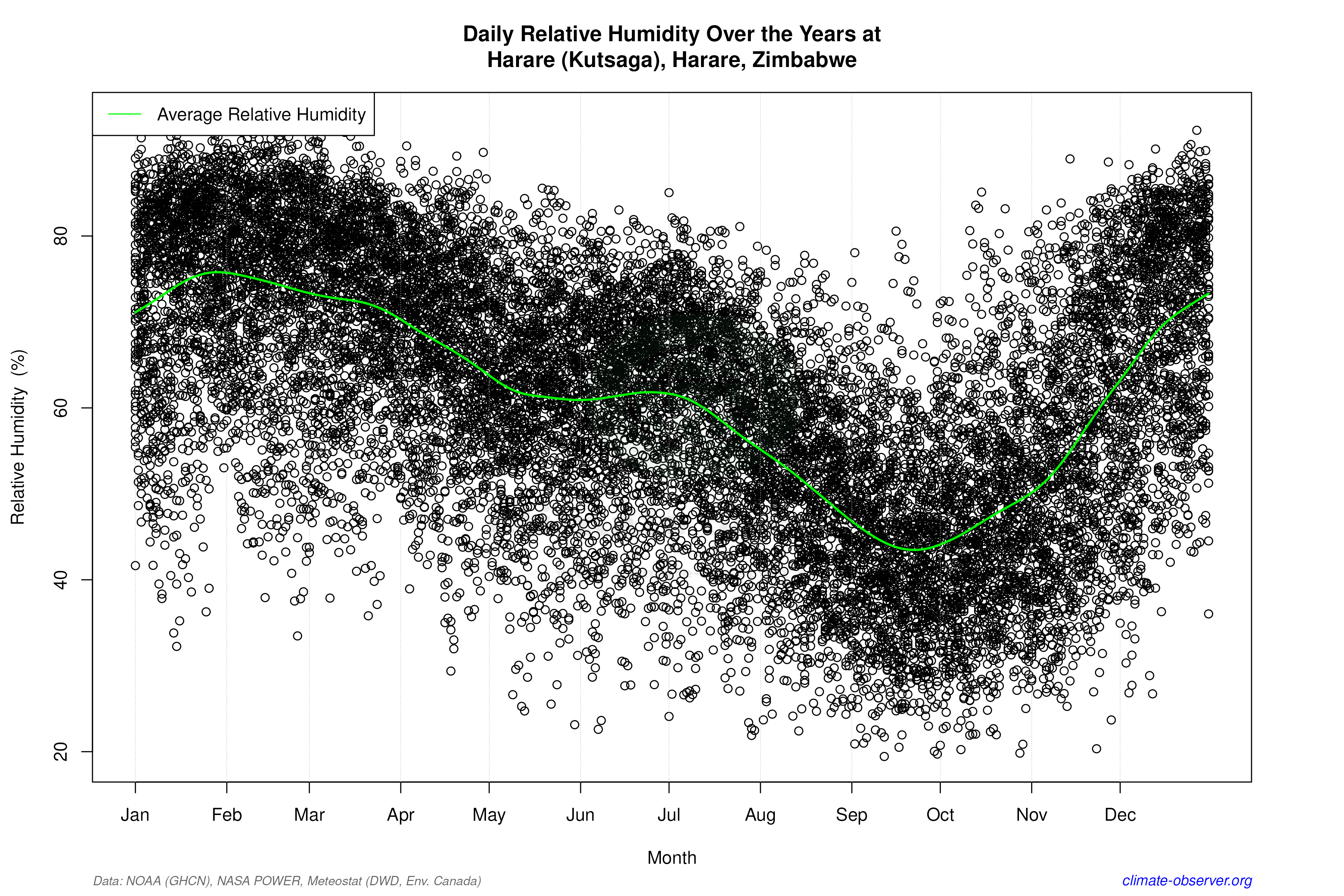

Average Max Temperature Throughout Year | 1 of 5

