Climate for Station: Chipinge, Manicaland, Zimbabwe
Loading live weather...
Climate Analysis & Overview
Chipinge, located in the Manicaland province of Zimbabwe, is experiencing a nuanced climate shift. While the long-term trend indicates a slight warming, recent decades have seen a notable cooling in temperature extremes, coupled with a more evenly distributed rainfall pattern.
Geographical and Climatic Context
Chipinge is situated in a region characterised by a Cwb Köppen climate classification, indicative of a subtropical highland climate with dry winters. Nestled near the Chimanimani Mountains, the local geography plays a significant role in moderating temperatures and influencing precipitation patterns. The elevation and proximity to mountainous terrain contribute to cooler temperatures compared to the lowland areas of Zimbabwe.
Temperature Trends: A Mixed Picture
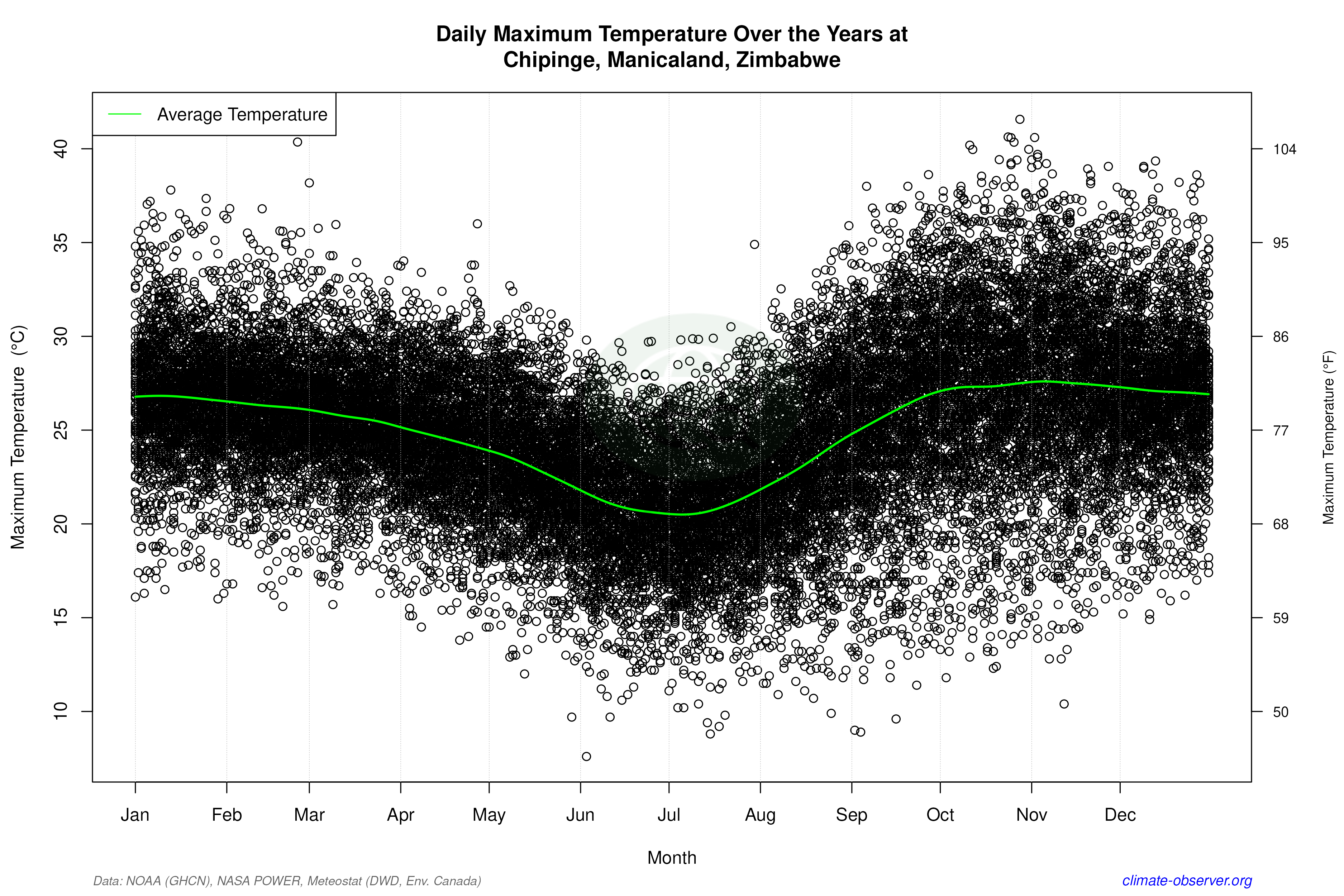
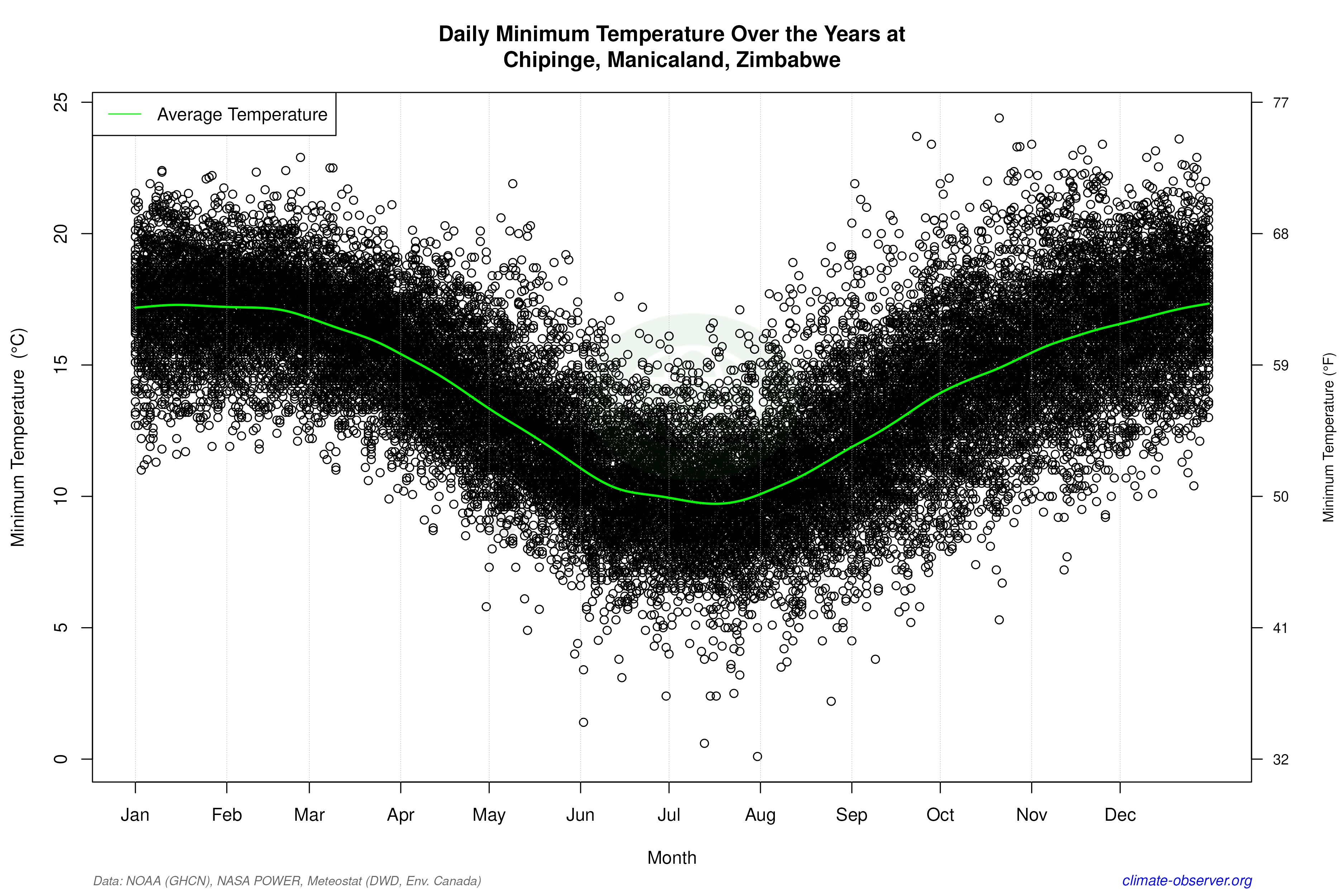
The all-time temperature trends for Chipinge reveal a mild warming, with highs increasing by 0.41°C (0.74°F) and lows by 0.11°C (0.20°F). However, the past decade paints a contrasting picture, with highs showing a cooling trend of -2.81°C (-5.06°F) and lows decreasing by -0.80°C (-1.44°F). This recent cooling could be attributed to localised climatic variations or broader regional weather patterns, potentially influenced by the geographical shielding effect of the nearby mountains.
Precipitation Patterns: Towards Even Distribution
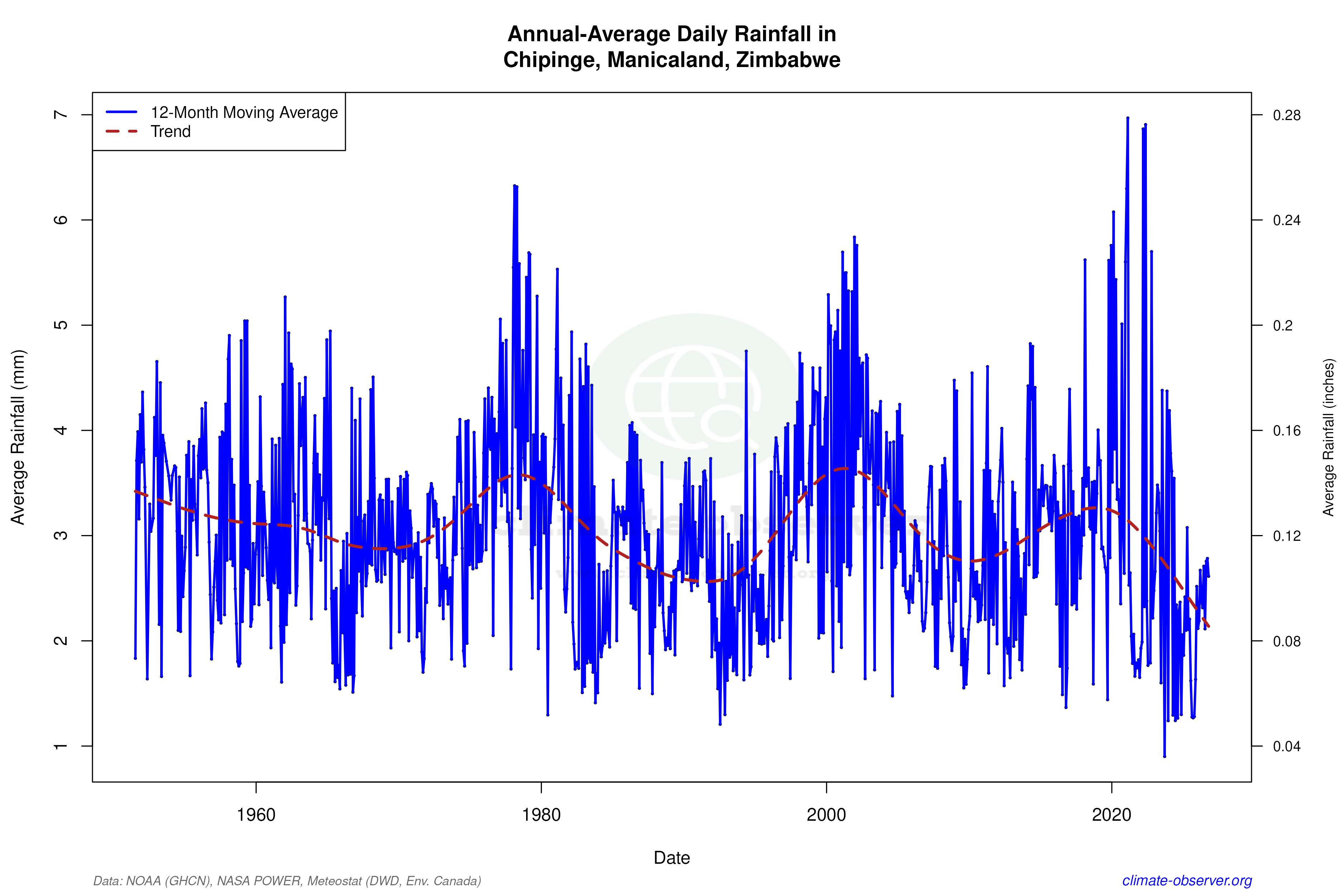
The Precipitation Concentration Index (PCI) for Chipinge has decreased from a baseline of 18.35 to a current value of 14.66. This indicates a shift towards more evenly distributed rainfall throughout the year, as a lower PCI suggests less concentration of rain in fewer events. This change can be beneficial for agriculture, reducing the risk of flood damage and promoting steady crop growth, aligning with Zimbabwe's regional climate goals of sustainable agricultural practices.
Temperature Extremes: Record Values
Chipinge's temperature records highlight the potential for extreme weather conditions, with a maximum temperature reaching 41.64°C (107.0°F) and a minimum of 0.1°C (32.2°F). These extremes underscore the variability inherent in the region's climate, where high temperatures can pose challenges to water resources and agriculture, while low temperatures can impact local biodiversity and crop resilience.
Implications and Regional Context
The climate data from Chipinge must be viewed within the broader context of Zimbabwe's climate objectives, which include enhancing climate resilience and adapting to environmental changes. The observed trends in Chipinge, particularly the recent cooling and improved rainfall distribution, offer insights into potential strategies for regional adaptation and resource management. As the country navigates these climatic shifts, understanding localised changes such as those in Chipinge can inform policy and community-level interventions.
Station Statistics
10-Year Trend
High: -4.17 °F/decade
Low: -1.44 °F/decade
Rain: -0.052 in/decade
25-Year Trend
High: -0.57 °F/decade
Low: +0.30 °F/decade
Rain: -0.010 in/decade
50-Year Trend
High: +0.79 °F/decade
Low: +0.23 °F/decade
Rain: -0.003 in/decade
All-Time Trend
High: +0.67 °F/decade
Low: +0.16 °F/decade
Rain: -0.001 in/decade
Percentage Above-Average Days
Last 12 Months: 55.3%
This Year: 70.9%
Precipitation Concentration Index (PCI) ℹ️
Last 12 Months: 16.3
Historical Average: 17.3
Percentile Rank of Last 12 Months ℹ️
High: 60th percentile
Low: 74th percentile
Rain: 24th percentile
Change in Variance ℹ️
High: +1.6%
Low: +6.2%
Intraday: +16.9%
Data Coverage
93.6%
First Year of Data
1952
Station Location
Historical Weather Records
| Max High | Avg High | Min High | Max Avg | Avg Avg | Min Avg | Max Low | Avg Low | Min Low | Max Precipitation | Avg Precipitation | Max Snow | Avg Snow | |
|---|---|---|---|---|---|---|---|---|---|---|---|---|---|
| Record | 106.95 °F | — | 45.68 °F | 90.68 °F | — | 43.70 °F | 75.92 °F | — | 32.18 °F | 7.09 in | — | — | — |
| January | 100.04 °F | 80.13 °F | 60.80 °F | 85.10 °F | 71.85 °F | 58.10 °F | 72.32 °F | 63.05 °F | 51.80 °F | 7.09 in | 0.28 in | — | — |
| February | 106.95 °F | 79.32 °F | 60.08 °F | 88.52 °F | 71.08 °F | 58.46 °F | 73.22 °F | 62.80 °F | 53.24 °F | 6.93 in | 0.28 in | — | — |
| March | 100.72 °F | 78.27 °F | 60.26 °F | 83.30 °F | 69.77 °F | 58.28 °F | 72.50 °F | 61.16 °F | 49.82 °F | 4.45 in | 0.18 in | — | — |
| April | 96.80 °F | 76.10 °F | 56.84 °F | 80.96 °F | 66.81 °F | 54.32 °F | 68.54 °F | 58.01 °F | 42.44 °F | 4.92 in | 0.08 in | — | — |
| May | 90.86 °F | 73.42 °F | 49.46 °F | 79.88 °F | 63.41 °F | 47.48 °F | 71.42 °F | 54.10 °F | 39.20 °F | 2.94 in | 0.03 in | — | — |
| June | 85.64 °F | 69.80 °F | 45.68 °F | 78.80 °F | 59.88 °F | 43.70 °F | 63.68 °F | 50.61 °F | 34.52 °F | 1.70 in | 0.03 in | — | — |
| July | 94.82 °F | 69.50 °F | 47.84 °F | 75.02 °F | 59.23 °F | 45.14 °F | 62.78 °F | 49.63 °F | 32.18 °F | 1.90 in | 0.03 in | — | — |
| August | 96.62 °F | 73.87 °F | 49.82 °F | 83.30 °F | 63.00 °F | 47.48 °F | 67.10 °F | 51.64 °F | 35.96 °F | 1.95 in | 0.02 in | — | — |
| September | 101.52 °F | 78.71 °F | 48.02 °F | 88.34 °F | 67.63 °F | 46.40 °F | 74.66 °F | 55.15 °F | 38.84 °F | 1.38 in | 0.03 in | — | — |
| October | 106.83 °F | 81.17 °F | 53.24 °F | 90.39 °F | 70.25 °F | 48.92 °F | 75.92 °F | 58.34 °F | 41.54 °F | 2.55 in | 0.06 in | — | — |
| November | 105.08 °F | 81.51 °F | 50.72 °F | 87.98 °F | 71.91 °F | 50.72 °F | 74.12 °F | 60.96 °F | 44.96 °F | 4.35 in | 0.15 in | — | — |
| December | 102.83 °F | 80.76 °F | 58.82 °F | 90.68 °F | 72.11 °F | 56.84 °F | 74.48 °F | 62.54 °F | 50.00 °F | 5.47 in | 0.26 in | — | — |
Data Visualisations
Remove WatermarksCurrent Year Climate Trends vs Historical
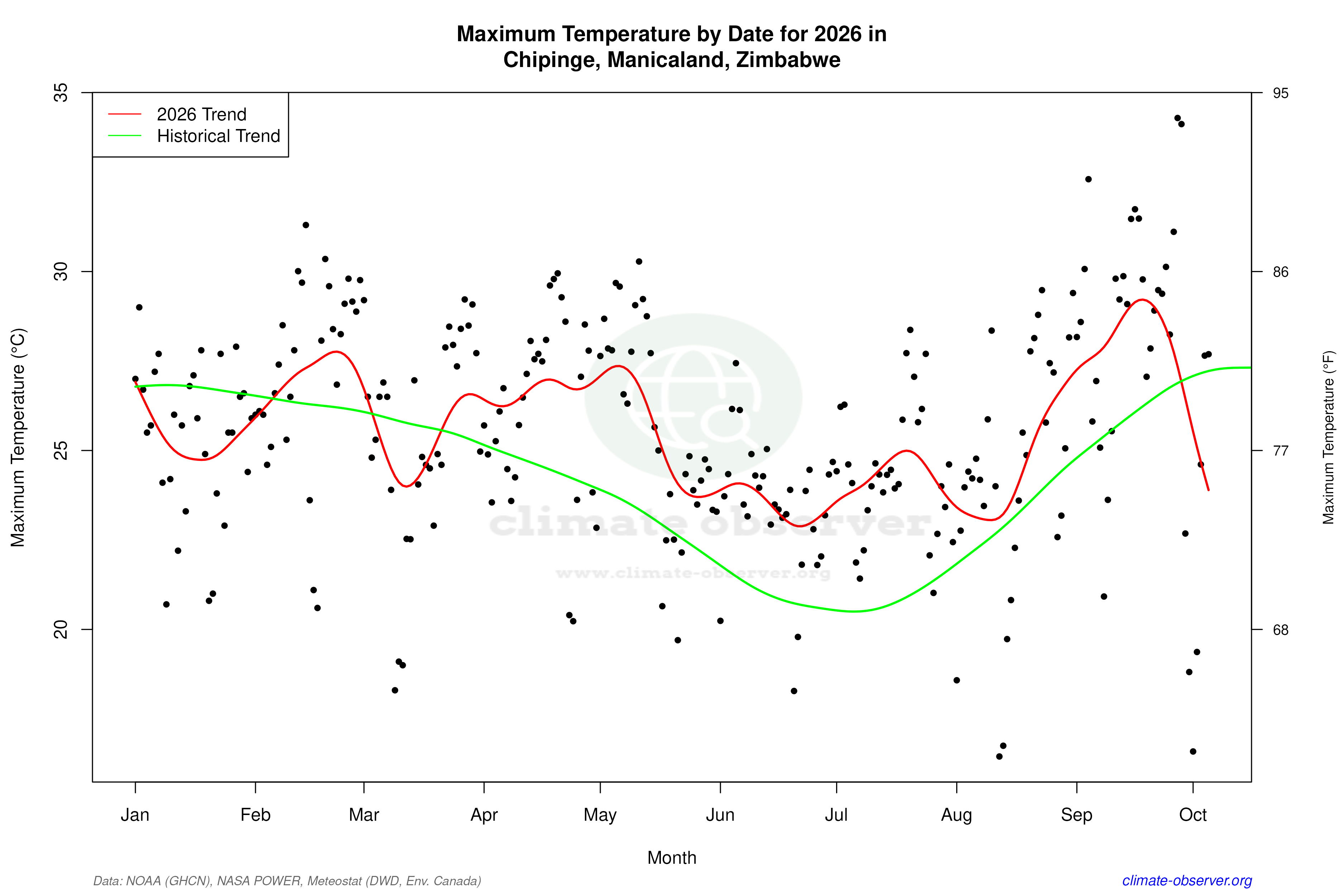
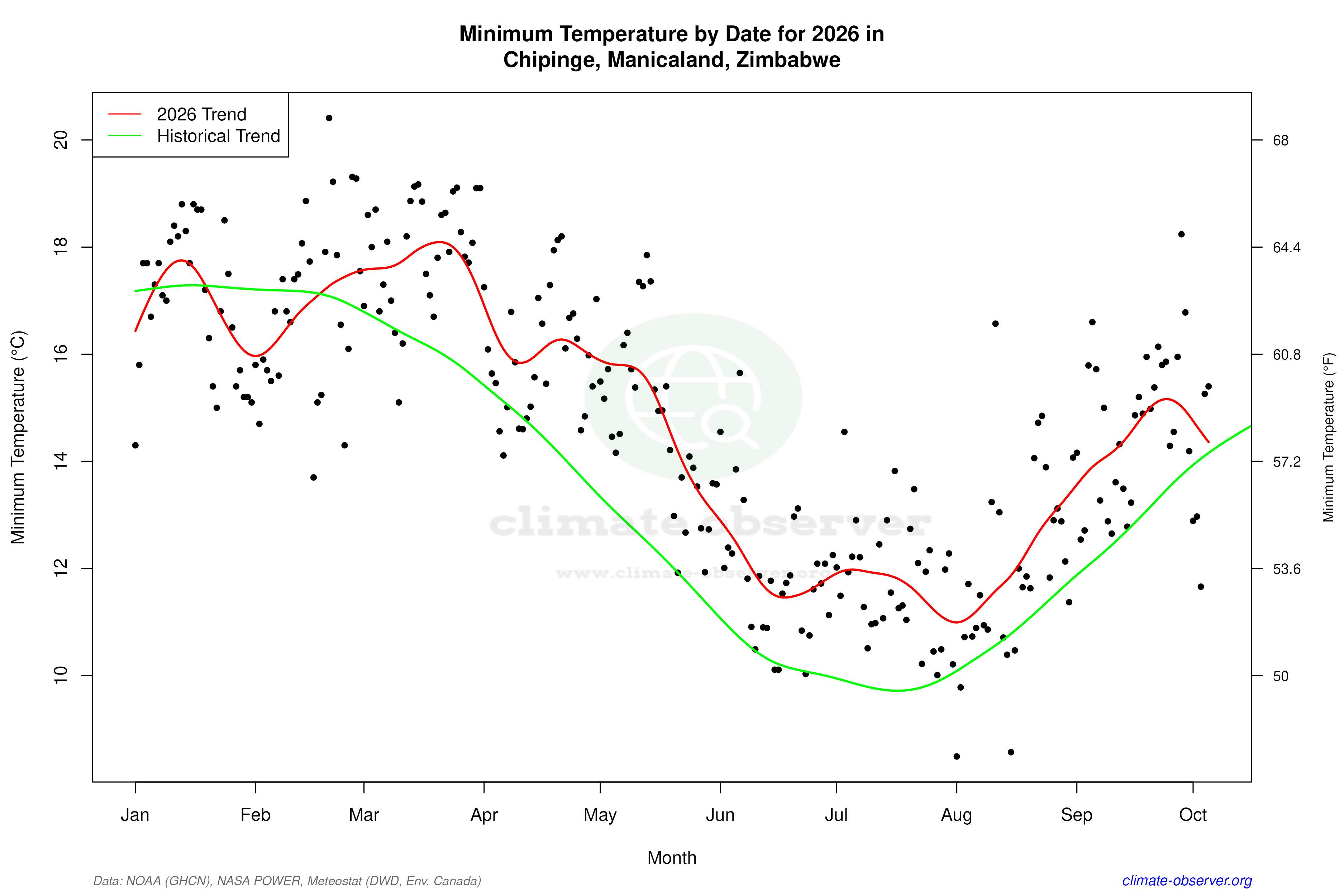
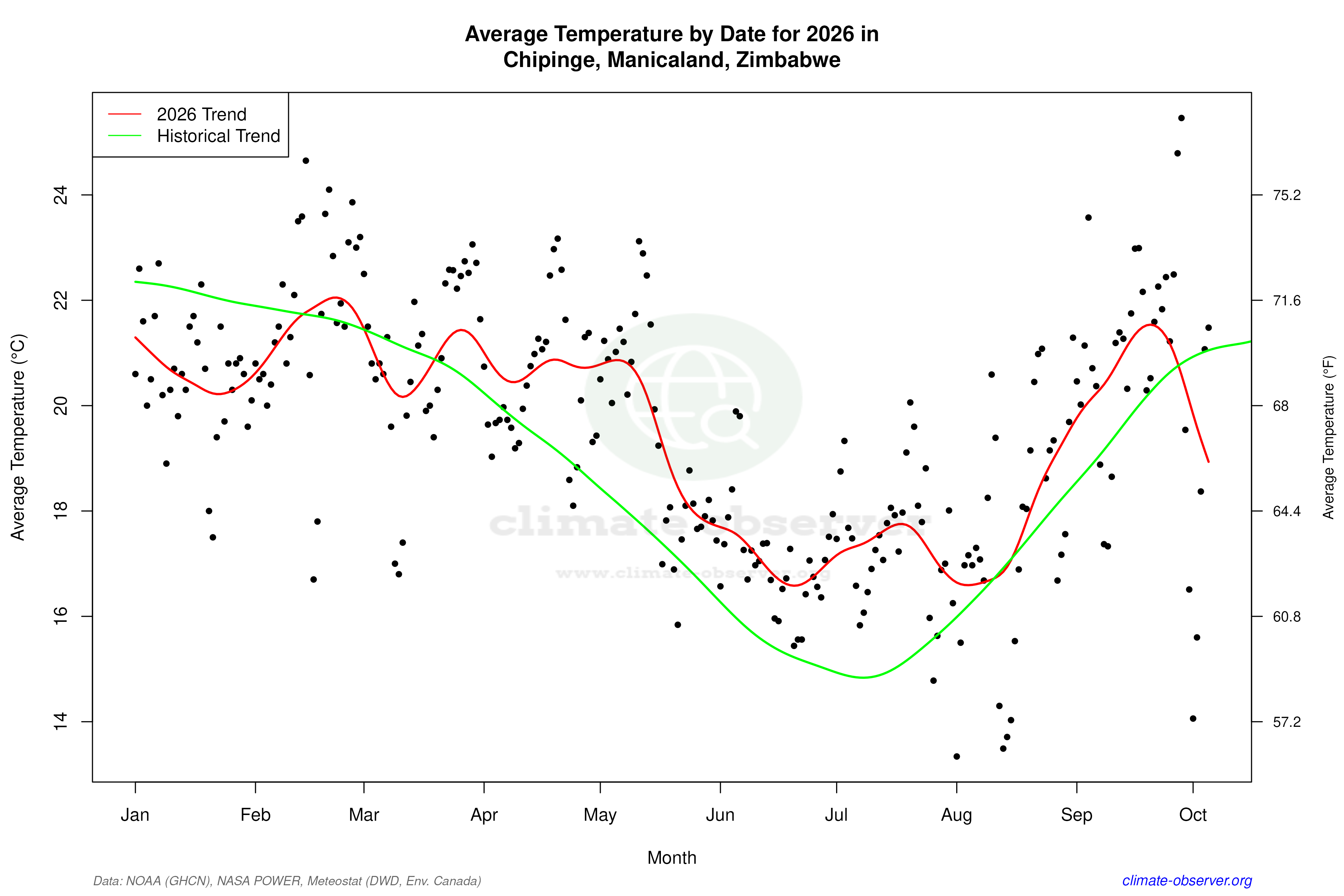
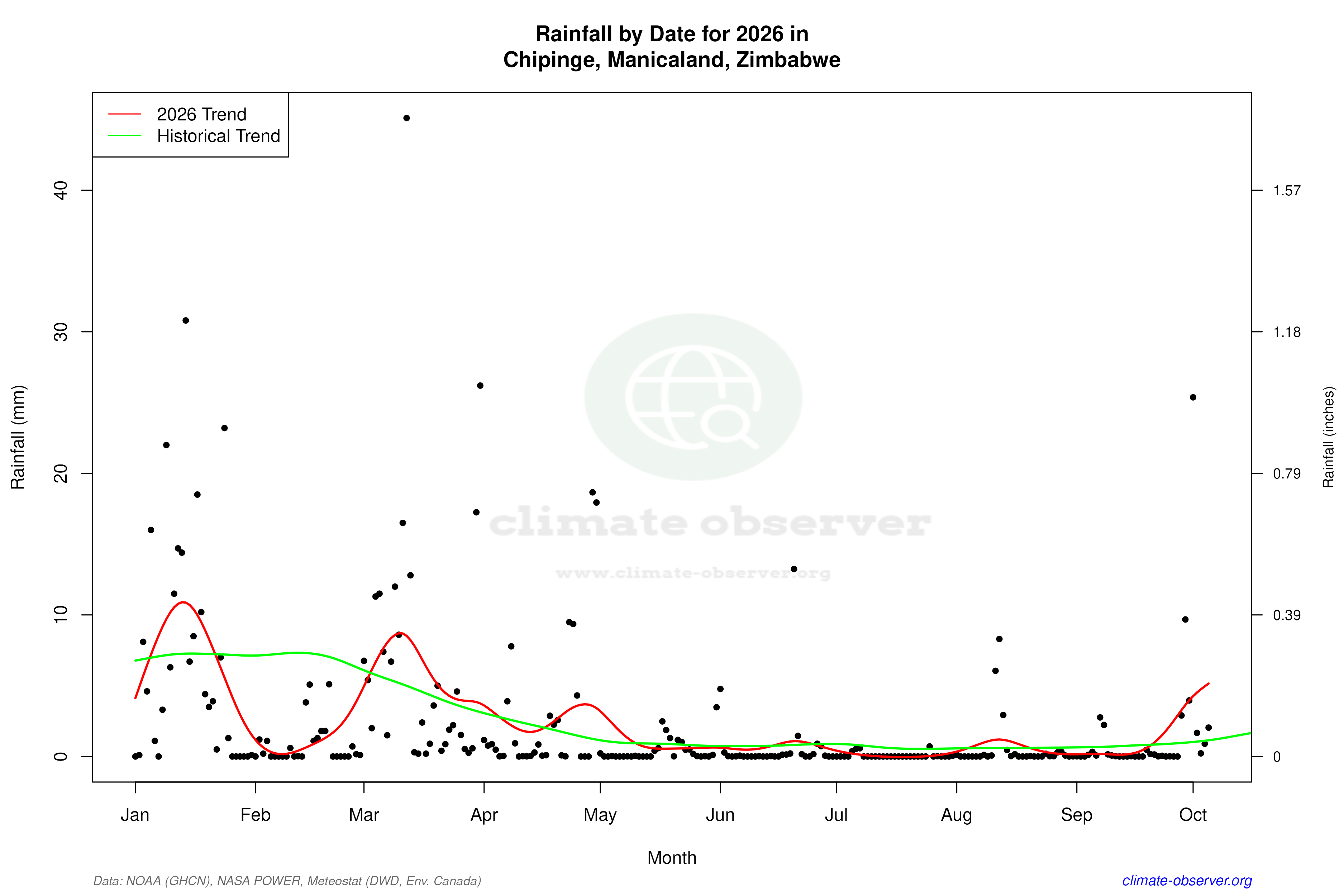
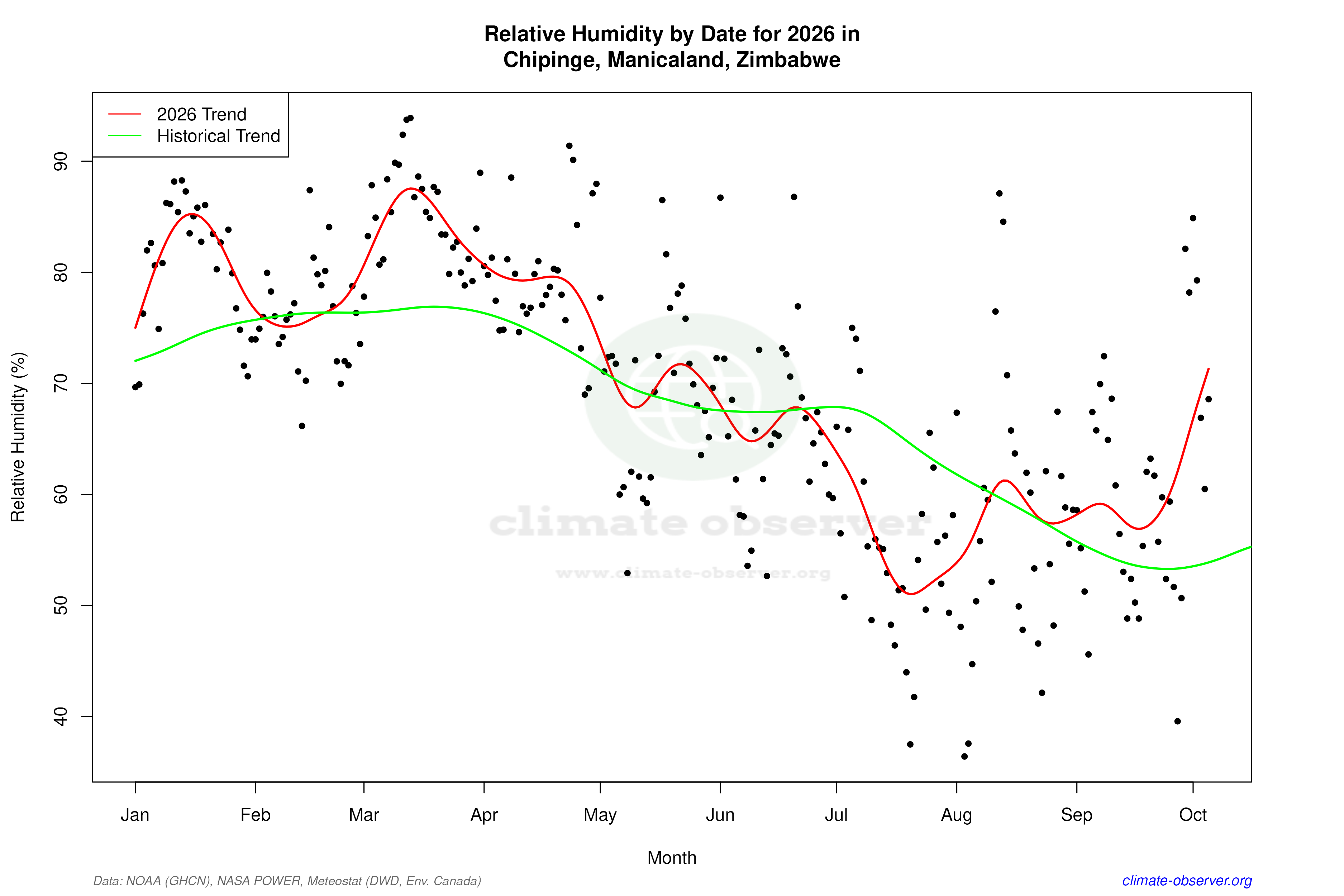

Max Temperature this Year | 1 of 6
Climate 12-Month Moving Averages
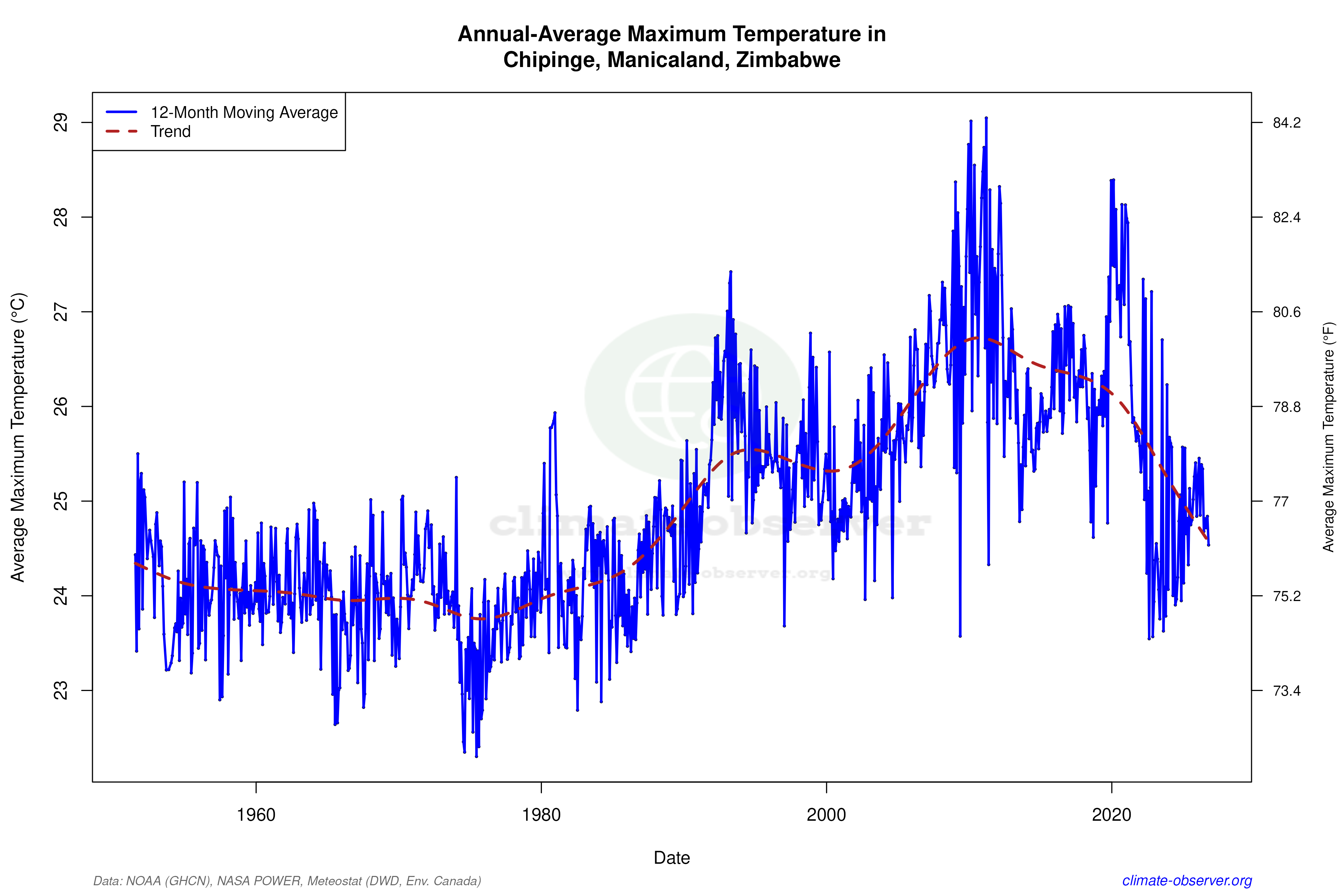
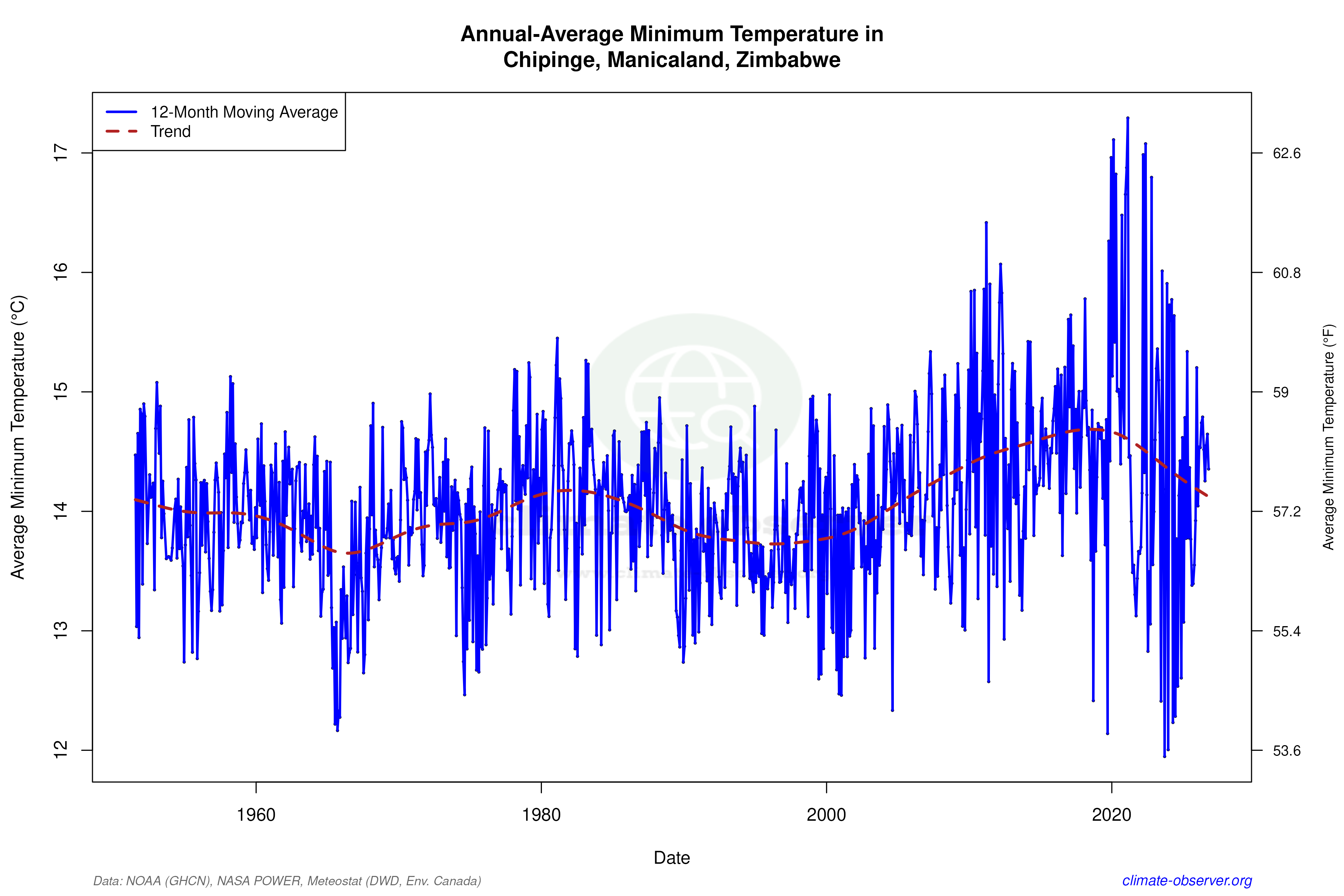
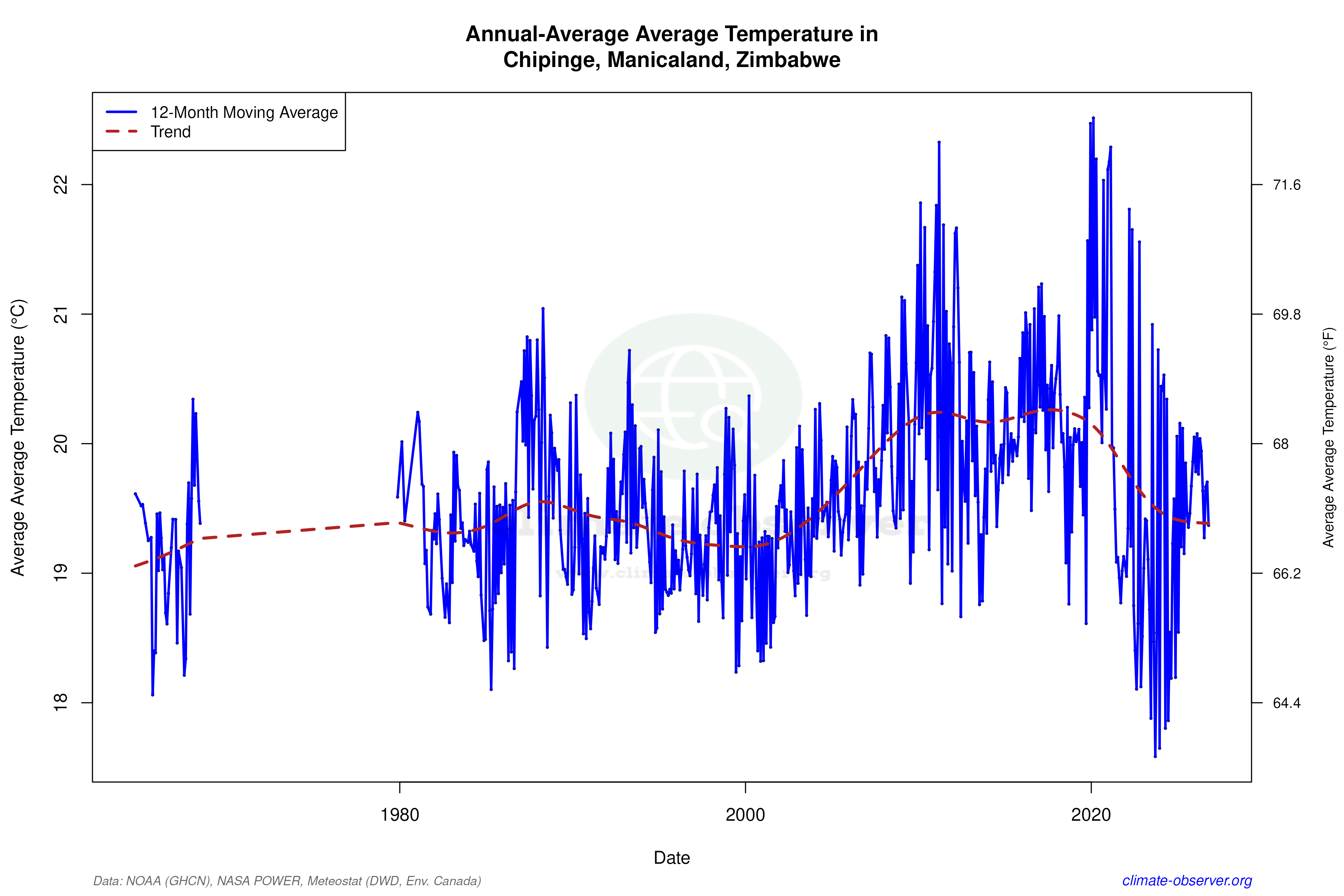

Max Temperature 12-Month MA | 1 of 6
Daily Data Points and Averages Throughout the Year
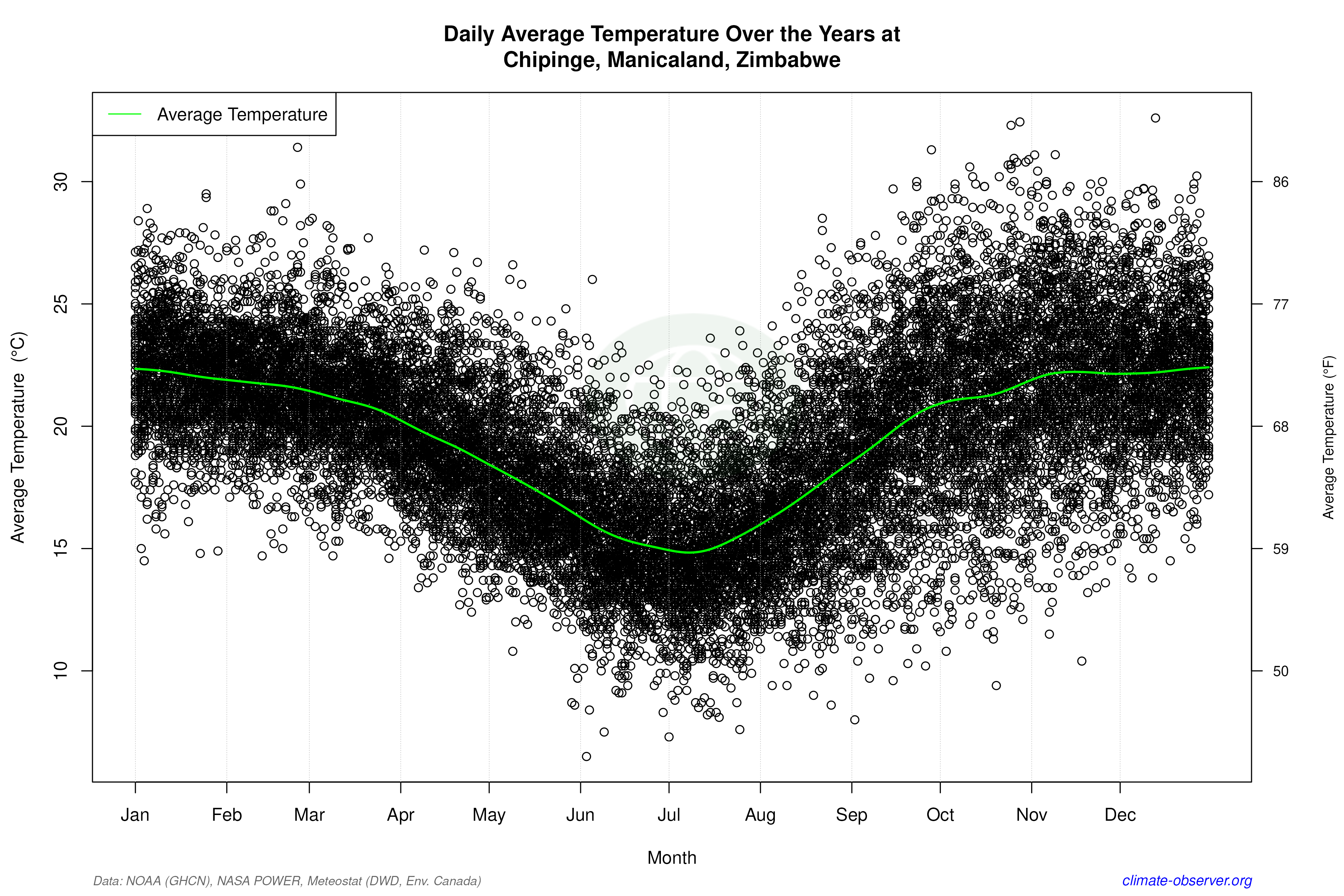
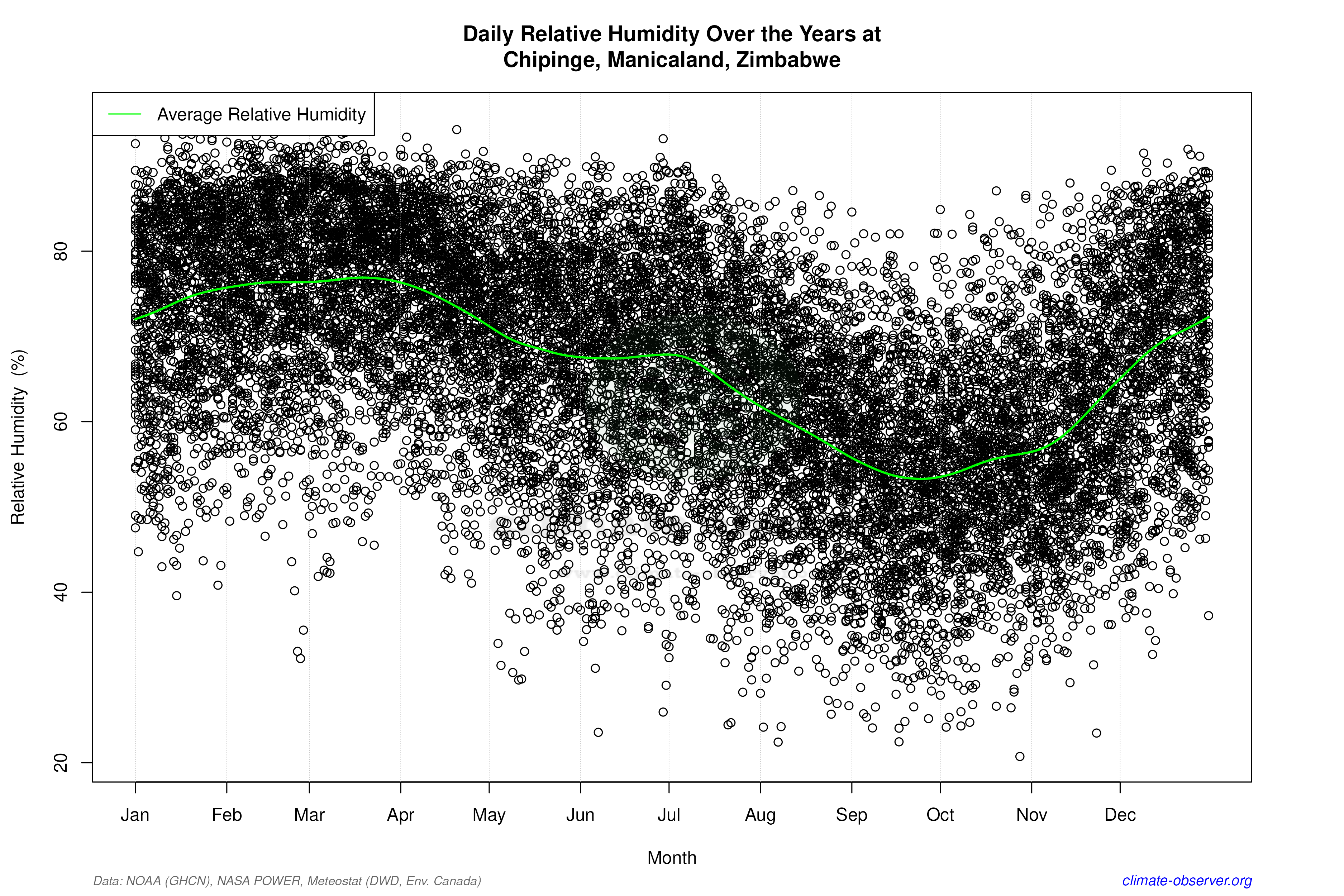

Average Max Temperature Throughout Year | 1 of 5

